Xinjiang Polo: The Plov That Fuels the Region
Xinjiang polo, also called plov or 抓饭, is the everyday fuel of the region’s roads and bazaars. Our guide covers where to eat it, how it is made, and what
A Website Introducing Top Tourist Attractions in Xinjiang

Practical travel tips and planning guides for Xinjiang
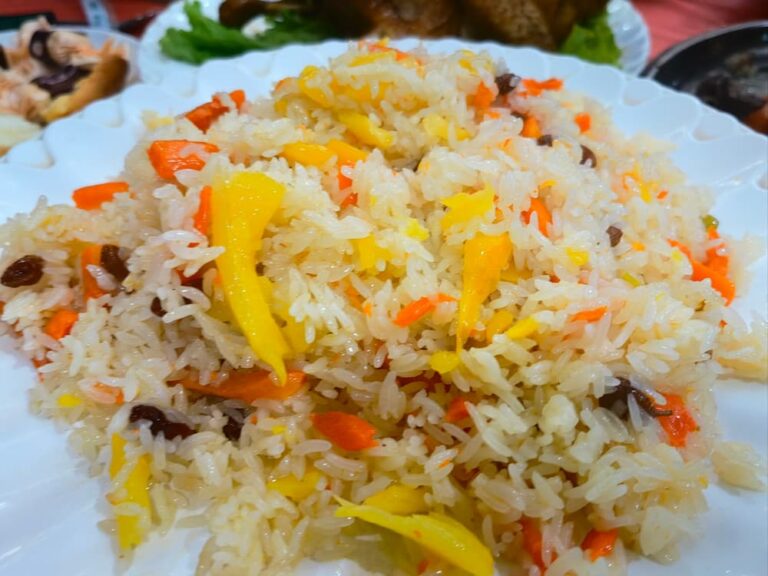
Xinjiang polo, also called plov or 抓饭, is the everyday fuel of the region’s roads and bazaars. Our guide covers where to eat it, how it is made, and what
Xinjiang dried fruit is a traveler’s souvenir staple: raisins, apricots, walnuts and more. Our guide covers what to buy, where to shop, and how to judge
Xinjiang’s fruit ripens on its own clock: apricots in April, Hami melons in July, Turpan’s grapes in August, Korla’s pears in October. Eat them in season.
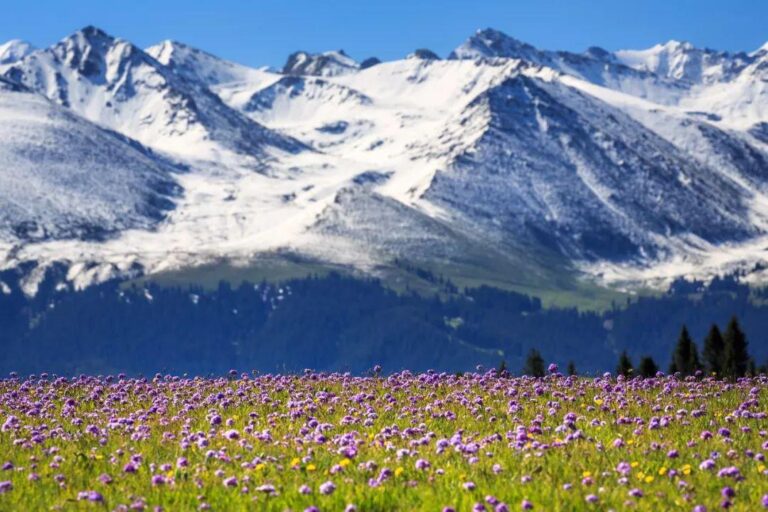
Xinjiang festivals follow the harvest: apricot blossoms in March, lavender purple in June, grapes in August. Plan your trip around the harvest season.
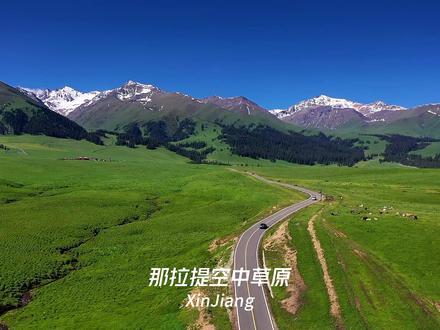
Xinjiang hiking depends more on permits than on fitness. This guide maps the border passes, scenic trails, and ancient roads worth the paperwork in 2026.
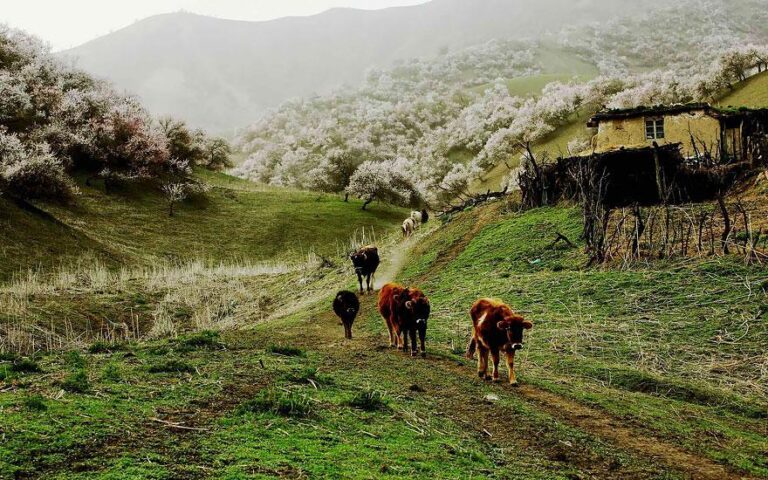
Xinjiang accommodation by region: where to book hotels, yurts and homestays on the northern loop, around Ili, in Kashgar and near Turpan, and when to book.
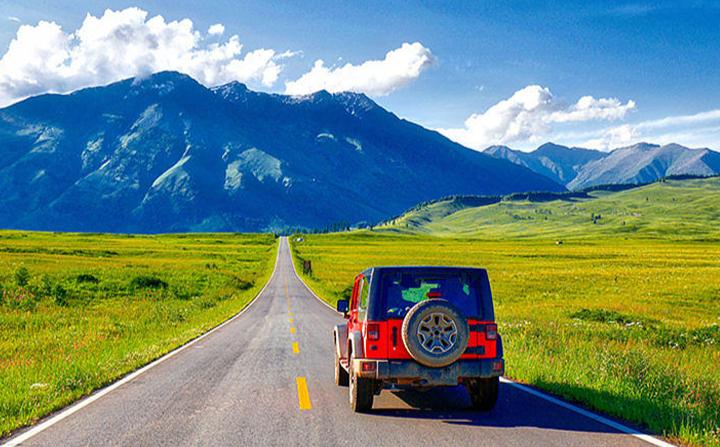
Xinjiang highways use a G-number system that confuses first-time visitors. Learn what G30, G217 and G218 mean, and the routes in Xinjiang worth driving.
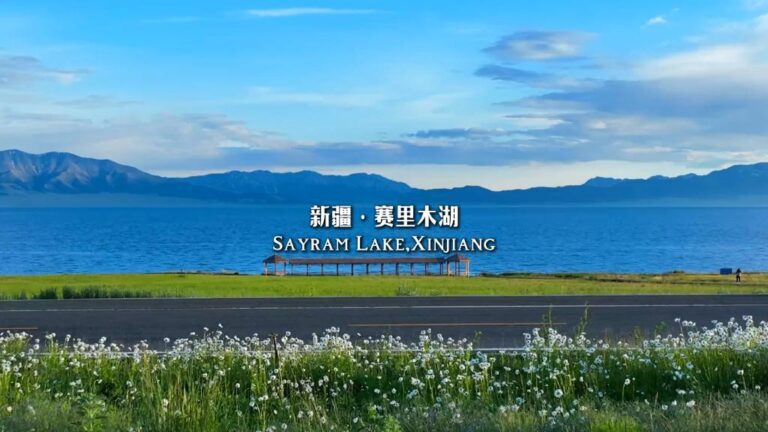
Crossing the Xinjiang Kazakhstan border by bus or train is easier than it looks. Here is the visa rule, the two ports, and a real day-by-day crossing plan.
Xinjiang payment in 2026: how foreign visitors actually use WeChat Pay, Alipay and cash, with setup steps, where the apps fail and a cash backup plan.

Xinjiang altitude swings from 154 m below sea level in Turpan to over 4,600 m on the Pamir. See which destinations go high and how to prepare for them.