Liangpi Cold Noodles: Xinjiang’s Summer Bowl
Liangpi Xinjiang: the cold wheat-noodle staple of the Hui kitchens in the region. Where to eat it, what goes in the sauce, and why summer is best to order.
A Website Introducing Top Tourist Attractions in Xinjiang

Practical travel tips and planning guides for Xinjiang
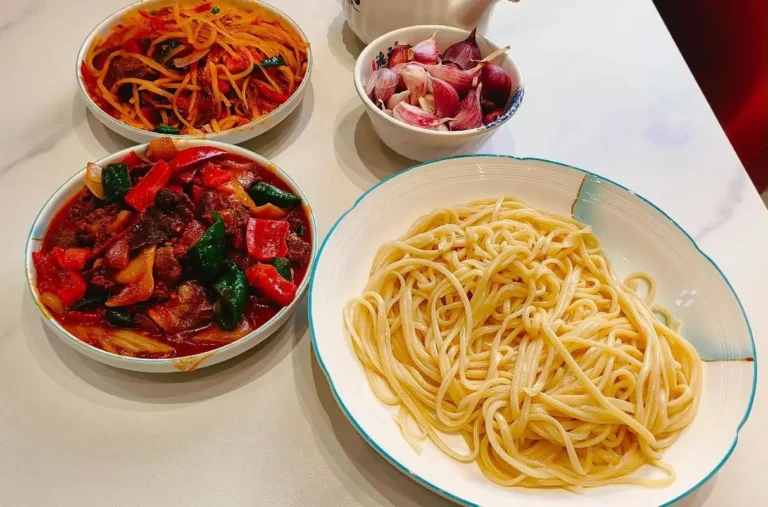
Liangpi Xinjiang: the cold wheat-noodle staple of the Hui kitchens in the region. Where to eat it, what goes in the sauce, and why summer is best to order.
Honest Xinjiang wheelchair accessibility notes from a real 2025 trip: step-free trains, hotels, best months, and the scenic spots that work on wheels.
Xinjiang saffron grows in small northern oasis plots near Yining and Tacheng. Learn where to see it, how to buy it, and tell real threads from fakes there.
The Urumqi metro is one line, 21 stations, 2 yuan to board. Our car-free guide to 2026 fares, timetables, buses, BRT and paying without a Chinese card.
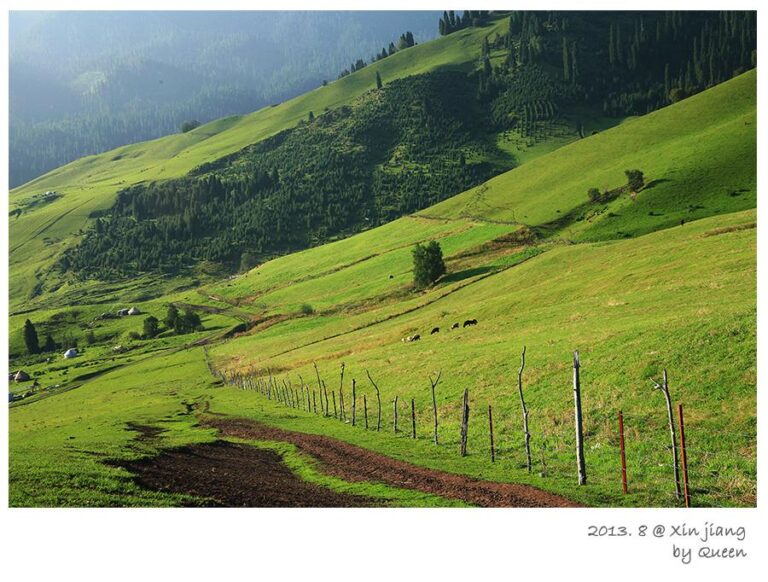
Xinjiang cotton fields turn the Tarim oasis white each autumn. This guide shows where to see the cotton harvest, how to reach them, and what to expect.

Xinjiang power sockets run on 220V 50Hz with Type A and Type I plugs. Pack a universal adapter, buy one in Urumqi, and charge on long drives. before you go
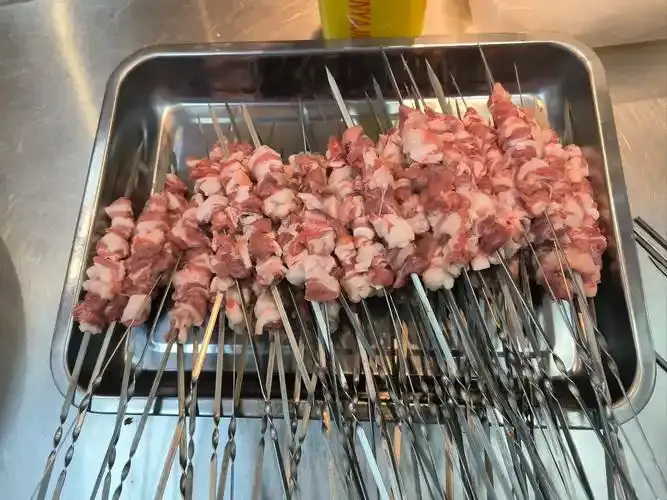
Xinjiang hotpot is the winter meal locals live for. Our first-hand guide covers the broth, where to eat it, halal rules, and the best cold-weather dishes.
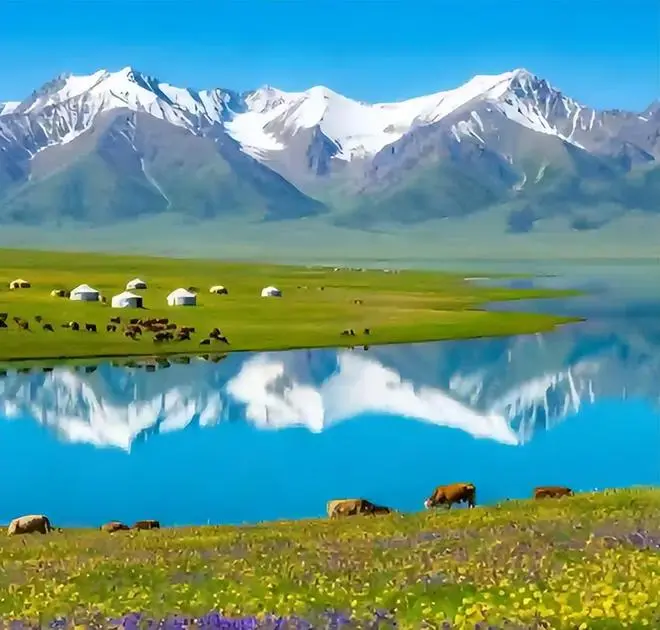
Discover Xinjiang sea buckthorn and wild fruit: where to find it, when to pick it, and why most wild fruit forests are legally protected natural areas.
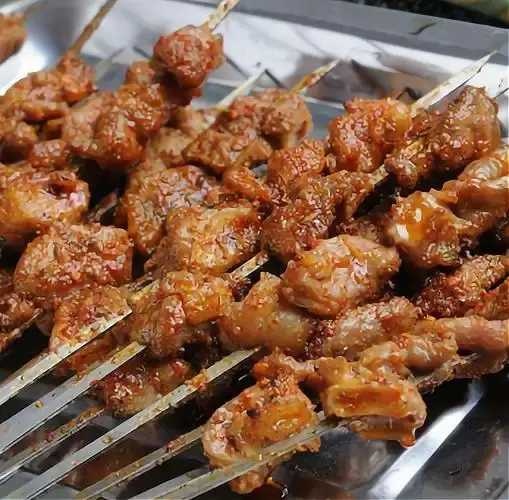
Altai fat-tailed sheep and Bashbai lamb are Xinjiang’s two signature breeds. Here is where they graze, how they taste, and what to order on your trip.
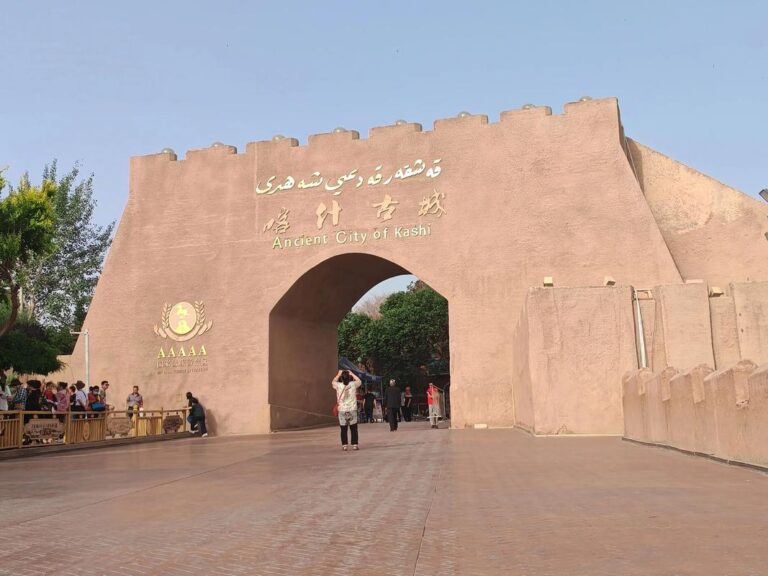
Kashgar century-old teahouse inside the old city: 1-2 hours, 30-50 yuan a head, tea from 28 yuan with free refills, the Wustangboyi crafts street anchor.