Xinjiang Sea Buckthorn and Wild Fruit: What Foragers Actually Pick
Discover Xinjiang sea buckthorn and wild fruit: where to find it, when to pick it, and why most wild fruit forests are legally protected natural areas.
A Website Introducing Top Tourist Attractions in Xinjiang

Practical travel tips and planning guides for Xinjiang
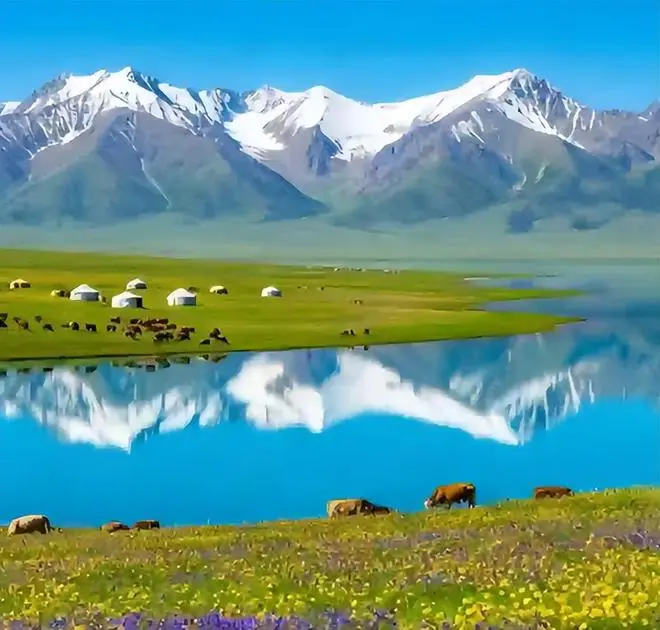
Discover Xinjiang sea buckthorn and wild fruit: where to find it, when to pick it, and why most wild fruit forests are legally protected natural areas.
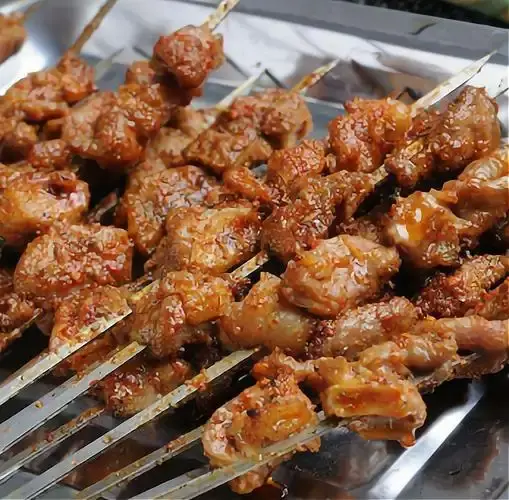
Altai fat-tailed sheep and Bashbai lamb are Xinjiang’s two signature breeds. Here is where they graze, how they taste, and what to order on your trip.
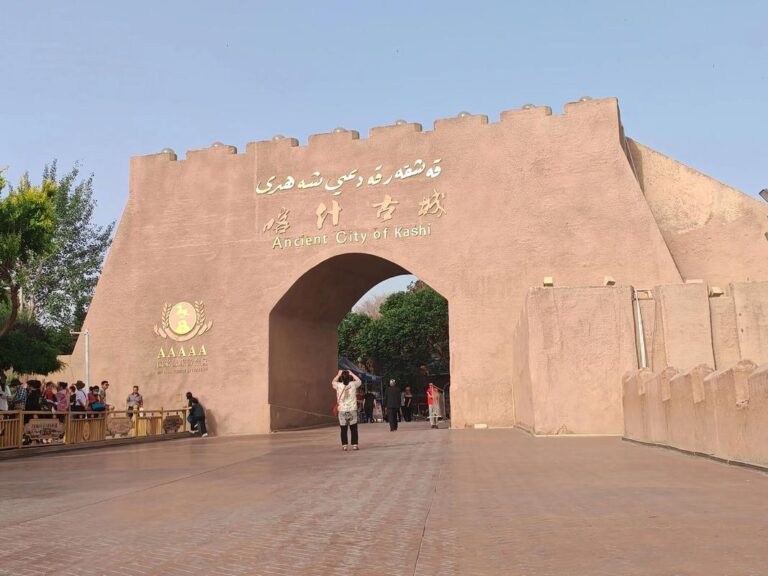
Kashgar century-old teahouse inside the old city: 1-2 hours, 30-50 yuan a head, tea from 28 yuan with free refills, the Wustangboyi crafts street anchor.
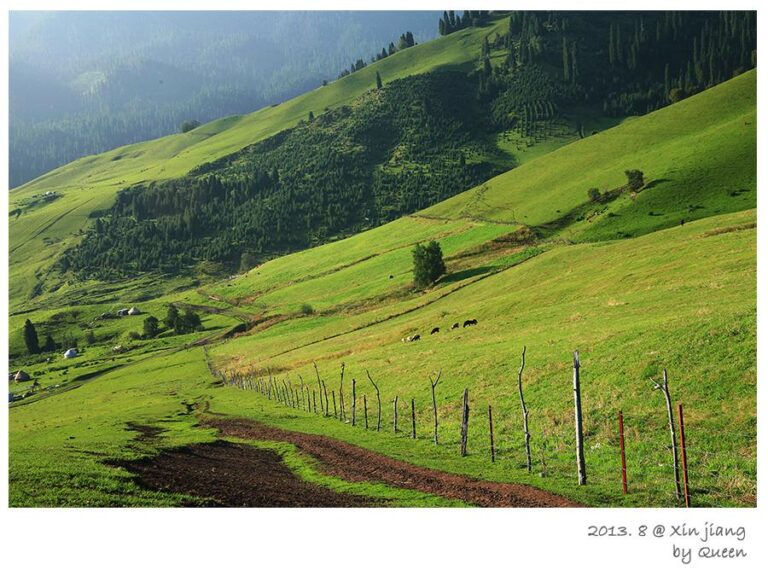
Xinjiang with children is doable if you keep travel days short and altitudes low. Here is what worked on our family trip and what we would skip next time.
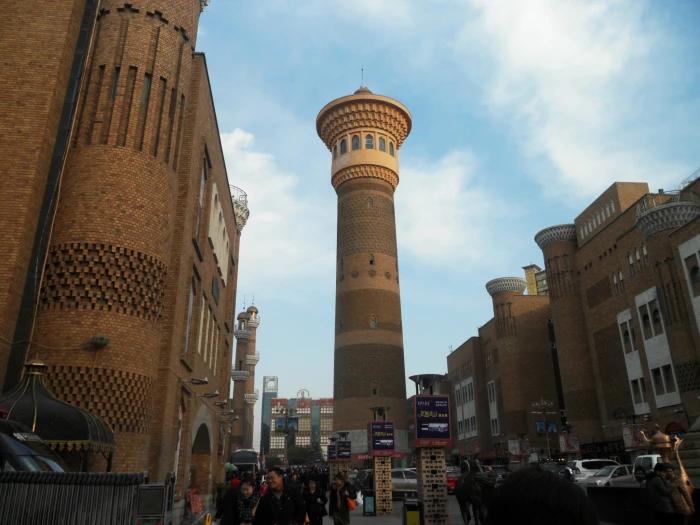
Atush figs are Xinjiang’s sweetest, most fragile fruit, eaten fresh near Kashgar in season. Find where to go, when to visit, and why they barely travel.
Ruoqiang jujube is Xinjiang’s tree-dried grey date grown in the ancient Loulan oasis. We cover where to taste it, how to buy it, and how to reach the town.

Hotan rose jam and rose tea are made from the fragrant hundred-petal rose grown in Xinjiang’s Hotan oasis, then sold as sweets in the local bazaars there.
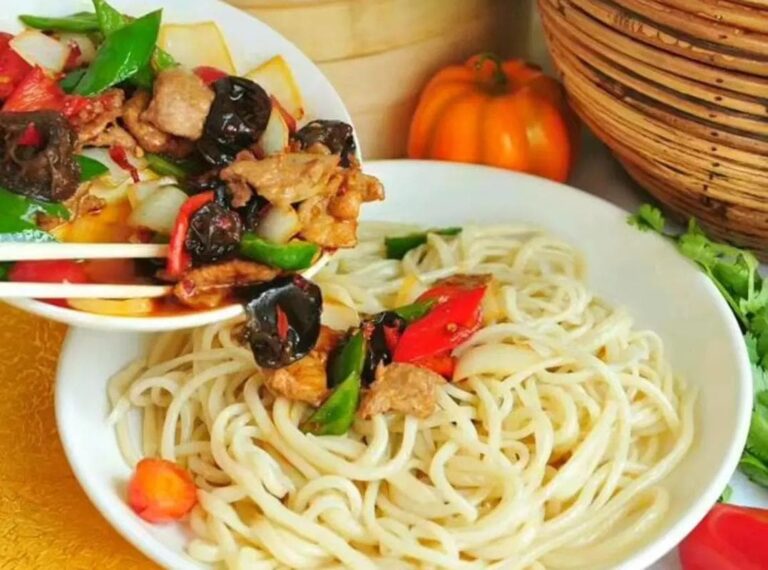
Ding ding noodles and suoman, Xinjiang’s other hand-pulled noodles: what they taste like, how they are made, and where to eat them in Urumqi and beyond.

Wusu beer, Xinjiang’s cult lager, and the region’s drinking culture: where to drink, what to eat with it and the toast rules that visitors should know.

We made the Xinjiang trip planning mistakes on our first drives, then fixed them. Real lessons on distances, Duku timing, altitude, cash, and booking.