Published: August 23, 2026 | Author: Karl Huang
Most travellers have never heard of the Ruoqiang jujube, yet walk into any Chinese supermarket’s dried-fruit aisle and you have probably held one without realising it. This small, dark, intensely sweet red date grows in Ruoqiang County in southeast Xinjiang, a dusty oasis town surrounded by the edge of the ancient Loulan kingdom. I spent three days there in late October during the date harvest, and what I learned changed how I buy dried fruit. This guide comes from that trip plus figures checked against the county’s own agricultural bureau.
Ruoqiang jujube at a glance
| Attribute | Detail |
|---|---|
| Chinese name | 若羌灰枣 (Ruoqiang grey jujube, also called Loulan date) |
| Home | Ruoqiang County, Bayingolin Mongol Prefecture, southeast Xinjiang |
| Drying method | Tree-dried (树上自然吊干); no artificial dryer used |
| Harvest | Early October; fruit knocked from branches after air-drying |
| Sugar content | Around 68 percent; GI spec sets total sugar at 72 percent minimum |
| Status | National geographical indication, protected since 2010 |
| Best uses | Raw, in porridge, in soup, or steeped as tea |
The single fact that matters: Ruoqiang jujube is the only red date in China left to dry on the tree. Farmers do not pick it and run it through a machine. They let the desert air pull the moisture out, then knock the shrivelled fruit down weeks later. That one quirk explains the texture and the concentrated sweetness.
Why we went, and what we found
We drove south from Korla on a Tuesday morning, the Tarim Basin flattening into grey scrub as the road pushed toward the Altyn Tagh range. Ruoqiang is a small county town, and by late October the date orchards on its edge had already turned the colour of old brick. At one orchard outside Waxxai village we were handed a handful straight off the ground: small, wrinkled, almost black, with a pit you could crush between two fingers. The taste was nothing like the rubbery red dates I had bought in a city shop. It was denser, drier, and sweet in a way that did not tire the tongue.
The orchard owner, a retired soldier who had switched to jujube twenty years earlier, walked us through the method. He pointed at the still-hanging fruit and explained that the date is left on the branch well into autumn, until the first hard frost threatens. Only then do workers beat the trees with padded poles and gather the fruit from nets laid underneath. No washing, no oven. The desert does the drying, and the long swing between hot days and cold nights is what builds the sugar. He insisted we compare one of his dates with a machine-dried Hotan date side by side; the difference in density was obvious even to someone who had never thought about dates before that morning.
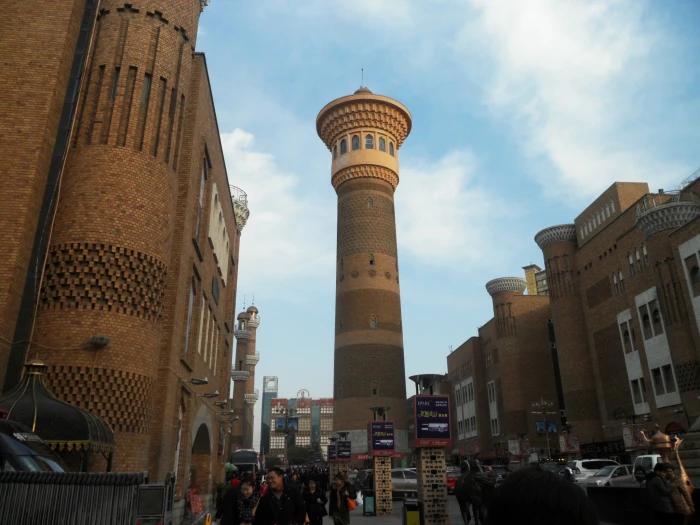
That afternoon we walked the county bazaar, where sacks of grey jujube sat next to walnuts, apricot kernels, and raisins. A vendor cracked one open for us and showed the amber thread that strings between the halves, the sign of a properly tree-dried date. We bought two kilos for about what a single fancy imported packet costs back home, and they were gone within the week.
How to get to Ruoqiang
Ruoqiang is remote, but it is reachable. The fastest route is to fly: Ruoqiang Loulan Airport (IATA: RQA) opened in 2018 and runs flights from Urumqi (roughly one hour) and from Korla. Do not assume you can fly in from everywhere, though; the airport is small and the schedule is thin, so build in a buffer and confirm the day before. If you prefer the road, G315 runs from Korla south about 440 km to Ruoqiang, and continues east toward Hotan (around 540 km) and eventually to Golmud in Qinghai. From Urumqi the drive is close to 880 km, best split over two days. Long-distance buses connect Ruoqiang with Korla and Hotan several times a day, which is the cheap option if you are already moving along the southern loop without a car.
The town is also a natural stop on a southern Xinjiang loop, and it sits on routes that traders have used for two thousand years. If you are curious about that longer history, our Silk Road timeline for travellers maps the oasis towns that grew up along this corridor.
Best time to visit
Late September through early November is the window that matters. Early October is harvest, and the county holds its date festival (红枣节) toward the end of October, when the bazaars are fullest and the orchards welcome visitors. Spring (April to May) is mild and good for photography without the summer heat. Summers here are fierce, often above 35°C and sometimes past 40°C, and winters are cold and quiet, with the orchards bare. I would not plan a date-focused trip outside autumn. If you come in October, pack a light layer for the cold nights and a hat for the strong midday sun; the desert light is hard on the eyes and the dryness sneaks up on you.
Where to stay
Ruoqiang is a working county town, not a resort, so do not expect five-star hotels. You will find a handful of mid-range and budget hotels near the main square, clean and functional, usually priced between 150 and 300 yuan a night, well under what you would pay in Kashgar or Urumqi. Book ahead during the date festival, when the town fills with buyers and tour groups and the better rooms sell out. We stayed one night and left early, which was enough to see the orchards and the museum without rushing.
What to eat besides dates
The date is the headline, but Ruoqiang eats like the rest of southern Xinjiang with a Mongolian and Tibetan edge, since the county sits inside the Bayingolin Mongol Prefecture. Expect hand-pulled laghman, grilled mutton, and naan, plus the usual big plate chicken that shows up almost everywhere. The Mongol influence shows up in the dairy: salty milk tea (suutei tsai) and clumps of dried curd appear at breakfast alongside the date congee. At the morning market we also found date steamed buns (枣馍), a local breakfast where the fruit is folded into the dough, and a tray of roasted pumpkin seeds that paired better with the tea than I expected. For actually finding these dishes, our guide to ordering food without Chinese is worth a read before you go.
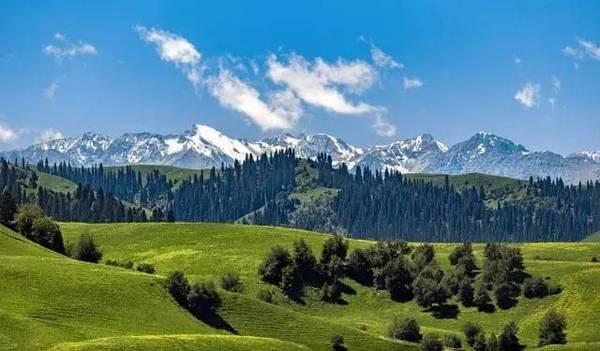
The date itself turns up in unexpected places: in congee at the hotel breakfast, in sweetened milk tea, and in the sticky fried pastries at the morning market. If you want the broader picture of where locals actually shop for food, our Xinjiang food markets guide covers the etiquette and the traps.
Buying Ruoqiang jujube: what to look for
Real Ruoqiang grey jujube is small and dark, not the giant red dates you see marketed as “Xinjiang jujube” elsewhere (those are usually Hotan or Aksu varieties). The skin is thin, the pit is tiny, and a fresh tree-dried date will pull apart with a visible thread of sticky fibre. Good grades at the bazaar ran us roughly 30 to 60 yuan per jin (half a kilo) depending on size and cleanliness, vacuum-packed for the trip home. Buy from the bazaar or a labelled cooperative rather than an anonymous online listing, because the name gets copied. The county’s brand was valued at more than 4.6 billion yuan in 2023, which tells you how much fake product is out there. A simple test: if the date is huge, pale, and lacks that sticky thread when broken, it is probably not the real grey jujube.
If you enjoy other oasis sweets, Ruoqiang’s neighbour to the southwest makes a different one: our piece on Hotan rose jam and rose tea explains another side of the same desert trade.
A simple three-day itinerary
Day 1: Fly Urumqi to Ruoqiang (RQA), drop bags at the hotel, then walk the Loulan Museum in town. It holds relics from the Loulan site and explains the date’s place in local history. Evening at the bazaar for a first tasting and to compare grades side by side.
Day 2: Morning at an orchard outside Waxxai or the 36th Regiment area, where the organised jujube cooperatives let you see drying and buy direct. Keep the afternoon loose; the light at this hour is good for photos of the Altyn Tagh foothills. Evening, date congee and grilled mutton back in town.
Day 3: Head west on G315 toward Hotan, or back north to Korla. If you go west, the road itself is the attraction: empty desert, the odd ruined watchtower, and roadside stalls selling the season’s dates by the sack. Carry water and a full tank, because services thin out fast once you leave the county.
Frequently asked questions
Are Ruoqiang jujube and Hotan jujube the same?
No. Ruoqiang grey jujube is small, dark, and tree-dried. Hotan jujube is larger and usually machine-dried. They taste different and cost different amounts, and the Ruoqiang name is protected, so check the label.
Can I visit the Loulan ruins?
Not easily, and not as a casual tourist. The Loulan Ancient City is a protected site deep in the desert east of the county, and ordinary travellers cannot just drive in. What you can do is visit the Loulan Museum in Ruoqiang town, which displays artefacts and maps the lost city properly. Treat any “Loulan tour” offer with caution.
Is the date festival worth planning around?
If your goal is tasting and buying, yes. Late October means fresh stock, full bazaars, and orchard visits. If you only want photos and quiet, spring is the better, cheaper choice.
A note on what we can and cannot claim
We visited Ruoqiang as travellers, not as scientists or doctors. The health and nutrition figures in this article come from the county agricultural bureau and publicly available product specifications; we have not independently tested them. Dates are a food, not a medicine, and any claim about curing illness should be ignored. Prices and flight routes change, so confirm them before you book.
About the author
Karl Huang has travelled Xinjiang by train, bus, and rental car across more than a dozen trips, from the Ili valleys to the Pamir plateau. He writes the practical guides on this site from first-hand visits and verifies local facts against official sources before publishing. He is not sponsored by any date producer and bought his own jujube at the Ruoqiang bazaar.