Published: 26 October 2026 | Author: Karl Huang
The first time I tried to explain to a friend from Berlin how to rent a car for a Xinjiang trip, I realised the advice most travel forums give is simply wrong. China does not recognise the International Driving Permit, and a rental counter will not hand you keys on the strength of a licence from home. This guide is built around that gap: what a foreign visitor actually needs to get behind the wheel in Xinjiang, and the far more common alternative that most people end up choosing anyway.
I have spent the last few years writing about travel across this region, and I have both self-driven (on a properly issued temporary permit) and travelled with a local driver. The two experiences differ enough that the choice shapes your whole trip. I will keep the legal part plain, because the rules are real.
Who this guide is for, and why we wrote it
If you hold a driving licence issued outside mainland China and you are planning to travel in Xinjiang, this is the page you want before you book flights. It is written specifically for foreign passport holders, not for Chinese residents or returning overseas Chinese who already hold a domestic licence. The practical takeaway is simple: you have two realistic ways to have a car at your disposal, and only one of them works without paperwork in advance.
The essentials at a glance
| Question | Short answer for foreign visitors |
|---|---|
| Can I use my home licence alone? | No. Mainland China does not recognise the IDP. |
| What do I need to self-drive? | A Temporary Driving Permit plus your home licence and a Chinese translation. |
| Cost of the permit | About 10 RMB, issued the same day. |
| Permit validity | 3 months for short stays; extendable to 1 year if you stay longer. |
| Most common choice | A car with a local driver (charter), which needs no permit. |
| Self-drive rental (no driver) | 200 to 1,500 RMB/day depending on vehicle, plus fuel and a deposit. |
| Charter with driver | Roughly 500 to 1,200 RMB/day all-in, often quoted in USD by agencies. |
| Best season to drive | June to October, when mountain roads like the Duku Highway are open. |
A personal note: our first week on Xinjiang roads
On our first long trip we hired a car with a driver out of Urumqi and ran a loop through the northern grasslands. The driver treated the itinerary as a suggestion; he stopped at a roadside stand selling just-pressed sunflower oil because my partner wanted to see how it was done, and that unplanned stop is still one of my clearest memories. A few years later I self-drove the same kind of loop on a temporary permit. Both trips worked. The charter was calmer; the self-drive gave me control over every detour. Knowing which one fits you is the point of the rest of this guide.
The licence reality for foreign visitors
The single most important fact is this: a driving licence from another country, including an International Driving Permit, is not valid for driving in mainland China on its own. The legal pathway is a Temporary Driving Permit (temporary motor-vehicle driving permit, issued under the national Regulations on the Application and Use of Motor Vehicle Driving Licenses, Order No. 172 of the Ministry of Public Security).
To get one, take your passport, your home licence, a Chinese translation (from an authorised translation body or notary), and two one-inch photos to a vehicle management office. For compact rental cars the medical check is waived. After a short session on Chinese road rules, the permit is printed the same day for around 10 RMB. For stays of three months or less it is valid three months; if you stay longer, it can be extended up to a year. When you drive a rented car, the permit restricts you to small manual or automatic vehicles (categories C1 and C2).
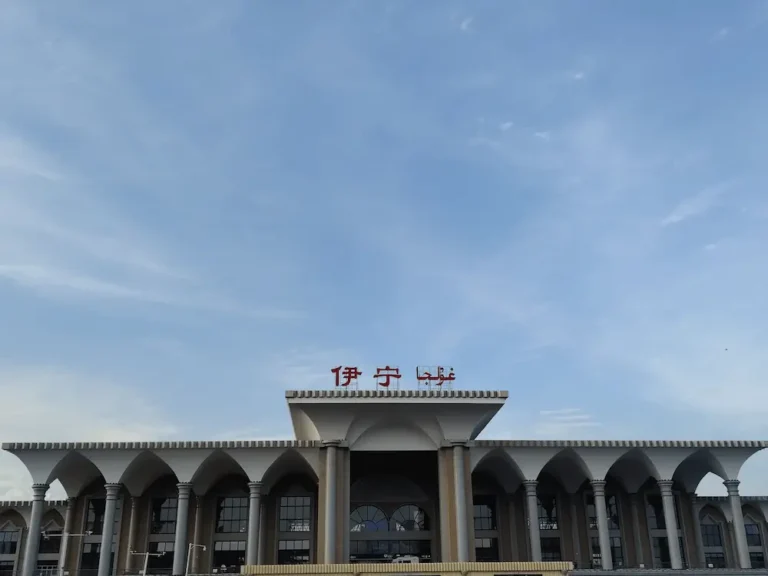
I would not leave this to the day of arrival. The office that issues it is in the city where you start, and while the process is quick once you have the documents, the translation step is the part that trips people up. Sort it in Urumqi, Kashgar or Yining before you plan to pick up a car.
Four countries whose licences China honours directly
There is one shortcut worth knowing. China has mutual-recognition agreements with a small number of countries: France, Belgium, Serbia and the United Arab Emirates. If your licence was issued in one of those places, the path to driving legally is shorter, though you will still want the temporary permit and a translation for the rental counter. Travellers from other countries should assume the standard permit route above.
The option most visitors choose: a car and driver
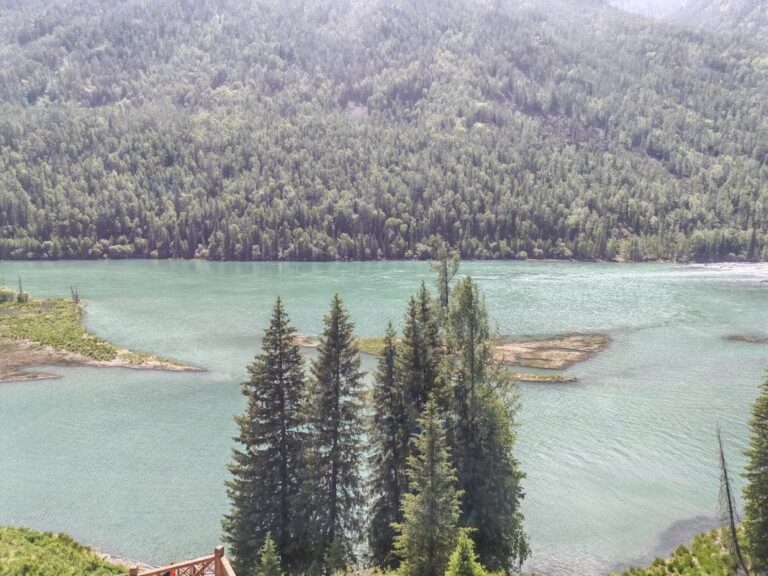
Here is what actually happens in practice. Most foreign visitors to Xinjiang travel with a car and a local driver rather than self-driving, for practical reasons. Distances are enormous: Urumqi to Kashgar is roughly 1,500 kilometres. Checkpoints appear on regional roads, and a local driver handles the documents, the fuel stops and the navigation while you watch the landscape change from desert to spruce forest to snow line. You still set the itinerary and the pace. A good driver is also a translator and a fixer, though not a touring guide.
This is also the lower-stress choice if your trip is short. You skip the permit office entirely. For many people that trade is worth more than the freedom of the wheel.
What a car-and-driver charter costs in 2026
Pricing runs on a per-day basis and usually covers the vehicle, the driver, fuel and tolls. Local operators quote in RMB; some international-facing agencies quote in US dollars. As a rough band for 2026:
- Saloon or compact SUV with driver: about 500 to 800 RMB per day.
- Mid SUV (think RAV4-class) with driver: about 700 to 1,000 RMB per day.
- Seven-seat MPV or nine-seat van with driver: about 900 to 1,200 RMB per day.
On longer trips the driver’s meals and lodging are sometimes extra, so confirm that before you sign. The rate typically buys around ten hours of service a day. If you prefer the freedom of driving yourself, our self-drive planning guide walks through the logistics in more detail.
If you self-drive: where to pick up and what it takes
If you go the permit route, the rental desks are where you would expect. Urumqi (airport and city branches), Kashgar, Yining and Turpan have the most choice. You will find large Chinese agencies such as Shenzhou (China Auto Rental) with app-based booking, a few international-brand partners with English support at a higher price, and smaller local firms that are flexible about cross-region travel.
Budget for the vehicle itself at 200 to 350 RMB a day for an economy saloon, 400 to 600 for a compact SUV, 600 to 900 for a mid SUV, and 900 to 1,500 for a 4×4 if you want ground clearance for rough access roads. Fuel is extra (petrol runs about 7 to 8 RMB a litre), as are tolls, and the company will freeze a deposit on your credit card. Take the full damage waiver: gravel and the occasional wandering sheep on a mountain road are real risks. Return the car in the same city unless you have pre-arranged a one-way drop-off.
The border-county permit you may need
Xinjiang touches several borders, and some of the most rewarding drives end in counties that require a Border Defense Permit. The Pamir Plateau around Tashkurgan, near the Pakistan border, is the classic example, as is the Khorgas crossing area. The permit is free and is usually arranged in Kashgar or through your travel agency before you head out. Tell the rental company your full loop when you book, because some contracts forbid leaving Xinjiang or entering border counties. A driver on a charter handles this for you as a matter of course.
When the roads open: timing your driving trip
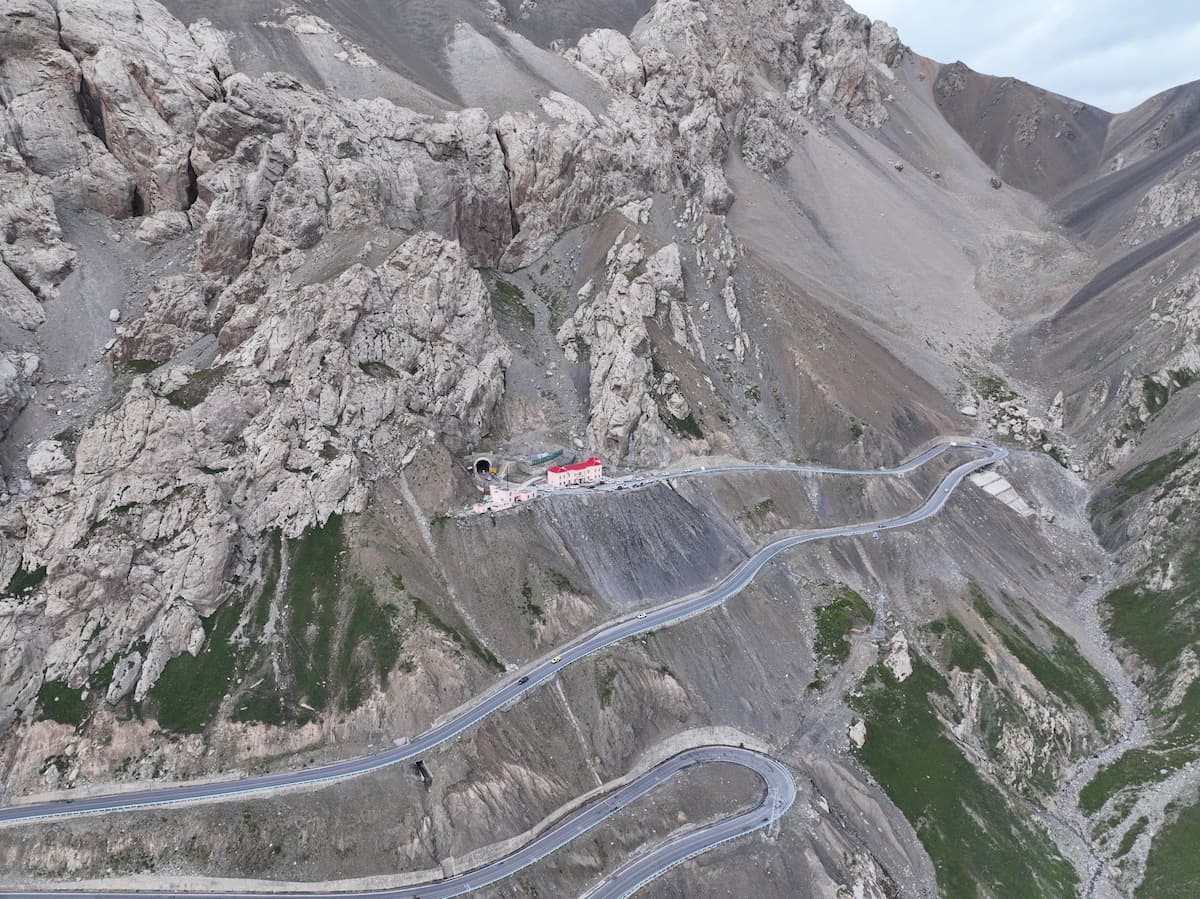
Xinjiang is a place where the season decides the map. The Duku Highway, the mountain road linking the region’s north and south and one of Asia’s great drives, is typically open only from around June to October; high passes can close with early snow. Our Duku Highway guide explains the opening window and what to expect on the road itself. If you travel in winter, plan a different route and read up on winter driving rules before you go. For most visitors, June through October offers the safest combination of open roads and good conditions.
Bases and overnight stops for a car trip
Because driving days should be kept reasonable (300 to 500 km is a sane target, not 800), you will overnight in county towns more often than at the scenic stops themselves. County seats have the hotels, the fuel and the food; the scenic areas often close their gates and kitchens by early evening. Build your loop around two or three base towns and treat the sights as day loops out and back. If you are booking from abroad, our hotel guide covers which platforms work for foreign cards.
What to eat when the next town is two hours away
A car changes how you eat. In a county town you can find a proper hand-pulled noodle shop and lamb skewers; between towns the options thin out to highway service areas and the occasional roadside stand. We learned to buy fruit, bread and water at every town we passed, because the next reliable stop might be a long way off.
Things every first-time driver should know
A few things caught us off guard on our first self-drive. Speed cameras are common on expressways and near town entrances, so watch the limits. Police checkpoints appear on regional roads; keep your passport and the car documents in the glovebox so you are not unpacking in a queue. Signal is patchy away from the main corridors, so download offline maps before remote stretches. Livestock and slow vehicles share mountain roads, so drive defensively. Never drink and drive: random checks are frequent and the consequences are severe. Respect the no-camera zones near military areas, where dashcams are not welcome.
A sample two-week driving plan
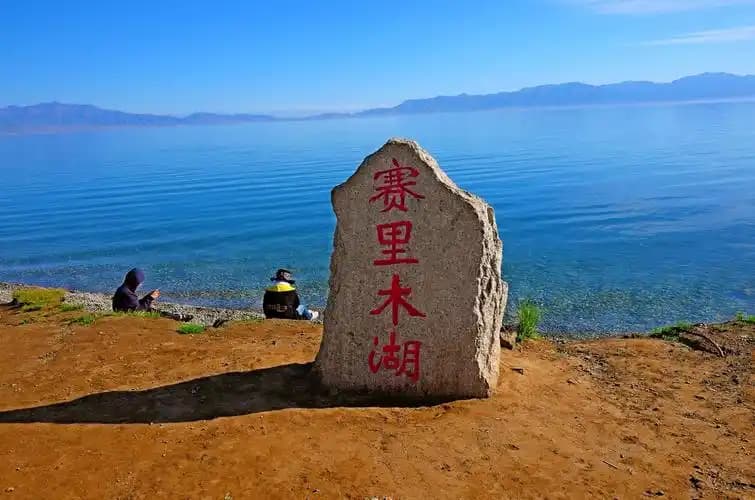
For a first trip, a northern loop works better than trying to see everything. Fly into Urumqi and spend a night; drive toward Yining; circle Sayram Lake; cross to the grasslands around Nalati and Qiaxi; take the Duku Highway south to Kuqa; then decide whether to fly out of Kashgar or drive back. That is roughly ten to fourteen days with room to breathe. The distances are long, so pad the plan rather than compress it. Our driving distances guide has the numbers for a realistic daily schedule, and if the wheel still feels like too much, the no-car itinerary shows how to cover similar ground by train and coach.
Questions foreign drivers ask us
Can I rent a car with just my foreign licence and no permit? Only with a driver. Self-drive legally requires the temporary permit described above.
Is English support common at rental desks? At international-brand partners in Urumqi, sometimes. At local agencies, limited. If your Mandarin is thin, a charter with driver solves this entirely.
Can I take the car into another province? Usually yes with notice to the rental company; confirm it in the contract before you sign.
Do I need a Border Defense Permit for the whole region? No, only for specific border counties such as Tashkurgan. Most of Xinjiang is open without it.
What if I cannot get the permit in time? Then the car-with-driver charter is your answer. It needs no permit and is the option most foreign visitors choose anyway.
A note on permits, accuracy and your responsibility
Licence and permit rules change, and local offices do not always interpret them identically. The details here reflect Chinese regulations and municipal traffic-police guidance current as of 2026, including the national driving-licence regulations and guides from cities such as Zhuhai and Jinan (see the Jinan foreign visitors’ guide (2025) and the Zhuhai temporary permit guide). Treat this as a planning aid, not legal advice. Confirm the exact documents and fees with the issuing office or your embassy before you travel, and never drive without the correct permit in hand.
About the person who wrote this guide
This guide was written by Karl Huang, a travel writer based in western China who has covered Xinjiang’s roads, towns and border regions for several years. He has both self-driven the region on a temporary permit and travelled it with local drivers, and he prefers giving readers the unglamorous facts over the brochure version. When he is not on the road, he maintains practical travel resources for visitors who want to see the region without the usual guesswork.