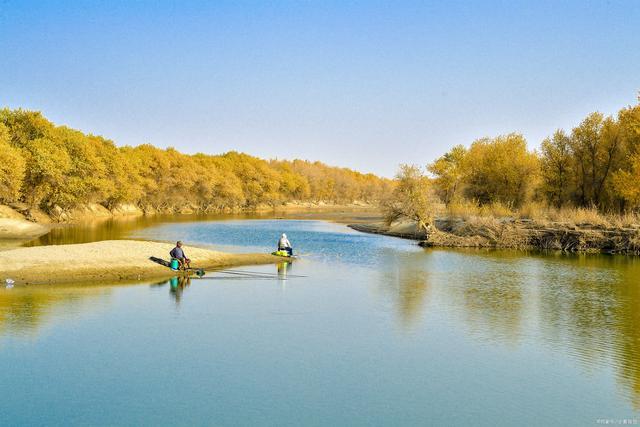
Published: October 18, 2026 | Author: Karl Huang
Most travellers who plan a Xinjiang trip think first of the deserts and the mountain lakes to the south. Ulungur Lake rarely makes the first draft, and that is exactly why I keep sending people there. It sits in Fuhai County, in the Altay region of northern Xinjiang, a wide sheet of cold water on the northern edge of the Junggar Basin that most guidebooks treat as a footnote. I have now stood on its shore in two completely different seasons, and they might as well be two different places.
I write this as the practical field guide I wish I had before my first drive out. I am not a fisheries scientist. I am a travel writer who has spent the better part of a decade driving Xinjiang’s back roads, and I have eaten too much fish on this lake’s shore to pretend I am neutral about it. The numbers below come from local government tourism releases and Chinese news coverage of the winter harvest; where I describe a feeling or a meal, that part is mine.
| Item | Detail |
|---|---|
| Location | Fuhai County (福海县), Altay Prefecture, northern Xinjiang |
| Lake surface | about 1,000 km² (one of China’s ten largest inland lakes) |
| Role | northern Xinjiang’s largest natural fishery; roughly one-third of the region’s fish catch |
| Signature fish | northern pike (白斑狗鱼), Baikal roach, Eastern bream, perch |
| Winter fishing season | December to March; ice up to 1 m thick |
| How to arrive | drive from Altay City (~58 km) or Urumqi (~600 km); fly to Altay Airport |
| Best months | July-August for open water; late December-February for the ice festival |
How Ulungur Lake feeds northern Xinjiang
Ulungur is not a pretty alpine pool that exists for photographs. It is working water. The lake and its connected smaller basin have supplied fish to the north of Xinjiang for generations, and today it is described by local authorities as the region’s largest natural fishery base, accounting for around a third of all the fish landed in Xinjiang in a strong year. The annual haul has been reported at more than 8,400 tonnes at its peak.
What makes that possible is the cold. Fed by snowmelt from the Altai and sitting in a continental climate where winters are long and brutal, the water stays cool enough for the slow-growing, firm-fleshed fish that northern diners prize. Locals call the catch 福海野鱼, “Fuhai wild fish,” and the phrase carries real weight here; this is not farm-pond stock.
If you want the geographic frame, the lake lies in the Junggar Basin’s northern reach. Our Junggar Basin travel guide explains the wider region, and it helps to read the two together before you drive in.
The fish behind the reputation
The species list is short but distinctive. The headline fish is the northern pike (白斑狗鱼), a long, toothy predator that grows large in these waters and has a clean, slightly sweet flavour that takes smoke and grill well. Alongside it you will find the Baikal roach (贝加尔雅罗鱼) and the Eastern bream (东方欧鳊), both cold-water schooling fish that turn up in the winter nets by the hundredweight. Perch (河鲈, known locally as wǔdàohei, “five-striped”) rounds out the everyday table.
These are not delicate restaurant fish. They are robust, oily when young, and best eaten the same day they leave the water. On my first visit I ordered a simple pan-fried pike at a lakeside cafe and understood immediately why people drive hours for it; the flesh was firm in a way that frozen supermarket fish never achieves.
A July afternoon on the open water
I first reached Ulungur in July, which is the season almost nobody writes about. The winter festival gets the cameras, but July is when the lake is simply a lake. We arrived in Fuhai in the early evening after a long drive from Altay City, dumped our bags, and drove the last stretch to the shore as the light went flat and gold.
A local offered us a small motorboat for the cost of a taxi ride, and we puttered out past the reed beds where egrets lifted off in ones and twos. The water was calm and surprisingly clear near the edges, the far shore a low green line you could barely make out. There was no festival, no crowd, just the sound of the engine and the smell of wet reed. We ate grilled fish on a concrete pier with two retired fishermen who argued, happily, about which year the ice had been thickest.
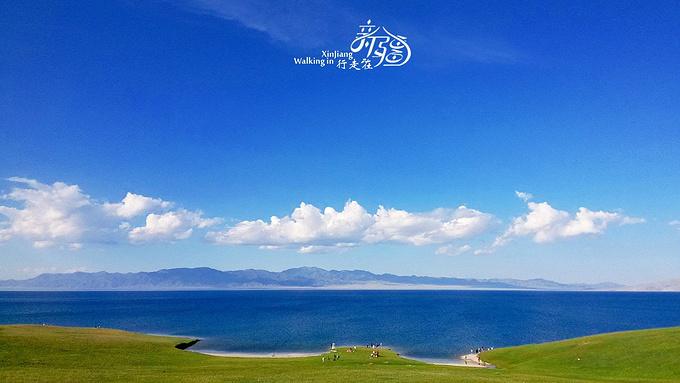
That quiet afternoon is the version of Ulungur I recommend to travellers who dislike crowds. The summer lake asks nothing of you except that you sit and look.
Reaching the lakeshore by road
Fuhai County town sits roughly 14 km from the main lakeshore, and about 58 km from Altay City. Most visitors string it onto a northern Xinjiang loop. If you are driving the long way, our G216 route from Altay to Urumqi passes within reach and makes a natural backbone for the trip.
The practical options:
- Fly to Altay Airport (AAT) from Urumqi, then rent a car or take a county bus to Fuhai (about an hour).
- Drive from Urumqi via the G3014 (Kui’a) Expressway; budget a full day, around 600 km.
- Bus services run Fuhai-Altay and Fuhai-Urumqi, but a car gives you the freedom to reach the shore at dawn.
There is no passenger train to the lake itself; the railway serves the wider region, and the last miles are always road.
When the lake is worth the drive
Ulungur genuinely has two peak seasons, and they could not be more different.
Summer (July-August) is for the open water: boating, birdwatching in the reeds, camping on the northeastern leisure beaches, and eating fresh fish without a queue. Days are warm, the mosquitoes are real, and the evening light is the best I have seen in the region.
Winter (late December-February) is for the ice. The surface freezes a metre deep, and the traditional under-ice seine fishery runs from December through March. This is when the Xinjiang winter festival circuit sweeps through, and Ulungur’s harvest is its centrepiece. Expect minus twenty to minus thirty Celsius and a spectacle worth the cold.
April-June and September-November are quiet. The shoulder months are fine for a calm visit but you will miss both the water sports and the festival.
Where to lay your head near the shore
Fuhai county town has the most reliable hotels, from basic business lodgings to a couple of newer mid-range places, all within a short drive of the lake. In summer, lakeside resorts and yurt-style stays open along the northeastern shore; book ahead in July and August when Urumqi families arrive in force.
If you want more choice and a livelier evening, base yourself in Altay City and make Ulungur a day trip or an overnight. For a broader read on the county, our Fuhai and Ulungur Lake guide covers the wider area. For the winter festival, beds in Fuhai fill fast, so reserve weeks ahead if you want to be on the ice at dawn.
Eating your way through the catch
The dish to plan around is the 全鱼宴, the “whole-fish banquet,” where a single lake yields soup, fried fillets, smoked pieces, and a fragrant fish hotpot. Nothing is wasted; even the soft bones get turned into a broth.
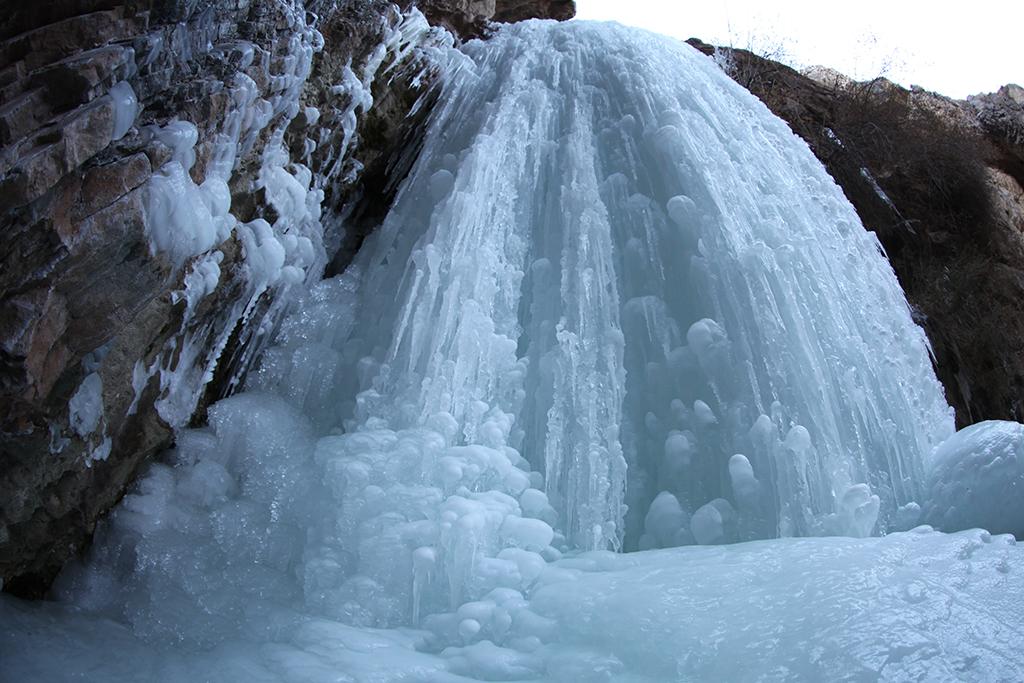
In winter you eat the same fish but in a different mood. The ice fishery pulls the catch straight onto the frozen surface, and temporary tent kitchens fry pike on the spot. I once ate a piece of pike that had been swimming that morning, cooked over a propane burner while a “fish chief” auctioned the first catch to a crowd with red noses and camera phones. It was, without exaggeration, the freshest fish of my life.
Outside the festival, look for dried fish (鱼干) sold from roadside stalls; it travels well and makes a salty souvenir.
Notes for a calm, cold-water trip
- Winter cold is no joke. Dress in layers, bring hand warmers, and keep phone and camera batteries inside your jacket; they die fast at minus thirty Celsius.
- Summer bugs. The reed beds mean mosquitoes at dawn and dusk. A decent repellent is not optional.
- Cash helps. Lakeside stalls and small boat operators often prefer cash or local payment apps over cards.
- Self-drive or tour. Public transport gets you to Fuhai but not onto the shore at the right hour. A car, or a licensed winter-festival tour, solves this.
- Time the festival. The ice festival usually lands in January; confirm the exact dates with the Fuhai tourism office before booking, as they shift year to year.
A two-night loop: water by day, ice by season
Here is the skeleton I would give a friend, adjustable to season:
Day 1. Fly or drive to Altay City, pick up a car, and roll into Fuhai before dark. Eat grilled fish, sleep in town.
Day 2. Dawn at the lakeshore, a morning boat or a walk along the reeds, the Fuhai fish lunch, then an afternoon on the beach or (in winter) the festival ice. Return to Fuhai for a hotpot dinner.
Day 3. A slow morning market, a last lakeside look, and the drive back toward Urumqi or onward into the Altai ranges.
In deep winter, swap the boat for the ice festival and add an extra night so you can be on the surface for the opening ceremony.
Things people ask before they go
Can I fish myself? Casual shore angling happens, but the commercial winter nets are a managed fishery, not a free-for-all. Ask at the lakeside offices about permits rather than assuming.
Is it worth visiting if I miss the festival? Absolutely. The summer lake is calm and uncrowded and, for my taste, more relaxing than the January spectacle.
How cold does it get? Winter daytime temperatures commonly sit between minus fifteen and minus thirty Celsius. If you have never experienced that, respect it.
Is the lake safe to walk on in winter? Only on the marked, fished sections where locals know the ice. Never walk onto unfamiliar ice alone.
A straight word before you book
The details above, the lake’s size, its role as a fishery, the fish species, the winter season, and the festival history, come from Fuhai County and Altay Prefecture tourism releases and Chinese news reporting on the harvest, including coverage of the 2025 festival. Opening dates, ticket arrangements, and the precise programme change from year to year, so treat anything time-specific as a planning estimate and confirm with the official Fuhai tourism channels before you travel. I have described my own visits honestly, but your experience will differ with the weather and the season, and that is rather the point.
About the writer
Karl Huang is a travel writer focused on Xinjiang and western China. He has driven the region’s highways and back roads for over a decade and writes the field guides for XinjiangAttractions.com. He has visited Ulungur Lake in both summer and winter and argues, mildly, that the summer version is underrated.
Questions travelers ask about Ulungur Lake
What is Ulungur Lake known for?
It is one of northern Xinjiang’s largest freshwater fishing lakes, famous for cold-water species such as 五道黑 (five-black perch) and a summer fish season.
How do I get to Ulungur Lake?
Drive from Fuhai (Burultokay) or Karamay; the lakeshore is roughly 30-40 km from Fuhai town, with a straightforward paved road to the shore.
When should I visit Ulungur Lake?
June to August for open-water boating and the fishing season; winter to see the frozen lake and ice-fishing. Spring and autumn are calm and quiet.