A 10-day Xinjiang itinerary is the sweet spot for a first serious trip: long enough to reach the far south and the mountains without rushing, short enough to keep momentum. This deep-dive loop runs from Urumqi east to Turpan, flies or drives south to Kashgar, dips to Hotan, and loops back through the Tian Shan grasslands. Below is a practical day-by-day plan with logistics and what to skip if you are short on time.
Why 10 days
Xinjiang is huge — distances between highlights are measured in hundreds of kilometres — so fewer than 10 days forces painful cuts. Ten days lets you see the three distinct faces of the region: the capital and Tian Shan (Urumqi, Heavenly Lake), the eastern oasis (Turpan’s ruins and vineyards), and the southern Silk Road (Kashgar’s bazaar, Hotan’s crafts). It also leaves slack for weather, trains and a rest day. If you have only a week, drop Hotan; if you have two weeks, add Yili or the north’s Kanas.
Day-by-day plan
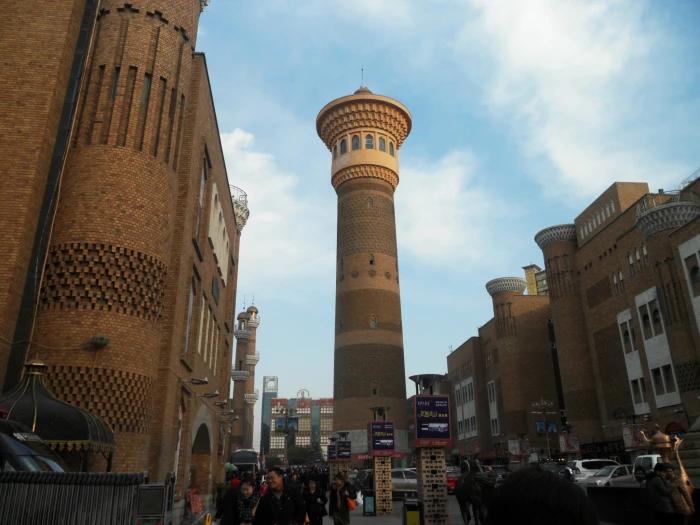
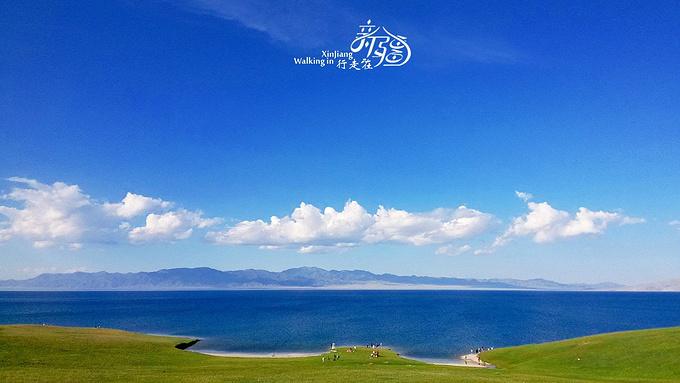
Days 1-2, Urumqi: arrive, see the regional museum, the International Grand Bazaar, and take a day trip to Heavenly Lake (Tian Chi) in the Tian Shan. Use the airport guide to plan arrivals.
Days 3-4, Turpan: train or drive east to Turpan. See the Gaochang ruins, the Tuyoq Valley, the Flaming Mountains, the Karez irrigation system and the grape valleys. Turpan is the hottest, driest, most fascinating oasis in the north.
Day 5, travel south: fly from Urumqi to Kashgar (the fast option) or take the long rail journey. Kashgar is the heart of the south.
Days 6-7, Kashgar: explore the old town, the Sunday livestock and general bazaar, the Kazanqi-style neighbourhoods, and the Karakul Lake day trip beneath Muztagh Ata. Eat well and shop the carpets and jade.
Day 8, Hotan: fly or drive south to Hotan for the jade market, carpets and the dried fruit. Overnight.
Day 9, return north: fly back toward Urumqi (via Kashgar or direct), or continue east. Use the airport guide for connections and the visa and permits page for any border-area plans.
Day 10, buffer: a rest day in Urumqi, a shipping run for souvenirs, or a final bazaar. Fly out.
Getting around
Mix trains, flights and the occasional driver. Flights save days on the long north-south leg; the southern railway is scenic but slow. Self-driving the expressways is easy and flexible if you hold the right licence and the permits. Book the Kashgar–Hotan and Urumqi flights early in peak season.
What to pack
Xinjiang swings from hot deserts to cool mountains, so layers, sun protection, a windproof jacket and comfortable shoes cover most cases. Carry your passport and any permits at all times, and keep digital copies. A refillable bottle and lip balm help in the dry air. A translation app with offline Chinese and Uyghur packs smooths market and taxi interactions outside the biggest cities, and a power bank is essential because long drives between charges are the norm on this loop.
Food on the road
You will eat very well: polu, laghman, kawap, nang and the region’s dried fruit and nuts. The bazaars are the best cheap meals; the museums and the Kashgar market are the best cultural fix. Budget-minded travellers will find Xinjiang surprisingly affordable outside the international hotels. Vegetarians do fine on noodles, bread, melon and the region’s dried fruit, but mention dietary needs clearly, as meat is central to most dishes and hidden in stocks and fillings.
A practical 10-day checklist
Before you book: fix the inbound and outbound Urumqi flights first; reserve the Kashgar and Hotan hotels for peak season; pre-book the Karakul Lake day trip; keep a permits note for any restricted county; and build in one buffer day. Ten days goes fast — protect the plan from over-ambition.
FAQ
Is 10 days enough for Xinjiang?
For a first trip hitting Urumqi, Turpan, Kashgar and Hotan, yes. For the far north (Kanas) or Yili, add days or save them for next time.
Fly or train between north and south?
Fly to save time; the southern railway is scenic but long. The airport guide has the routes.
What if I only have a week?
Drop Hotan and focus on Urumqi, Turpan and Kashgar — still a strong trip.
Getting around on the loop
The loop mixes modes. Urumqi, Turpan, Kashgar and Hotan all have airports, so flying the long legs saves days; the southern railway is scenic but slow, good if you want the journey. Within cities, taxis and ride-hail are cheap; for Turpan’s scattered sites and the Kashgar–Karakul day trip, a driver or tour is the practical choice. The airport guide is your friend for stitching the route together, and the visa and permits page covers any restricted areas you might touch. Book the Kashgar–Hotan and Urumqi flights early in peak season, as they fill.
Money, SIMs and practicalities
China’s mobile payments run the show; carry some cash for tickets and stalls, and fund a major-card ATM in Urumqi before heading south. A SIM or eSIM with offline maps is essential in the desert stretches. Keep your passport on you always — hotels and many sites check it — and photograph the permit rules if you venture toward borders. Travel insurance that covers remote areas is worth it given the distances.
What to buy on the way
This loop is a shopping education: carpets and jade in Kashgar and Hotan, dried fruit and nuts across the south, and shipping a rug home is easier than carrying it. Budget for a couple of genuine souvenirs rather than many trinkets. The bazaars — above all the Kashgar Sunday market — are the highlight; go early and bargain with a smile.
Common mistakes to avoid
The first mistake is overpacking the 10 days — Xinjiang’s distances are real, and adding Kanas or Yili on top of Urumqi–Turpan–Kashgar–Hotan turns a good trip into a bus marathon. The second is skipping the buffer day; trains delay, weather closes passes, and a rest day saves the trip from unravelling. The third is underestimating the heat (Turpan) and cold (Karakul Lake) in the same week — pack real layers. The fourth is not booking the Kashgar–Hotan and Urumqi flights early in peak season, when they fill and prices rise. And do not treat the bazaars as photo ops only; the food and the bargaining are the experience, and the early morning is when they are best, so set an alarm at least once.
Seasonal adjustments to the plan
In spring (April to May), swap the Hotan day for more Turpan blossom time and watch for sandstorms on the desert drive. In summer, push outdoor time to early morning and evening and carry far more water for Turpan. In autumn (September to October), the north is golden and the south still warm — the ideal window, and the time to keep the National Day week clear. In winter, drop Karakul Lake (road and lake trips may close with snow) and lean into Urumqi’s museums and the Kashgar old town’s indoor life. The plan above is a summer-and-autumn skeleton you can season to the calendar, and the buffer day is what makes those shifts painless rather than stressful.
Budget reality for 10 days
Xinjiang is good value outside international hotels. Expect modest mid-range hotels (roughly ¥250–450 per night in 2026), cheap and filling bazaar meals (¥20–50), and domestic flights that are the biggest single cost on the long north–south leg — book early for lower fares. The Kashgar–Karakul day trip and any private driver are the other variable costs; trains are cheaper but slower, and a driver buys you time at the sights. Two genuine souvenirs — a carpet or a piece of jade, plus the excellent dried fruit — beat a suitcase of trinkets, and shipping a rug home is easier than carrying it. Budget a comfortable margin for the flights and you will find the rest of the loop surprisingly affordable for the scale of what you see.
When not to go
Winter (December to February) is brutally cold and some mountain roads and the Karakul Lake day trip can close with snow; the desert sights stay open but the comfort drops. The spring sandstorm season and the summer heat (Turpan especially) are the other caveats. The sweet spots are May to June and September to October — green north, warm south, and manageable crowds. Avoid the week of the October National Day holiday if you can, as domestic tourism peaks.
Etiquette and safety
Xinjiang is safe for travellers who respect local norms: dress modestly at religious and old-town sites, ask before photographing people, and be patient at checkpoints. Carry your passport, follow the permit rules, and keep digital and paper copies. The distances are the real challenge — build in rest, water and a buffer day, and the trip is smooth.
Further reading: route ideas build on the Wikipedia Xinjiang page, and logistics are on Travel China Guide.