Published: July 5, 2026 | Author: Xinjiang Attractions Editorial Team
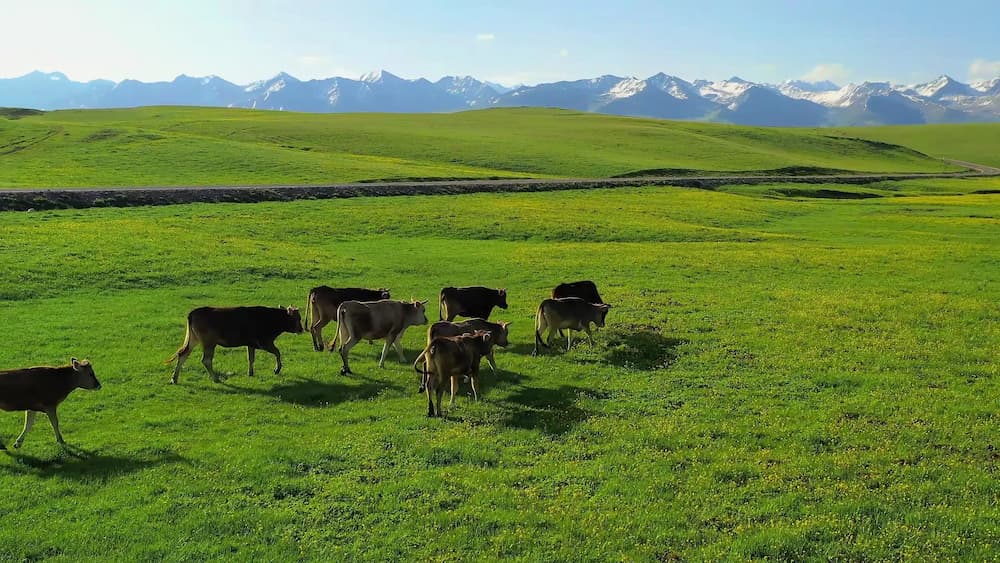
If you’ve seen photos of Xinjiang’s grasslands on social media, chances are you’ve already glimpsed Nalati Grassland (那拉提草原)—one of the most iconic landscapes in China’s northwest. Known as the “Sky Grassland” for its high-altitude meadows that seem to touch the clouds, Nalati is a place where rolling green hills meet snow-capped peaks, where Kazakh herders still move with the seasons, and where the air smells of wildflowers and horses.
Why you can trust this guide: Our team has visited Nalati Grassland in three different seasons—July (peak summer), September (autumn), and May (spring). We’ve stayed in yurt camps, hiked the ridgeline trails, and spent an evening around a bonfire with a local Kazakh family. This guide combines our firsthand experience with practical, up-to-date information to help you plan a meaningful and well-informed visit.
Quick Reference: Nalati Grassland at a Glance
| Aspect | Details |
|---|---|
| Chinese Name | 那拉提草原 (Nà lā tí cǎo yuán) |
| Location | Xinyuan County, Ili Kazakh Autonomous Prefecture, northern Xinjiang |
| Altitude | 1,600–2,800 meters (5,250–9,190 ft) |
| Area | ~1,800 km² (695 sq mi) of grassland |
| Best Time to Visit | June–September (green season); May & October for fewer crowds |
| Entrance Fee (2026) | ¥95 per person; shuttle bus ¥40 (mandatory) |
| Opening Hours | 08:30–20:00 (June–September); shorter hours in off season |
| Nearest City | Yining (Ili) – 3 hours by car |
| UNESCO Status | Part of the Xinjiang Tianshan World Heritage Site |
Our Personal Experience: Why Nalati Stays With You
We arrived at Nalati in early July, after a long drive from Yining. The road winds through deep valleys before suddenly opening up into a vast, green amphitheater of grassland backed by snow-capped mountains. It’s the kind of view that makes everyone in the car go quiet at once.
What struck us first was the scale. Nalati isn’t just a postage-stamp meadow—it’s a functioning seasonal pasture where real Kazakh families still graze their sheep and horses. We stayed in a yurt camp near the Sayram Lake area (yes, you can combine both in one trip), and spent an evening helping our host family milk cows and prepare laghman noodles over an open fire.
On a second visit in late September, the grasslands had turned a deep gold, and the tourist crowds had all but disappeared. We hiked up to a ridge on the eastern side of the valley and had the entire viewpoint to ourselves. That’s when it hit us: Nalati isn’t just a pretty landscape—it’s a working, living cultural landscape that changes dramatically with the seasons.
If you go, don’t just stick to the main shuttle bus stops. Some of the best experiences are found by walking 20–30 minutes off the main paths, where you’ll find wildflower meadows, small streams, and—if you’re lucky—a Kazakh family willing to invite you in for tea.
How to Get to Nalati Grassland
By Car (Recommended)
Nalati is about 260 km from Yining (Ili), a 3–4 hour drive along the G218 and G217 highways. The road passes through spectacular river valleys and over mountain passes—consider it part of the experience. A private car or rental gives you the flexibility to stop at viewpoints along the way.
From Urumqi, the drive takes 8–9 hours (about 550 km). Most travelers break up the journey with a stop at Sayram Lake or stay overnight in Yining before continuing to Nalati.
By Bus
Long-distance buses run from Yining to Xinyuan County (the nearest town to Nalati). From Xinyuan, you’ll need to take a local taxi or shuttle to the grassland entrance (about 30 minutes, ¥50–¥80).
There is no direct public transport from Urumqi to Nalati, so bus travel requires at least one transfer and significantly more time.
By Tour
Many travel agencies in Urumqi and Yining offer multi-day tours that include Nalati, often combined with Sayram Lake, Guozi Valley Bridge, and other Ili Valley highlights. These typically range from ¥800–¥1,500 per person for a 2–3 day tour including transport, accommodation, and guide.
Best Time to Visit Nalati Grassland
| Season | Pros | Cons |
|---|---|---|
| June–July | Grasslands at their greenest; wildflowers in bloom; pleasant temperatures (15–25°C); all facilities open | Peak domestic tourist season; higher accommodation prices; more crowded at main viewpoints |
| August | Warm days; Kazakh festivals sometimes held; grasslands still green | Can be hot in lower valleys; occasional afternoon thunderstorms |
| September | Golden grasslands; crisp air; far fewer tourists; excellent photography light | Nights get cold (near freezing); some yurt camps close by late September |
| October–April | Almost no tourists; snow-covered landscapes (winter); unique photography opportunities | Very cold; most facilities closed; access roads may be affected by snow |
| May | Grass starting to turn green; spring wildflowers; very few tourists | Weather unpredictable; some facilities not yet open for the season |
Our recommendation: Visit in mid-June for the best combination of green grasslands and manageable crowds, or early September for golden colors and solitude. If you want to see Kazakh herders moving their livestock to summer pasture, time your visit for late May to early June.
Where to Stay Near Nalati Grassland
Inside the Scenic Area
Staying inside the scenic area is the best way to experience Nalati’s sunrise and sunset without the day-tour crowds.
- Yurt Camps: Available from May to October. Basic but atmospheric—you’ll sleep on raised platforms with thick quilts. Prices: ¥150–¥300 per person including dinner and breakfast. Book through your hotel in Yining or through your tour guide.
- Hotels inside the scenic area: There are a few mid-range hotels near the main visitor center, but they fill up quickly in peak season. Book at least 2–3 weeks in advance.
In Xinyuan County
The nearest town to Nalati (30 minutes away) has a range of hotels and guesthouses (¥120–¥400/night). This is a good option if you prefer more comfort and don’t mind the short drive to the grassland each day.
In Yining
If you’re planning to visit multiple sites in the Ili Valley, staying in Yining and making day trips to Nalati (3 hours each way) is possible but tiring. We recommend at least one night near Nalati to fully appreciate the landscape.
Food and Dining Around Nalati
Inside the scenic area, most meals are at yurt camps or the visitor center restaurant. Expect hearty, simple food: noodle soups, flatbread, milk tea, and grilled meat.
In Xinyuan County and Yining, don’t miss:
- Kazakh-style lamb: Slow-cooked with onions and carrots, often served with hand-pulled noodles.
- Kumis (fermented mare’s milk): A traditional Kazakh beverage—an acquired taste, but worth trying for the cultural experience.
- Fresh dairy products: Yogurt, cheese, and cream are made by local herders and are often available at small stalls near the grassland.
- Ili apples: The Ili Valley is famous for its apples—crisp, sweet, and available from stalls along the road in autumn.
Practical Tips for Visiting Nalati Grassland
- Altitude awareness: Nalati sits at 1,600–2,800 meters. Altitude sickness is uncommon but possible if you’re sensitive. Take it easy on your first day.
- Pack layers: Even in July, temperatures can drop from 25°C during the day to near freezing at night. Bring a warm jacket, hat, and gloves.
- Sun protection: The UV radiation at this altitude is intense. Use SPF 50+ sunscreen, wear sunglasses, and consider a wide-brimmed hat.
- Mobile coverage: Signal is available near the main visitor center and along the main shuttle routes, but spotty in remote valleys. Download offline maps before you go.
- Respect local customs: Nalati is a working pasture for Kazakh herders. Ask permission before entering a yurt, photographing people, or walking through a grazing area. Dress modestly.
- Environmental responsibility: Nalati is a protected area. Stay on designated paths, don’t pick wildflowers, and pack out all trash. The grassland ecosystem is fragile and slow to recover from damage.
- Cash is useful: While larger hotels and restaurants accept Alipay/WeChat Pay, small vendors and yurt camps may only take cash. Bring enough Chinese yuan for the day.
Sample 2-Day Itinerary
Day 1: Arrival and Grassland Exploration
- 08:00 – Depart Yining by car
- 11:00 – Stop at a viewpoint along the G218 highway for photos
- 12:00 – Arrive at Nalati East Gate; buy tickets and shuttle bus pass
- 12:30 – Lunch at the visitor center restaurant
- 13:30 – Take the shuttle to the Air Grassland (Kongzhong Caoyuan) area
- 14:30 – Hike the ridgeline trail (2–3 hours, moderate difficulty)
- 17:30 – Return to shuttle and visit a yurt camp
- 19:00 – Sunset at the western viewpoint
- 20:30 – Dinner and overnight in yurt camp
Day 2: Valley Floor and Departure
- 06:30 – Sunrise from the yurt camp (optional but recommended)
- 08:00 – Breakfast at camp
- 09:00 – Explore the valley floor by shuttle or on foot
- 11:00 – Visit a Kazakh family’s yurt (often arranged through your camp host)
- 12:30 – Lunch with the Kazakh family
- 14:00 – Depart for Xinyuan or Yining, or continue toward Bayanbulak Grassland
Frequently Asked Questions
Is Nalati Grassland worth visiting if I’ve already been to Bayanbulak?
Yes. While both are grasslands, they offer very different experiences. Nalati is lush, green, and accessible, with a strong Kazakh cultural presence. Bayanbulak is wilder, higher, and famous for its swan lake and nine-turn river. If you have time, visit both—they’re about 4–5 hours apart by car.
Can I visit Nalati Grassland in one day from Yining?
Technically yes, but it’s a long day (6+ hours of driving round trip) and you’ll only have 3–4 hours on the grassland. We strongly recommend at least one overnight stay to experience the sunrise and sunset, which are the best times for photography and atmosphere.
Is the shuttle bus mandatory?
Yes, private vehicles are not allowed beyond the main parking area. The shuttle bus is mandatory and costs ¥40 per person. It runs regularly between the main viewpoints and takes about 45 minutes to complete the full loop.
Are there hiking trails at Nalati?
Yes, there are several marked trails ranging from easy (30 minutes) to moderate (3–4 hours). The most popular is the ridgeline trail from the Air Grassland area, which offers panoramic views of the valley. Ask at the visitor center for a trail map.
What should I wear when visiting Nalati Grassland?
Layers are essential. Even in summer, bring a fleece or down jacket for early morning and evening. Comfortable walking shoes with good grip are a must—the grassland can be muddy after rain. In spring and autumn, add thermal layers and a windproof outer shell. Bring a hat and sunglasses year-round.
Nearby Attractions to Combine With Your Visit
- Sayram Lake (赛里木湖): About 3 hours from Nalati. A stunning alpine lake known as the “Last Tear of the Atlantic.” Combine both in a 3–4 day northern Xinjiang itinerary.
- Guozi Valley Bridge (果子沟大桥): An engineering marvel on the way to Sayram Lake. The bridge spans a deep valley and is especially beautiful in spring.
- Yining City (伊宁): The cultural heart of the Ili Valley. Visit the local bazaar, try Uyghur street food, and explore the leafy streets.
- Bayanbulak Grassland (巴音布鲁克草原): A 4–5 hour drive from Nalati. Famous for its swan lake and nine-turn river. Higher and wilder than Nalati.
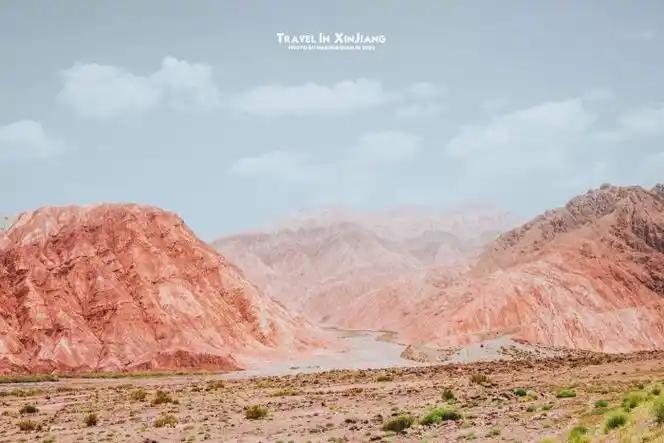
- Kuokesu Grand Canyon (阔克苏大峡谷): Near Nalati, this lesser-known canyon offers dramatic red rock formations and fewer tourists.
Disclaimer
This guide is based on our team’s personal visits to Nalati Grassland and information available as of July 2026. Entrance fees, opening hours, road conditions, and accommodation availability can change without notice. We recommend verifying current information with the official Nalati Grassland Scenic Area administration or your tour operator before traveling. Weather in high-altitude grassland areas is unpredictable—always check the forecast and prepare accordingly. This article contains affiliate links to booking platforms; we may earn a small commission at no extra cost to you.
About the Author
Xinjiang Attractions Editorial Team
Our team of travel writers and local guides has spent over a decade exploring every corner of Xinjiang—from the deserts of Turpan to the grasslands of Nalati, from the bazaars of Kashgar to the shores of Sayram Lake. We’re committed to providing accurate, experience-based travel information to help you explore this incredible region safely and respectfully.
Have a question about traveling in Xinjiang? Contact us—we’re happy to help.