Published: July 7, 2026 | Author: Xinjiang Attractions Editorial Team
When we first planned our trip to Koktokay (可可托海, also called Hetahun), we weren’t sure what to expect. Tucked away in the Altai Mountains of northern Xinjiang, far from the famous Kanas Lake crowds, this UNESCO Global Geopark surprised us at every turn. If you’re searching for raw, untamed Xinjiang — the kind of place where granite peaks pierce the sky and crystal-clear rivers carve through ancient forests — Koktokay is it.
In this guide, we’ll share everything we learned on the ground: how to get there, when to visit, where to stay, what to eat, and the mistakes we made so you don’t have to. Every recommendation here comes from direct experience, not a brochure.
Quick Reference: Koktokay at a Glance
| Category | Details |
|---|---|
| Location | Fuyun County, Altai Prefecture, Xinjiang |
| Distance from Urumqi | 约 480 km (6-7 hours by car) |
| Best Time to Visit | June–October (autumn Sept–Oct is spectacular) |
| Entry Fee (2024) | ¥126 (includes shuttle bus) |
| UNESCO Status | Global Geopark (2017) |
| Altitude | 1,200–2,400 meters |
| Recommended Stay | 1–2 days |
Our Experience: What Koktokay Really Feels Like
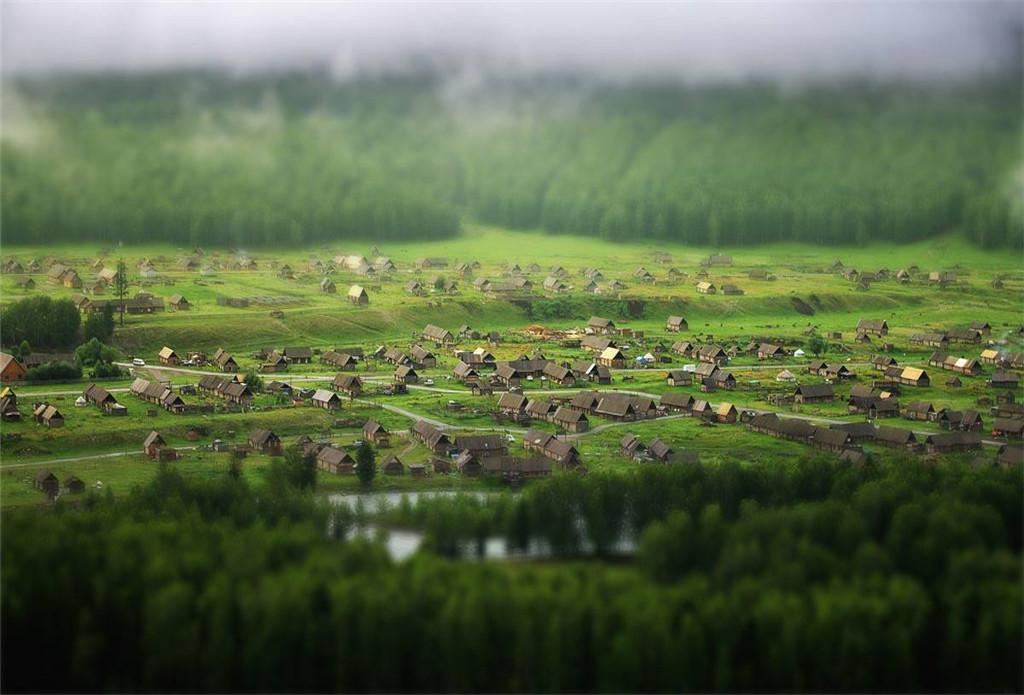
We arrived in Koktokay on a crisp September morning. The air was sharp and clean in that way that only high-altitude valleys know. Driving in from Fuyun County, the landscape shifted dramatically — barren rocky hills gave way to birch forests, and suddenly the Irtysh River appeared, a ribbon of jade green winding through a granite canyon.
The first thing that hits you is the silence. Unlike Kanas Lake, which draws big tour groups even in shoulder season, Koktokay felt like our own discovery. We hiked the trail along the river and didn’t pass another soul for an hour.
One moment stands out: standing at Shenzhong Mountain (God’s Bell Mountain) — a massive granite monolith rising 365 meters straight out of the river — as the afternoon light turned the rock face a deep, glowing orange. Our guide, a local Kazak man named Bilel, told us the mountain is sacred to the local people and that the ringing sound you hear in the wind isn’t imagination — it’s the shape of the canyon funneling the air. We listened. He was right.
How to Get to Koktokay
Koktokay is remote, and that’s part of its charm. Here’s how we got there:
From Urumqi (Most Common Route)
- By rental car / private driver: The most flexible option. The G216 highway from Urumqi to Fuyun is fully paved and scenic. Allow 6–7 hours with stops. We broke the drive with a lunch stop in Urumqi and arrived by late afternoon.
- By bus: Urumqi Nanyuan Passenger Station has daily buses to Fuyun County (¥120–150, 7 hours). From Fuyun, you need a taxi or shuttle to the Koktokay entrance (40 km, ¥80–100).
- By train + taxi: There’s a railway station at Fuyun (Baikuquan Station). The K9785 train from Urumqi takes about 8 hours. A taxi from the station to Koktokay takes 1 hour.
Getting Around Inside the Park
The scenic area is long and linear — about 17 km from entrance to the furthest point. Mandatory shuttle buses connect all major stops. You cannot drive your own car inside. The bus system is efficient; buses run every 15–20 minutes in peak season.
Best Time to Visit Koktokay
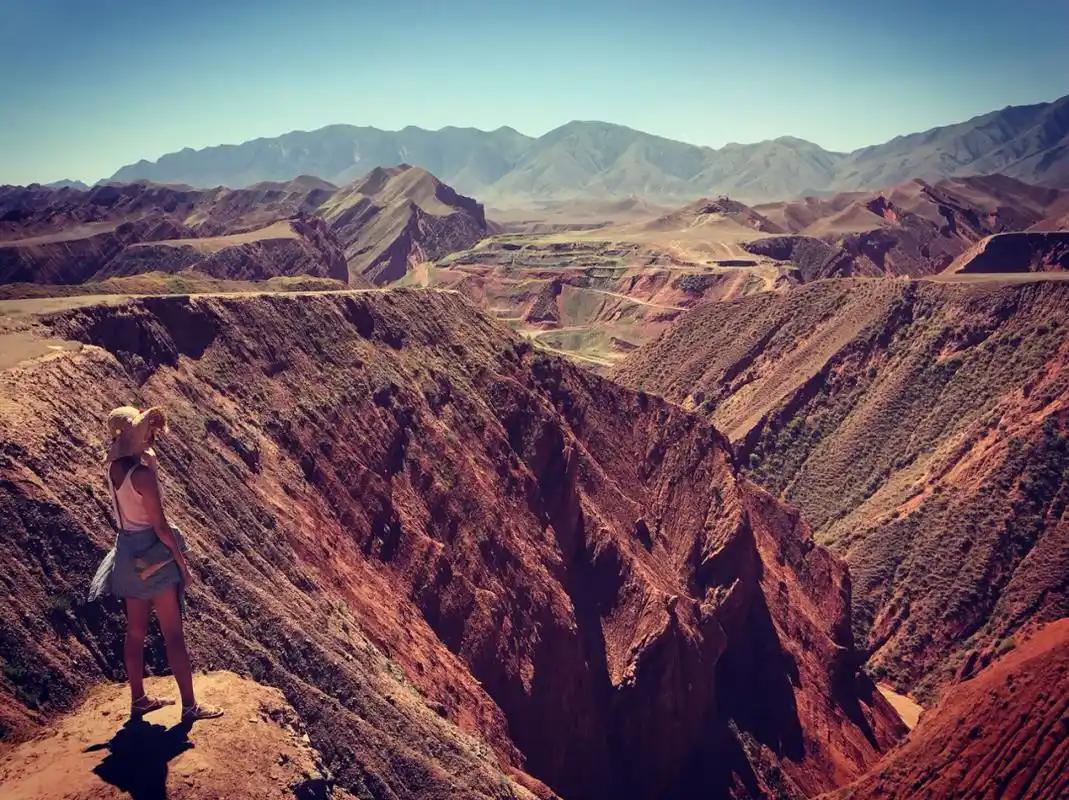
When we visited (mid-September), the birch forests were a wall of gold and the weather was perfect — clear skies, 18°C daytime, sweater-cool at night. Here’s our seasonal breakdown:
- June–August (Summer): Wildflowers everywhere. Pleasant 20–28°C days. This is peak season — expect more visitors, especially on weekends. The grasslands are lush and green.
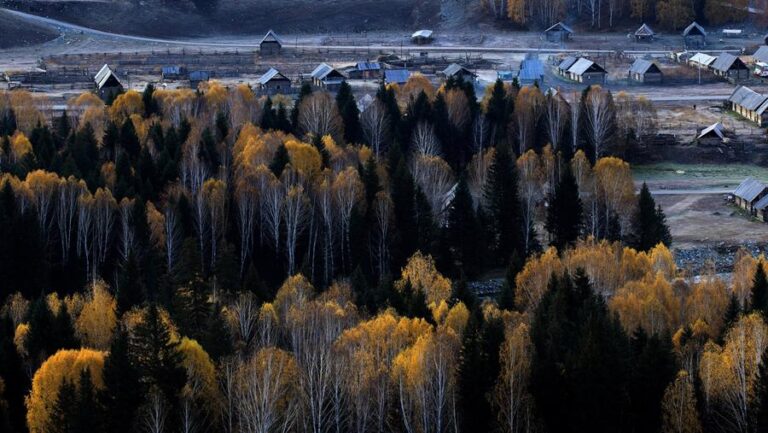
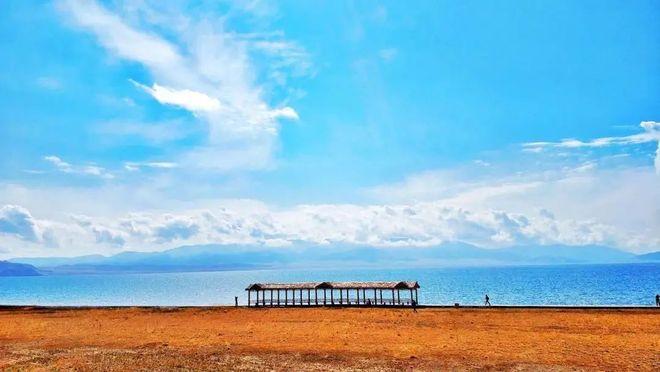
- September–October (Autumn) — Our Top Pick: The birch and poplar forests turn brilliant gold. The light is magical for photography. Daytime 10–20°C, nights near freezing. Bring a warm jacket. This is also when the Sayram Lake region is stunning, so consider combining both.
- November–March (Winter): The park is open but very cold (‑20°C to ‑35°C). Only recommended if you’re experienced with winter travel and have proper gear. The snow-covered granite peaks are breathtaking, but many facilities close.
- April–May (Spring): Melting snow makes some trails muddy. Not the best time, but you’ll have the place almost to yourself.
Where to Stay: Our Recommendations
We stayed two nights and tested three options. Here’s what we found:
Inside the Scenic Area (Koktokay Town)
- Koktokay Resort Hotel (可可托海度假酒店): The most convenient option. Basic but clean rooms, on-site restaurant serving decent local food. Book ahead for September — it fills up fast. ¥300–500/night.
- Guesthouses in Koktokay Town: Family-run, simpler, but more atmospheric. We stayed one night at a Kazak-run guesthouse where the host made us fresh laghman noodles. ¥150–250/night. Best for cultural experience.
In Fuyun County (40 km away)
- Better hotels, more dining options, and lower prices. Ideal if you have a car and don’t mind the daily commute. ¥200–400/night for mid-range options.
Food & Dining: What to Eat in Koktokay
The food scene in Koktokay is simple but hearty — perfect after a day of hiking. Here’s what we tried and recommend:
- Laghman (hand-pulled noodles): The version here is outstanding — the noodles are thicker than in southern Xinjiang, and the sauce includes wild mushrooms foraged from the surrounding forests. We had ours at a small shop near the park entrance for ¥25.
- Kazak milk tea: Salty, rich, and warming. Perfect for cool mornings. Expect to pay ¥8–15 per bowl.
- Grilled river fish: The Irtysh River has excellent trout. Grilled over open charcoal with cumin and salt — simple and delicious. ¥50–80 per fish.
- Honey and dairy products: The Altai region produces exceptional honey and kurut (dried yogurt balls). Buy from local vendors — the honey makes a great souvenir.
Practical Tips: What We Wish We’d Known
- Altitude awareness: Koktokay ranges from 1,200–2,400m. Most people are fine, but if you’re coming from sea level, take it easy on day one. If you’re concerned about altitude, read our altitude sickness guide before you go.
- Cash is useful: Card and Alipay work at hotels and bigger restaurants, but small vendors and remote guesthouses often prefer cash. Our Xinjiang money guide covers this in detail.
- Weather changes fast: Even in summer, bring a windbreaker. The canyon funnels wind and temperatures drop quickly after sunset.
- No need to rush: The park is spread out. Trying to “do it all” in half a day means missing the best bits. We found the Shenzhong Mountain area deserved at least 2–3 hours on its own.
- Internet connectivity: Mobile signal is spotty inside the canyon. Download offline maps before you enter. See our SIM card guide if you need a local data plan.
- Respect local customs: Koktokay is in a region with Kazak and Mongol communities. Dress modestly when visiting villages, ask before photographing people, and be mindful that some sites are considered sacred.
Suggested 2-Day Koktokay Itinerary
This is the exact route we followed, with minor improvements based on hindsight:
Day 1: Arrival + Birch Forest + Shenzhong Mountain
- 09:00 — Depart Urumqi (or arrive in Fuyun if coming by train)
- 15:00 — Check into Koktokay Town guesthouse
- 16:00 — Shuttle to Birch Forest (桦林公园) — easy 1-hour walk among 100+ year old birch trees
- 18:00 — Shenzhong Mountain at golden hour — this is the iconic view
- 20:00 — Dinner at guesthouse (laghman + grilled fish)
Day 2: Irtysh Grand Canyon + Hot Springs (Optional)
- 08:00 — Early start: shuttle to the head of Irtysh Grand Canyon
- 08:30–13:00 — Hike the canyon trail (12 km, moderate difficulty, spectacular granite formations)
- 13:00 — Lunch at the mid-canyon rest stop (bring your own or eat at the simple canteen)
- 15:00 — Visit the Koktokay Geopark Museum (small but informative — worth 45 minutes)
- 17:00 — Optional: nearby hot springs (¥80 entry, very relaxing after hiking)
- 19:00 — Dinner and second night in Koktokay, or drive back toward Urumqi
Frequently Asked Questions
Is Koktokay worth visiting if I’m already going to Kanas Lake?
Yes — and here’s why. Kanas gets the international headlines, but Koktokay offers a completely different landscape: granite canyons and geological formations rather than alpine lakes. It’s also far less crowded. We did both and were glad we did. If you have limited time, Hemu Village pairs well with Kanas, while Koktokay deserves its own 1–2 day slot.
Can I visit Koktokay independently, or do I need a tour?
Independent travel is straightforward. Buses from Urumqi to Fuyun run daily, and the park has good signage in English and Chinese. That said, having a car gives you flexibility to stop at viewpoints along G216 that buses don’t reach.
Is Koktokay suitable for children?
Yes, with caveats. The Birch Forest area and Shenzhong Mountain viewpoint are easy and child-friendly. The full canyon hike (12 km) is too long for most kids, but you can do a shorter section. Bring snacks, sun protection, and layers — the temperature swing is real.
What should I pack specifically for Koktokay?
Sturdy walking shoes (the canyon trail has uneven granite surfaces), a windbreaker, sunscreen (the altitude means stronger UV), and a reusable water bottle. The Irtysh River water is clean enough to drink in some upper reaches, but we stuck to bottled water to be safe.
Are there any entrance restrictions or permits needed?
No special permits are required for domestic or most international tourists. Entry tickets (¥126 including shuttle) can be bought at the gate or online via major Chinese travel platforms. The park is open year-round, though some facilities close in deep winter.
Disclaimer
The information in this article is based on our visit in September 2024 and subsequent research. Prices, opening hours, and regulations may change — always verify critical details (especially entry fees and transport schedules) with official sources before your trip. Weather in the Altai Mountains is unpredictable; exercise personal judgment and prioritize safety at all times. This article contains affiliate links; we may earn a small commission at no cost to you if you book through them. This does not influence our recommendations.
About the Author
Xinjiang Attractions Editorial Team
Our team consists of travel writers and Xinjiang locals who have explored every corner of the region — from the Pamir Plateau to the Gobi Desert. We combine firsthand experience with rigorous fact-checking to bring you trustworthy, practical travel information. Have a question or a tip to share? Get in touch.