Published: July 16, 2026 | Author: Karl Huang
The first time someone told me there was a freshwater lake bigger than most cities sitting in the middle of the desert near Korla, I assumed they meant a reservoir. I was wrong. Bosten Lake is the largest inland freshwater lake in Xinjiang, ringed by reed marshes on one side and open sand on the other, and it caught me completely off guard. I drove out from Korla one September morning expecting a quick photo stop and ended up staying until dark. This guide pulls together what I learned that day and on a return trip the next summer, so you can plan a visit that is worth the detour.
Why you can trust this Bosten Lake guide
I paid my own way both times, hired local drivers, and asked a lot of questions of the people who actually work the lake, mostly fishermen and the staff at the Golden Beach resort. Where a fee or a boat schedule can change, I flag it instead of pretending it is fixed. I am a travel writer, not a tour seller, so nothing here is trying to talk you into a package. If a part of the lake underwhelmed me, I say that too.
Bosten Lake at a glance
| Feature | What to expect |
|---|---|
| Location | Bohu and Yanqi counties, Bayingol Prefecture, about 60 km from Korla |
| Size | Roughly 1,000 sq km — the largest inland freshwater lake in Xinjiang |
| Main areas | Golden Beach (Jinsha) on the sandy shore; Lotus Lake and reed wetlands to the west |
| Entry fee | Golden Beach scenic area around 60–70 yuan; boat rides extra |
| Best window | June to October; lotus peaks in July and August |
| Getting there | Car or taxi from Korla, about 1 to 1.5 hours |
| Time needed | Half a day minimum; a full day if you want both shores |
What the lake is actually like
Bosten has two faces and they do not look like the same place. On the eastern side, the Golden Beach area, the water meets fine sand and the whole thing reads like a seaside resort dropped into central Asia. There were families with inflatable rings, a couple of jet skis, and a row of shaded loungers. Fun, a little kitschy, and busier than I expected on a weekday.
The western side is the one that stayed with me. That is where the Kaidu River feeds in and the reeds take over, thousands of hectares of them, tall enough to hide a boat. We took a small motorized skiff through the channels and the noise of the resort vanished within minutes. In late summer the lotus beds open in wide pink stretches, and the light off the water in the last hour before sunset was the reason I missed dinner. If you only have time for one side, go west.
A bit of context helps you appreciate the place. Bosten sits in a basin fed mainly by the Kaidu River, and its overflow drains toward the Konqi River and, historically, the Tarim system. That inflow-outflow balance is what keeps it fresh rather than salty like so many of Xinjiang’s other basins. Locals told me the reed harvest here is one of the largest in the country, cut in winter and used for paper and matting. Knowing the water is alive with fish, birds, and a working reed economy made the boat ride feel less like a theme park and more like a real corner of the region.
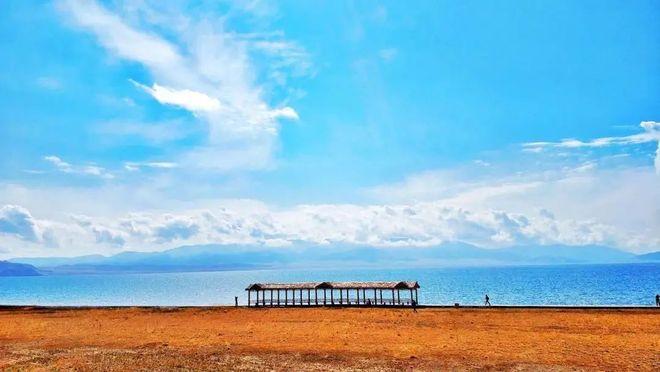
How to get to Bosten Lake
Almost everyone comes through Korla, the regional hub. If you are arriving from Urumqi, the high-speed rail to Korla is the easy option, then a car for the last stretch to the lake. From Korla it is roughly an hour to the Golden Beach gate; the reed and lotus areas near Bohu county take a little longer. I hired a driver for a flat day rate, which made sense because taxis do not wait around out there and hailing one back is a gamble.
Spend a night in Korla before or after. It is a comfortable base with real hotels and good food, and it sets you up for an early start, which matters if you want the reeds before the tour groups.
Best time to visit
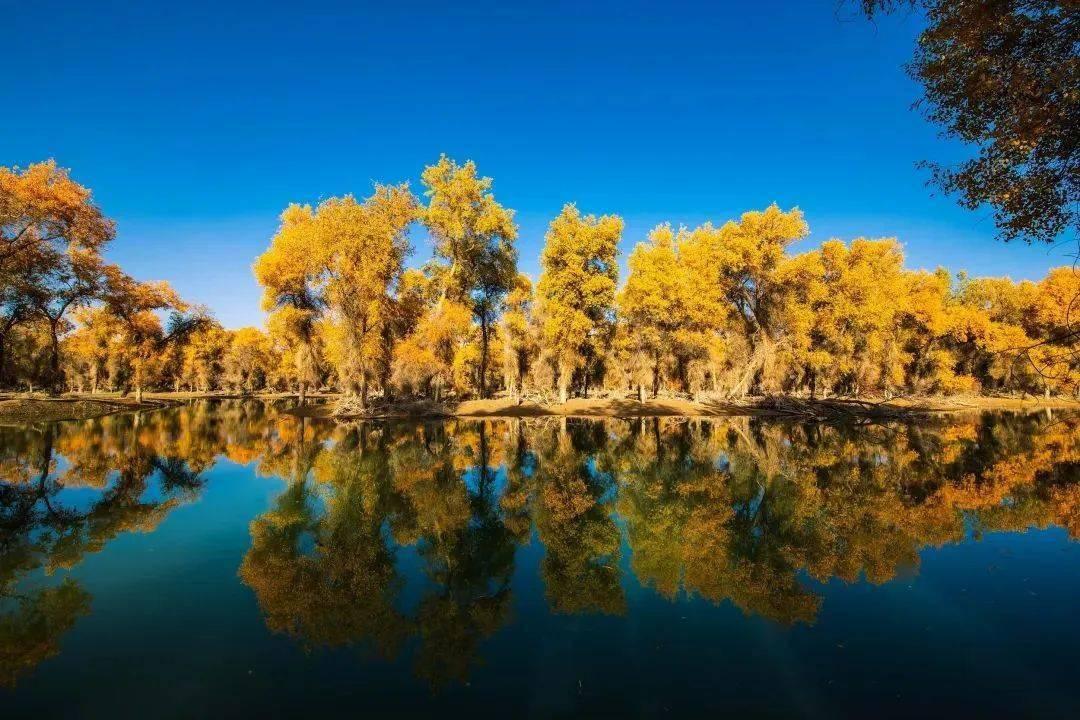
June through October is the window. July and August bring the lotus bloom and the warmest water for swimming at Golden Beach, but they also bring the crowds and the heat, which can push past 35°C at midday. September is my pick: the lotus is fading but the reeds turn gold, the light is softer, and the weekday quiet returns.
Winter is a different animal. The lake partly freezes and swans arrive, which draws photographers, but the wind off the water is brutal and most of the boat services shut down. Unless you are chasing birds with a long lens, I would not plan a winter trip around it.
Where to stay
Korla has the widest range of rooms, from business hotels near the station to cheaper guesthouses in the older streets. That is where I stayed both times and I would do it again. There are also a handful of lakeside hotels and yurt-style camps at Golden Beach for people who want to wake up to the water; they are pricier and book out on summer weekends, so reserve ahead. Bohu county town, near the reed wetlands, has basic guesthouses if you want to be first on the western boats.
If your trip continues north into the mountains, the grasslands at Bayanbulak sit in the same prefecture and make a natural next stop, though the drive is long.
What to eat
Bosten is a working fishery, so eat the fish. The lakeside restaurants do a whole grilled or braised catch, often a local carp, and it is fresh in a way I rarely find inland. At a small place near Golden Beach we had fish cooked simply with cumin and chili plus a plate of hand-pulled noodles, and it cost less than a coffee back home. Korla itself is famous for its fragrant pears, so grab a bag from a street vendor; they actually taste like the reputation.
Carry water and snacks for the boat trips. Once you are out in the reeds there is nothing to buy, and the sun on open water is stronger than it feels.
Practical tips before you go
- Go west for scenery, east for swimming. Decide before you buy tickets, because the two areas are a drive apart.
- Start early. The reed channels are calm and empty in the morning and busy by noon.
- Bring sun protection. There is almost no shade on the water and the glare is real.
- Carry cash. Card and Alipay work at the main gates, but small boat operators and food stalls often prefer cash.
- Confirm boat prices first. Rates for the skiffs are negotiable and vary by season; agree before you step in.
Sample itineraries
Half-day version
Leave Korla mid-morning, spend a few hours at Golden Beach for the swim and the easy views, and head back for a late lunch. Fine if the lake is a stopover rather than the goal.
Full-day version (what I did)
Early car from Korla to the western reed wetlands, a two-hour boat through the lotus and reeds, lunch on grilled fish, then over to Golden Beach for the afternoon and the sunset before driving back. Long day, but you see both faces of the lake.
Two-day loop
Combine Bosten with the ancient heritage of Kuqa further west along the rail line, or a lakeside comparison with Chaiwopu Lake if you are looping back toward Urumqi.
Frequently asked questions
Is Bosten Lake worth visiting?
Yes, if you go to the western reed and lotus side. The Golden Beach resort alone might not justify the drive for everyone, but the wetlands are genuinely special and unlike anything else in the region.
Can you swim in Bosten Lake?
Yes, at the Golden Beach area, which is set up for it with sand and shallow water. The western side is for boating and birdwatching, not swimming.
How long should I spend there?
Half a day covers Golden Beach. Give it a full day if you want the reeds, the lotus, and the sunset, which I would recommend.
Do I need a guide?
Not really. A driver from Korla is enough, and the boat operators handle the water. A guide helps only if you want the birdlife explained or you do not speak Chinese.
Disclaimer
This guide reflects personal visits in 2025 and is meant for planning, not as official information. Entry fees, boat prices, opening seasons, and water conditions change from year to year. Confirm current details with the scenic area or the Bayingol tourism office before you travel, and take normal precautions around open water. The author and publisher are not responsible for changes, losses, or incidents that occur while following this advice.
About the author
Karl Huang is a travel writer who has spent four seasons crossing Xinjiang by rail and road. He writes practical, first-hand guides for independent travelers and has a weakness for lakes that turn up where no lake should be.