Published: July 20, 2026 | Author: Liam Foster
Why you can trust this Karakul Lake Xinjiang guide
Karakul Lake Xinjiang is one of those places that rewards the long drive. We first reached it on a cold September morning in 2023, then came back the following July to see how different the same shoreline looks once the pastures turn green. This guide pulls together what we worked out on both trips: the border-zone permit that almost caught us out, the yurt stay that nearly didn’t happen, and the single hour of the day when the water actually mirrors the peaks. Nothing here is lifted from a brochure.
| Item | Detail |
|---|---|
| Location | Akto County, Kizilsu Kyrgyz Prefecture, on the Pamir Plateau |
| Elevation | About 3,600 m (11,800 ft) above sea level |
| Distance from Kashgar | Roughly 190 km south along the G314 (Karakoram Highway) |
| Backdrop peaks | Muztagh Ata (7,509 m), Kongur (7,719 m), Kongur Tiube (7,530 m) |
| Best months | May to October; July for green, September for clear reflections |
| Permit needed | Yes — border-area pass from Kashgar with passport + visa |
| Where to sleep | Kyrgyz yurt guesthouses by the shore (basic, no heating in some) |
| Phone signal | Sporadic; download offline maps before leaving Kashgar |
Our two visits to the lakeshore
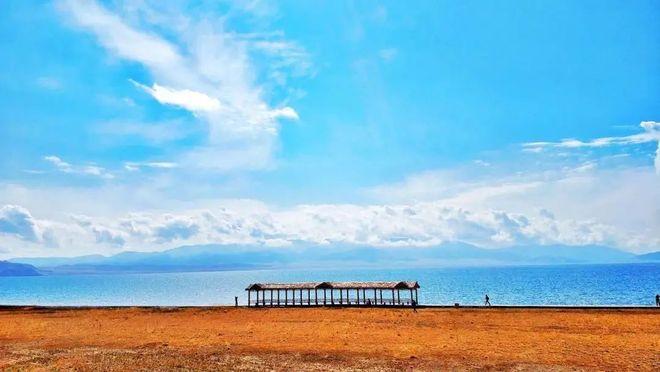
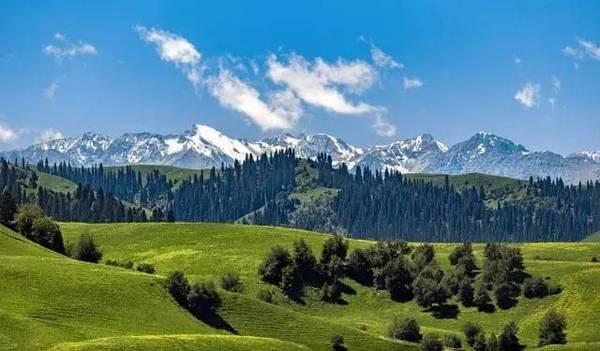
The first time, our driver Rahman left Kashgar before sunrise. By the time we climbed past the turnoff at White Sand Lake the light was flat and grey, and I worried the lake would be a letdown. It wasn’t. As we rounded the final bend the road dropped toward a sheet of dark water pinned between two walls of snow. Muztagh Ata stood dead center, its reflection smudged only by a slow drift of wild ducks.
We stayed in a Kyrgyz yurt run by a woman named Aynur, who heated milk tea on a small stove while her husband fetched water from a frozen inlet. The toilet was a pit behind a rock wall, and the night dropped to well below zero even in early autumn. I mention this because most photos skip it: Karakul is beautiful, but it is also a high, cold, and genuinely remote spot.
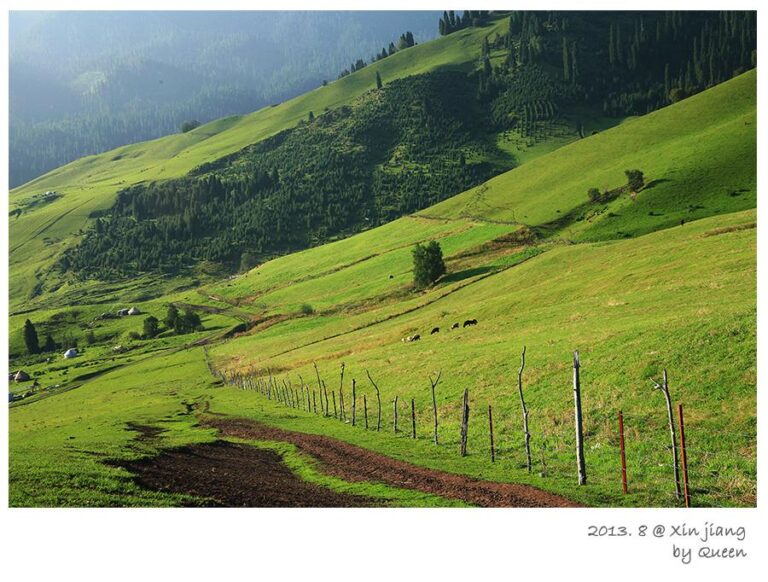
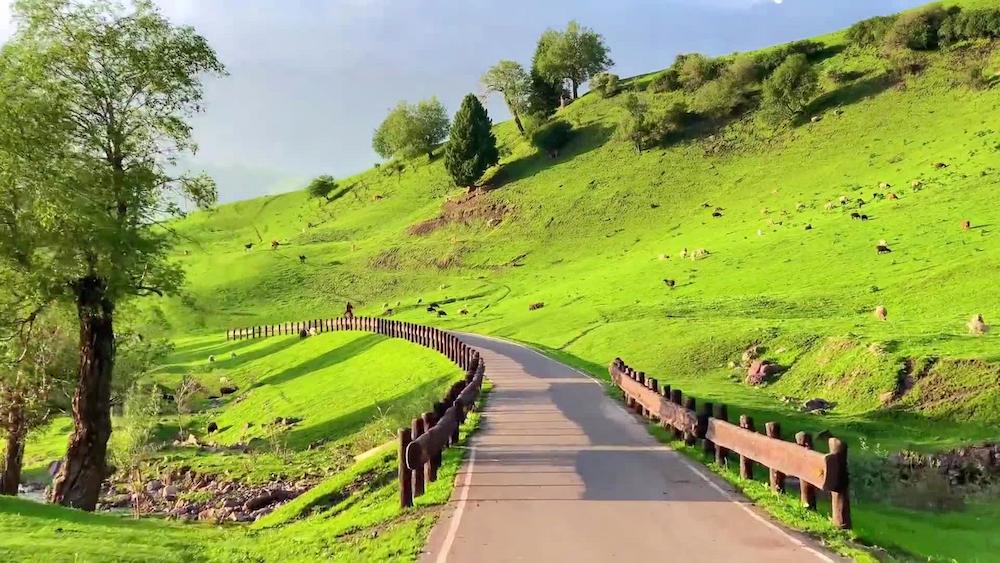
We returned in July. The ice was gone, the pastures around the lake were dotted with yaks and grazing sheep, and Aynur’s son was selling handfuls of wild iris to passing tour buses. Same shoreline, completely different place. If you can only pick one season, September gave us the cleanest water and the fewest people; July gave us flowers and a chance to walk the shoreline without numb fingers.
How to get to Karakul Lake
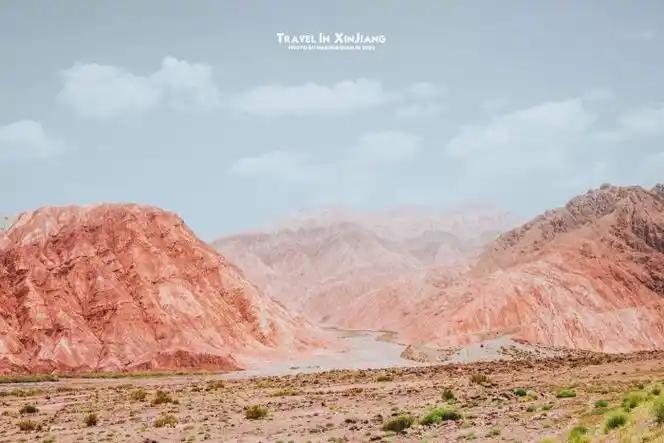
There is no train and no airport at the lake. Every visitor arrives by road from Kashgar on the G314, the Chinese stretch of the Karakoram Highway. Most people hire a car or join a shared 4WD in Kashgar; the drive takes about four hours with stops. A public bus to Tashkurgan also passes the lake, but it won’t wait for you to photograph anything, so a private vehicle is the better call.
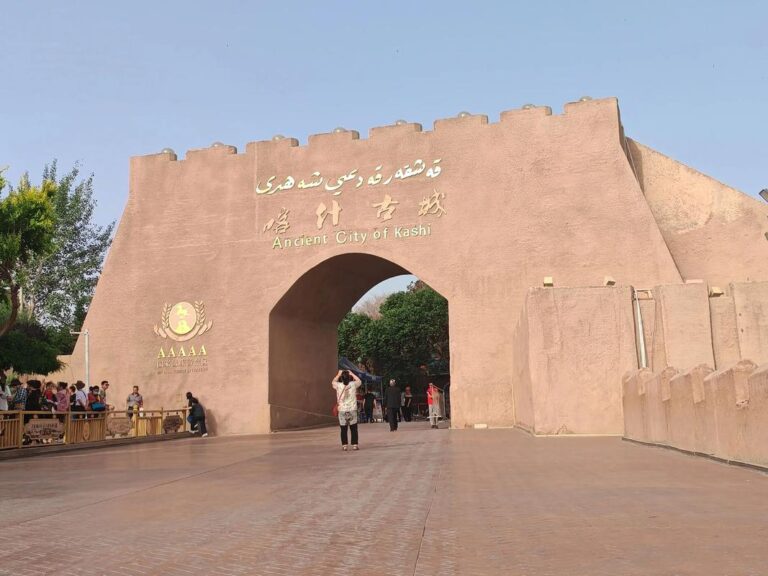
Plan the logistics around the Kashgar old city, because you must collect your border-area permit there before you travel south. The high-speed rail to Kashgar from Urumqi is the comfortable way in if you are not flying. From Kashgar the road climbs steadily; Baisha (White Sand) Lake and the Karakul viewpoint come in that order, roughly 150 km and 190 km out.
When to go
Late spring through early autumn is the safe window. May and June bring melting snow and swelling streams; July and August are green and busy, with the warmest daytime temperatures (still chilly at night). September and early October were our favourite — the air is dry, the water calms into a near-perfect mirror at dawn, and the tour buses thin out after the National Day holiday.
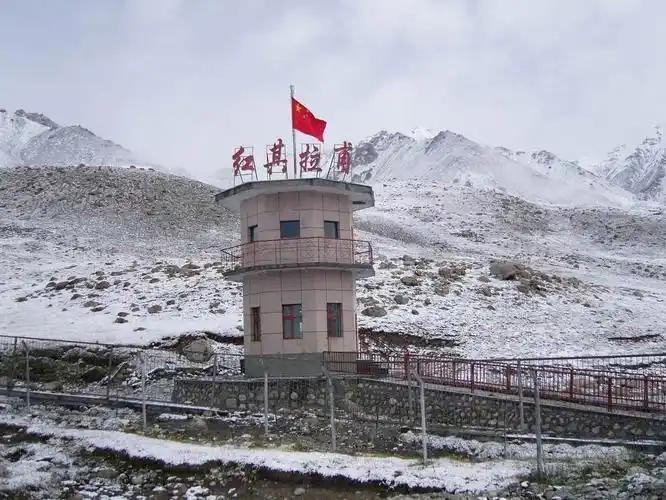
From November to April the lake freezes and several yurt camps close. You can still pass through on the highway, but don’t expect to stay or to see much beyond ice and wind. If you are sensitive to elevation, read our altitude sickness guide before committing to a night at 3,600 m.
Where to stay
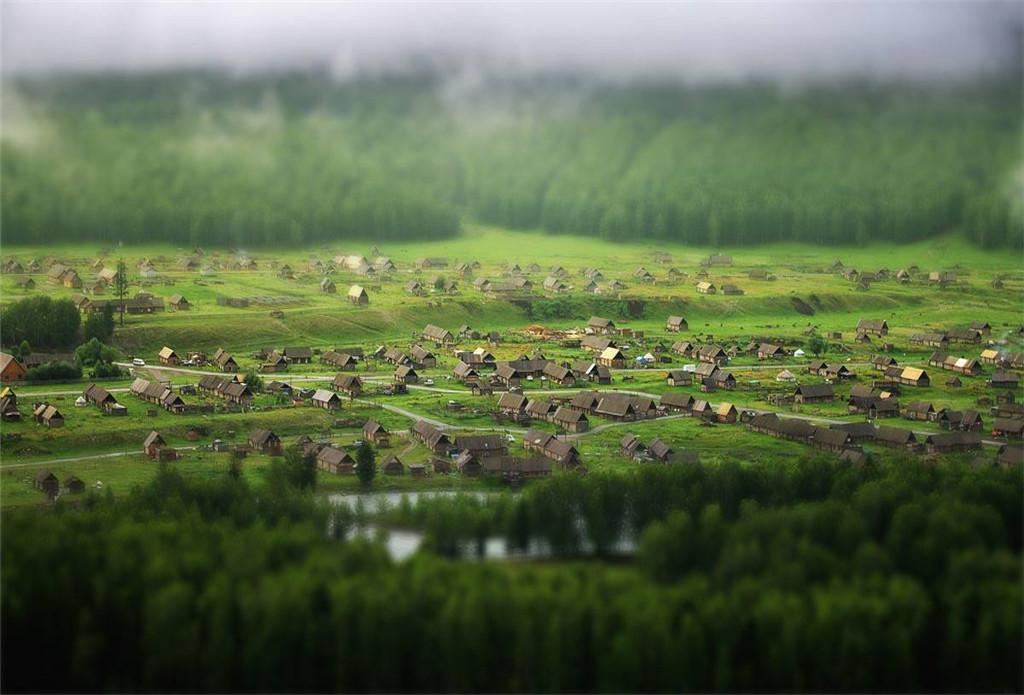
The only lodging at the lake itself is a cluster of Kyrgyz yurt guesthouses a few minutes’ walk from the shore. Expect felt walls, a shared squat toilet, no running water inside, and a diesel or coal stove that the host lights after dark. Prices in peak season run around 80–150 yuan per person including a simple dinner and breakfast. Book through your Kashgar driver if you can; walk-up availability is unreliable in July and August.
There are a couple of brick hostels near the village of Subash, about 10 km north, with proper beds and heating, but they fill fast. Most travellers pair the lake with a night in Tashkurgan using the Tashkurgan travel guide as a base, then double back for sunrise at Karakul.
Food and what to expect on the plateau
Meals at the yurts are hearty and repetitive: laghman noodles, flatbread, boiled mutton, and endless milk tea. Aynur made a fermented mare’s-milk drink called kumis that tasted like fizzy yoghurt and warmed us from the inside. Carry snacks and water from Kashgar, because there is no shop at the lake and the nearest sizable market is back in town.
Bring cash. The one or two card readers near the village fail more often than they work, and there is no ATM. A small stack of 10- and 20-yuan notes covered our tea, the yurt, and a bag of dried apricots from a roadside stall.
Practical tips for the border zone
- Get the border permit in Kashgar first. Without it, police checkpoints south of Baisha will turn you back.
- Pack for cold even in summer. A windproof jacket, hat, and gloves were essential both times we went.
- Download offline maps. Signal disappears for long stretches of the G314.
- Arrive the evening before if you want sunrise photos; the best light is 6:30–8:00 am.
- Respect the yurt households. Ask before photographing people, and don’t wander into family quarters.
- Tell your driver your plan. Our July trip almost stranded us when the bus left and our car was delayed in Tashkurgan.
A sample 2-day Pamir stop
Day 1: Leave Kashgar at 7:00 am. Stop at Baisha Lake around 10:30, reach Karakul by 1:00 pm, check into a yurt, walk the western shoreline in the afternoon, and shoot sunset from the north bank.
Day 2: Up at 6:00 am for the reflection shot, breakfast with the host, then either continue to Tashkurgan (1.5 hours south) or drive back to Kashgar, arriving by early evening. If you photograph, the Xinjiang photography guide lists the other Pamir viewpoints worth the detour.
FAQ
Do I really need a border permit for Karakul Lake? Yes. It sits inside a border management zone. Apply in Kashgar with your passport and Chinese visa; the process usually takes a few hours.
Can I swim in the lake? Technically people do, but the water is glacial and the altitude makes it a bad idea. Wading at the edge is enough for most.
Is one night enough? For the lake itself, yes. Pair it with Tashkurgan if you want to explore the Pamir properly.
Will my phone work? Spottily. Don’t rely on it for navigation past Baisha.
Disclaimer
This article reflects our personal travels in 2023 and 2024. Permit rules, yurt availability, road conditions, and prices change — especially in this sensitive border region. Confirm the current border permit requirement and opening status with the Kashgar public security bureau or your hotel before you set out, and check the latest travel advisories for your nationality. We are not responsible for changes or closures encountered on the ground.
About the author
Liam Foster is a travel writer who has spent three seasons on the Pamir Plateau, documenting the Karakoram Highway from Kashgar to the Khunjerab Pass. He focuses on practical, first-hand guidance for independent travellers in far-west China.