Published: July 21, 2026 | Author: Liam Foster
Why you can trust this Altay travel guide
I first reached Altay City in January 2023, arriving on a cold snap that pinned the thermometer at minus 28 Celsius. I went back in February 2025 with a borrowed pair of powder skis and a notebook. Between those two trips I spent nine days on the slopes of Jiangjun Mountain, ate smoked horse-meat sausage at a riverside night market, and drove two hours south to stand in front of a drawing of a skier carved into a cave wall more than 10,000 years ago. This Altay travel guide is built from those trips and from conversations with locals who learned to ski on these hills as children. Where I am unsure of a figure, I say so rather than guess.
Altay at a glance
| Topic | Quick facts |
|---|---|
| Where | Far north of Xinjiang, on the Altai range; borders Kazakhstan, Russia and Mongolia |
| Altitude | City sits around 750 m, so altitude sickness is rarely an issue |
| Ski season | Late November to early April; deepest, driest snow in January and February |
| Getting in | Altay Airport (AAT) from Urumqi in about 1 hour; train or G216 drive also possible |
| Claim to fame | Home of the Dundebulake ski petroglyph, recognised as the cradle of human skiing |
| Typical winter temp | Daytime -15 to -25 C; clear, dry and very sunny |
| Local food | Horse-meat sausage, milk tea, Irtysh River fish, naan and laghman |
My first morning on the Jiangjun Mountain slopes
The thing nobody tells you about Altay is how close the mountain is. I stayed at a small hotel by the riverwalk and was on a shuttle bus to Jiangjun Mountain ski resort within fifteen minutes of leaving the lobby. The base sits right at the edge of the city, which I have not seen at any other resort I have visited. On that first morning the snow was dry and loose, the kind that puffs up around your boots, and the light was flat because a thin cloud cover had moved in. My host Kanat, a Kazakh skier who grew up here, laughed at my city jacket and lent me a thicker layer before we rode the first lift.
Jiangjun Mountain is not a singleslope gimmick. It has a long beginner belt, groomed intermediate runs, and steeper off-piste faces where locals ski knee-deep powder on good days. A full-day pass when I went cost around 280 yuan, and gear rental at the base ran 80 to 150 yuan for skis, boots and poles. Instructors hung near the beginner belt charging roughly 200 to 300 yuan for a half-day lesson, which I watched work well for a family from Guangzhou who had never seen real snow before.
How to get to Altay City
Flying is the easy answer. Altay Airport (AAT) runs daily flights from Urumqi that take about an hour, and a taxi from the terminal to the city center is a short twenty-minute ride for 30 to 40 yuan. If you would rather see the land change, the regular train on the Altay-Fuyun-Urumqi line takes roughly ten to twelve hours and costs far less, though you trade a day of travel for the savings. Driving the G216 from Urumqi through Fuhai to Altay covers about 700 kilometers and takes eight or nine hours in good weather, but winter storms can close sections, so check road status before you set off.
Once you are in the city, getting to the slopes is simple. Public buses 1 and 2 run from downtown to the resort in about fifteen minutes for a couple of yuan, or a taxi is around 15 yuan. I used the bus in the morning and a taxi back when my legs gave out in the afternoon.
Best time to ski and visit
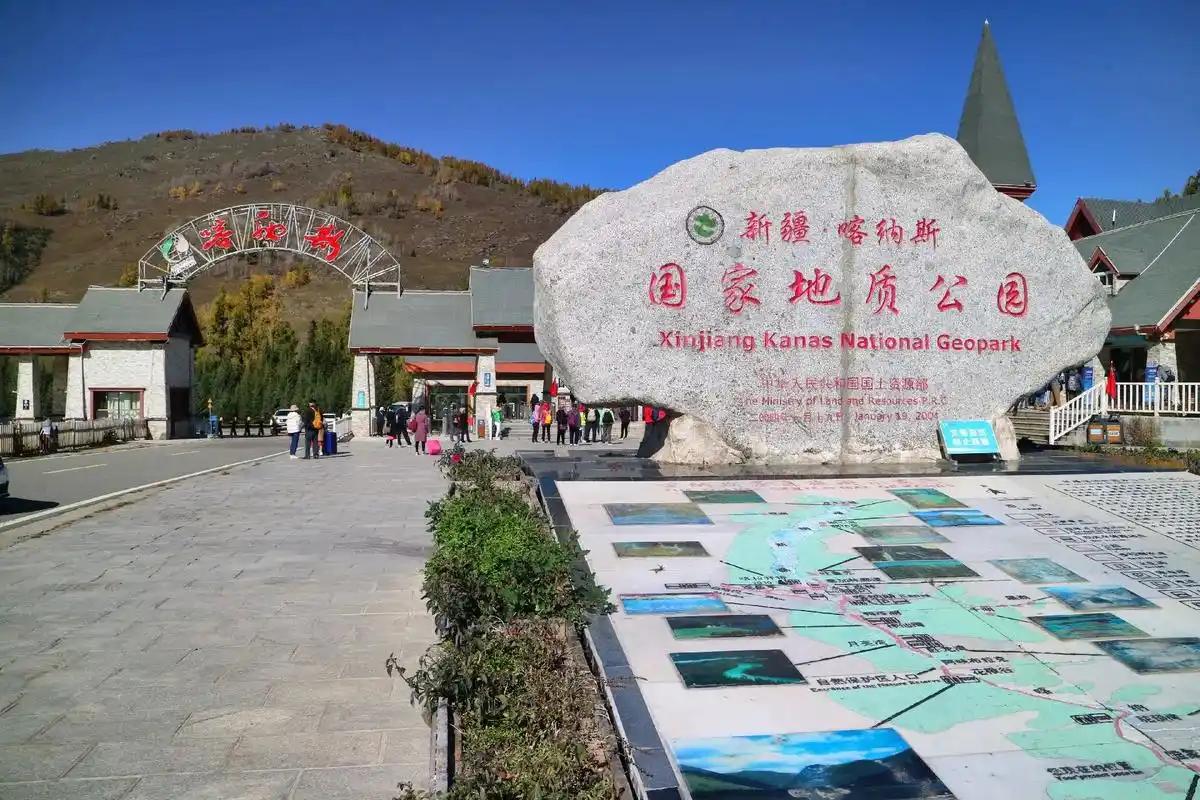
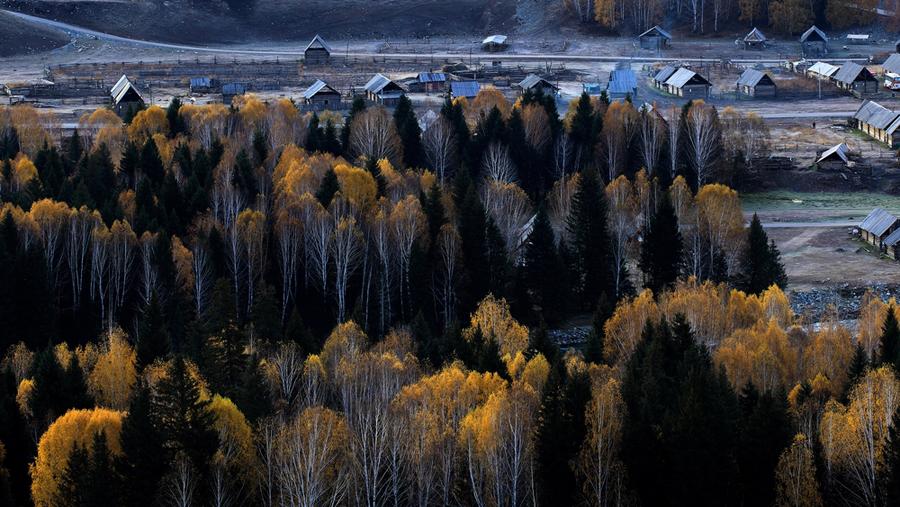
The snow season runs from late November to early April, but the sweet window is January and February, when the base is deepest and the air is coldest and clearest. Expect daytime highs between minus 15 and minus 25 Celsius. It sounds brutal, and the first ten minutes outside do bite, but the dry cold is easier to dress for than damp cold, and the sun on the snow is bright enough that I came back with a mild sunburn on my nose. If skiing is not your goal, the wider Altay Prefecture, including Kanas Lake and Hemu Village, is at its most famous in late September and October, when the birch turn gold. Altay City is the logical gateway for both seasons, and the autumn drive south to Kanas is one of the better road trips in the north.
Where to stay
Most visitors base themselves in Altay City. A clean business hotel near the riverwalk cost me about 260 yuan a night, walking distance to food and the bus stop. If you plan to ski first thing, a few lodges sit at the resort base for an early start, though they book up on winter weekends. For the full wooden-village experience, Habahe and Hemu lie a few hours south and offer heated cabin stays, but you will need a car and, for the border-zone villages, a permit arranged in advance.
What to eat in Altay
Altay eats like the crossroads it is. The dish I came back for is máchángzi, horse-meat sausage, smoked and sliced thick, with a ring of fat that tastes far better than it sounds. Smoked horse meat, served in chunks with onion, shows up at most winter tables. Milk tea here is salty and filling, the kind of drink that actually warms you, and kumis, fermented mare’s milk, is the local toast at dinner. The Irtysh River runs through the region, the only Chinese river that flows to the Arctic Ocean, and its cold-water fish, pike and a local perch called wudaobei, turn up in hotpots that steam against the frost. The riverside night market fired up around seven in the evening, and for 18 yuan I got a bowl of laghman that tasted of distance and woodsmoke.
Practical tips before you go
- Dress in real layers. At minus 25, a shell jacket is not enough. I wore a thermal base, a fleece, and a down outer, plus glove liners so I could use my phone without freezing my fingers.
- Protect your face and eyes. Goggles beat sunglasses on flat-light days, and a simple face mask saved my cheeks. The sun on snow is strong; bring sunscreen.
- Altitude is a non-issue. At 750 meters you are unlikely to feel anything, which makes Altay a good first cold-weather trip.
- Cash still helps. Alipay and WeChat Pay work almost everywhere, but small stalls and taxi drivers appreciated paper money at the market.
- Book gear early on weekends. Rental stock thins out when Urumqi crews drive up for a Saturday of powder.
- Plan permits for the border zone. Heading to Baihaba or the Kanas frontier needs a permit sorted before you travel; the city itself does not.
A three-day Altay winter itinerary
Day 1. Fly into AAT, drop bags at a riverside hotel, and walk the riverwalk as the light fades. Dinner at the night market: horse-meat sausage and a bowl of laghman.
Day 2. Full day at Jiangjun Mountain. Morning on the beginner belt if you are new, afternoon off-piste if you are not. In the late afternoon, hire a car for the 40-kilometer drive to the Dundebulake petroglyph site and stand in front of the 10,000-year-old skier drawing. Return to the city for milk tea and an early night.
Day 3. Half-day ski or a visit to the local museum to see winter-life exhibits, then fly or train out. If you have a car and more time, push south toward Kanas or Koktokay, both reachable from the city in a long day’s drive.
Frequently asked questions
Is Altay good for beginner skiers? Yes. Jiangjun Mountain has a dedicated beginner belt and instructors by the hour. I watched first-timers link turns by their second morning.
Do I need to bring my own skis? No. Rental at the base covers skis, boots and poles for 80 to 150 yuan a day, and quality is decent.
How cold does it get? Daytime in January and February usually sits between minus 15 and minus 25 Celsius. Dress for it and it is fine.
Is it safe for solo travelers? The city is calm and family-friendly, with low crime. As always, keep valuables close and tell someone your plan.
Will I manage with English? Barely. Few signs or staff use English, so a translation app and some Mandarin or Uyghur phrases go a long way.
Can I combine Altay with Kanas? Easily. Altay City is the northern gateway, and Kanas is a long but straightforward drive south, best done with a car and a night or two in between.
Disclaimer
This guide reflects my visits in January 2023 and February 2025. Prices, pass prices, flight schedules, bus routes and permit rules change, and winter weather can close roads without warning. Confirm details with the resort, your airline and local tourism offices before you travel. I am not a licensed guide, and nothing here is formal travel advice. Ski within your ability and respect local conditions and customs.
About the author
Liam Foster is a Xinjiang-based travel writer who has spent eight years covering the region’s mountains, deserts and Silk Road towns. He prefers slow trains, local guesthouses and a good plate of laghman over anything packaged. His dispatches focus on real, first-hand experience so readers can plan with confidence.
More on getting around the region: see our Xinjiang high-speed rail guide and our winter travel overview.