Published: July 22, 2026 | Author: Lin Yao, Xinjiang field contributor
Planning a Xinjiang 7 day itinerary is a little like packing for two countries at once. The region is one-sixth of China’s land area, with the snow peaks of the Tianshan in the middle and the Taklamakan desert to the south. On my first trip in 2019 I tried to see everything and ended up on a 14-hour bus with a broken speaker playing the same pop song on loop. Since then I have driven, flown, and trained across the north three more times, and the route below is the one I now hand to friends who have a single week and want the real highlights without burning out.
What follows is built from those trips: where the roads actually get slow, which lake is worth the detour, and the mistakes I made so you don’t have to. I have noted prices as ranges because they shift with season, and I have flagged the spots that need advance booking.
Quick Reference
| Item | What you need to know |
|---|---|
| Best window | June to early October; September is the sweet spot for Kanas |
| Total driving | About 1,200 km across the week if you fly the long legs |
| Start and end | Urumqi Diwopu International Airport (URC) |
| Main hubs | Urumqi, Altay/Burqin, Turpan |
| Domestic flights | URC – Altay (~1 hr); book 2-3 weeks ahead in summer |
| Rail | Urumqi – Turpan bullet train, roughly 1.5 hours |
| Budget per person | ¥4,500–¥7,000 excluding international flights |
| Booking lead time | Kanas village stays: 1 month in peak season |
How This Route Came Together
I learned the hard way that north Xinjiang does not reward greed. On trip two I added a day in Yili on top of Kanas and spent most of it in the car. The version here drops the extra transfers and keeps you in one rhythm: city, lake, mountains, desert. When we visited in late September the poplar trees along the Burqin river had already turned, and a local driver told us the Kanas boardwalk gets so busy in National Day week (early October) that shuttles run on a one-in-one-out basis. That is the kind of timing detail no brochure prints, and it is why I push people toward mid-September.
The route leans on two short flights to skip the punishing drives. If you would rather keep wheels on the ground the whole time, swap the URC–Altay flight for a sleeper train and add a day.
Getting Around
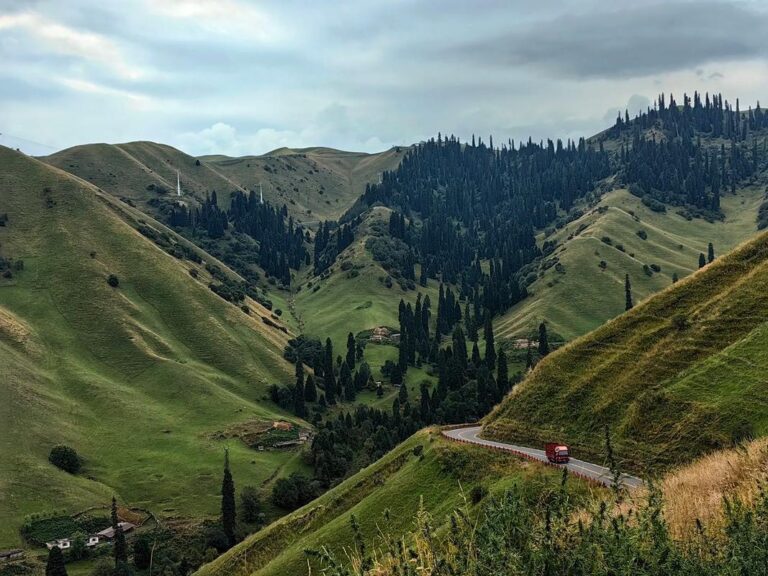
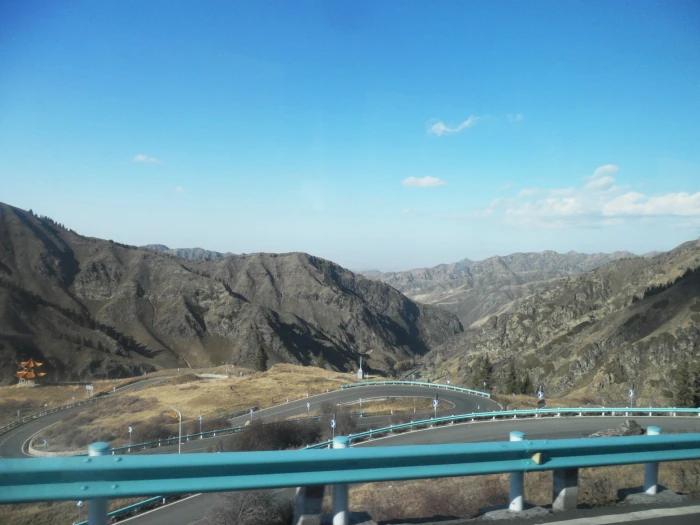
For seven days, mix transport deliberately. Fly Urumqi to Altay to reach the Kanas area fast, then use a private car or the park shuttle inside the scenic zones. We hired a driver in Burqin for roughly ¥600 a day, which sounds steep until you realise the Kanas access road is 30 km of switchbacks and you do not want to white-knuckle it yourself after a long flight. Between Urumqi and Turpan, the bullet train is cheaper and more comfortable than any bus. Inside Urumqi, DiDi works and the metro covers the airport and the bazaar.
If you want to study the driving side in depth, our self-drive Xinjiang planning guide breaks down distances and road conditions.
Best Time to Go
June brings green grasslands and fewer crowds. July and August are warm and busy, with the Colorful Beach light at its longest. For me September wins: the Kanas Lake water sits still under cold blue skies, and the tourist numbers thin after the school holidays. Avoid the first week of October if you can; that is the national holiday and the north fills up. Winter is quiet and striking but several mountain passes and some guesthouses close.
Where to Stay
In Urumqi, stay near the bazaar or the People’s Square so you can walk to dinner. In Burqin, the riverside has compact hotels from ¥200; we stayed one block off the main strip and slept better for it. Inside Kanas park, the wooden lodges in Kanas village are the prize and the bottleneck. They sell out weeks ahead in autumn, and the price jumps. Hemu has similar cabins. In Turpan, pick something with good air conditioning; the summer nights stay warm and the old town guesthouses near the mosque have character but thin walls.
Food You Should Not Skip
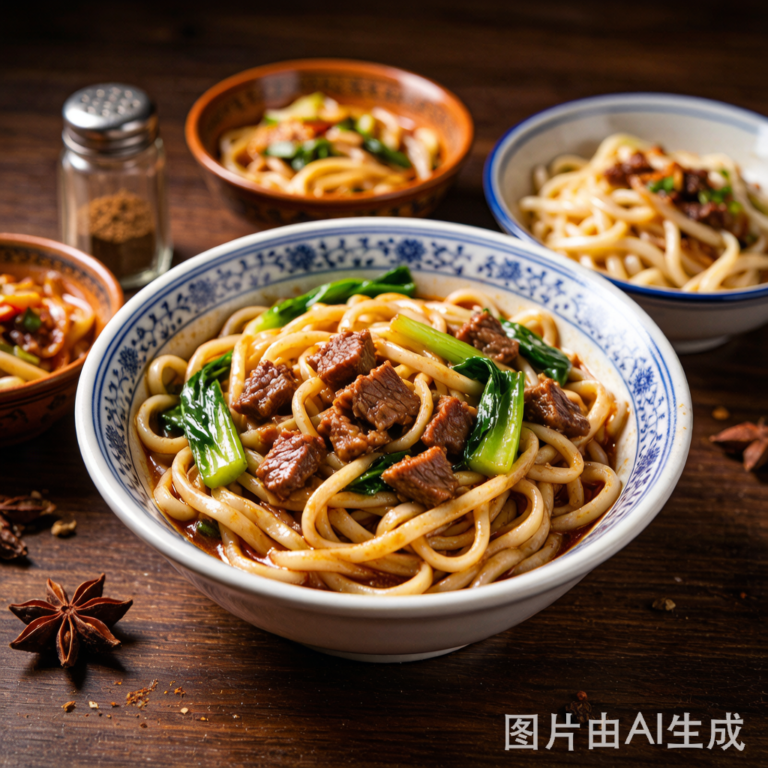
Urumqi’s bazaar feeds you cheap: loaded naan, skewers, and samsa from roadside ovens. In Burqin, the night market by the river does a loud, friendly trade in grilled fish (the local whitefish from the nearby lakes) and cold beer. Turpan is the place for seedless grapes in August and September, eaten straight off the vine at a Grape Valley stall. Carry small cash for the markets; some stalls still don’t take cards, though Alipay and WeChat Pay cover most of the rest.
Practical Tips Before You Leave
- Bring your passport everywhere. Scenic areas and hotels run real-name registration, and the Kanas gate checks it.
- Layers beat suitcases. At Kanas in September the morning can sit near 5°C and the afternoon hit 22°C.
- Download offline maps. Signal drops on the mountain roads between Burqin and Kanas.
- Book Kanas village stays early, and reconfirm the night before by phone if you can.
- Sun is strong and dry. A refillable bottle and lip balm earned their place in my bag.
What to Pack for This Route
The shift between Turpan’s basin heat and Kanas’ mountain cold is the part first-timers underestimate. I pack a hard shell jacket, a pair of broken-in walking shoes (not new ones, which will punish you on the Kanas boardwalk), and a small daypack for water and snacks on the shuttles. A power bank matters because you will be navigating offline maps and the camera drains fast. Bring a passport copy separate from the original, and a few passport-sized photos are handy if you decide on a Pamir permit later in the trip.

The 7-Day Itinerary
Day 1 — Arrive in Urumqi
Land at Diwopu, drop bags, and spend the afternoon at the Xinjiang Museum (free, book a slot online). The mummy hall and the ethnic- costume sections frame everything you will see. Dinner at the International Bazaar, where the calling of vendors and the smell of roasting spice make a better introduction than any guidebook.
Day 2 — Tianchi Lake
Two hours north of the city, Heaven Lake sits under Bogda Peak. Take the shuttle then the cableway or the boardwalk to the water. We walked the western shore and had it nearly to ourselves by mid-afternoon. Back to Urumqi for the night.
Day 3 — Fly to Altay, on to Burqin
Morning flight URC–Altay (about an hour), then a 90-minute drive to Burqin. Rest, then drive out to Colorful Beach for the sunset over the eroded cliffs. The light there is the reason people put it on the list.
Day 4 — Kanas Lake
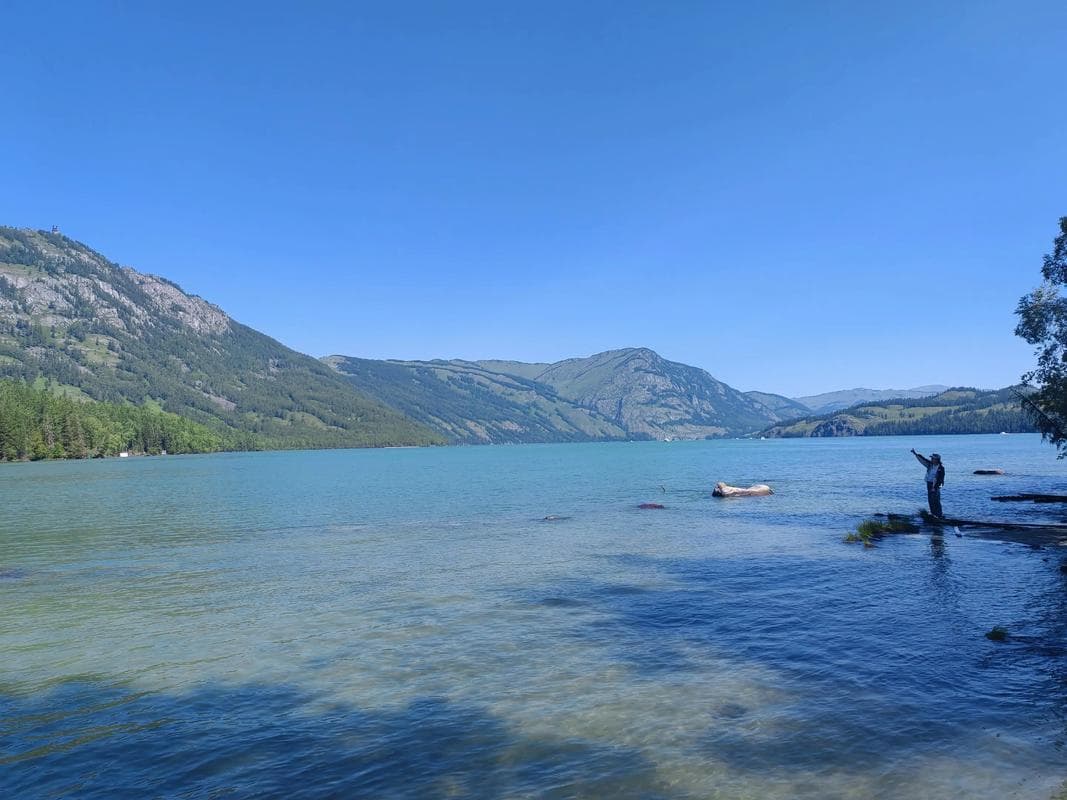
Early start for the 2.5-hour climb to the park gate, then the shuttle to the lake. Hike up to Guanyu Pavilion for the wide view, or rent a boat if the wind is low. Sleep inside the park at Kanas village so you catch the quiet morning before the day-trippers arrive.
Day 5 — Hemu Village, then back south
An hour from Kanas, Hemu is a scatter of timber cabins along a fast river. Climb to the sunrise platform (or just watch the mist from the bridge). Afternoon transfer back to Burqin and the evening flight to Urumqi.
Day 6 — Urumqi to Turpan
Bullet train to Turpan, then a morning at the Jiaohe Ancient City before the heat builds. Afternoon at the Grape Valley and the Emin Minaret. Stay in Turpan.
Day 7 — Flaming Mountains and out
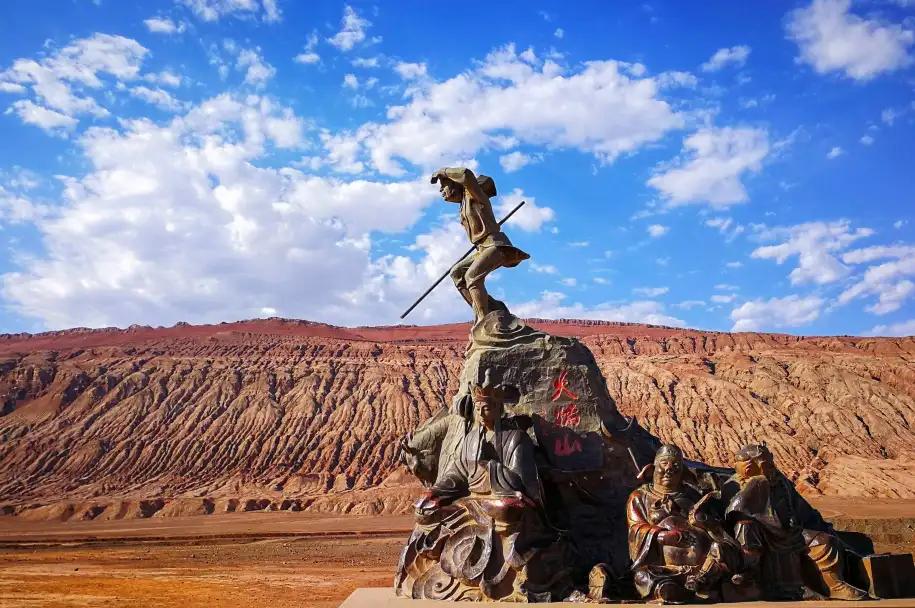
Go early to the Flaming Mountains; by noon the red cliffs throw real heat. Add the Karez irrigation wells if time allows, then train back to Urumqi and fly out. Seven days, two climates, and a honest taste of the north.
Frequently Asked Questions
Can I do this route in reverse? Yes. Starting in Turpan and ending in Kanas works just as well and can match cheaper flight routings.
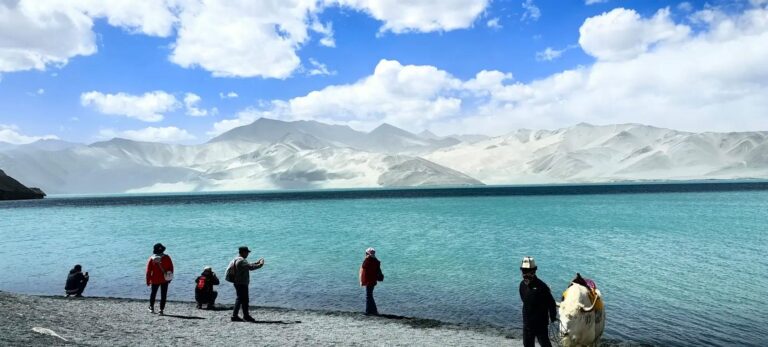
Is seven days enough for Kashgar too? Not comfortably. Kashgar is a separate world in the southwest. If the culture and the Pamir draw you more than lakes and forests, swap days 3–5 for a Kashgar and Tashkurgan loop instead.
Do I need a guide? Not for the cities. For the Kanas access road and the Pamir permits, a local driver saves real hassle.
Will I feel the altitude? Urumqi, Turpan, and Burqin sit low. Kanas village is around 1,300 m, high enough for a mild headrush on the first night for some, but nothing like the Tibetan plateau.
Disclaimer
This itinerary reflects the author’s personal travel in Xinjiang and is shared for general planning only. Opening hours, ticket prices, flight schedules, and permit rules change without notice, and some scenic areas limit or close access seasonally. Confirm every detail with official sources and your accommodation before you travel, and check the latest entry and border requirements for your nationality. We are not responsible for changes, closures, or costs incurred during your trip.
About the Author
Lin Yao is a travel writer who has spent four seasons moving through northern Xinjiang by train, flight, and hired car. She focuses on practical, first-hand route planning for independent travellers and contributes field-tested guides to this site. She can be reached through the editorial team for route questions and corrections.