Published: July 26, 2026 | Author: Tomás Almeida, rail and overland travel writer
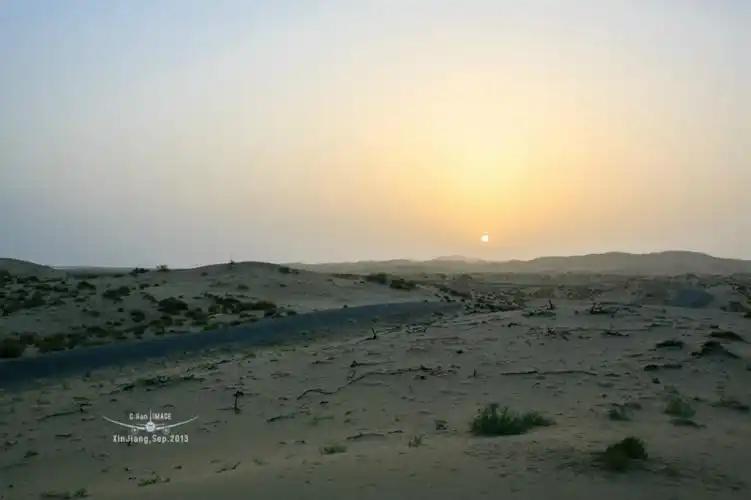
Most travellers on the southern Xinjiang railway sleep straight through Bachu. The train pulls in around dawn, a few farmers get off with sacks of melon seed, and everyone else keeps dozing toward Kashgar. I did exactly that in 2019. It took a chance conversation with a fruit trader in Aksu, who insisted his hometown had “more poplar trees than people,” to bring me back. This Maralbeshi travel guide is the result of that return trip in October 2024, plus a shorter stop in May 2025, and it covers the things I wish someone had told me the first time: how the trains actually work, what the Hongai poplar wetland is like on the ground, and why this county matters so much to Dolan music.
A quick note on names, because they confuse everyone. Maralbeshi is the Uyghur name; Bachu (巴楚) is the Chinese one. Train tickets, road signs and hotel booking apps all use Bachu. If you search Maralbeshi in a Chinese app you will find nothing, so keep both names written down.
How this Maralbeshi travel guide came together
I write about slow rail journeys for a living, and I have crossed the Kashgar–Korla line four times now. Bachu was the stop I researched hardest and found the least written about in English, so most of what follows comes from doing it myself: two visits, one in golden poplar season and one in late spring, both self-funded. Where I quote prices, they are what I personally paid in October 2024 unless noted. Things change fast in smaller Xinjiang counties, so treat every number here as a starting point rather than a promise, and cross-check opening hours on Ctrip or with your hotel front desk before you commit to a long detour.
Quick reference: Bachu at a glance
| Item | Details |
|---|---|
| Location | Kashgar Prefecture, on the Kashgar River between Kashgar and Aksu |
| Why go | One of the largest natural desert poplar forests on earth, Dolan culture, almost no tourists |
| Main sight | Hongai (Red Sea) scenic area: poplar forest, wetland boardwalks, old Silk Road ferry site |
| Best time | Mid-October to early November for golden poplars; May and September also pleasant |
| Getting there | Train from Kashgar roughly 2 hours; from Aksu about 2.5 hours; G3012 expressway for drivers |
| Time needed | One full day; one night if you want the forest at sunrise |
| Budget | Around 300 to 450 CNY per day including a mid-range hotel |
Getting to Maralbeshi
The train is the sensible choice. Bachu sits on the southern Xinjiang line, so every service between Urumqi and Kashgar calls here. From Kashgar the ride took me just over two hours, and a hard seat cost less than a coffee back home. From Korla, the capital of southern Xinjiang, you are looking at a longer haul, around seven to eight hours, which is comfortable enough in a soft sleeper if you take an overnight service.
Bachu station is a few kilometres outside the county town. When I arrived there were taxis waiting, but no meters running; agree the fare before you get in. I paid 15 CNY to the centre in 2024. Drivers coming by car will use the G3012 expressway, which parallels the railway. The drive from Kashgar took my hired driver about two and a half hours with one checkpoint stop. There is no airport in Bachu itself; the nearest is at Tumshuq, a small city half an hour away, though flights there are limited and most people still route through Kashgar.
One practical warning from my first visit: several trains arrive at awkward hours, before 7 a.m. Xinjiang runs on Beijing time officially but local rhythm lags two hours behind, so a 6:40 arrival means the town is effectively still asleep. Nothing opens early. Build a slow morning into your plan rather than fighting it.
The poplar forests at Hongai
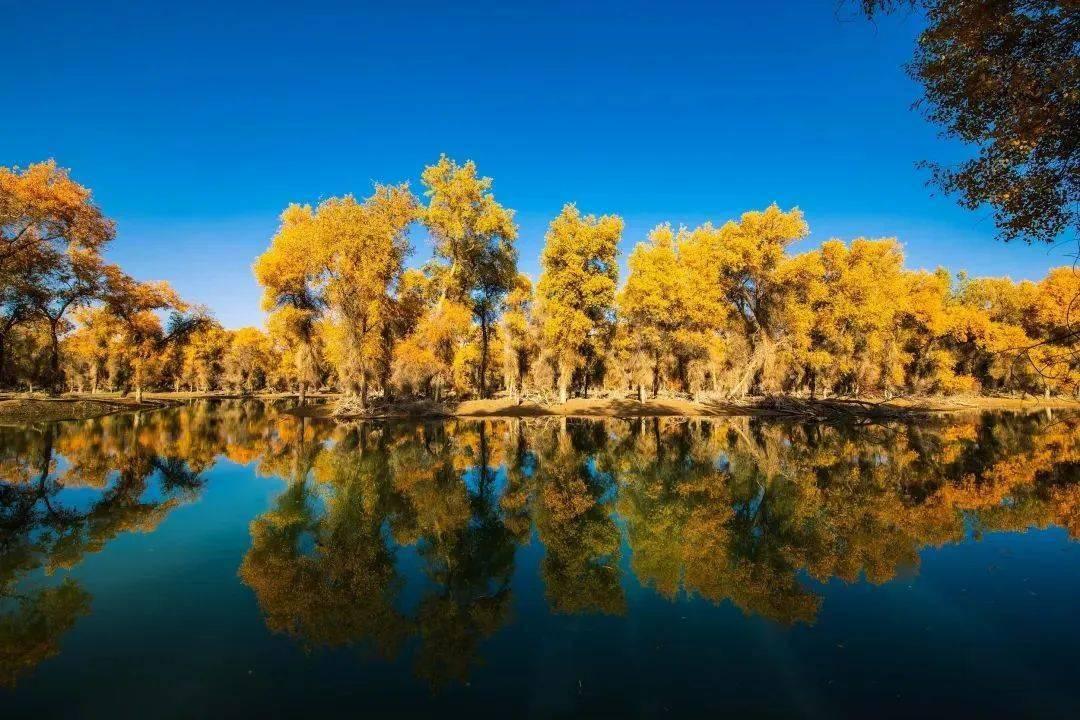
Bachu’s claim to fame is scale. The desert poplar (Populus euphratica) forest along the Kashgar and Yarkand river systems here covers a genuinely enormous area, and the county promotes it as among the biggest natural stands of this species anywhere. The showcase is the Hongai scenic area, usually signed in English as Red Sea, about 12 kilometres from town. My taxi charged 25 CNY each way and the driver waited for a small extra fee, which turned out to be the standard arrangement.
Inside, wooden boardwalks run over a reedy wetland where the river spreads out into shallow lakes, and the poplars grow right to the waterline. That combination is what makes Hongai different from the more famous poplar sites near Korla: you get trees, water and desert in one frame. In the last week of October the leaves had turned fully gold and the late afternoon light coming across the water was the best photography hour of my whole trip. There is also a reconstructed Silk Road ferry crossing and caravan post on the site. It is openly a modern rebuild, but the location is historically real; this stretch of river was a crossing point on the route between Kashgar and the northern Tarim towns for centuries.
Entry plus the shuttle cart cost me a little under 100 CNY combined in 2024. Off season it is cheaper and nearly empty. In poplar season, weekends bring tour groups from Kashgar, so aim for a weekday if you can. Give the site three to four hours; serious photographers should stay for sunset or come at opening time.
Dolan culture, alive and local
Bachu, together with neighbouring Awat and Makit counties, is the heartland of the Dolan people, a Uyghur subgroup with its own musical tradition. The Dolan muqam is rawer and faster than the courtly twelve muqam of Kashgar, and the meshrep gatherings where it is performed were inscribed by UNESCO as intangible heritage in need of safeguarding. If you have read our piece on Xinjiang folk dance from Dolan to Sanam, this county is where that Dolan half comes from.
Seeing it as a visitor takes some luck. Hongai stages short performances for groups in high season, which is the easy version. The better version found me by accident: my hotel receptionist’s uncle played the kalun, a plucked zither, and a Sunday afternoon family gathering in a courtyard near the old bazaar turned into ninety minutes of music, dancing and endless bowls of tea. I cannot promise you the same, but being visibly interested, polite and present at the weekend bazaar is how these invitations tend to happen in southern Xinjiang.

Best time to visit
Come between mid-October and early November if the golden forest is your reason for the trip. The window is short and weather dependent; in 2024 the peak lasted barely two weeks before wind stripped the trees. May and September are comfortable for the town and wetland without the colour. July and August are hot, regularly past 35°C, and the light goes flat and hazy. Spring brings dust storms off the Taklamakan, sometimes strong enough to shut the expressway for a few hours. For a broader picture of how the seasons behave across the region, our Xinjiang weather by month guide covers it in detail.
Where to stay
Manage your expectations: this is a working county town, not a resort. There are a handful of business hotels near the main crossroads, and I paid 178 CNY for a clean twin room with reliable hot water and breakfast noodles included. The catch for foreign passport holders is registration. Only some hotels in smaller Xinjiang counties are set up to register foreigners, and the list changes. Book through an app that shows “accepts foreign guests,” message the property to confirm before you travel, and have a screenshot of the confirmation ready. When my first choice turned me away in 2019, the police station across the road cheerfully walked me to one that could take me, which was kind but cost an hour. There are no guesthouses inside the Hongai scenic area, so sunrise shooters need the earliest taxi rather than an overnight stay.
What to eat
Two things stood out. First, Bachu melon, a local variety with dense orange flesh and a perfume you can smell from the next stall; a whole one at the bazaar cost me 12 CNY in October and the trader refused to let me leave without trying three kinds first. Second, Dolan-style roast lamb, cooked over poplar wood, which locals will tell you flavours the meat differently than city kebab shops. Whether that is chemistry or hometown pride I cannot say, but the version at the night market off the main square, fatty ribs with cumin and nothing else, was one of my best meals in the south. Fresh grilled river fish appears at the wetland-side restaurants near Hongai, unusual for a desert region. Nan here is thicker and chewier than the Kashgar style, and a stack of small ones cost 5 CNY.
Practical tips
Carry your passport at all times; there are checkpoints on the expressway and at the scenic area entrance, and the checks were quick and courteous both times once I handed the document over promptly. Cash is nearly dead here, so have Alipay or WeChat Pay working before arrival, though I kept 200 CNY in small notes for bazaar stalls and was glad of it twice. Mobile signal is strong in town and at Hongai, patchy between. English is essentially absent; a translation app plus the Chinese characters 巴楚 and 红海景区 saved me daily. Petrol stations require the driver to register, so build a few extra minutes into road legs. Finally, if you are deciding whether the south suits you at all, our comparison of north versus south Xinjiang is an honest place to start.
A realistic one-night plan
Day 1: Morning train from Kashgar, drop bags at the hotel, lunch of laghman near the crossroads. Taxi to Hongai around 2 p.m., walk the boardwalks slowly, stay through the late light, back to town for roast lamb at the night market.
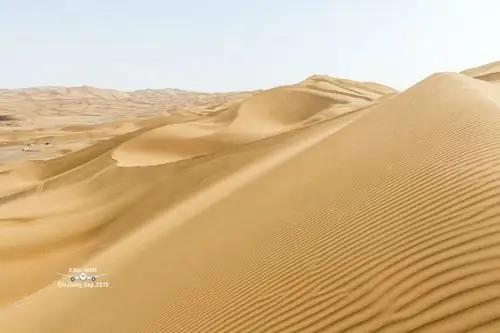
Day 2: Weekend visitors should give the morning to the bazaar; weekday visitors can taxi out to the edge of the dunes west of the river for an hour instead. Afternoon train onward to Aksu and the north, or back to Kashgar. If Bachu whets your appetite for the quieter southern counties, Yecheng on the Karakoram Highway makes a logical next stop, and the whole region slots neatly into a longer loop like our classic 7-day Xinjiang itinerary with two extra days.
Frequently asked questions
Is Maralbeshi worth visiting if I have already seen poplar forests near Korla?
If you saw peak colour elsewhere, Hongai will feel familiar. The difference is the wetland setting and the near total absence of crowds. For Dolan music and an untouristed county-town atmosphere, yes, it still earns a day.
Can foreigners visit Bachu independently?
Yes. No special permit was required on either of my visits, just the usual passport checks. The genuine constraint is hotel registration, so confirm your accommodation accepts foreign guests before arriving.
How many days do I need?
One full day covers Hongai and the town. Stay a night if you want golden-hour light at the forest or a weekend bazaar morning.
Is there an entrance fee for the poplar forest?
The Hongai scenic area charges admission, roughly 100 CNY with the shuttle when I went in October 2024. Prices shift by season, so verify locally.
Disclaimer: All details reflect my personal visits in 2019, October 2024 and May 2025, supplemented by checks against official tourism listings. Prices, schedules and entry policies in southern Xinjiang change frequently. Confirm hotel registration policies, train times and scenic area hours independently before travelling. This article contains no sponsored content.
About the author: Tomás Almeida is a Lisbon-based writer specialising in slow rail journeys across Central Asia and western China. He has travelled the southern Xinjiang railway four times since 2019 and pays his own way on every trip. His reporting focuses on the smaller stations most itineraries skip.