Published: August 8, 2026 | Author: Karl Huang
Most travel lists point you at Turpan’s Flaming Mountains or the Grape Valley, and both are worth the stop. But the place that has stayed with me is Tuyoq Valley (also spelled Tuyugou), a mud-brick Uyghur village pressed into a red canyon about 70 kilometers southeast of Turpan city. I’ve now been twice, once in late September and once in early May, and each visit made me reconsider what “old” means in this part of the world. People here have worked the same narrow fields and prayed in the same courtyard mosque for well over two thousand years, and you can feel it the moment you step out of the car.
This guide is built from those two trips, plus conversations with a driver from Turpan and a family who runs a small guesthouse in the village. I’m not a historian, and I’ll be clear about what I saw versus what I read. The goal is simple: give you the practical, honest information you’d want before adding Tuyoq Valley to your Xinjiang route.
Quick Reference: Tuyoq Valley at a Glance
| Detail | What to know |
|---|---|
| Location | Shanshan County, Turpan Prefecture, Xinjiang Uyghur Autonomous Region |
| From Turpan city | ~70 km, about 1.5 hours by car or bus |
| From Urumqi | ~280 km, 3.5 to 4 hours via the G30 Expressway |
| Entrance | Village is free to walk; the canyon scenic area charges roughly 30 RMB (verify on site) |
| Best months | April to May and September to October |
| Worst months | June to August; Turpan regularly tops 40°C |
| Oldest site | Tuyoq Mosque, among the earliest in Xinjiang |
What It Actually Feels Like: Our Visit
The first time we reached Tuyoq Valley, it was near sunset in September. Our driver, a quiet man from Turpan, pulled off the main road and said, “Now watch the color.” He was right. The canyon walls here aren’t the orange of the postcards from the Flaming Mountains; they’re a darker, drier rust, almost purple in the low light, and the village is built right into them. Hundreds of mud-brick houses, many two stories, stacked so that one family’s roof is the next family’s yard. There are no straight lines. Paths fork and climb without warning, and after ten minutes I had no idea which way we’d come in.
A grandmother was sitting on a low wall sorting grapes into a worn plastic basin. She didn’t speak Mandarin beyond a few words, and my Uyghur is limited to greetings, but she pushed a handful of muscatel grapes at me and laughed when I struggled to say thank you. That’s the part no guidebook captures: Tuyoq is a working village, not a museum. Kids ride bikes between the houses, shopkeepers roast seeds over small braziers, and the call to prayer still rolls out across the canyon at the right hours.
One mistake I made on the first trip: I walked into the mosque courtyard with my shoes on before noticing everyone else had left theirs at the threshold. A local man gestured gently and I backed out, shoeless, a little embarrassed. On the second trip I knew to look for the pile of shoes first. Small things like that matter here.
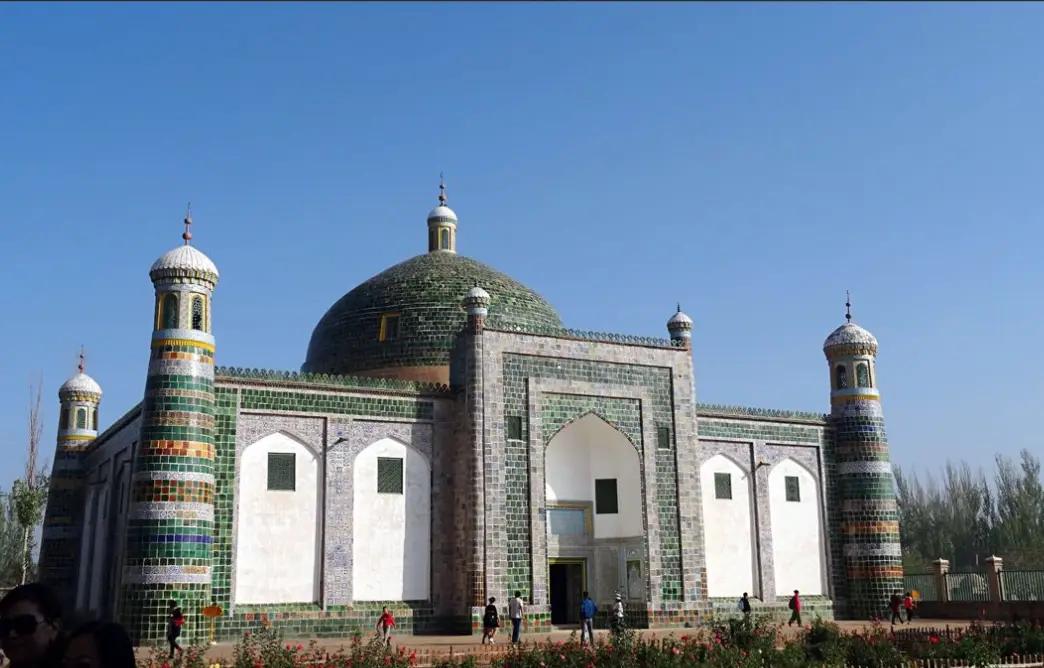
We also climbed the rough stone steps to the Mazar, the domed shrine at the canyon mouth that draws pilgrims from across the region. I’m not Muslim and went as an observer only, keeping quiet and to the side. The view back down over the village rooftops, with the canyon closing behind you, is the single best photograph in the valley, and I took roughly forty frames trying to get it right.
How to Get to Tuyoq Valley
Turpan is the natural base. From Turpan city, you have three realistic options. The easiest is to hire a car or taxi for the day; expect around 300 to 400 RMB round trip including waiting time, and negotiate the wait upfront because there’s no reliable ride-hailing app coverage once you leave the city. The second is the public bus that runs from Turpan Bus Station toward Shanshan and drops passengers at the Tuyugou turnoff; from there it’s a short flagged ride or a 3-kilometer walk into the village. The third, if you’re already driving the region, is to fold Tuyoq into a loop with the Flaming Mountains and Aydingkol Lake, which sits roughly on the way.
If you’re starting from Urumqi, the G30 Expressway gets you to Turpan in around three and a half hours, and most people treat Tuyoq as a half-day side trip rather than an overnight stop. I covered the wider logistics in our piece on getting to Xinjiang by air, train, and road, which is worth a read before you book.
Best Time to Visit Tuyoq Valley
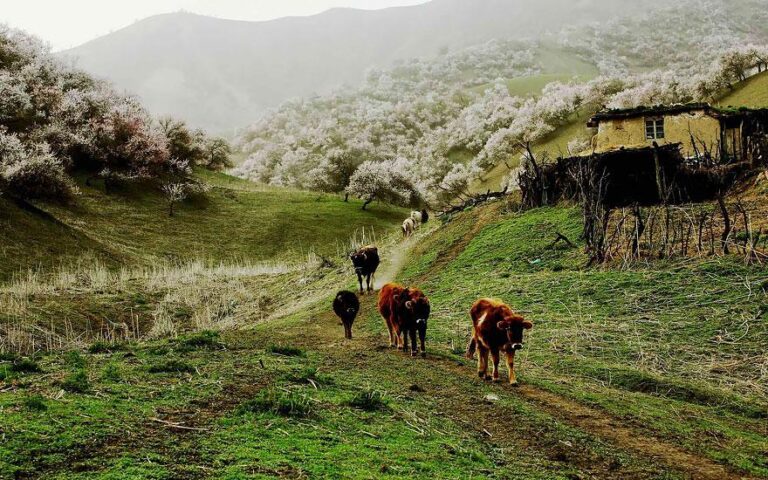
Turpan sits in a closed basin and holds heat like a brick oven. Summer days from June through August routinely hit 40°C and the canyon bakes. I wouldn’t plan a village walk in mid-July unless you enjoy sweating through two shirts. The two comfortable windows are spring (April to mid-May) and autumn (September to mid-October). In late September the grape harvest was in full swing and the trellises sagged under the weight; in early May the apricot trees along the paths were flowering, which the locals told me is the prettier season but also the dustier one. Winter is silent and cold but strikingly empty if you want the village to yourself; we didn’t go then, so I won’t pretend to advise on it.

One thing that makes Tuyoq possible at all is the karez, the underground channel system that brings meltwater from the mountains without losing it to evaporation. You’ll see the vertical well shafts dotting the fields on the drive in. It’s the reason a village this old survives in a place this dry, and it’s worth five minutes of your attention even if you’re here for the photos.
Where to Stay
Lodging inside the village is limited and basic. On my second trip we stayed in a family guesthouse with four rooms, a shared bathroom, and a rooftop where the host served us raisin tea at night. It was comfortable enough but don’t expect heating that works well in early spring or air conditioning in summer; bring a layer. Most travelers sleep in courtyard guesthouses in Turpan city and do Tuyoq as a day trip, which is what I’d recommend if you want a real bed and a wider food choice.
What to Eat in and Around Tuyoq
The food is straightforward Uyghur home cooking, and in autumn it revolves around grapes. Fresh muscatel grapes, sun-dried raisins, and the thick grape molasses called kishmish are everywhere. At the guesthouse we ate laghman (hand-pulled noodles with a tomato and pepper sauce), flat naan pulled straight from the tandoor, and skewers of lamb seasoned with only salt and cumin. A bowl of yoghurt with crushed walnuts finished most dinners. In May the black mulberries that hang over the lanes are sweet enough to stain your fingers; the family we stayed with dried them on flat roofs alongside the grapes. Prices are gentle; a filling noodle plate ran about 18 RMB, and nobody tried to upsell us.
Practical Tips Before You Go
- Dress modestly near the mosque and the Mazar pilgrimage site at the canyon mouth. Shoulders and knees covered is the safe default.
- Ask before photographing people. Most villagers are friendly about it once you’ve smiled and shown your camera, but a few clearly don’t want to be the background of a tourist shot, and that’s their call.
- Carry cash. The village has patchy card and payment-app coverage, and the small stalls only take notes.
- Bring water and a hat even in spring; the sun in the canyon is direct and there’s little shade on the hiking path.
- Wear shoes with grip. The paths are loose gravel and adobe, and they get slick after the rare rain.
- Check the Xinjiang travel budget guide if you’re tallying a multi-stop trip; Tuyoq is cheap but the Turpan base adds up.
A Half-Day Sample Itinerary
This is the route we actually used on the September trip, leaving from Turpan city:
- 08:30 — Depart Turpan by hired car.
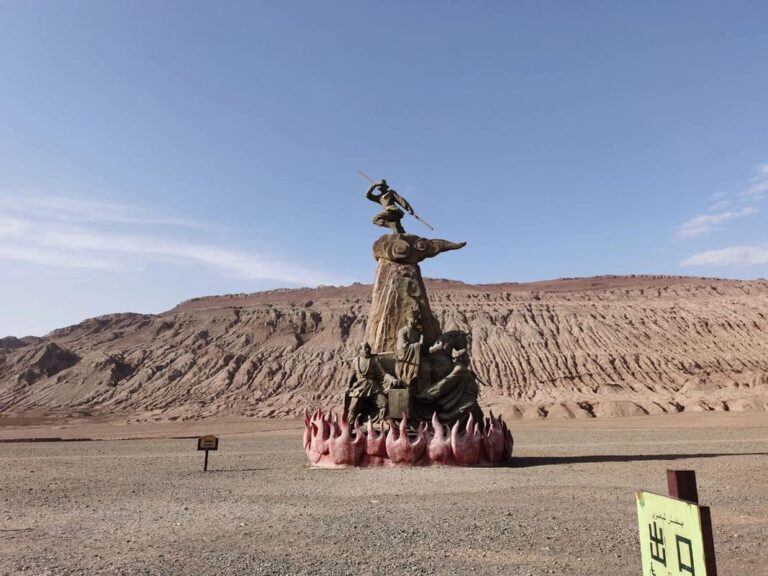
- 09:45 — Stop at the Flaming Mountains viewing area for 30 minutes; the ridge itself is the show, skip the indoor museum.
- 11:00 — Arrive Tuyoq Valley. Walk the lower village, visit the mosque courtyard, climb to the Mazar if you’re steady on your legs.
- 13:00 — Lunch at a village guesthouse: laghman and grapes.
- 14:30 — Short hike up the canyon for photos; the light is best on the east wall before 16:00.
- 16:30 — Drive back, with a 20-minute pause at a karez demonstration well on the roadside.
- 18:00 — Back in Turpan for dinner.
Frequently Asked Questions
Is Tuyoq Valley safe for foreign visitors?
Yes. It’s a settled village on a normal tourist route. The usual Xinjiang advice applies: keep your passport handy for the occasional checkpoint, and expect a police station at the scenic entrance. We never felt unwelcome.
Do I need a guide?
Not strictly. The village is small and you can wander freely. A local guide helps if you want the religious and Silk Road history explained properly, and the guesthouse hosts usually know someone.
Can I combine Tuyoq with other Turpan sights in one day?
Easily. The Flaming Mountains, the Grape Valley, and the karez museum all sit within an hour of Tuyoq, and a hired car makes the loop smooth. Just start early to beat the afternoon heat.
Is the village accessible for travelers with limited mobility?
Partly. The entrance and main lane are flat, but most houses and the canyon path involve steps and uneven ground. If mobility is a concern, stay near the lower village and skip the upper climb.
Disclaimer
The information here reflects my visits in 2024 and 2025 and was checked against official tourism notices where possible. Entrance fees, bus schedules, and guesthouse availability change, and the figures above should be confirmed on site or with your hotel before you travel. I’m a travel writer, not an official source, and this article contains no affiliate links or paid recommendations. Always carry your passport and follow local regulations while in Xinjiang.
About the Author
Karl Huang is a travel writer who has spent several seasons exploring Xinjiang by train, bus, and hired car. He focuses on practical, first-hand guidance for independent travelers and has contributed route notes and destination guides across the region. When he’s not on the road, he maintains detailed itineraries and cost breakdowns to help visitors plan realistic trips.