Published: September 12, 2026 | Author: Karl Huang, travel writer based in Urumqi
Most travellers treat Aksu as a refuelling stop between Kuqa and Kashgar, which is exactly why the Aksu National Wetland Park, eight kilometres northwest of the city, stays so quiet. We have been passing through this oasis since 2019, but it took us until a Saturday morning in late April 2026 to give the park a full day, and we left wondering why nobody had told us sooner. This is the largest national wetland park in southern Xinjiang, entry is free, and the water in its twenty-three lakes is the same milky snowmelt that keeps the Tarim River alive hundreds of kilometres downstream.
The guide below draws on that visit plus two shorter stops, on figures published by the Aksu city government, and on river data from regional water authorities. Prices and bus routes were current in 2026. We flag the few things that tend to move.
Aksu National Wetland Park at a glance
| Location | Upper Dolan River, northwest edge of Aksu city, on the border with Wensu county |
| Distances | about 8 km from downtown, 7 km from the airport, 15 km from the railway station |
| Status | National wetland park (2013), national 4A scenic area, largest in southern Xinjiang |
| Size | planning area 1,291 hectares; developed core around 333 hectares with 23 lakes and 5 viewing platforms |
| Entry | free; Water Moon viewing tower costs 5 yuan extra |
| Hours | summer 7:30-22:30, winter 9:30-20:30, Beijing time; no artificial lighting, gates shut at dusk |
| Wildlife | roughly 100,000 migratory birds and waterfowl each year; black stork and the endemic Xinjiang bighead fish among protected species |
| Access | bus 16 to Yuxigu stop, or the 2-yuan tourist shuttle from Movie Town |
A morning among the reeds
We reached the gate just after ten, which by local solar time is still early morning. The first stretch of boardwalk runs straight into the reeds, and the sound changes within a minute: traffic noise drops away and you start hearing frogs, coots and the dry knock of reed stems in the wind. The city government counts more than 140 planted species here, including tamarisk, licorice and saxaul on the drier margins, and in late April the Russian olives along the paths were flowering with a heavy honey smell.
What surprised us most was the scale. The park stretches fifteen kilometres north to south and four kilometres across, though the walked core is much smaller. Five birdwatching boardwalks, six bridges and ten overflow weirs stitch together lakes that were carved out of what local reports describe, without embarrassment, as a former gravel pit and dumping ground. Restoration began in earnest after 2016, and the result now holds egrets, grey herons, mallards and, in winter, swans. From the third viewing platform we watched a grey heron stand motionless in the shallows for so long that we finished an entire thermos of tea waiting for it to move. It eventually did, unhurried, like everything else here.
One honest caveat: this is a working restoration site, not a manicured garden. Sheds, monitoring stations and young plantations sit between the lakes. If you want polished landscaping, the Dolan riverfront in town is prettier. If you want birds and space, this is the better bet by a wide margin.
Where the water comes from
The park sits on the upper Dolan River, a channel of the wider Aksu River system, and understanding that system explains the odd colour of the water. Aksu means white water in Uyghur. The name is literal: the river runs off limestone and dolomite country and carries a pale load of rock flour that turns the current milky.
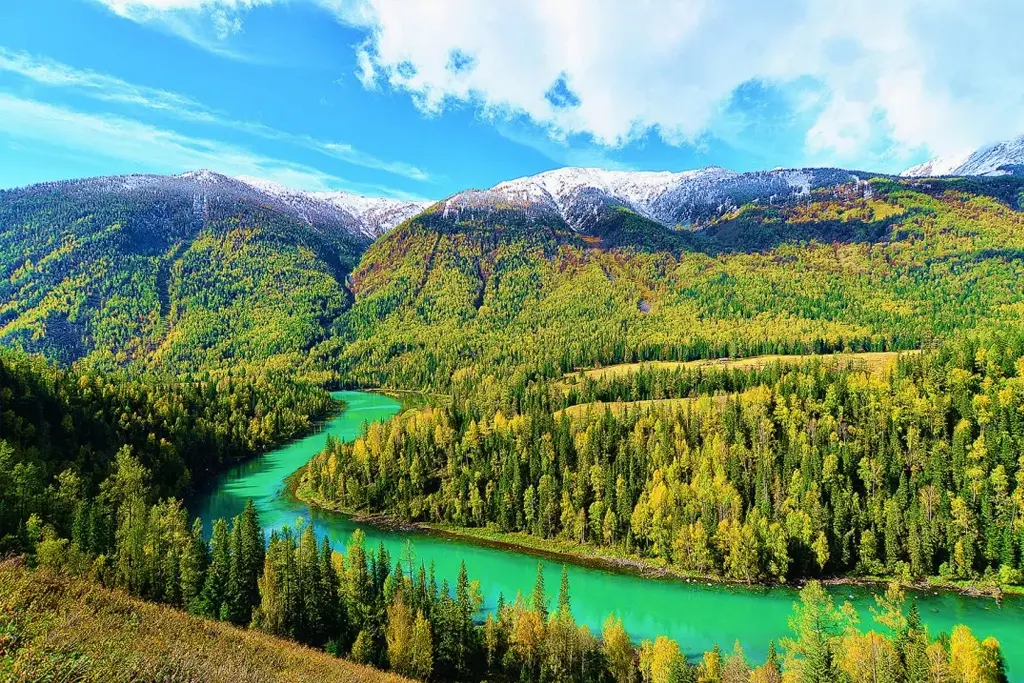
Two headstreams build the river. The Kumalak drains the glaciers around Khan Tengri and brings roughly 4.8 billion cubic metres a year; the longer Toxkan rises in the southern Tianshan near the Kyrgyz border and adds about 2.7 billion more. They join near Wensu county town, and from there the Aksu runs 224 kilometres south. At Aksu city a sandbar splits it into the Old River and the New River, which twist apart around the oasis and rejoin below Awat before meeting the Yarkant and Hotan rivers near Xiaojiake, the spot where the Tarim River officially begins.
Here is the number that makes this wetland matter. The Aksu contributes about 70 to 80 percent of the water in the Tarim main stem and is the only one of the four source rivers that feeds it all year round; the others arrive only with summer floods. Regional planners have measured flood peaks above 1,400 cubic metres per second, and the new Dashixia dam upstream now regulates that pulse. In other words, the reeds you walk through in Aksu are the visible top of a water system that half the southern basin depends on. If the wider geography interests you, our piece on crossing the Tarim Basin follows the water all the way to the desert interior.
Getting to the wetland park from central Aksu
You do not need a car. City bus 16 stops at Yuxigu, about 400 metres from the entrance, and runs a night service in summer so you can stay for the evening light. The cheaper curiosity is the dedicated tourist shuttle that loops from Movie Town on the edge of downtown through about a dozen city stops before reaching the park; it charges 2 yuan, runs from 10:30 to 20:30, and leaves roughly every half hour. We took the shuttle out and bus 16 back and both were easy with a daypack.
A taxi from the Grand Market area cost us 15 yuan and took about twenty minutes; drivers know the park by its Chinese name, Akesu Guojia Shidi Gongyuan. From the airport it is only about seven kilometres, which makes the park a genuinely good layover stop if you have a car or a patient taxi driver. From the railway station count on fifteen kilometres and half an hour in traffic. Inside the park, sightseeing vehicles and bicycle rental cover the long north-south distances; we walked the southern lakes and rented nothing, but in July heat we would take the bike.
The best months for birds, flowers and ice
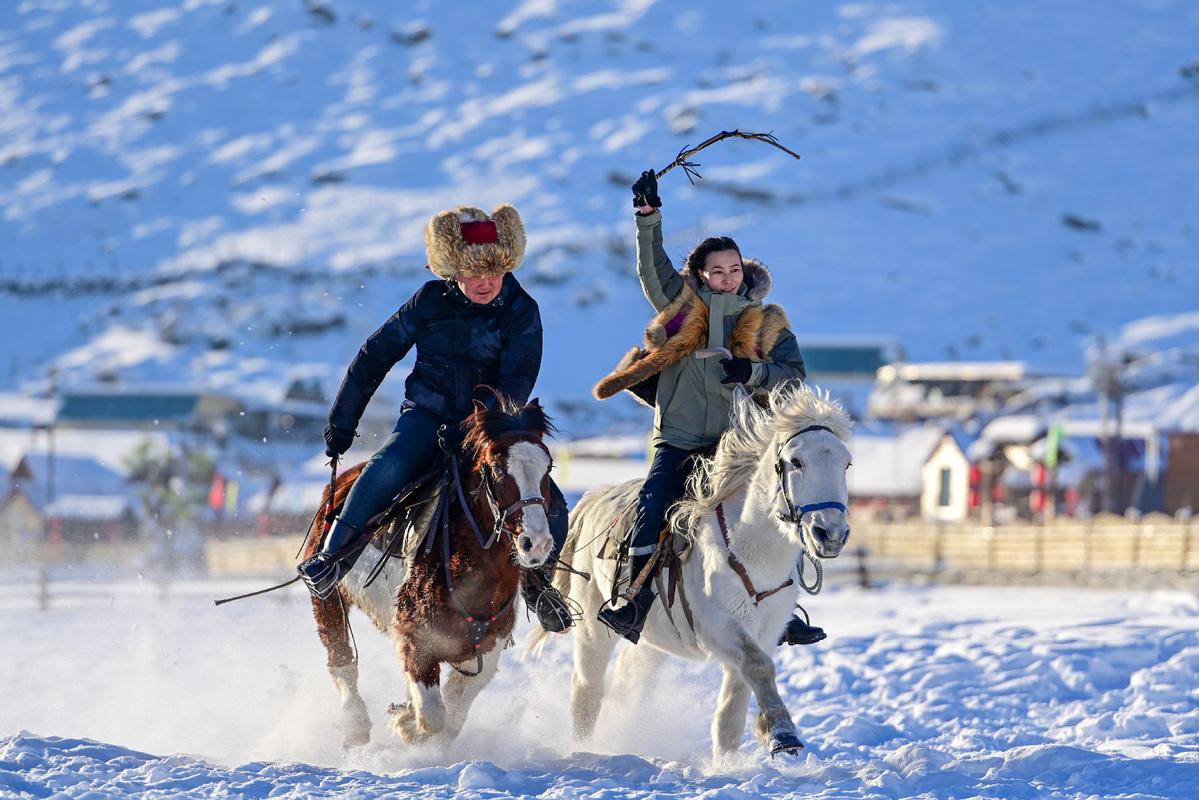
Spring brings passage migrants and the first blossom; the city tourism office promotes the park for peach blossom in April. Summer is flower season, with galsang, licorice and lotus in the warmer lakes, and it is when the park stays open latest, until 22:30 Beijing time. Autumn belongs to the reeds, which turn amber from late September, and to harvest festivals in the surrounding orchards. Winter is the sleeper choice: lakes freeze, the park runs a small ice playground, and the city government counts swans and thousands of ducks on the open water.
Two timing details worth knowing. First, the park installs no street lighting on purpose so that roosting birds keep dark habitat, and gates close at dusk regardless of the posted hour; plan to be out before the light goes. Second, posted hours run on Beijing time, which in far western Xinjiang means the sun rises and sets about two hours later than the clock suggests. An early visit in May feels like dawn. For a wider view of how the seasons line up across the region, our guide to birdwatching in Xinjiang maps the migrations month by month.
Where to stay near the park
There is no accommodation inside the wetland, and we think that is correct for a site managed around roosting birds. Stay in Aksu city, eight kilometres away, where the hotel range runs from chain business hotels around the Grand Market to international brands along Xingfu Park. We used a mid-range business hotel in the city centre, around 220 yuan a night in April, and were at the park gate in twenty minutes by taxi. Book anything in early October, when the apple harvest pulls domestic tour groups into town and rates climb.
What to eat after a walk in the reeds
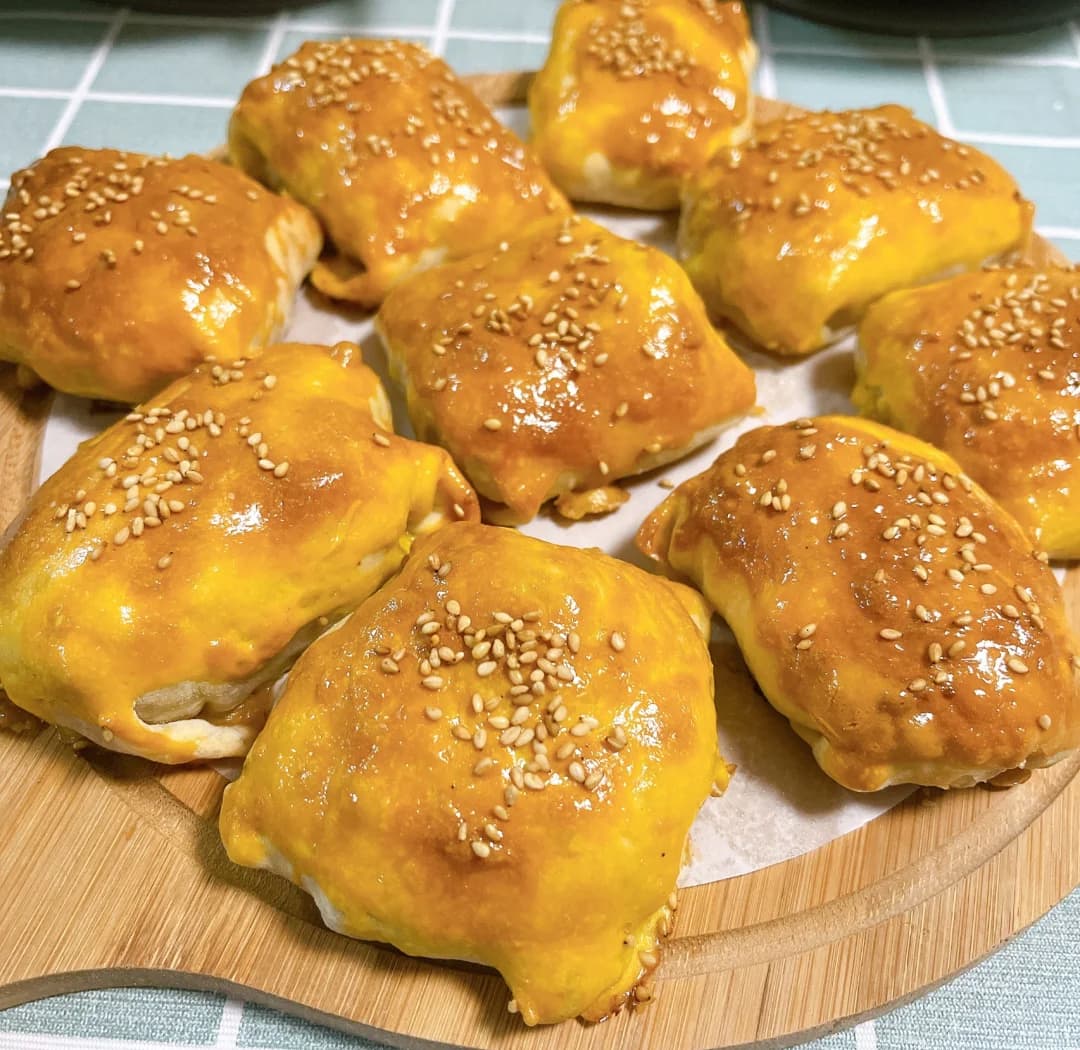
A morning of reeds builds an appetite, and Aksu eats well. The city’s signature bake is samsa, a sealed bun of lamb and onion cooked against the wall of a tandoor until the crust blisters; six for 20 yuan from the ovens on Nanchang Road made our lunch. Beyond that, the local lists are long and specific: Wensu-style clay-pot hotpot, braised pigeon from Xinhe county, Kuqa’s plate-sized nan, and Awat’s Dolan fish cooked over open reed-fire coals. The food streets worth your time are Baishui City Bazaar, Xinglong Street, Xiaonan Street and the night market on Wang San Street, which kicks into gear after eight.
If your visit falls in October, swap one meal for an orchard. Picking gardens in Yiganqi township, on the city side of the wetland, let you pull sugar-heart apples off the tree; the variety is famous across China for the translucent ring of concentrated sugar around its core, and the fruit a metre from the shop shelf costs a fraction of the shipped version. We paid 8 yuan a kilogram at the gate in 2025 and ate more than we carried out.
Practical tips before you go
A few things we learned the slightly hard way. Wear closed shoes: boardwalks are fine but the paths between lakes are gravel and the reed margins are wet. Bring water and sun protection; shade is scarce away from the entrance, and the dry air hides how much you are sweating. Binoculars matter more than a long lens here, because the boardwalks keep you at reed-distance from the water. There are toilets and a small cafe near the main gate, but nothing out along the northern lakes, so carry snacks. The Water Moon viewing tower charges 5 yuan and gives the only raised panorama over the lake cluster; it is worth it once, in the late afternoon when the light turns the water pale gold. Signage is mostly in Chinese and Uyghur, so screenshot the park’s Chinese name for taxi drivers. Check the shuttle’s last departure if you are relying on it back to town; drivers in Aksu are honest about fares, but the meter rule is use it or agree the price first.
One wetland morning plus an apple orchard: a sample day
Start at 09:30 with the shuttle from Movie Town, walk the southern boardwalks and climb the Water Moon tower before the midday glare, and be back at the gate by 13:00. Lunch on samsa and laghman on Nanchang Road, then rest through the hottest hour. From 16:00, taxi to a Yiganqi orchard in October, or to the Dolan riverfront in other seasons, and finish with dinner at Wang San Street night market. If you have a second day, the red spires of the Wensu Grand Canyon sit under an hour northwest, with the glaciers of Tomur Peak behind them.
FAQ
How much time does the wetland park need? Two to three hours covers the southern lakes and one tower visit. Birders with optics will happily use a full morning.
Is it really free? Yes. Entry has been free since opening; only the Water Moon tower charges, 5 yuan.
Can you visit without speaking Chinese? Yes, but come prepared. Buses take cash or phone payment, taxis need the park’s Chinese name, and the boardwalks themselves need no explanation at all.
Disclaimer
Opening hours, shuttle timetables and the tower fee are set by the park administration and shift with seasons and policy, so treat every figure here as a guide rather than a quote. Bird numbers vary with water levels and weather. We have no commercial relationship with any hotel, restaurant or operator mentioned.
About the author
Karl Huang has travelled across Xinjiang since 2016 with a focus on the oasis and wetland systems of the Tarim Basin. He writes about the practical details, buses, hours, prices, that guidebooks tend to skip.