Published: August 12, 2026 | Author: Karl Huang
Why a “Boring” Industrial Town Deserves a Spot on Your Map
Most Xinjiang itineraries skip Kuytun, and most Kuytun travel guide pages do the same. Guidebooks file it under “industrial town, move along,” which is why almost nobody plans a night there. That is a mistake I made on my first drive through the north in 2019, when I treated it as nothing more than a fuel stop. Over three later trips I kept ending up in Kuytun anyway, because it sits on the one set of rails and roads that everything else in northern Xinjiang funnels through. If you understand Kuytun, you understand how the whole region connects. This guide is built from those trips, plus the practical research I did before each one.
Kuytun at a Glance
| Where | County-level city in Ili Kazakh Autonomous Prefecture, northern Xinjiang |
|---|---|
| Population | Roughly 150,000 |
| Elevation | About 450 m |
| Role | Major rail and highway junction; logistics and petrochemical support hub |
| Nearest headline sights | Sayram Lake (~100 km west), Dushanzi / Duku Highway north end (~20 km east), Urumqi (~250 km east) |
| Best time to pass through | June to September |
| Typical hotel rate | 180–350 RMB for a clean business hotel |
What the Town Actually Feels Like
I remember my second visit clearly because the first one barely counted. We had driven the G30 from Urumqi in late afternoon and reached Kuytun around nine in the evening. The light was gone, the streets were wide and quiet, and the first thing we noticed was how many trucks were parked along the service roads. This is a working town. The center is a grid of mid-rise blocks, hotpot restaurants, and the kind of brightly lit hotel lobbies you find in every Chinese county seat. It is not pretty in the way Sayram Lake is pretty. What it is, usefully, is easy. Roads are straight, signage is clear, and you can always find a parking spot, a noodle shop, and a working ATM within a few minutes.
On a later trip we deliberately built a night in Kuytun into the plan instead of racing past. That evening we walked from the hotel to a corner laghman spot where the cook pulled the dough by hand in the window, then stood outside eating big-plate chicken while the temperature dropped fast after sunset. It was the most relaxed dinner of a two-week loop. Kuytun’s value is precisely that it asks nothing of you and gives you a clean bed and a hot meal before the big scenery starts the next morning.

Getting There: The Junction You Didn’t Know You Were Using
Kuytun’s importance comes down to one fact: it is where northern Xinjiang’s rail and road lines split. The Lianyungang–Khorgos railway, part of the route that links China’s coast to Central Asia, runs straight through here. At Kuytun one branch swings southwest toward Yining and the Ili Valley; the other continues northwest toward Bortala, Alashankou, and the Khorgos border. A separate line runs north to Karamay and on to Altay. On the road side, the G30 Lianhuo Expressway connects Urumqi to Khorgos, while the G217 runs from Kuytun through Dushanzi and Karamay up toward Altay.
If you are coming from far away, read our full breakdown of how to get to Xinjiang before booking. Trains from Urumqi to Kuytun take roughly two and a half hours, and the station is small enough that you will never get lost in it. Drivers will almost always pass through Kuytun on a northern loop, which is why our self-drive Xinjiang planning guide lists it as a default refuel and rest point. The Duku Highway begins about 20 km east in Dushanzi, so Kuytun is the natural place to sleep the night before you tackle that road.
When to Go
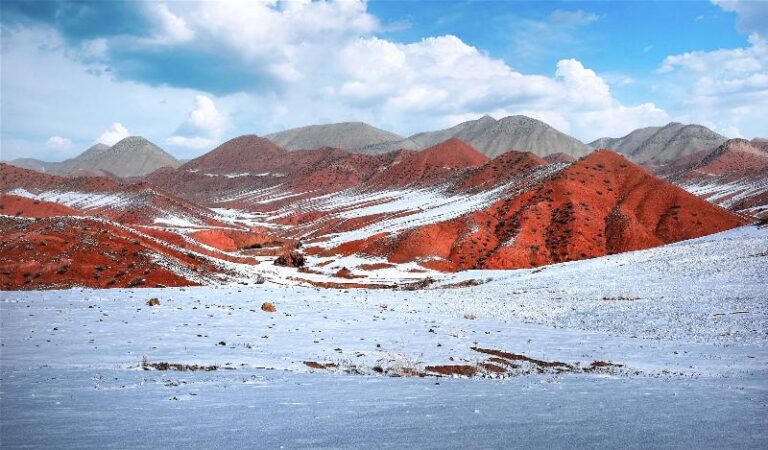
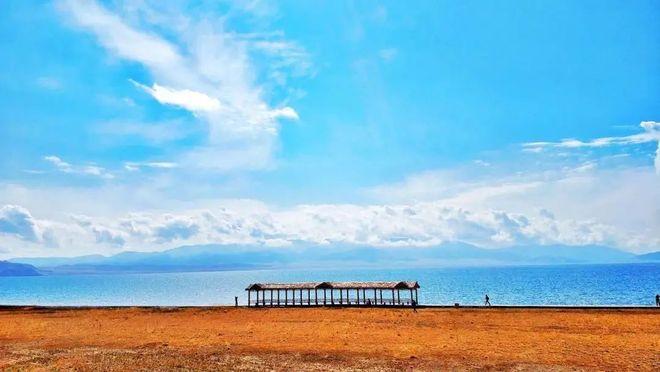
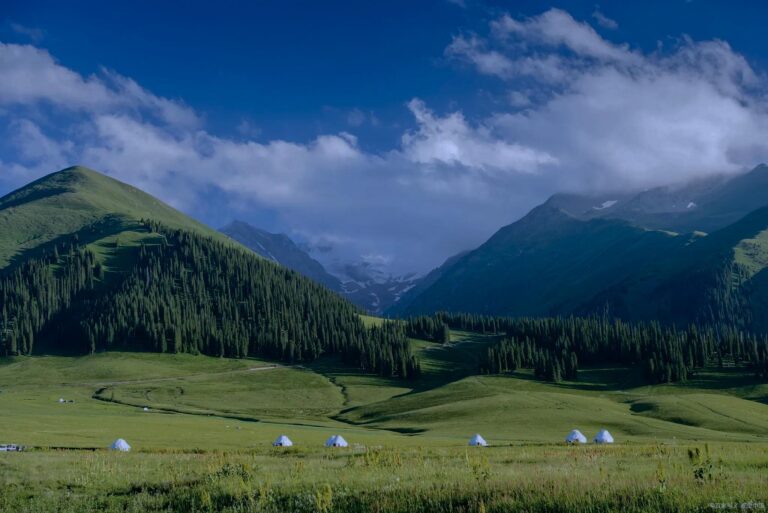
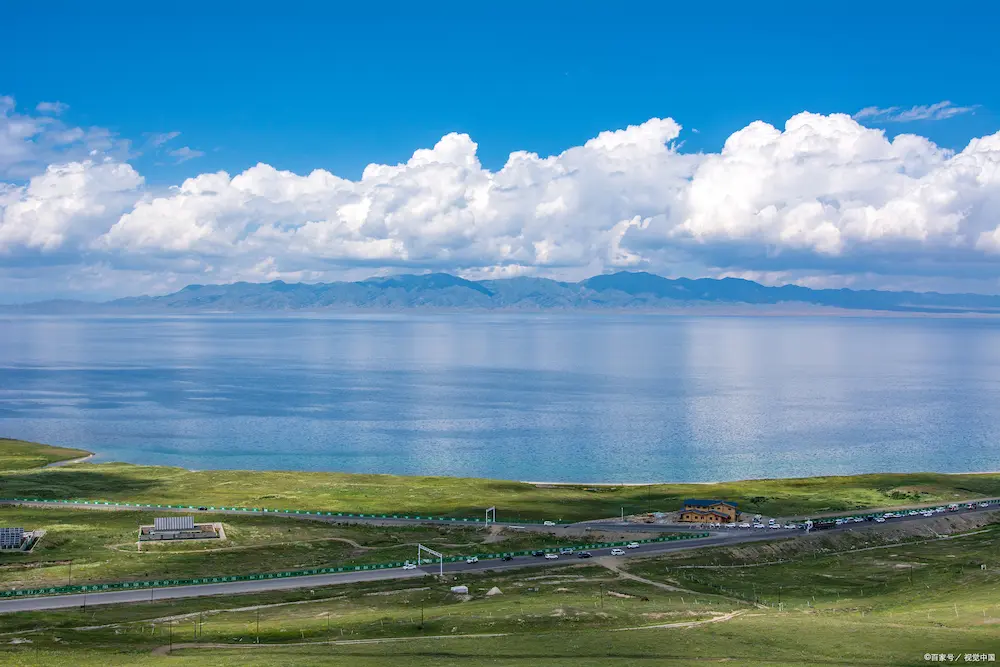
Timing matters more here than the town itself might suggest, because Kuytun is a gateway to places that close seasonally. The Duku Highway normally opens around June 1 and closes by late September, depending on snow. Sayram Lake is frozen and ringed by grey hills for much of the winter, then turns blue and flower-rimmed from June onward. So the useful window for using Kuytun as a base is June through September, when both the lake and the mountain road are accessible.
Summer days hit the high 20s Celsius and the light is long. Winters are harsh, with readings well below minus ten at night and bleak driving conditions on open highway. I would not route a first-time visitor through here in January unless they had a specific reason. Spring and autumn are workable but windy; the northern Xinjiang plain catches a lot of gusts, and a sandstorm on the G30 is no fun to drive through.
Where to Stay
Kuytun is not a resort town, so do not expect lakeside lodges. What you get is a dense cluster of reliable Chinese business hotels, the same brands you see across the country: Hanting, Jinjiang, Vienna, and a few solid local four-stars. Rooms are clean, heating works, breakfast is a standard Chinese spread, and prices stay reasonable because there is no scenery premium. We have paid between 180 and 320 RMB for a perfectly good double, and that is exactly the point. On a long loop where some nights cost three times as much near the headline sights, Kuytun is where the budget recovers.
Book ahead during the July–August peak, when domestic road-trippers fill the north. Walk-ins still usually work in the shoulder months. Pick something within a kilometer of the G30 interchange if you are driving, since the whole reason to stop here is an early start the next morning.
What to Eat
This is the pleasant surprise. Kuytun sits in the zone where big-plate chicken, or dapanji, is treated as local heritage. The dish is widely traced to nearby Shawan County, so you are eating it close to where it was born. A proper dapanji here comes in a wide flat wok with chicken, potato, green pepper, and a belt of hand-pulled noodles stirred through at the end. Order it for two and you will not need a side.
Beyond that, the standard northern Xinjiang roster is everywhere: laghman (hand-pulled noodles with a tomato-and-meat sauce), mutton kebabs off the roadside grills, fresh naan, and pilaf with carrot and raisin. Fruit in summer is excellent, the melons and grapes of the surrounding oasis are worth a stop at any roadside stand. Meals are cheap and portions are large; a filling dinner for two rarely tops 120 RMB.
Practical Tips
A few things I wish I had known earlier. Fuel up here: petrol stations get sparse and slower once you head west toward the border or south into the mountains, and Kuytun’s are fast. Carry some cash as well as Alipay, because the smaller noodle joints and fruit stands do not always take phone payment smoothly. The town is dry and the sun is strong, so water and sunscreen go in the car regardless of season.
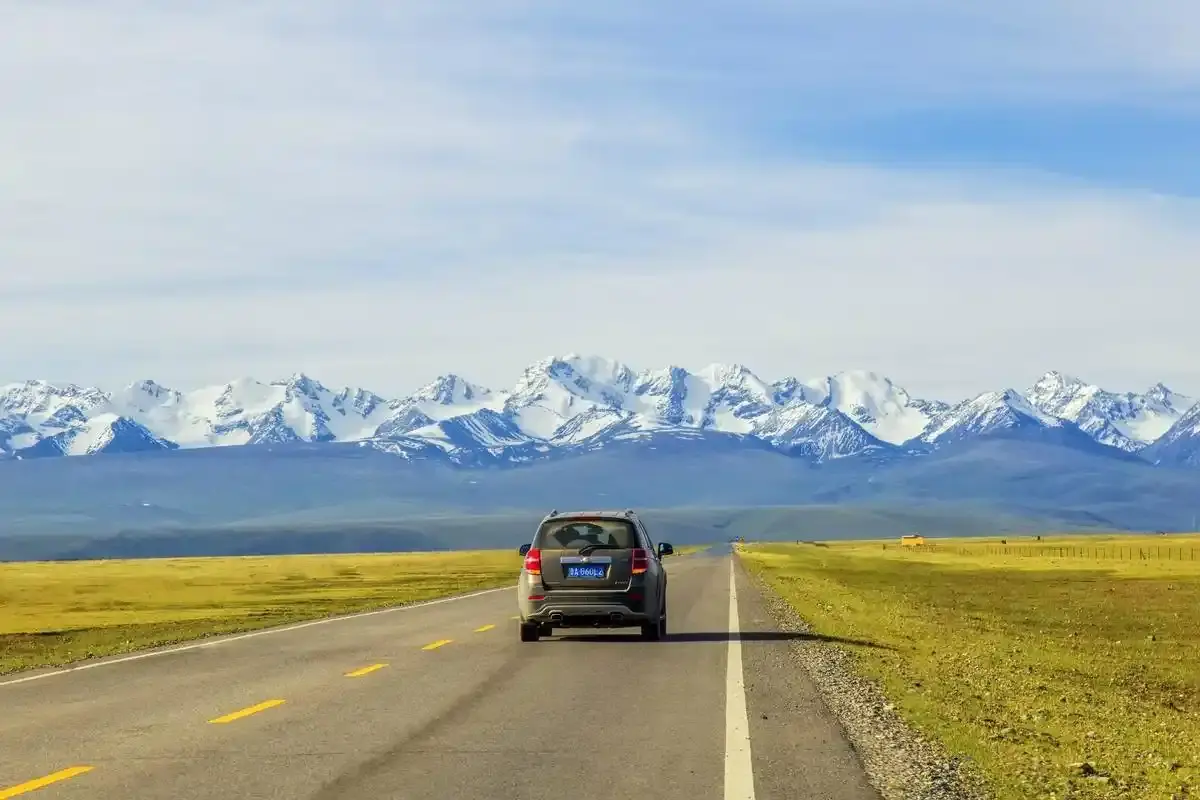
If you are driving the Duku Highway the next day, check the official opening status the evening before, since weather closures happen even in season. Get an early start; the road is one lane each way in places and the lots at the viewpoints fill by mid-morning. Kuytun’s own attractions are limited, so plan it as a transit night rather than a destination day, and you will enjoy it far more.
A One-Day Sample Itinerary
This is the loop we ran on our last trip, written so you can copy it.
Day plan (Kuytun as the hub):
- Afternoon: Arrive from Urumqi on the G30, check into a hotel near the interchange, walk to dinner.
- Evening: Dapanji and laghman at a local spot; early night.
- Next morning (6:30): Drive east 20 km to Dushanzi, join the Duku Highway south toward the Tianshan.
- Midday: Loop west via the G30 to Sayram Lake, about two hours, for the late-afternoon light on the water.
- Evening: Continue to Yining, or return to Kuytun for another cheap, easy night before heading north to Karamay or Altay.
If your time is tight, Kuytun plus Sayram Lake in a single long day is the highest-value combination, and it keeps the driving sane.
Frequently Asked Questions
Is Kuytun worth visiting on its own?
Not as a sightseeing stop. Its worth is as a strategic base: cheap hotels, good food, fuel, and a central position between Urumqi, the Ili Valley, Sayram Lake, and the Duku Highway.
How long should I stay?
One night is the right amount for almost everyone. Two only makes sense if you are using it as a work base for several day trips.
Can I reach Sayram Lake by train?
No direct train to the lake. You drive or take a bus toward Yining and branch off; Kuytun is the usual launching point from the east.
Is it safe for solo travelers?
Yes. It is a busy, well-policed town with standard tourist infrastructure. Usual precautions around your bags and your car apply.
Disclaimer
This guide reflects the author’s personal trips and independent research; schedules, road openings, prices, and services change. The Duku Highway and mountain passes close on short notice for weather, and border areas have their own rules. Confirm current conditions with official sources and your hotel before traveling, and check the latest government travel advice for Xinjiang. Nothing here is official information, and you are responsible for your own route and permits.
About the Author
Karl Huang is a Xinjiang-based travel writer who has driven and ridden trains across the region for over five years, covering more than a dozen routes through the north. He focuses on practical, first-hand guidance for independent travelers and contributes regularly to Xinjiang Attractions. His work prioritizes real on-the-ground detail over brochure language.