Published: August 18, 2026 | Author: Karl Huang
Why this Xinjiang vs Qinghai comparison is worth your time
When friends ask me to choose between a Xinjiang or a Qinghai road trip, I don’t give them a one-line answer. I ask how many days they have and whether they have ever felt altitude sickness. I have driven both regions, and the two trips could not feel more different. This guide puts them side by side so you can pick the one that matches your calendar and your comfort zone. The distances, the food, and the nerves below come from the seat of a rented car, not from a tourism brochure.
For the record, I have done three separate trips across Xinjiang (a north loop through the Ili valley, a south loop to Kashgar and the Pamir, and a winter run) and two full loops through Qinghai. That is enough seat time to tell you where each region punches above its weight, and where it will quietly drain your budget and your patience.
At a glance: Xinjiang vs Qinghai
| Factor | Xinjiang | Qinghai |
|---|---|---|
| Minimum trip length | 10 days for a north loop | 4–5 days for the Lake loop |
| Typical loop distance | 3,500–4,500 km | 900–1,400 km |
| Average daily drive | 4–7 hours | 2–4 hours |
| Highest point you’ll likely reach | 3,400 m on the Pamir | 3,200 m at Qinghai Lake (3,800 m if you push to Lhasa) |
| Signature drive | The Duku Highway, 561 km and seasonal | The Qinghai Lake ring road and the ride toward Golmud |
| Dominant culture | Uyghur, Kazakh, Han, Hui | Tibetan, Hui, Mongol, Tu |
| Best season | June to October | July and August |
| Food you’ll remember | Big plate chicken, lamb skewers, naan | Yak hotpot, tsampa, Hui noodles |
What the road actually felt like
On our first Xinjiang loop we left Urumqi at 6 a.m. and did not reach Yining until after midnight. That is roughly 700 km of perfectly good road, but the Dzungarian Basin simply eats hours. Qinghai was the opposite. We left Xining after a lazy breakfast and were already walking the Qinghai Lake causeway by mid-afternoon. The single biggest difference I tell people about is scale. Xinjiang rewards patience; Qinghai rewards a long weekend.
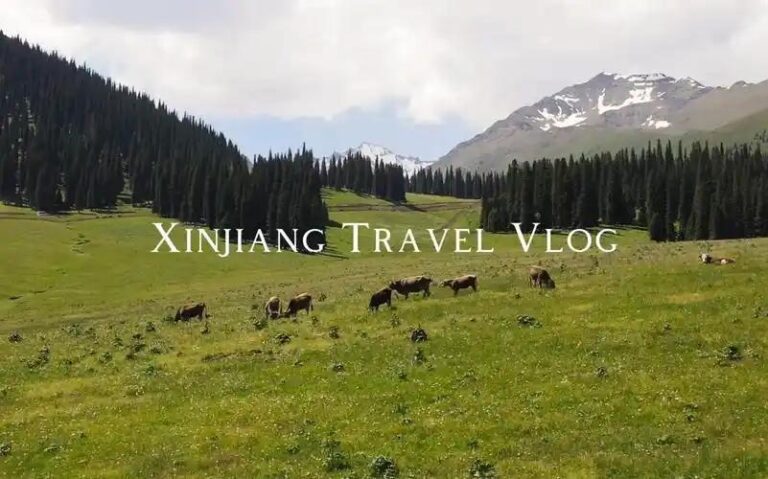
The Duku Highway remains the most talked-about drive in northwest China for a reason. We hit it in early June, right after the snow gates opened, and watched the road climb from desert scrub to alpine meadow in under two hours. You cannot do that in Qinghai, but what Qinghai lacks in drama it makes up for in accessibility. The Lake loop is paved, signed, and forgiving — a good first international road trip if your only other experience is highway driving at home.
Getting around: transport and self-drive logistics
Both regions work best with your own wheels. In Xinjiang the classic move is renting a car in Xinjiang with a driver, because foreign licenses are not valid and the distances are long enough that sharing the wheel helps. Qinghai is similar: most travellers pick up a car in Xining or join a small private tour for the Lake loop. Petrol stations are frequent on the main highways of both, but in southern Xinjiang I still topped up whenever the tank dropped below half, because the gaps between towns widen fast.
Trains are a real option too. Qinghai’s capital sits on the line to Lhasa, so you can rail into Xining and only rent a car for the Lake portion. Xinjiang’s high-speed line now links Urumqi, Turpan, and Kashgar reasonably well, which lets you skip the dead hours and rent locally for the scenic bits.
Best time to drive each region
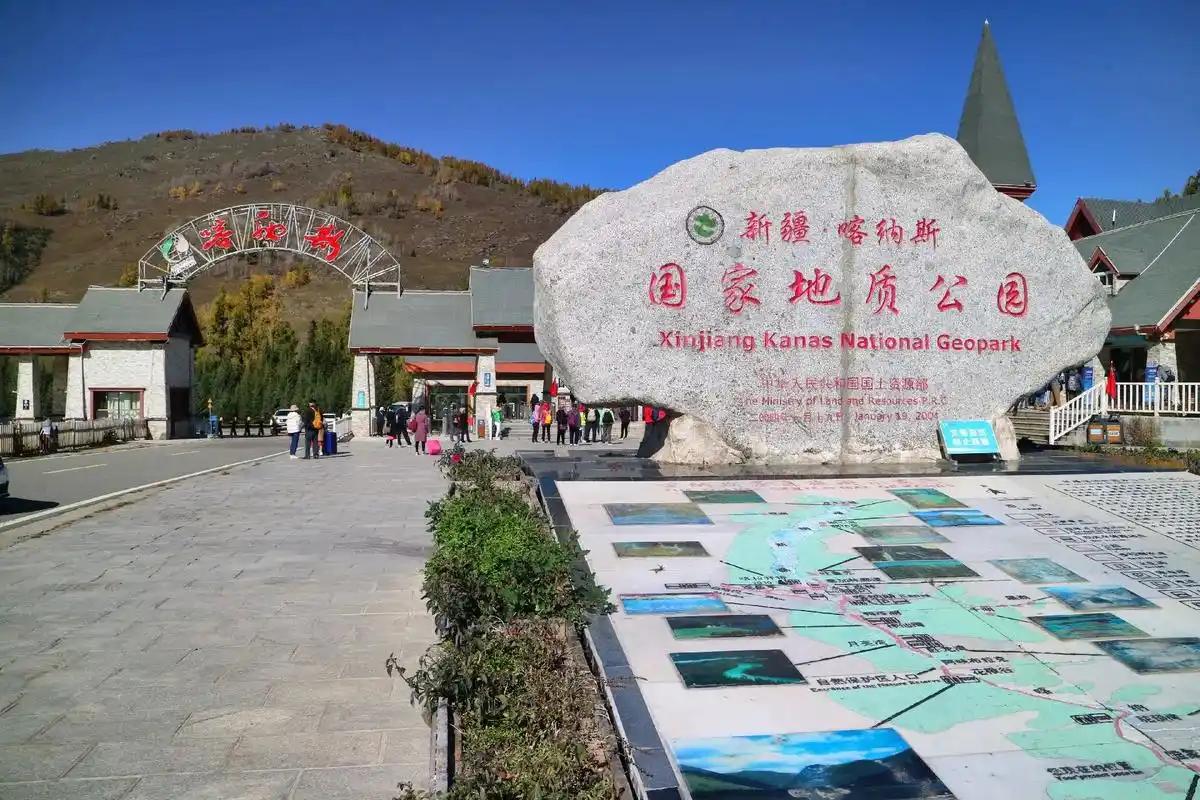
For Xinjiang, June through October is the safe window. Kanas turns gold in late September and early October, which is the prettiest and the busiest. The Ili apricot blossoms show up in late March and April if you want solitude and pink valleys. The Duku and Karakoram highways close once snow arrives, usually by late October, and do not reopen until the following June.
Qinghai is a July-and-August story. The rapeseed fields around Menyuan go yellow, the Qinghai Lake cycling festival fills the causeway, and the temperatures stay cool enough that you sleep with the window open. Go in winter and you will have the place to yourself, but the wind at the Lake will remind you why nobody else came.
Where to sleep
Xinjiang runs the full range. Urumqi and Kashgar have international-standard hotels, while the grasslands around Nalati and the Pamir villages offer yurts and basic guesthouses where the bathroom is a walk across the yard. Book the famous spots — Kanas and Hemu — months ahead for October, because the room count is fixed and the demand is not.
Qinghai is easier. Xining has solid hotels at every price point, and along Qinghai Lake a string of lakeside camps and guesthouses has opened in the last few years, centered on Heimahe and Erlangjian. Pick a lower elevation for your first night if you are coming straight from sea level; spending night one in Xining at 2,275 m beats arriving straight at the Lake at 3,200 m.
What to eat on the loop
Xinjiang food is the headline act. Shawan’s big plate chicken started as a roadside truck-stop dish and is now a region-wide ritual; lamb skewers and fresh naan are on every corner; laghman noodles and zhua fan (lamb pilaf) keep you moving through long driving days. The melons in summer are unreal.
Qinghai eats quieter but hits hard. Xining does a yak-beef hotpot that fixes any cold evening, and the Hui Muslim quarter serves noodles that would not be out of place in Kashgar. Out on the plateau you will meet tsampa (roasted barley flour) and butter tea, which taste like an acquired habit but mean a lot to the people who feed you. Both regions share that halal, road-trip-friendly thread, so vegetarians will find fewer options than they hope.
Practical tips before you book
Permits matter. Southern Xinjiang’s Pamir and border areas require a border defense permit, which you can sort in Kashgar with your passport. Qinghai’s Lake loop needs nothing special, but if you continue past Golmud toward Lhasa you will need a Tibet entry permit arranged in advance.
Carry some cash. Mobile payment works at most hotels and chain stores, yet the roadside lamb stand and the yurt host rarely take cards. Altitude is the other quiet variable: Qinghai Lake sits at 3,200 m, so take day one easy, drink water, and skip the running. In Xinjiang the core routes are lower, but the Pamir will test you if you fly in and drive up the same day.
Finally, respect the distances in Xinjiang. A “short” hop on the map can be a five-hour drive once you factor in checkpoints and fuel stops. Build buffer days or you will spend the trip watching the windshield instead of the scenery.
A sample 5-day and 12-day plan
If Qinghai is your pick, a 5-day loop works: Day 1 Xining and Ta’er Monastery; Day 2 drive to Qinghai Lake via Erlangjian; Day 3 circle the Lake and head to Chaka Salt Lake; Day 4 Menyuan rapeseed fields (best in July); Day 5 return to Xining. You never drive more than four hours in a day.
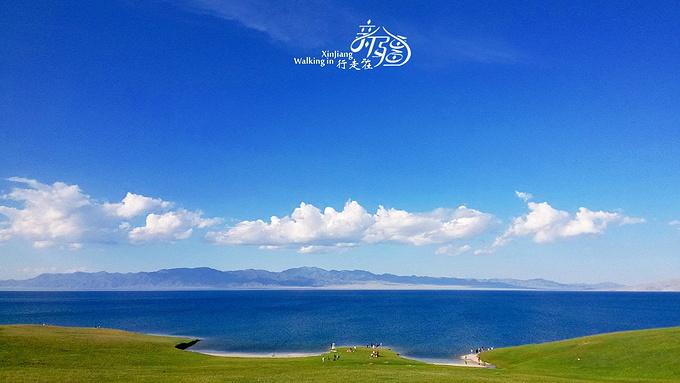
If Xinjiang wins, give it 12 days on the north loop: Day 1 Urumqi; Day 2–3 Turpan (Flaming Mountains, Karez, Grape Valley); Day 4–5 the Duku Highway into the Ili valley — see Ili versus Altai if you are choosing between the two northern regions; Day 6 Sayram Lake; Day 7–9 Kanas and Hemu; Day 10–11 drive back via the desert highway; Day 12 fly out of Urumqi. If you are torn between the two lakes up north, our Kanas versus Sayram Lake breakdown helps you split the time.
Frequently asked questions
Can I do both in one trip? Technically yes, by linking them on the G30, but it is a 2,000 km transfer between the two. Most people are happier treating them as two separate trips.
Which is better for a first-time China road tripper? Qinghai. The loop is shorter, the roads are gentler, and the support infrastructure is denser. Xinjiang is the reward you earn after a trip or two.
Do I need a 4WD? No. The main highways and the Lake loop are fine in a normal sedan or compact SUV. Some Pamir side tracks are happier with higher clearance, but they are optional.
Is altitude a real problem? In Qinghai, yes for some travellers at Lake level. Xinjiang’s core is lower, but the Pamir reaches well above 3,000 m, so acclimatise before you go up.
Which has the better food? Subjective. Xinjiang’s skewers and naan are iconic for a reason. Qinghai’s yak hotpot and Hui noodles are the underrated choice that regulars quietly prefer.
Disclaimer
This comparison reflects road conditions, permit rules, and prices observed through mid-2026, and all of those change. Highway opening dates (the Duku and Karakoram close for winter), border permit procedures, and accommodation availability shift year to year. Confirm current details with the official Xinjiang and Qinghai tourism bureaus and your own embassy or consulate before you travel. The author and publisher are not responsible for any changes, losses, or disruptions arising from reliance on this guide.
About the author
Karl Huang is a travel writer who has driven more than 8,000 km across Xinjiang and Qinghai over five separate trips. He focuses on practical, first-hand road-trip planning for independent travellers and writes for Xinjiang Attractions. His work favours real distances, honest food, and the small logistics that decide whether a trip goes smoothly.