Published: 21 August 2026 | Author: Karl Huang
Most travelers pass through Wusu Xinjiang without a second thought, treating it as a blink on the highway between Urumqi and the Ili valley. We did exactly that on our first lap west, until a friend in Kuitun waved us off the G30 and told us to find the brewery. That unplanned afternoon became one of the more honest stops of the whole trip. Wusu is the county town behind the beer that everyone across northwest China calls “the lethal one” — and the place turns out to be a useful window into how ordinary towns here actually earn their living.
Wusu at a glance
| Item | Detail |
|---|---|
| Location | Northern slope of the Tianshan, Junggar basin edge, Tacheng Prefecture |
| Best for | Beer culture, easy stopover, oasis-and-Gobi contrast |
| Getting there | Train or self-drive, 2.5–3 hours west of Urumqi |
| Best months | July–August (beer festival), late September–October (poplar gold) |
| Typical stay | Half a day to one night |
Wusu’s name is tied to the river that feeds the oasis, and the settlement has been a waypoint for as long as the northern corridor has been traveled. What changed its fortune was the brewery, founded in the 1980s, which turned a quiet agricultural county into a label recognized from Urumqi to Kashgar. Understanding that arc — farmland first, factory second — is the key to enjoying the place without expecting postcard scenery.
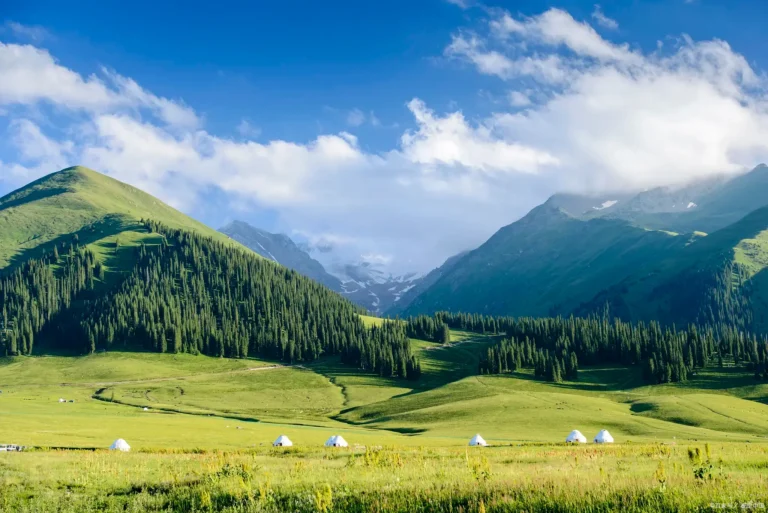
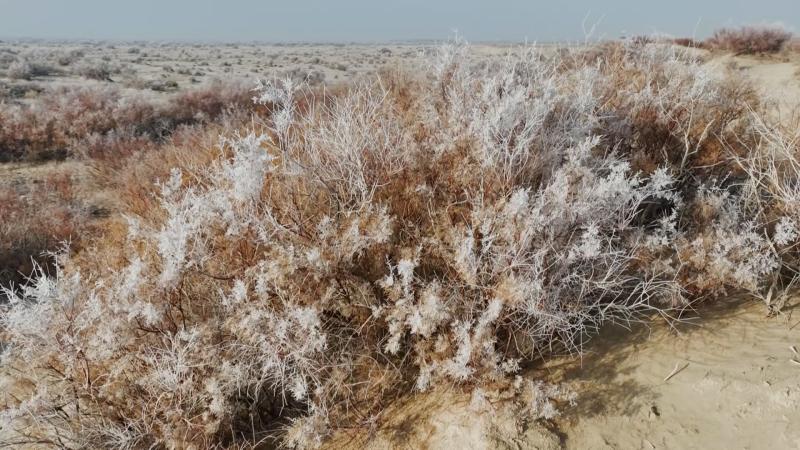
The town sits where the last irrigated fields of the north run straight into the Gobi. It is a working county-level city, not a scenic district, and that is precisely why it rewards a stop: you see the logistics, the agriculture, and the industry that keep the region moving, rather than a curated viewpoint.
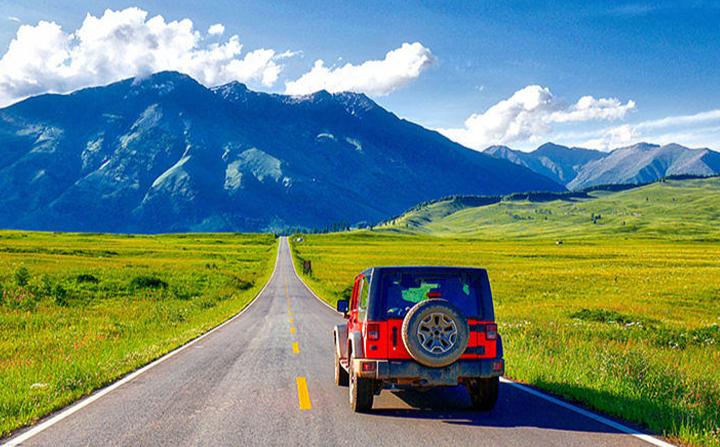
Why we pulled off the highway
We arrived around four in the afternoon and went straight to the Wusu Beer brewery on the east side of town. The tour is short — a walk past the fermentation halls, a small museum of labels going back to the 1980s, and a tasting room where the staff pour the standard lager and the stronger “Red Urho” line. What stuck with us was the nickname. Locals call it 夺命大乌苏, roughly “the life-taking big Wusu,” a joke about how easy it is to keep drinking it through the night. The brand is now run by Carlsberg, but the local pride has not faded; the bottle still carries the old 乌苏 character mark, and taxi drivers will tell you the story unprompted.
After the brewery we walked the central square, then followed the smell of charcoal to a row of night-market stalls near the river channel. The contrast is the point: a modern, slightly dusty town with a product that travels a thousand kilometers and comes back as a symbol of the whole northwest.
One detail we did not expect: the brewery sits at the edge of a working district, and between the fermentation halls you can see the old brick warehouses that predate the Carlsberg era. A retired worker who joined our tour remembered hand-bottling runs in the early 1990s, when the beer reached only the nearby prefectures. That scale — from a few towns to the whole northwest — is the real story of Wusu, and it is more interesting than any single landmark.
Getting to Wusu Xinjiang by train and road
Wusu has its own station on the Northern Xinjiang railway, and several trains a day run from Urumqi in roughly two and a half to three hours. If you would rather drive, the self-drive route follows the G30 Lianhuo Expressway due west; it is a straight, well-paved run that most travelers combine with a night in nearby Kuitun or Shihezi. The high-speed rail network also serves the corridor, though you may change at Urumqi for the fastest connection. Wusu administratively belongs to the wider northern cluster covered in our Changji guide, so it slots neatly into almost any Urumqi-to-Ili plan.
The rail distance from Urumqi is about 240 kilometers, and a second-class seat costs little; buses also leave Urumqi’s long-distance terminal several times a day if you would rather not train. From Kuitun the hop is under twenty minutes by car, which is why many travelers treat the two as a pair. If you are on a longer self-drive loop, budget roughly three hours of actual driving from the capital plus breaks, and fill the tank before the Gobi stretches where stations thin out.
Best time to visit Wusu
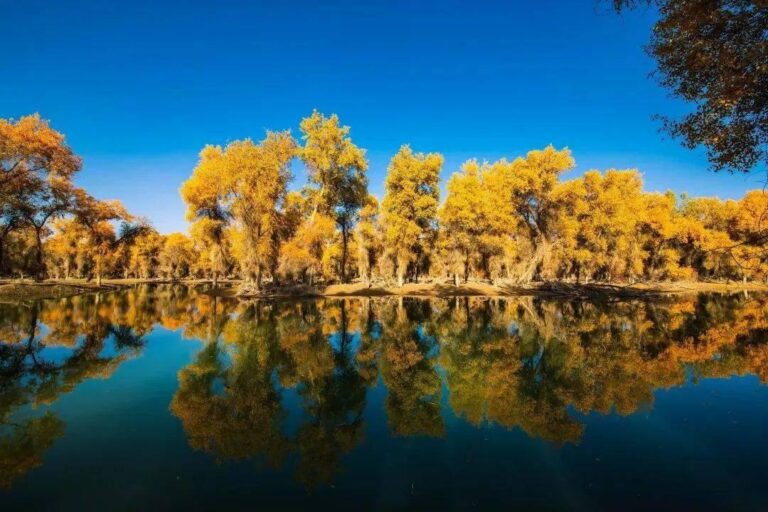
Two windows make sense. In July and August the town hosts its beer festival, with open-air stages, long tables, and far more energy than the quiet off-season suggests. If you would rather see the landscape, come in late September or October, when the poplar forests turn gold across the northern basins and the heat backs off. Spring is windy and the winter is long and cold, so we would not build a trip around those months.
Summers in Wusu are hot and dry, with daytime highs often above 30°C, while nights cool enough to make the beer festival comfortable. Autumn brings the clearest light and the gold of the poplars without the crowds. We traveled in early August and found the heat manageable thanks to an afternoon rest; if you come in winter, expect sub-zero cold and a town that largely shuts its outdoor life down until spring.
Where to stay
The practical choice is a standard hotel near the train station or along the main commercial street; rooms are inexpensive and clean, and you will only need one night. Some travelers base themselves in Kuitun, ten minutes up the road, which has a wider range of hotels and restaurants. Book ahead during the beer festival, when rooms tighten and prices climb.
What to eat and drink
The obvious move is the beer, ideally paired with lamb skewers, naan, and a bowl of laghman noodles from a corner shop. Wusu’s food street comes alive after dark, and the portions are sized for sharing. Our own dinner ran to a plate of cumin lamb skewers, a whole naan torn for the table, and two of the standard lagers each — the bill came to less than a mid-range café back home. The skewer masters work over a trough of glowing coals and will adjust the spice if you ask. Vegetarians do less well here; the local diet centers on meat and noodles, though the market sells fresh melon and tomatoes in season. If you enjoy regional drinks more broadly, our piece on Manas wine and wetland covers the next stop south, and the farm country around Hutubi shows the agricultural belt that feeds all of this. Drink the local beer, certainly — just do not get behind the wheel afterward; Xinjiang enforces drink-driving checks, and a designated driver or a walk back to the hotel is the only sensible plan.
Practical tips before you go
Bring both Alipay and a little cash; smaller stalls sometimes prefer cash. Mandarin gets you through most situations, and a few phrases of Uyghur are appreciated but not required. The brewery tour keeps daytime hours and may close on odd weekdays, so confirm before you go. Mobile coverage is fine in town but drops on the open Gobi stretches, so download your maps in advance.
Power adaptors are the standard Chinese type; bring a backup battery because photo sessions at the night market drain phones fast. The town is flat and walkable, but the distances between the station, the brewery, and the food street argue for the occasional taxi, which is cheap and easy to flag. If you plan to drink, agree the fare or open a ride app before you start the round.
A simple one-day Wusu plan
Arrive by late-morning train. Store bags at the hotel, then take a taxi to the brewery for the late-morning tour and tasting. Walk the central square for lunch at a noodle shop, rest through the hot afternoon, and return to the food street after sunset for skewers and, of course, the beer. Leave the next morning for Kuitun or continue west toward Ili. It is a low-effort day that costs little and gives you a story most tourists miss.
Frequently asked questions
Is Wusu worth a dedicated trip? Not as a destination on its own. As a half-day stop between Urumqi and Ili, or during the beer festival, it is genuinely fun and cheap.
Can I tour the brewery? Yes, there is a public tour and tasting, but hours vary, so call or check locally first.
Is the beer really that strong? The standard lager is normal strength; the “Red Urho” line is noticeably stronger, which is where the nickname comes from. Pace yourself.
How long should I stay? One night is enough for most travelers.
Is Wusu safe? Like the rest of Xinjiang, the town is calm and patrols are visible; we walked the night market late without concern. Normal city precautions apply.
Can I buy Wusu Beer to take home? Yes, supermarkets and the brewery shop sell it, but check your home country’s rules on importing alcohol before you pack a crate.
Before you go (a note on accuracy)
Train times, festival dates, and brewery hours change, and this article reflects our visit in 2026. Confirm current schedules on the official railway and Xinjiang tourism channels before you travel. We are not medical or legal professionals; the notes on alcohol are common-sense reminders, not advice.
About the author
Karl Huang is a travel writer who has spent several seasons driving and riding across Xinjiang, from the Pamir plateau to the Junggar basin. He focuses on practical, first-hand guidance for independent travelers and writes for the Xinjiang Attractions editorial team.