Published: September 11, 2026 | Author: Karl Huang, travel writer based in Urumqi
The first time we drove out from Korla travel guide toward the lake, in the second week of January, we expected open water. Instead we found a white plain of ice with a band of yellow reeds along its edge and the sound of diesel engines carrying across the flat. That noise was the reed harvest. We have made three trips to the Bosten Lake wetland park since 2019, two in deep winter and one in early September, and the reed beds are what we keep coming back for.
Bosten Lake wetland park in numbers
| Lake surface area | about 1,646 km² |
| Surface elevation | 1,048 m |
| Average / maximum depth | 9 m / 17 m |
| Wetland park area | 157,371 ha (1,573.71 km²), the largest national wetland park in China |
| Park status | pilot approved February 2012, national status confirmed December 2017 |
| Reed beds | about 600,000 mu, roughly 40,000 ha |
| Annual reed harvest | roughly 210,000 to 260,000 tonnes |
| Harvest window | December to mid or late February |
| Bird species recorded | more than 190 |
| Distance from Korla | about 60 km, one hour by road |
| Admission | no single lake-wide ticket; roughly CNY 16 to 45 per scenic area |
| Best months for the reeds | September and October; January if you want to see the cut |
Two clarifications before the detail. The wetland park is not a fenced attraction with one gate. It takes in the big lake, the sixteen-odd small lakes to the southwest, and the final stretch of the Kaidu River that feeds the whole system. And the harvest is not a performance for visitors. It is a working season, and anyone wandering into it is a guest.
Walking into the reed belt
Our usual entry point is the Lianhai Shijie area at the southwest corner, which locals still call Ahongkou. The name promises a sea of lotuses, and in July that is close to accurate. What struck us more was the scale of the reeds behind the lily beds: four and five metre walls of green standing in shallow water with channels cut through them. A boat and guide cost CNY 40 to 120 depending on the route, and it is the only sensible way to see the channels. On our first visit we tried to walk a short cut back to the boardwalk. Twenty minutes later we were still in reeds, following a channel that kept turning.
How big the reed beds really are
Six hundred thousand mu sounds like a marketing number until you see the map. That is about 40,000 hectares, roughly two thirds natural stand and one third managed reed field cut on rotation. With Baiyangdian in Hebei, Qilihai in Tianjin and the Liaohe delta, this is one of the four great reed regions of China, and by most measures the highest quality of the four. About 78 percent of the crop meeting industrial grade stands over two and a half metres, with long fibres and low moisture. In a strong water year the Bohu forestry bureau has reported averages of four to eight metres, unusually tall for common reed anywhere, and a direct result of heavy Kaidu River flow off the Tianshan snowmelt.
The winter cut: working the ice
Cutting starts when the ice is thick enough to hold machinery, usually around 30 centimetres, and runs until the eastern marsh is cleared, a forty to sixty day window between early December and late February. Mechanisation changed the maths of it. A loader-based harvester now cuts and gathers forty to sixty tonnes a day, where a person with a scythe managed one or two. At the peak of the 2022 season the county counted more than 500 machines on the ice and around 1,400 transport vehicles. Roughly 2,000 farmers work the season, most of them during what used to be the quiet winter months.
Wages are decent by rural standards. Machine operators reported 400 to 500 yuan a day once fuel was deducted, a season total near 20,000 yuan. The cut is also an ecological measure. Left standing, old reed shades out the new shoots in spring and locks up nutrients; cut on rotation, the stand comes back denser. The rangers we spoke to were clear that harvest and bird counts are not in conflict, provided cutting stops at the marsh margins where the cormorants nest.
Where the harvested reed goes
Paper is still the biggest destination. The largest pulping plant in northwest China sits in the corridor between Korla and Bohu, running natural-colour reed pulp into tissue and household paper, a line the company says was the first of its kind domestically. Reed also leaves the lake in less obvious forms. Mixed with cotton stalk and offcuts, it is pressed into particleboard. Bundled and buried, it becomes straw checkerboards and sand barriers along desert highways and the railway toward the Taklamakan, which is where much of the lower-grade crop ends up. Smaller volumes go to fodder, reed-root tea and activated carbon. There is research into extracting cellulose for biodegradable plastic, none of it commercial yet.
Twenty-two steps: reed painting in Bohu
The most surprising use is the one you can hold. In a workshop in Bohu county we watched reed painting being made, a craft that came from Hebei and Henan and was rebuilt around local material. Du Yuxin grew up beside the lake. She spent a year travelling to the main reed-art towns and learning from folk artists before opening the Alqi workshop. Her argument was simple: this reed is springy, takes heat well and does not rot.
The process runs through more than twenty stages. Stalks, leaves and seed heads are soaked, flattened, thinned with a blade, then trimmed and assembled into landscapes and figures. Nothing is painted. Every colour comes from scorching the reed with heated tools, so the shading is permanent and cannot fade the way pigment does. The workshop produces two to three thousand pieces a year, sells some to buyers in Japan and South Korea, and holds a place in the Xinjiang Gift catalogue. It also trains a few hundred rural residents a year, most of whom work from home on piece rates.
Cormorants, gulls and the watching towers
Reed this dense is habitat, and the bird numbers are the proof. More than 190 species have been recorded around the lake, and in migration season twenty to thirty thousand water birds can be sitting on the water at once. Red-billed gulls are the most numerous and the least shy. Cormorants concentrate in the reed beds at Luoxiawan, fishing in small groups and drying their wings on the stalks. The pumping-station shore draws egrets, plus mute and whooper swans after the first hard frost. Recent years have added species not recorded here a decade ago, including little bittern and several waders.
Monitoring is more organised than most visitors realise. A national observation and research station for the wetland ecosystem opened in 2017, and the park’s management station keeps rangers on watchtowers counting birds daily. They also run drone surveys and put out supplementary food at the main gathering points during cold snaps. If you want to watch birds here, the etiquette is simple: stay on the boardwalk or road edge, keep drones on the ground near flocks, skip the flash, and do not push into the reed walls for a closer shot. You can link this stop into a longer birdwatching in Xinjiang route if birds are the main reason for your trip.
Getting here from Korla
Almost everyone arrives from Korla. The run is about 60 km on the G218 and takes an hour on good tarmac. Public transport is slower but workable: a coach to Bohu county town costs around 22 yuan and takes ninety minutes, then a taxi to the nearest lake gate is roughly 20 yuan. From Korla Licheng Airport the drive is an hour. Tickets are sold per scenic area. The 2026 range we saw was about 45 yuan at Dahekou, 16 to 35 yuan at Lianhai Shijie depending on package, and a south-shore combination ticket near 60 yuan covering three areas. Boat rides are extra. Hours sit around 10:00 to 19:30 in the warm months and close earlier in winter, so confirm at the gate.
Seasons in the reeds
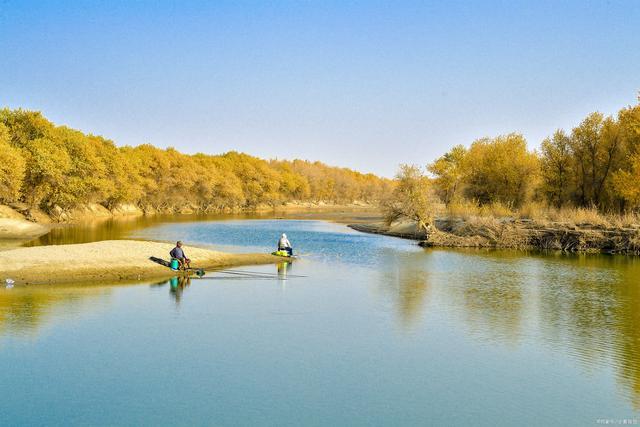
April and May are the weakest months. Wind lifts dust off the basin and the reeds are still short. June to August is peak green: lilies open across the small lakes, the reed walls reach full height, and midday heat is punishing enough that a morning visit is the only comfortable option. September and October are the months we would choose. The reeds turn gold, the crowds thin, bird numbers climb, and the light on the water lasts and lasts. December to February is for the harvest and the ice, plus a winter fishing festival that draws a local crowd. Note that the basin runs on Beijing time while sitting two time zones west of it, so midwinter sunrise arrives close to 09:00 and July dusk not until after 21:00.
Where to stay and what to eat
Sleeping in Korla is the sensible default. Chain and local hotels there run 120 to 220 yuan a night, with restaurants within walking distance and an hour’s drive to the water. Inside the Bohu county area you trade convenience for proximity: county town guesthouses are simple and cheap, yurt camps run by the Torghut Mongolian community start near 150 yuan, and the lakeside resort at Dahekou can climb to 800 yuan in peak season. Food is a reason to come in itself. Bosten Lake is Xinjiang’s largest inland fishery, and the local perch, listed on menus as wudahei for the five dark bars on its flank, is best grilled over charcoal. Order it with a whole fish served two ways, head poached into soup and the body braised, and finish with belt noodles stirred through the fish gravy. Our piece on Bosten Lake fish covers the wider picture.
Practical notes for reed country
Mosquitoes in the reed channels from June to August are serious, so bring repellent and wear long sleeves on the boat. Sunlight bounces off the water with real force; a hat and sunglasses matter more than sunscreen. Evenings on the shore are windy and cool in every season. Do not pick lilies or cut reeds, both are protected, and do not walk into the marsh channels alone. Cell coverage thins on the far southern shore and there are no ATMs once you leave the county town, so carry cash for boats and small vendors. In winter, respect the working season: harvest machinery has right of way on the ice roads, and the ice is not a footpath.
A two-day plan built around the reeds
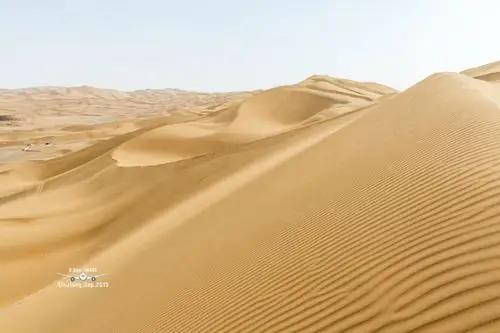
Day one, arrive from Korla by late morning and drive straight to Lianhai Shijie. Take a boat through the channels, then walk the boardwalk for an hour or two in late afternoon when the reeds catch the low sun. Eat lake fish in the county town and sleep either there or back in Korla. Day two, start early at the pumping-station shore for birds, then drive to Dahekou for the open-water viewpoint and the south-shore dunes, where lake and desert sit side by side. Lunch on grilled perch, then either head to the fishing port for the last of the day or start the return drive. If you are here in January, swap day two for the harvest, parking well clear of the ice roads and watching from the marsh edge.
FAQ
Can I visit during the reed harvest? Yes. The harvest happens on the ice and is not fenced off, but stay on the shore or the marked roads, keep clear of machinery, and never walk onto the ice near a cut edge.
Is there one ticket for the whole lake? No. Each scenic area sells separately, and a south-shore combination ticket covering Dahekou, Lianhai Shijie and Bailuzhou is usually the best value if you plan to see more than one.
When is the best time for birds? Late September to November and again in March and April. Cormorants and gulls are reliable through the warm months, and swans appear on the open water after the first hard frost.
Disclaimer
Ticket prices, opening hours and boat rates at Bosten Lake are set individually by each scenic area and change with the season, so treat every figure here as a guide rather than a quote. Bird numbers and harvest dates vary with water levels and weather. We have no commercial relationship with any hotel, operator or workshop mentioned.
About the author
Karl Huang has travelled across Xinjiang since 2016, with a particular interest in the wetland and oasis systems of the Tarim Basin. He writes about practical logistics, seasonal timing and the working landscapes that most guidebooks skip.