Published: October 19, 2026 | Author: Karl Huang
Baihaba village is the last settlement before the line. We reached it on a cold October morning after an hour of switchbacks west of Kanas Lake, and the first thing our driver did at the gate was ask for our border permits. This is not a formality you can talk your way past. Baihaba sits inside a regulated frontier zone on the Kazakhstan border, and the document that lets you in is as necessary as a ticket. This guide comes from two trips through the village, plus the published rules of the Kanas scenic administration and the Altay prefecture government.
| Item | Detail |
|---|---|
| Location | Habahe County, Altay Prefecture, at the northwestern corner of the Kanas scenic area |
| What it is | A Tuva and Kazakh wooden-cabin village inside a border-control zone |
| The border | Fronts Kazakhstan directly; part of China’s northwestern frontier, often called the northwest first village |
| Permit | A border entry permit (border-area pass) is required on top of the Kanas scenic ticket |
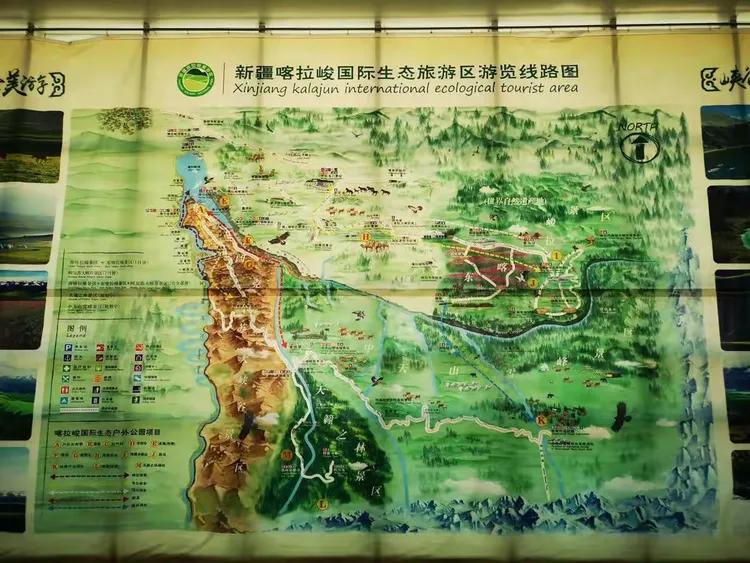
| Distance from Kanas Lake | About 30 km west by the scenic road, roughly one hour by shuttle or chartered car |
| Best months | Late September to early October for golden autumn; July to August for green pastures |
| Status | Component of the Kanas national scenic area and nature reserve |
Why Baihaba village sits on the border line
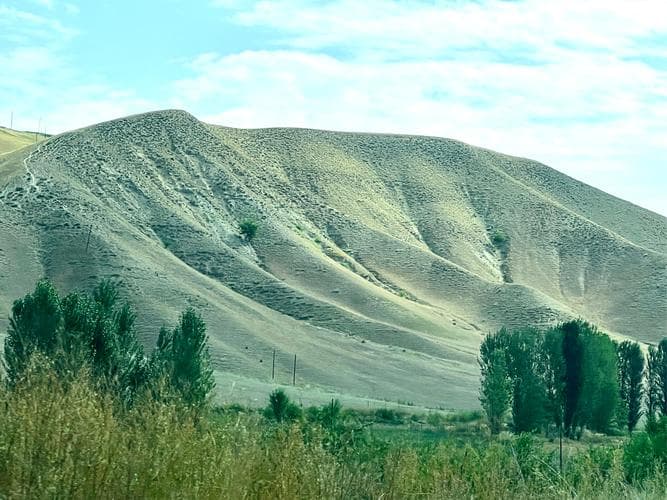
Most travellers meet Baihaba as a footnote to Kanas. It deserves its own day. The village lies at the northwestern end of the Kanas reserve, where the mountains fall away toward Kazakhstan and the valley opens to a pale steppe rather than another lake. Locals call it the northwest first village of China, and the phrase is not tourism copy. A boundary marker and a border sentry post sit just beyond the last houses, and on a clear day you can see the Kazakh hills across a fence that runs along the ridge. We walked out to the marker one afternoon and were waved back by a soldier before we got within a hundred meters. That is the part of Baihaba you will not find in the brochures: the village is real, but the edge of it is a working frontier.
The Permit You Cannot Skip
This is the single fact that ruins trips to Baihaba, because almost nobody remembers it until they are at the gate. Entering the village requires a border entry permit issued by the public-security authorities, on top of your Kanas scenic-area ticket. The Kanas scenic administration’s own permit guide lists Baihaba village as a controlled zone. Non-Xinjiang residents can apply at entry-point offices, including the one at the Tiereketi (Tierefuti) gate on the Habahe side and the border-police office by the Kanas transfer centre; Xinjiang residents apply in their home county. The permit is free, valid for up to three months, and takes minutes if your paperwork is in order. Bring your passport or ID, and do it before you buy the shuttle ticket, because the gate will not let you board without it.
What the Wooden Houses Are Made Of
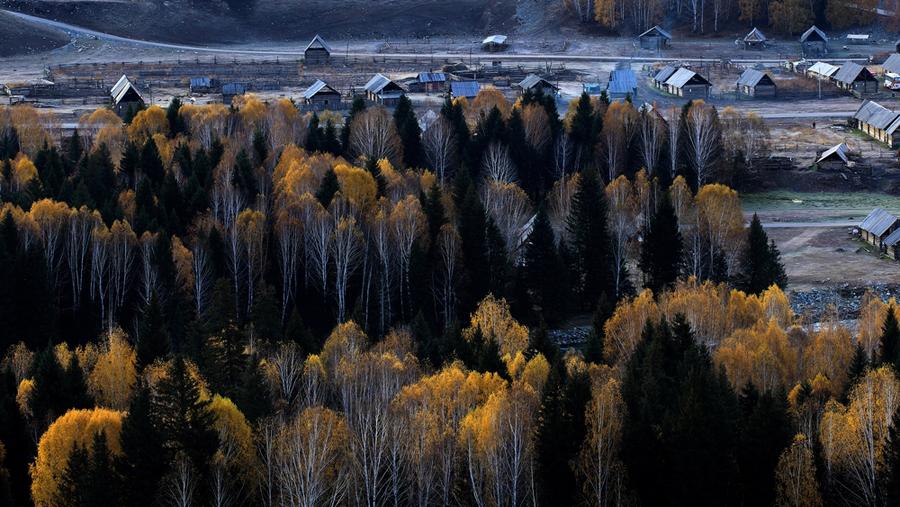
The houses are the reason photographers come. Baihaba is built from stacked logs, the same spruce and larch cabins you see in Hemu, with pitched roofs weighted against the snow and plank fences marking each yard. The building style belongs to the forest villages of the Altai, and it reads as older than it is because the materials are local and the method has not changed. We stayed in a two-room cabin with a wood stove that the host lit at dusk; by nine the room was warm enough that the frost on the window looked like a separate country. The Tuva people of the Kanas region keep these houses, and a few Kazakh families do too, which is why the village sounds different from a Han town: you hear Kazakh and a Tuva dialect at the same table.
A Morning at the Edge of the Country
Get up before the tour buses. We were out at seven, when the light came flat from the east and the cabin roofs threw long shadows across the pasture. Smoke from the stoves drifted sideways in still air, and a line of horses moved down to the creek against a backdrop of bare poplars. The border fence is visible from the upper path, a thin steel line with a yellow marker every few hundred meters, and beyond it the land simply continues, Kazakh and unnamed from where we stood. That quiet, watched edge is what separates Baihaba from every other pretty village in Ili or the Tian Shan. You are allowed to look. You are not allowed to cross, and the drones are watched more carefully than the people.
Getting to Baihaba From Kanas and Habahe
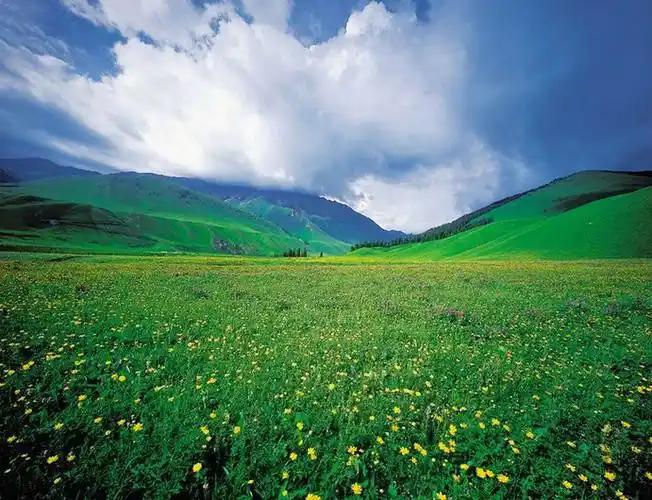
There are two ways in, and they feel like different trips. The Kanas-side approach is the common one: from Kanas Lake you take the scenic road west, about 30 km, and the shuttle or a chartered car drops you at the village. The Habahe-side approach runs through Tiereketi township and the border gate, and it is the route you use if you are coming from Habahe County or Burqin without entering Kanas first. Either way, the permit checkpoint is the gate, and the road beyond it is narrow and shared with livestock. Allow a full hour from Kanas and longer from Habahe. There is no train and no public bus to the village; everything is a car or the scenic shuttle. Fill the tank and buy water before you leave the last town, because there is nothing to buy once you are inside.
When the Frontier Turns Gold
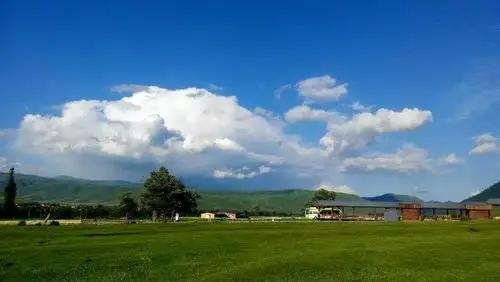
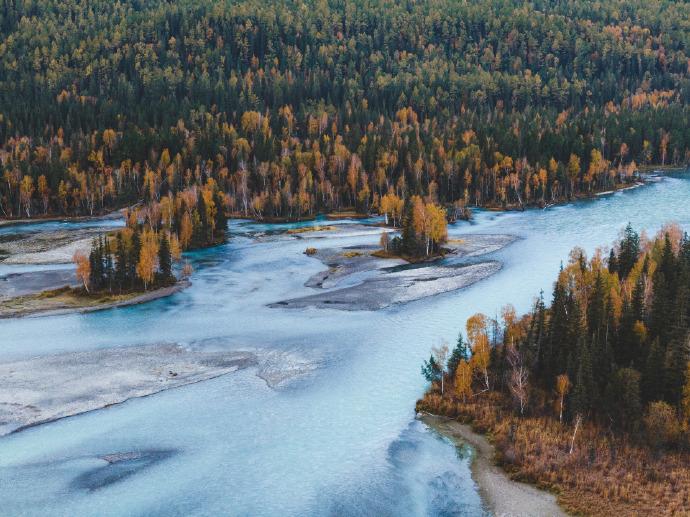
Baihaba has one season that justifies the permit and two that are merely pleasant. The justified season is early October, when the poplars and birch around the village turn gold and the snow line drops to the ridge behind the cabins. The Altay government’s autumn notes on Baihaba point to late September into October as the window, and the village fills during the National Day week at the start of the month. If you can come the week after the crowds, you get the colour without the jam. Summer, July and August, is green and cool and empty by comparison, good for the pastures but not for the photographs. Winter is striking and very cold, with the fence and cabins under deep snow, but the border road can close after heavy falls, so check before you set out.
Sleeping in a Log Cabin
You can sleep inside the village or use it as a day trip from elsewhere. The in-village option is a homestay in a wooden cabin, simple and shared, with a stove and a family breakfast of milk tea, naan, and honey. We paid for a cabin with two beds and a shared bathroom block, and it was enough. The comfortable alternative is to stay in Kanas village, Jiadengyu, or Burqin and come up for the day, which avoids the cold and the early permit queue at the cost of the morning light. Book the in-village cabins for October well ahead, because the gold week takes every bed.
Food at the Last Stop Before the Line
The food is pastoral and filling, built for cold mornings. Breakfast was milk tea, fresh naan from the tonur, butter, and thick yogurt. Lunch ran to hand-pulled laghman and a plate of lamb cooked over coals, and dinner was the same lamb cold with onion, the way herding families eat it. In autumn the homesteads add wild apples and mushrooms picked on the slope behind the village. There is no restaurant culture here, just family tables and a couple of small eateries near the parking, so eat where you sleep and carry cash, because the card reader and the signal both give out at the border.
Rules of the Border Zone
- Carry the border permit at all times. Checkpoints on the road ask for it, and a polite soldier will turn you back without it.
- Leave the drone in the car. Flying near the frontier is restricted, and the border police take it seriously.
- Stay on the marked paths and out of the fenced strip by the line. The sentry post is not a photo opportunity.
- Photograph people with permission. The village is someone’s home, not a stage set.
- Book the cabin and the shuttle together through the official channel so the permit and the ticket line up.
- Dress for a twenty-degree swing. The village sits high, and the wind off the steppe cuts through a light jacket.
A Half Day in Baihaba Between Two Countries
This is the shape we would give a first visit if Kanas is already on the plan.
Morning, Kanas to Baihaba. Take the first shuttle west from Kanas Lake after clearing the permit check, reach the village before nine, and walk the upper path to the fence and back before the day-trippers arrive from Habahe. Eat a homestay breakfast, then walk the creek line and the cabin lanes.
Midday, the village and out. Have lunch with the family, buy a handful of wild apples, and ride back to Kanas or continue to Hemu village, the better-known wooden settlement an hour south, for the second night. If Baihaba is your only Altai stop, return to Burqin for the evening and the night market. Either way, treat the permit as single-entry for the day, so plan the loop before you cross the gate.
Questions Visitors Ask About Baihaba
Do I really need the border permit? Yes. The Kanas ticket alone will not get you past the Baihaba gate. The permit is free and quick if you apply at the entry-point office with ID.
Can I walk to Kazakhstan? No, and do not try. The fence and the sentry post are active, and wandering past the marker draws an immediate response.
Is Baihaba the same as Hemu? No. Both are wooden Altai villages and both hold Tuva residents, but Hemu sits south of Kanas and Baihaba sits on the Kazakhstan border. They are different trips with different rules.
How long is the drive from Kanas? About 30 km, roughly an hour by the scenic shuttle or a chartered car, longer in snow.
When is the colour at its best? Late September into early October, with the first week of October the busiest. Come the week after for gold without the crowds.
A Straight Word Before You Go
This guide reflects our visits in 2024 and 2025 and the published rules of the Kanas scenic administration and the Altay prefecture government. The permit office, the shuttle schedule, and the border-zone rules change with the season and with security conditions, so confirm the current arrangement at your hotel or the Kanas transfer centre before you set out. Ticket and shuttle prices shift year to year; treat any figure here as a range, not a quote. Baihaba is a frontier village first and a viewpoint second, and the people who live there are not part of the scenery. We have no commercial tie to any operator mentioned.
About the author
Karl Huang writes about overland and frontier travel in Xinjiang, with a focus on the Altai and the Kanas region. He has crossed into Baihaba from both the Kanas and Habahe sides and reports what the border rules actually require, including the parts that catch first-time visitors out.
Questions travelers ask about Baihaba village
Do I need a permit for Baihaba?
Yes. Baihaba sits on the China-Kazakhstan border and requires a border permit (边防证), obtained in Habahe or at Kanas; without it you cannot enter the village.
How do I get to Baihaba?
By the Kanas scenic-area shuttle from Kanas or Habahe. Private cars are restricted inside the reserve, so plan on the official transfer and start early.
When is the best time to visit Baihaba?
Late September to mid-October, when the birch and larch turn gold and the frontier light is at its best. Summer is green and quiet; winter is harsh.