Published: October 27, 2026 | Author: Karl Huang
Why most visitors hand the wheel to someone else
When you look at a map of Xinjiang, the first thing that hits you is scale. The region covers more than 1.6 million square kilometres, and the drive between Kashgar in the far west and Urumqi in the centre is close to 1,500 kilometres of highway. For a foreign traveller on a two-week trip, that geography is the whole puzzle. A Xinjiang private driver exists precisely because very few visitors want to solve it from behind a steering wheel.
I have done three trips across the region and handed the wheel to a local on two of them. This guide comes from those trips, the good and the one that went sideways. I am not a tour operator, so nothing here pushes a specific company.
The numbers before you book
| Option | Who drives | Typical 2026 daily cost | Best for |
|---|---|---|---|
| Charter with driver | Local professional | Yuan 900 to 1,600 | First-timers, long hauls, border zones |
| Self-drive rental | You | Yuan 300 to 600 plus fuel and deposit | Confident drivers with a Chinese licence |
| Guide on foot plus taxi | You, plus short rides | Yuan 400 to 800 guide fee | Single-city stays like Kashgar or Urumqi |
| Public transport | Bus or train crew | Yuan 30 to 200 per leg | Tight budgets, fixed routes |
These ranges come from 2026 listings on platforms such as Ctrip and from quotes we collected in Kashgar and Urumqi. They are ballpark, not fixed quotes, and remote counties run higher because the driver often deadheads back empty.
What our first chartered week actually felt like
We arranged our first driver through the front desk of a Kashgar hotel, almost by accident. The plan was three days: the old town, then up the Karakoram Highway to Tashkurgan and back. What we did not expect was how much mental load lifted when we pulled away.
Our driver, a quiet man who had run the Karakoram route for eleven years, did not just drive. At the first checkpoint he rolled down the window, handed over our passports and the border permit he had helped us apply for the day before, and we were waved through in under two minutes. We later watched a self-driving couple in the next lane spend twenty minutes explaining their route to an officer. That moment sold us on the format for every trip since.
The other surprise was food. At a roadside spot with no sign we recognised, the driver ordered for us and we ate hand-pulled laghman that still ranks among the best meals of the trip. You do not get that from a map app.
Where to find a driver who shows up
There is no single app that books a Xinjiang private driver like a home rideshare, but the practical routes are reliable:
- Hotel concierges in Kashgar, Urumqi and Turpan keep a short list of drivers they trust. You pay a little more, and you get a fallback if something goes wrong.
- Established travel platforms such as Ctrip, and the Chinese apps Qunar and Fliggy, list charters with reviews you can read beforehand. Filter for vehicles with a business licence.
- Word of mouth from other travellers at hostels and guesthouses in Kashgar is how we found our second driver, and he became a repeat contact.
- Licensed travel agencies in the big cities can bundle a driver with a rough itinerary, which helps if you also need hotel bookings in remote towns.
Whatever channel you use, ask for the driver’s name, vehicle plate, and a written daily rate before you transfer any deposit. A driver who will not put the price in writing is a driver to skip.
What your daily rate really covers
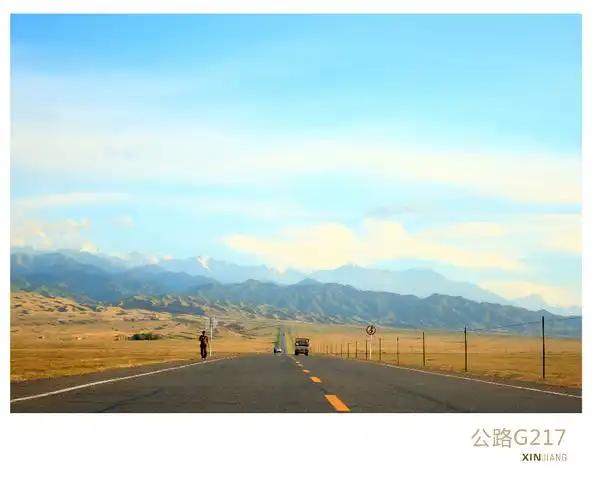
Reading a charter quote takes a minute because the headline number rarely includes everything. In our experience the daily rate usually covers the car, the driver’s time, and fuel along the agreed route, though tolls are sometimes bundled and sometimes billed separately. The driver’s own meals and lodging are separate: on multi-day trips most travellers cover a simple room for him or pay a small per-diem.
Never assume your entry tickets, hotels and food are included; those stay yours. If a quote claims to include everything, read the fine print, because included can mean a bare-bones room and a discounted gate price.
For context on the self-drive alternative and what that side costs in deposits and insurance, our renting a car in Xinjiang guide breaks down the counter side in detail.
What your Xinjiang private driver quietly handles for you
This is the part no price comparison captures. A chartered driver quietly absorbs a long list of friction:
- Checkpoints. The region has frequent police and highway checkpoints. A local driver knows the drill, keeps documents ready, and keeps the mood calm.
- Border permits. Areas like Tashkurgan near the Pakistan and Tajikistan frontiers require a border-zone permit. Your driver usually knows the office, the documents, and the wait. The National Immigration Administration publishes the broader entry and permit rules you should read before you fly (en.nia.gov.cn).
- Parking and navigation. In old-town Kashgar or at a remote Tianchi trailhead, the driver finds the lot and waits, so you are not circling with luggage.
- Language. Most chartered drivers speak limited English, but translation apps close the gap, and they almost always handle Mandarin negotiations for you.
Picking a season before you lock a driver in
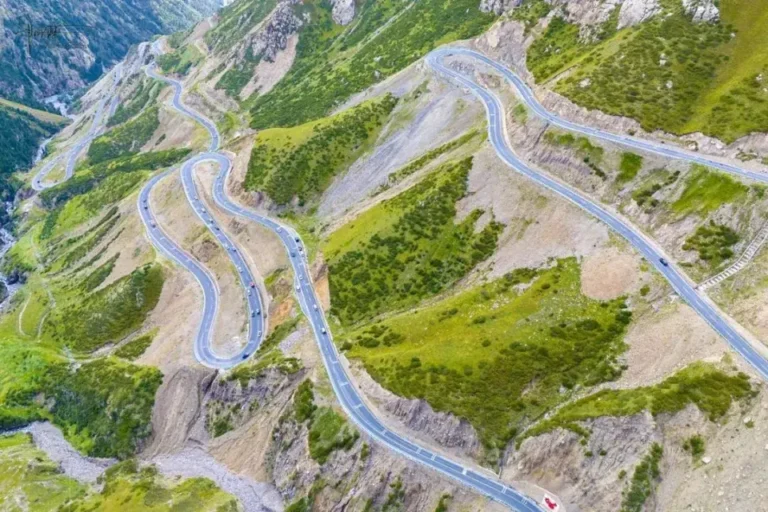
Xinjiang’s weather shapes what a driver can do. The Duku Highway closes from roughly November to May under snow, and the Karakoram route turns brutal in deep winter. Spring, from April to May, and autumn, from September to October, are the sweet spots: clear roads and the poplar forests going gold in October.
Book your driver two to four weeks ahead in peak autumn, because the good ones are a finite resource and the same cars serve the tour groups. In quiet winter months you can often arrange one the day before, and rates soften.
Rooms, parking and the logistics a charter quietly absorbs
One underrated benefit is that a driver lets you stay in places a self-driver might avoid. You can book a guesthouse in the old town where there is no parking, hand the car to your driver for the night, and not think about it. In Turpan, where summer heat makes midday driving miserable, our driver shifted the long transfer to the cool early morning and gave us a lazy afternoon, which a fixed bus timetable never would.
For remote overnight stops, tell your driver your hotel choice the night before so he can confirm the road and call ahead, which once saved us when a flash flood closed a lakeside lodge road.
How a local driver finds you lunch in a town with no signage
Food is where a chartered trip quietly beats every other mode. A driver eats on the road every day and knows which nameless canteen plates up decent mantou or which Uyghur bakery has just pulled flatbread from the tonur. We ate better and cheaper by letting our driver choose than on days we planned meals ourselves.
The one caveat: if you have dietary restrictions, write them down in Chinese on your phone. Our driver understood no spicy in English imperfectly, but a typed character settled it instantly.
The seven things that catch first-time charterers
- Assuming fuel is always included. Ask, in writing.
- Forgetting the driver’s bed. On multi-day trips, budget a simple room or a per-diem.
- Skipping the written rate. Voice deals evaporate at checkout.
- Underestimating distances. Xinjiang eats kilometres; plan fewer stops than you think.
- Ignoring permit lead time. Border areas need paperwork days ahead.
- Paying the full deposit to a stranger. Use a platform or a trusted hotel buffer.
- Expecting fluent English. Bring a translation app and patience.
A five-day Kashgar-to-Tashkurgan charter, hour by hour
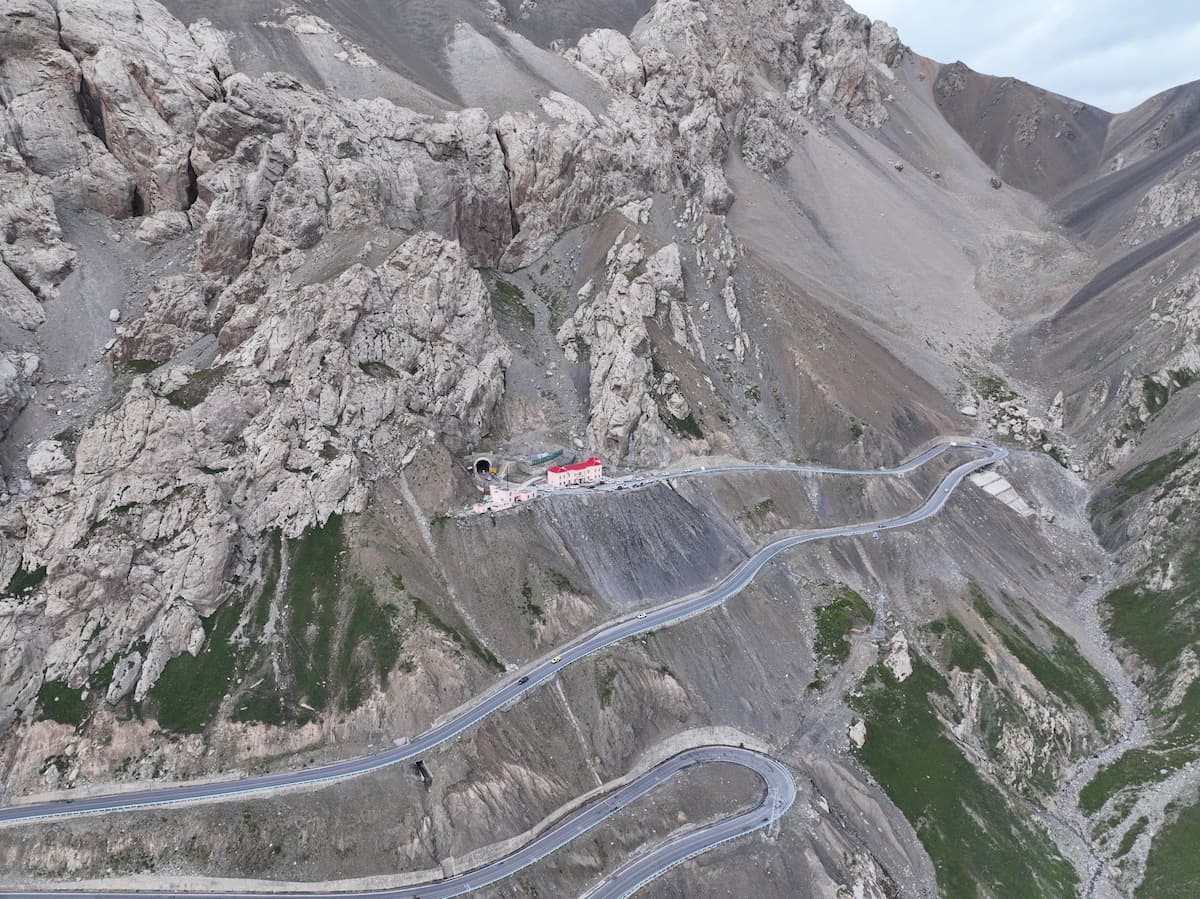
This is the loop our Kashgar driver ran; it shows how a charter paces a week:
- Day 1, morning: Old-town walk in Kashgar, driver collects you at 10:00, ideally after the Sunday bazaar if it is the weekend.
- Day 1, afternoon: Drive east to the Karakoram foothills, overnight in a small Pamir town.
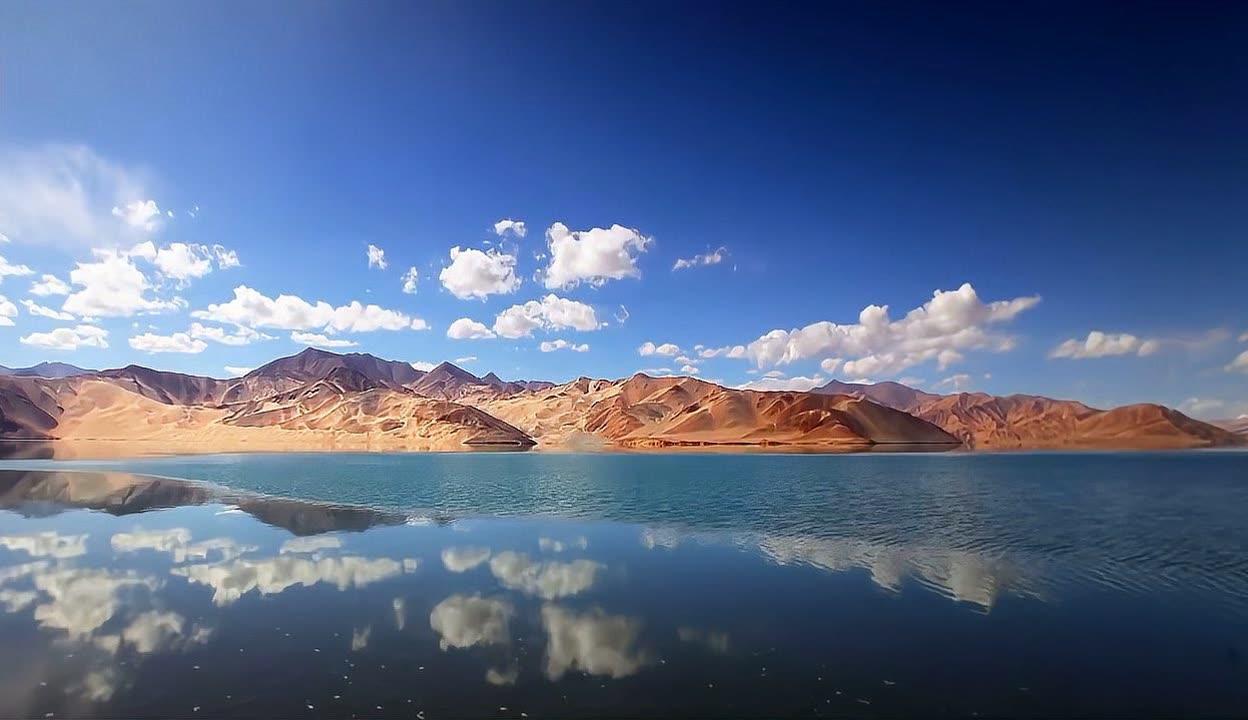
- Day 2: Up the highway to Tashkurgan, with photo stops at the Karakul Lake mirror and the Muztagh Ata viewpoint.
- Day 3: Pamir plateau light, then a slow return with a detour the driver suggests based on weather.
- Day 4: Back to Kashgar, a rest day the driver does not charge for if agreed in advance.
- Day 5: A half-day run to a nearby oasis or the Tianchi lake if you extend, then drop at the airport.
The point is not the exact towns but the flexibility: the driver absorbed the transfers so the interesting hours stayed yours.
What readers ask before they book a driver
Do I need a special licence to be a passenger? No. You are not driving, so your home licence is irrelevant. Only the driver needs a Chinese commercial licence, which a proper operator provides.
Is it safe for foreign visitors? Yes. Millions of foreign travellers use charters each year. The checkpoints exist for everyone, and a local driver makes them routine rather than stressful.
Can the driver cross into Pakistan or Kazakhstan with me? Generally no for cross-border legs, because those need separate transport and your own visa. Your driver can usually take you to the port, such as Khorgos, and hand off.
How do I pay? Platforms take cards; direct drivers often prefer a WeChat or Alipay deposit plus a cash balance. Confirm the split before you start.
The honest limits of this advice
Prices, permit rules and even which mountain roads are open change from season to season and year to year. The figures here reflect 2026 market norms and the official guidance we could verify at the time of writing, including the National Immigration Administration’s published entry rules. Always reconfirm border-permit requirements with your driver or the local public-security office a week before travel, because a closed road or a tightened permit can reshape a plan overnight. Nothing here is a substitute for checking current conditions yourself.
About the writer who chartered these routes
Karl Huang is a travel writer who has covered Xinjiang for several years across more than a dozen trips. He prefers hiring local drivers over self-driving for the long hauls, and this guide is based on charters arranged in Kashgar, Urumqi and along the Karakoram Highway.