Published: October 27, 2026 | Author: Karl Huang
Why Xinjiang train travel is a map problem, not a ticket problem
When people ask how to see Xinjiang by rail, they usually mean one thing: how do I buy a ticket. After four trips and about nine thousand kilometres on the region’s trains, I have decided the ticket is the easy part. Xinjiang is not served by one line but by a small set of lines that meet at odd angles, and the line you pick decides which third of the region you can reach. Xinjiang train travel only makes sense once you see those lines as a network, not a single route.
This is the map I wish I had before my first trip. The distances and opening dates below come from Chinese railway authorities and state media, linked where they matter. Treat the structure as the constant and the numbers as a 2026 snapshot.
The five passenger lines and where each one takes you
| Line | Runs between | Why a traveller cares |
|---|---|---|
| Lanzhou to Urumqi high speed (Lanxin) | Lanzhou, Xining, Hami, Turpan, Urumqi | Your fast door in from the rest of China |
| Jinghe to Yining to Khorgas | Urumqi via Jinghe to Yining and the Kazakh border | The only rail path into the Ili valley and Sayram Lake |
| Southern Xinjiang Railway | Urumqi, Turpan, Korla, Aksu, Kashgar, Hotan | The classic Silk Road spine to the west and south |
| Golmud to Korla and the desert loop | Korla to Ruoqiang and Hotan via Golmud | The new southern ring around the Taklimakan |
| Aletai to Fuyun to Zhundong | Urumqi north to Beitun and Altay | Rail access toward Kanas and the far north |
Five lines, and only the first two plus the start of the third touch what most visitors want. The rest matter for the deep south or the far north.
The morning we stopped planning around the road
Our second trip began like the first ended: a debate about who would drive 1,400 kilometres from Urumqi to Kashgar. The earlier drive cost us a full day to a closed pass. The second time we stood on the Turpan platform at six in the morning, bought only the first leg, and let the rail map decide the rest. The train took the desert crossing we dreaded and reached Kashgar before we reached Aksu by car. Since then I plan routes from the lines outward, then ask whether a car fills a gap.
The east to west spine: Lanzhou to Urumqi and beyond
The Lanzhou to Urumqi high speed line, Lanxin, is the trunk that links Xinjiang to the rest of China. It opened in full on 26 December 2014, runs 1,776 kilometres with 21 passenger stations at a design speed of 250 km/h. From Urumqi you reach Lanzhou in about twelve hours and change for Xining and the east. The National Railway Administration calls it the first high speed line built across plateau, high altitude and gobi terrain (source.nra.gov.cn). For visitors the useful stretch is Hami to Urumqi. Our Urumqi guide covers the station and the city at its end.
The northern branch to Yining and the Khorgas gate
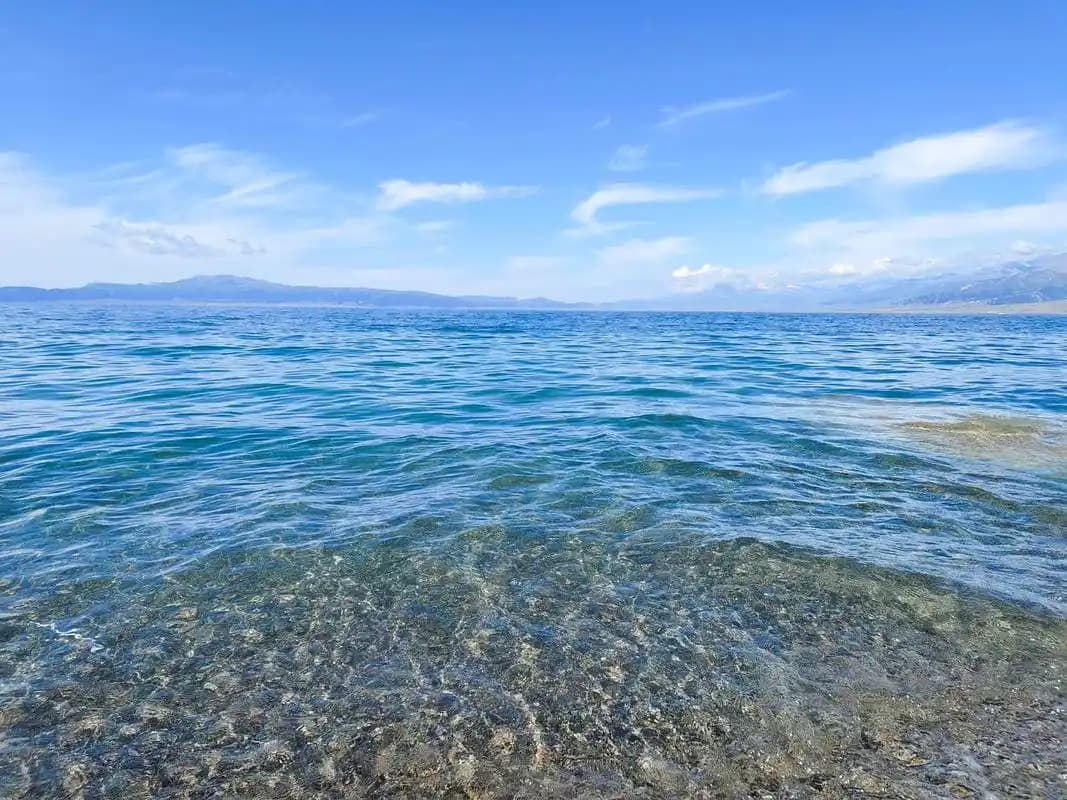
If the Ili valley and Sayram Lake are on your list there is exactly one rail path: the branch that leaves the main line at Jinghe and runs northwest to Yining, then on to Khorgas at the Kazakh border. Freight moved on this Jinghe to Yining to Khorgas line from December 2009, and the first Urumqi to Yining passenger train ran on 1 July 2010, ending the Ili valley’s rail isolation. The Urumqi to Yining run is about 614 kilometres, now down to roughly five hours with upgrades (gov.cn). We stepped off into Yining and caught a short transfer to Sayram Lake the same day. The train does the Tianshan crossing; the last few kilometres to the lake are road.
The southern trunk to Kashgar
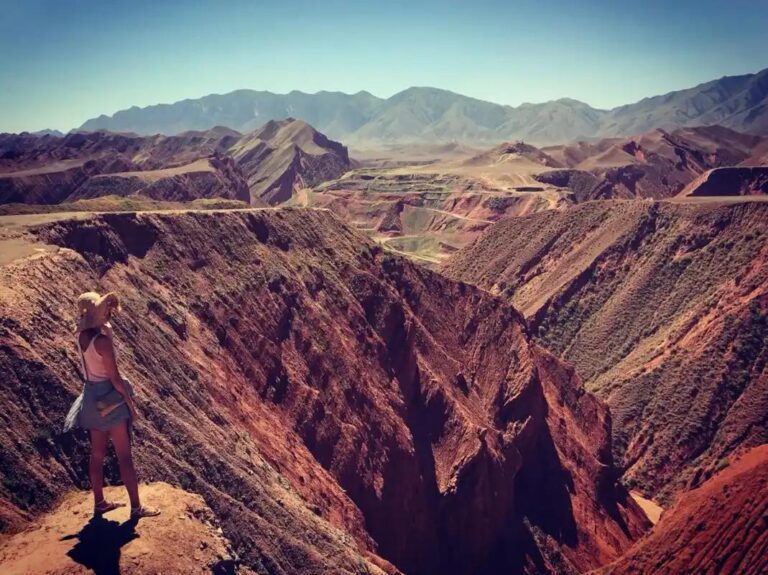
The Southern Xinjiang Railway is the one most people picture: Urumqi through Turpan, Korla, Aksu to Kashgar, continuing to Hotan. The Turpan to Kashgar section opened in December 1999, and Kashgar to Hotan passenger service followed in June 2011. The full Urumqi to Kashgar run is about 1,453 kilometres, covered in roughly eleven and a half hours on the dedicated overnight train. This is the classic Silk Road arc. We used it to reach Turpan for a couple of days, then continued west to Kashgar. The window shifts from red basins to oasis plains to grey-green border foothills.
The desert loop: Golmud to Korla and the Hotan to Ruoqiang ring
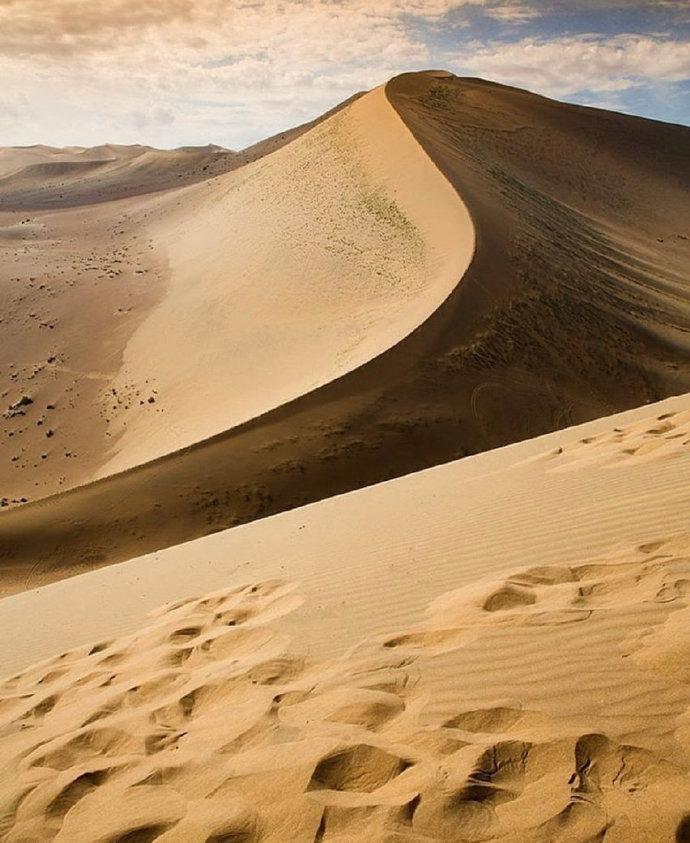
The strangest new piece is the ring around the Taklimakan, China’s largest desert. The Golmud to Korla railway opened on 9 December 2020, 1,206 kilometres (734 in Xinjiang) at 120 km/h, giving southern Xinjiang a direct link to Qinghai and Tibet without swinging back through Urumqi. On 16 June 2022 the Hotan to Ruoqiang railway opened, 825 kilometres with 65 percent inside the sand. With the older southern line the two form a 2,712 kilometre loop, which Xinhua’s English service called the world’s first desert rail loop (english.scio.gov.cn). Service is thinner than on the trunk, so check frequencies first. I have ridden parts of it and found it closer to an expedition than a commute.
The Altay spur that finally reached the north
The north had no rail until recently. The Aletai to Fuyun to Zhundong line, its final Aletai to Fuyun section opening on 6 December 2020, closes a northern ring linking Urumqi through Beitun to Altay. Passenger service runs, and from Beitun or Altay you transfer to road for Kanas and Koktokay. It removes the old need for a long drive just to get close. We have not done the full rail approach to Altay; plainly, the road transfer is real and winter closes passes, so build buffer days.
When the lines run best (and when they do not)
Xinjiang’s weather, not its timetable, sets the ceiling. Spring (April to May) and autumn (September to October) are the comfortable windows: clear skies, open transfer roads, poplars going gold in October. Deep winter is cold but the trains run and the mountains are yours. Summer brings Turpan basin heat that makes a sealed train feel like mercy. The Duku Highway, which travellers pair with rail, closes under snow from roughly November to May, pushing more people onto trains then. Plan rail for the shoulder seasons and seats come easier.
Where you sleep relative to the stations
Most Xinjiang stations sit at the city edge, not the centre. In Urumqi, Korla and Kashgar we book near the station for early starts and stay in the old town on free days. On overnight runs the train is the hotel: soft sleeper gives a closed compartment and a real bed, hard sleeper open bays and a lower price, and the Urumqi to Kashgar overnight left us ready to walk.
What to eat in the hours between stations
The dining car is basic; the platform windows are the real chance. At bigger stops like Turpan and Aksu, vendors pass noodles, eggs, fruit and warm flatbread through the windows during the brief halt, and we have eaten better from a window than the trolley. Pack water and something solid, because the Korla to Kashgar desert stretch has long gaps with no service. If you have dietary needs, carry your own.
Seven things the timetable will not tell you
- The network is a star, not a grid; almost everything routes through Urumqi, so a clever loop still returns there.
- Station names repeat; Urumqi and Urumqi South are different places, so check the exact station on your ticket.
- The desert loop runs fewer trains than the trunk. Confirm the date, not just that the line exists.
- Border permits for Khorgas or Tashkurgan are separate from your train ticket. The train gets you to the town; the permit gets you across.
- Altay by rail still needs a road transfer at the end. Do not expect a station at the lake.
- English signage is limited at smaller stations. Have your destination in Chinese on your phone.
- Trains beat cars for the long desert crossings; for the last miles a car or driver still wins, which is why our self-drive guide pairs well with this one.
A ten-day loop built entirely on rails
Here is a shape that works using only the lines above, with short road transfers at the ends:
- Day 1 to 2: Fly or rail into Urumqi, rest and see the city.
- Day 3: Morning train to Turpan, two nights for the ruins and the vineyards.
- Day 5: Board the southern trunk west; overnight to Kashgar.
- Day 6 to 8: Kashgar old town, then a road transfer up to Tashkurgan if your permit is ready.
- Day 9: Rail back toward Urumqi, or continue the desert loop south if you have the time.
- Day 10: Buffer day in Urumqi before departure.
The point is the logic, not the exact towns: let the trunk carry the long hauls, use the northern branch for Ili, and treat the desert loop and Altay spur as optional extras.
Questions travellers ask about Xinjiang’s rail lines
Do the lines connect to the rest of China? Yes. The Lanxin high speed line links Urumqi to Lanzhou and beyond, the rail door in and out of the region.
Can I reach Sayram Lake or Kanas by train directly? Sayram needs a road transfer from Yining; Kanas needs one from Beitun or Altay on the northern spur. Neither has a station at the sight itself.
Is the desert loop worth it for a first visit? Probably not as a primary plan; the trunk and northern branch deliver the headline sights with far more frequent service.
Do I need a Chinese ID or permit to ride? You need a valid ticket and travel document; foreign visitors use their passport. Border-area permits are separate and only matter if you cross at Khorgas or go to Tashkurgan.
A note on what changes and how to confirm
Railway lines, stations and timetables in Xinjiang have changed fast in the last five years, and they will keep changing. The facts here (the 2014 Lanxin opening, the 2009 to 2010 northern branch, the 2020 Golmud to Korla and Aletai sections and the 2022 desert loop) are drawn from Chinese railway authorities and state media at the time of writing. Before you buy, confirm the exact train, station and date on the official 12306 system or at the station, because a line on a map may still run only a few times a week. Nothing here is a substitute for checking the current schedule yourself.
About the writer who mapped these lines
Karl Huang is a travel writer who has covered Xinjiang across multiple trips of several thousand kilometres by train and car. He plans routes from the rail network outward and wrote this after riding the Lanxin, southern and northern lines and studying the newer desert and Altay routes.