Published: October 31, 2026 | Author: Xinjiang Attractions Editorial Team
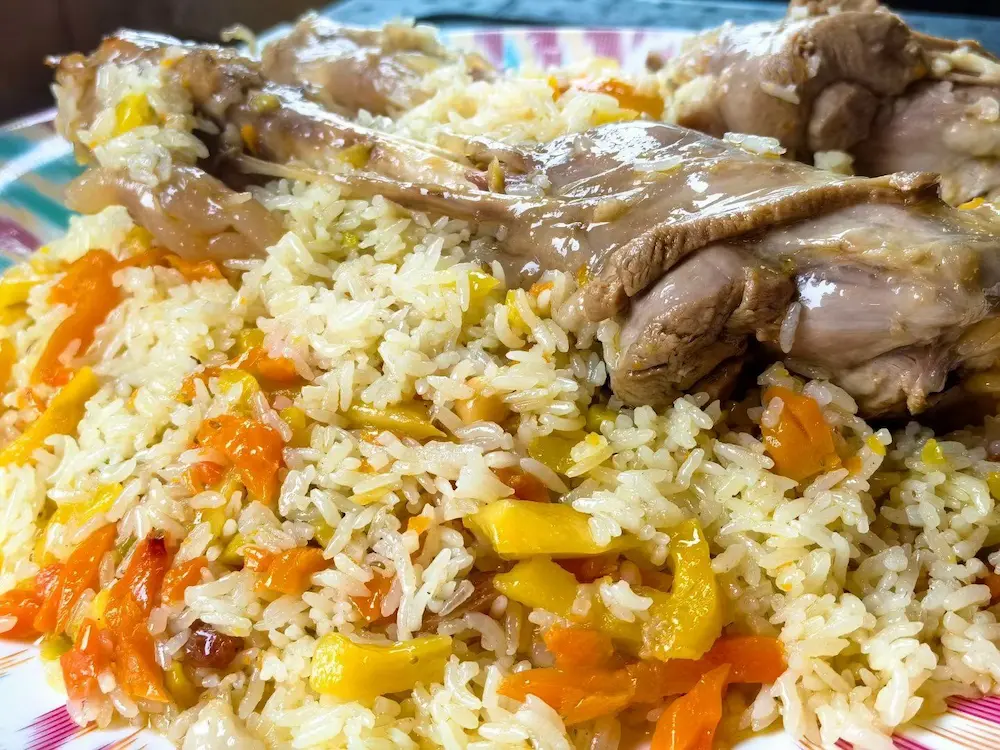
On our first long drive through the Tarim Basin we pulled into a roadside stop near Aksu expecting a sandwich and left with a foam box of Xinjiang polo — rice the color of late-afternoon sun, shredded carrot, a slab of lamb on the bone, and a scatter of raisins we did not expect. We ate it leaning on the car door, and somewhere in that meal the region started to make sense: this is the dish that keeps Xinjiang moving. It is cheap, filling, and everywhere, from a four-table truck stop to the busiest Uyghur restaurant in Urumqi. This guide comes from our own plates across southern and northern Xinjiang, not from a menu translation.
A note on who wrote this guide
We are a small editorial team that has driven, eaten and occasionally embarrassed ourselves in restaurants across Xinjiang on multiple independent trips. The prices, names and routes below are what we saw and paid. Xinjiang changes fast — a counter that was open last spring may be gone — so treat the specifics as a starting point and confirm on the ground.
The dish that powers the region
Polo (also spelled plov or pilaf, and called 抓饭, zhua fan, “grab rice,” in Chinese) is the everyday engine food of Xinjiang. It is what taxi drivers eat between fares, what bus stations sell by the ladle, and what families make in a cauldron on a Sunday. Where laghman noodles are the sit-down meal and kebabs are the snack, polo is the fuel: a single plate carries the rice, fat, meat and sugar a long day on the road asks for. You will find it in every town, usually before ten in the morning and again at the end of the day. The dish arrived in Xinjiang along the Silk Road from Central Asia and settled in so completely that most people here treat it as native. Walk from one town to the next and the bowl changes — more carrot in the south, more fat up north, a sweeter version where the date harvest is close.
Xinjiang polo in plain numbers
| Element | What it usually is | Notes |
|---|---|---|
| Rice | Long-grain, cooked in broth | Turns yellow from carrot and oil, not saffron |
| Carrot | Yellow and orange, shredded | The yellow carrot is the local signature |
| Meat | Lamb on the bone, sometimes chicken | Beef versions appear in the north |
| Fat | Lamb tail fat or oil | This is what makes it stick |
| Sweet bit | Raisins or dried apricot | Not in every bowl; ask if you mind |
| Price | ¥15–35 a plate (2026) | Higher with better meat or in a hotel |
These are ballpark figures from our own orders; markets and tourist spots run higher.
The roadside plate that changed our route
The plate near Aksu mattered because it was honest. No English menu, no photo on the wall, just a metal trough of rice kept warm over a low flame and a cook who pointed at the meat he had left. We paid, sat on a plastic stool, and the carb load hit differently after six hours behind the wheel. After that we started planning drives around polo stops instead of petrol stations. On the Korla-to-Kashgar run we now aim for the mid-morning window when the first cauldron is fresh, because by early afternoon the good meat is gone and you are left with the bottom of the pot.
One mistake worth naming: we once ordered “the big one” at a place outside Kuqa and could not finish it. Polo portions are built for working men, not for someone who ate noodles two hours earlier. Order the small plate until you know your limit.
How a cook builds the bowl
Watching it made is half the fun. The cook heats oil, fries lamb pieces until they brown, then drops in shredded carrot and onion to soften. Rice goes in with enough broth to cook it through, the lid goes on, and the whole thing steams until the grains separate. Raisins go in near the end so they stay whole. The result is not a stir-fry but a steamed pile where every grain carries the meat’s fat. The yellow carrot is the quiet star. Cooks peel it and cut it into long thin strips by hand, because a machine shredder waters it down and the broth loses its color. The lamb is seared hard first so the fat renders into the oil that later steams the rice; skip that step and you get plain yellow rice with meat on top, which is a different and worse dish. Some kitchens add a pinch of cumin or a dried date; the version in Hotan leans sweeter, the one in the north a touch plainer. If you want to try building it yourself, our piece on booking a real Xinjiang cooking workshop covers where visitors can actually get their hands in the pot.
Where the region eats it every day
Every town has its polo lane, but a few places stood out on our trips:
- Urumqi — the International Bazaar and the side streets of the old city hide small counters that open at dawn. Our Urumqi city guide maps the area.
- Kashgar — the morning rush around the Id Kah area fills with workers grabbing a plate before the day starts.
- Aksu and Korla — the truck-stop versions, heavier on lamb fat, built for distance.
- Hotan — a sweeter bowl, often with more dried fruit, reflecting the south’s date and raisin belt.
We found the best bowls where the line was locals, not tour groups. An empty-looking counter with a full trough is usually the right call. We remember one counter in Kashgar, a single gas burner behind a curtain of steam, where the cook lifted the lid and the whole lane smelled of carrot and lamb. He served us without a word and waved away the question about price until the bowl was empty. That is the kind of place the guidebooks miss and the locals guard.
The morning bowl and the late bowl
Polo is not really a dinner-party dish; it is a clock dish. The early bowl, eaten before nine, is lighter and uses the freshest rice. The late bowl, after a day’s driving, is the reward. In winter, when the wind off the steppe drops the morning below freezing, the cauldron is often the only hot meal for hours, and the line forms before the rice is even done. We stopped trying to fit polo into a Western meal schedule and instead ate it when the cauldron was hot. The season-by-season guide to Xinjiang is useful here because in deep winter the hot plate matters more than in summer, when cold noodles often win.
Reading a polo menu without the words
Most small counters have no menu in any language. The words you will see are 抓饭 (zhua fan) and maybe 素抓饭 (su zhua fan, the meat-free version) or 碎肉抓饭 (sui rou, minced meat). Point at the trough, hold up fingers for portions, and watch what the person ahead of you got. We learned to say “小” (small) and “不要辣” (no chili on the side) and that was enough in every town. Cash helps at the oldest counters; cards and phone pay work in the cities.
A fuel-stop plan built around your drive
If you are self-driving, treat polo as a timing tool. On a long Tarim loop we would break the morning at the first open counter in whatever town we reached around eight, then push to the next sightseeing stop on a full stomach. The plate digests slowly, which is the point: it buys you three or four hours before the next stop. We learned not to stack polo on top of a big hotel breakfast; a half portion at a roadside counter beats a full one you cannot finish. Pair it with Xinjiang kebabs at night and laghman noodles at lunch and you have the region’s three carbs covered without repeating yourself.
The versions you will actually meet
Beyond the standard lamb bowl, keep an eye out for:
- 素抓饭 (su zhua fan) — no meat, built on oil and carrot; good for vegetarians, though ask whether animal fat was used.
- 碎肉抓饭 (sui rou) — minced meat mixed through, easier to eat fast.
- Chicken polo — more common up north, lighter than lamb.
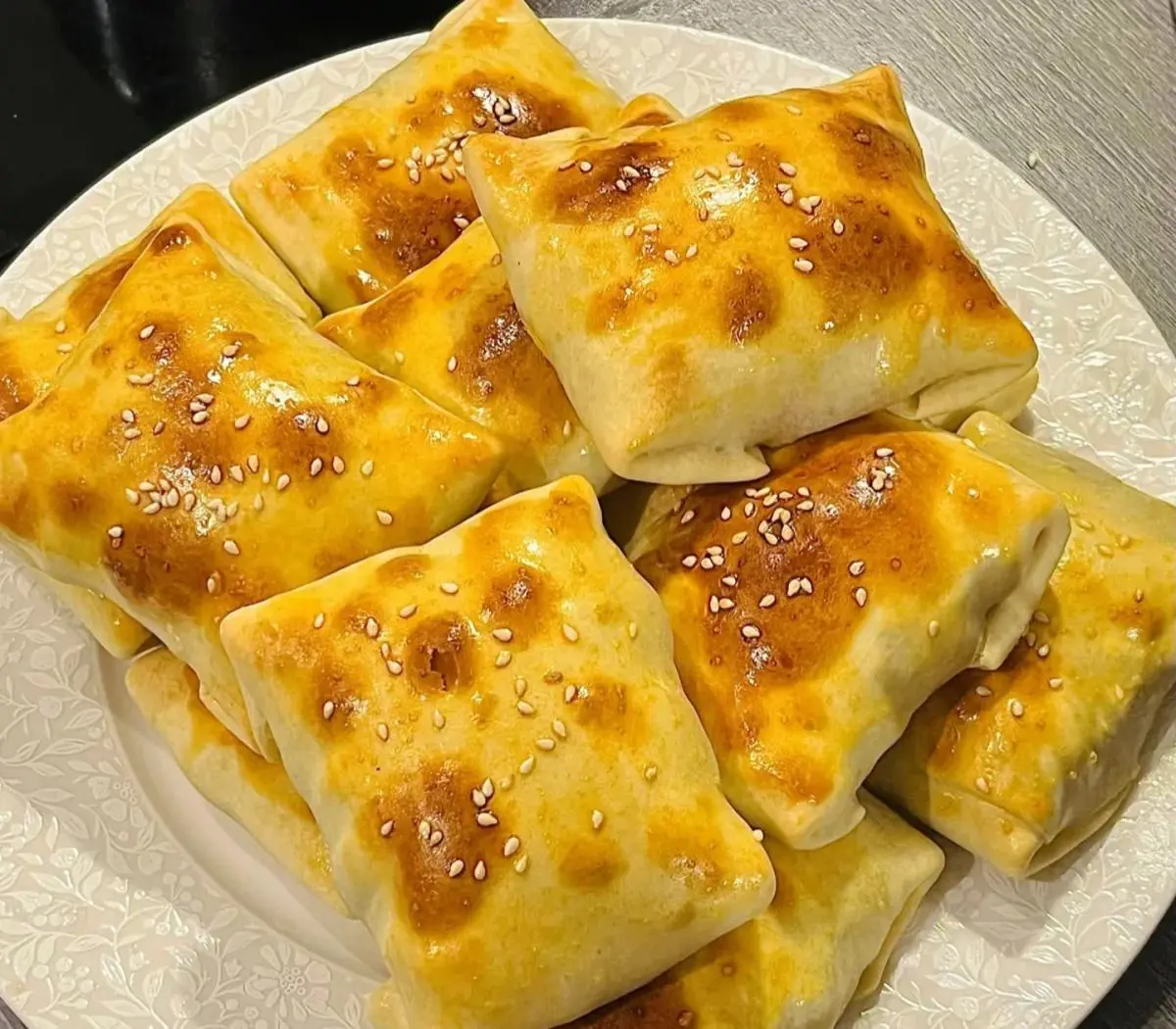
- The bun on the side — some counters sell a steamed bun; the roasted-bun cousin, 烤包子 (samsa), is its own road food we ate across the south.
Questions travellers ask us about Xinjiang polo
Do people really eat it with their hands?
The name 抓饭 means “grab rice,” and older customs did use the right hand, but today nearly everyone uses a spoon or fork. You will not be rude for using cutlery.
Is there a vegetarian version?
Yes, 素抓饭 exists, but check the fat — many are fried in lamb tail fat for flavor. Ask “清油吗” (is it vegetable oil?) if it matters.
How much does a plate cost?
A street counter runs ¥15–25; a restaurant with better meat or a tourist setting runs ¥30–45. We never paid more than ¥35 for a satisfying plate.
Is polo the same as biryani?
No. Biryani layers parboiled rice with spiced meat and yogurt; polo steams plain rice in meat broth with carrot. The flavor is cleaner and less spiced.
Can I eat it safely?
Yes. It is cooked hot and served fresh. The only risk is the same as any roadside rice: eat it where it is busy and the trough turns over fast.
Disclaimer: This guide is based on our team’s personal meals across Xinjiang. Prices, recipes and restaurant openings shift, and the vegetarian-fat note reflects what we were told, not a guarantee at every counter. Confirm details locally before you rely on them.