By Karl Huang · XinjiangAttractions Editorial Team · November 2026
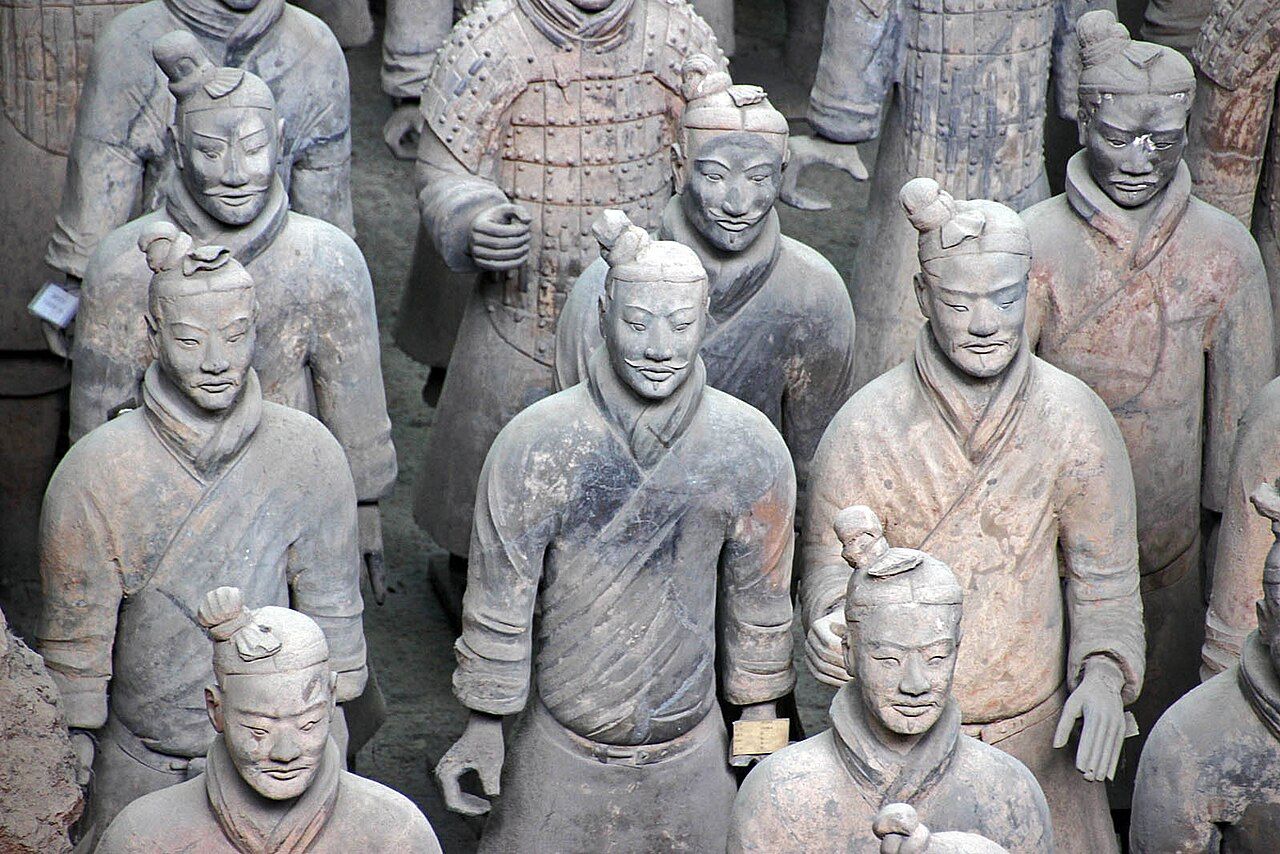
The first time I walked into the hangar-like hall above Pit 1, I stopped talking. Row after row of life-sized clay soldiers stood in formation, each face individual, and the pit stretched farther than I expected. The Terracotta Army (兵马俑) is part of the vast mausoleum complex of Qin Shi Huang, the first emperor to unify China, and it was accidentally discovered in 1974 by farmers digging a well. More than two millennia later, the scale still lands like a physical blow. If you are in Xi’an, this is not optional — it is the reason many visitors come at all, and the reason the city sits on the global travel map.
At a Glance
| Feature | Detail |
|---|---|
| Location | Lintong District, ~40 km east of Xi’an |
| Discovered | 1974 by local farmers |
| Pits | Three main pits; Pit 1 largest |
| Ticket | Peak ~¥120; off-season ~¥90 (incl. shuttle) |
| Time needed | 3-4 hours |
| Best season | Mar-May, Sep-Nov |
What You Are Looking At
The army was created to guard the emperor in the afterlife. Pit 1 is the headline: a rectangular battle formation of infantry and chariots, with an estimated 6,000 figures (many still unexcavated and left under protective cover). Pit 2 holds cavalry, archers, and mixed units in a more open layout, while Pit 3 is the command headquarters, smaller and more intimate. The figures were originally painted in bright lacquer and color, most of which flaked off on exposure to air — a quiet reminder of how fragile the site is and why excavation proceeds slowly. For imperial-history context, our Shenyang Imperial Palace guide and the Beijing guide trace later dynasties’ capitals and how the idea of a unified realm endured.
The Story of the Discovery
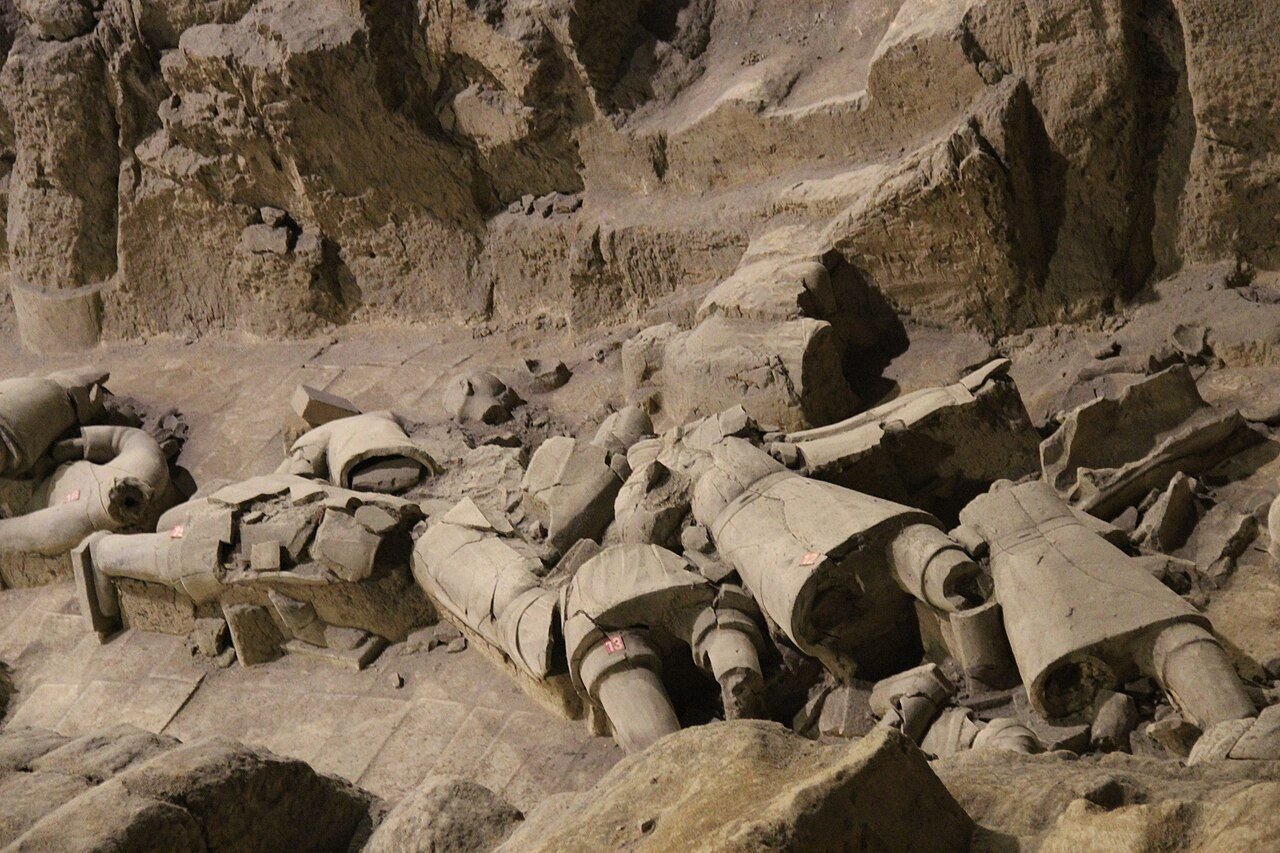
In March 1974, farmers sinking a well in Lintong struck hardened clay and then a life-sized head. What followed was one of the 20th century’s great archaeological finds: an entire buried army, arrayed in battle order, alongside bronze weapons, chariots, and acrobats and officials in separate pits. The scale suggests the emperor intended a complete afterlife court. The site is still being studied, and conservation — especially of the original paint — remains the central challenge. Visiting today, you see both the spectacle and the science, with restorers at work in view at times.
Getting There From Xi’an
The site is in Lintong, about 40 km east of central Xi’an. Public tourist buses and many tour shuttles run from the city; a private car or taxi is fastest and still affordable by the hour. The trip takes roughly one hour by road. Combine it with the nearby Huaqing Hot Springs or the actual grass-covered mound of the emperor’s tomb if you want a full day. Buy the combined ticket at the main entrance and take the free shuttle from the parking area to the pits; the complex is large enough that the shuttle saves real walking.
How to See It Well
Go early — the doors open around 8:30 a.m. and the first hour is the calmest. Visit Pit 1 first for the big reveal, then Pit 3 and Pit 2, then the exhibition hall with the bronze chariots. Skip the on-site “factory” shops that claim to sell authentic pieces; the official museum store is the safe choice. A good licensed guide or the audio tour turns rows of statues into a story, explaining rank by hairstyle and armor, and why the generals stand at the front. Plan at least three hours; four is comfortable if you read the panels.
Best Time to Visit
Spring and autumn are most comfortable. Summer is hot and the halls are busy; winter is cold but quiet. Whatever the season, weekdays and early arrival beat midday crowds. Avoid the first week of October and the May holiday if you can, as both bring the heaviest domestic tourism of the year.
Where to Stay and Eat
Most visitors base in Xi’an and day-trip to the army, which keeps logistics simple. Back in the city, the Muslim Quarter offers Xi’an’s famous noodles, lamb skewers, and persimmon cakes — a worthwhile reward after a day among the warriors. If you prefer to stay near the site, Lintong has basic hotels, but the dining and atmosphere are far better in Xi’an itself.
Practical Tips
- Tickets: Book online in advance in peak season to skip the box-office line.
- Footwear: You walk a lot on hard floors; comfortable shoes help.
- Photography: Allowed without flash; tripods may be restricted.
- Hydration: The halls are large and can be warm; carry water.
A Half-Day Plan
Leave Xi’an by 8 a.m., arrive near opening, spend 2.5-3 hours across the three pits and exhibition, lunch in Lintong or back in the city, and return by mid-afternoon. If you add Huaqing Springs, plan a full day. The on-site museum of the bronze chariots alone is worth twenty minutes and shows the craftsmanship of the age in miniature.
The Scale of the Engineering
Beyond the figures themselves, the logistics of the army are staggering. Each warrior was made in molds and finished by hand, then fired in local kilns, which is why no two faces are alike — archaeologists have catalogued distinct hairstyles, armor types, and footwear that signal rank and unit. The bronze weapons found in the pits were chrome-plated more than two millennia before modern chrome plating, a detail that still surprises materials scientists. The chariots and horses were assembled from separately fired sections. All of this was buried with a man who unified warring states into China’s first empire and standardization of weights, measures, and writing — context that makes the silent ranks feel like a statement of absolute authority rather than mere decoration.
Practicalities and Pacing
The site is large, and the walk from the parking area to the pits is long enough that the free shuttle is worth taking. Inside, the halls are vast and can be warm in summer, so comfortable shoes and water matter. The on-site museum of the bronze chariots is a highlight that many rush; allow twenty minutes for it. Photography is allowed without flash, but tripods and drones are restricted, so a steady hand or a phone with night mode helps in the dimmer pits. If you want the army with context, the Shaanxi History Museum back in Xi’an holds Tang dynasty treasures that bookend the story of Chinese imperialism.
Frequently Asked Questions
Why are the warriors not brightly painted today?
The original lacquer and mineral paints flaked off within minutes of exposure to air when the pits were first opened, because the coating had bonded to the buried environment. Conservators now work slowly, often leaving unexcavated sections under controlled cover to protect what remains.
How long do I need at the Terracotta Army?
At least three hours for the three pits and the bronze-chariot exhibition. Four is comfortable if you read every panel and linger at Pit 1.
Are the warriors original or replicas?
The figures in the pits are original excavated statues; only a few restored examples travel abroad. What you see in situ is the real army, not a copy.
Can I take photos?
Yes, without flash. Drones and tripods may be restricted inside the halls, so check on arrival.
Is it worth a guide?
Strongly recommended. The sheer scale can feel abstract without the historical framing a guide or audio tour provides, and the details — rank, weaponry, hairstyles — reward explanation.
Costs and Combo Tickets
The main entry is a combined ticket that includes the three pits, the shuttle, and the bronze-chariot exhibition; it is priced higher in peak season (roughly March to November) than in winter. Audio guides and licensed human guides are available at the gate and are worth the small outlay for the historical framing. Give yourself a buffer if you arrive in high season, when the box office and the pits are busiest around late morning. The site is cash-light but mobile payment and cards are widely accepted; bring your passport, as some ticket types are tied to ID. If you plan to add Huaqing Hot Springs, look for the combo that links the two, which is usually cheaper than two singles.
Frequently Asked Questions
Can I buy tickets on the day?
Often yes outside the absolute peak, but in spring-autumn and holidays the daily cap can sell out, so booking online a day ahead is the safe move. The official platform lets you pick a timed entry, which also shortens the queue.
What Makes It Unforgettable
Beyond the numbers, the army’s power is in the detail. Stand close to a front-row figure and you see individualized features — a mustache, a topknot, a calm or stern expression — that signal rank and unit, a reminder that these were portraits of a real conscript army, not generic statues. The sheer quiet of the pit, with thousands of broken and restored figures receding into the dimness, conveys the ambition of the man who ordered it: Qin Shi Huang, who unified China and standardized its writing, weights, and roads. Just beyond the pits lies the still-unexcavated tomb mound itself, left untouched by choice and by caution, said in ancient records to hold rivers of mercury — a mystery deliberately preserved. That combination of what is shown and what is withheld is part of the site’s hold on the imagination.
Frequently Asked Questions
Is Xi’an worth more than the army alone?
Yes. The city is one of China’s great ancient capitals, with the Ming-era city wall you can cycle, the Giant Wild Goose Pagoda, and the Shaanxi History Museum’s Tang treasures. Most visitors give Xi’an two to three days, using the army as the centerpiece rather than the whole trip.
Disclaimer
Ticket prices, opening hours, and shuttle arrangements change by season and were approximate at the time of writing. Confirm with the official museum or your hotel before travel.
About the author: Karl Huang is a travel writer for the XinjiangAttractions Editorial Team, covering China’s cultural heritage sites. This article covers mainland China only.
Photo Credits
All photographs in this article are sourced from Wikimedia Commons and are used under free licenses (CC BY, CC BY-SA, or Public Domain). Image authors and licenses:
- Terra Cotta army.jpg — Wikimedia Commons contributor / CC BY-SA 3.0.
- Qin Shihuang Terracotta Warriors Pit (14368070091).jpg — Wikimedia Commons contributor / CC BY 2.0.