Published: November 3, 2026 | Author: Karl Huang
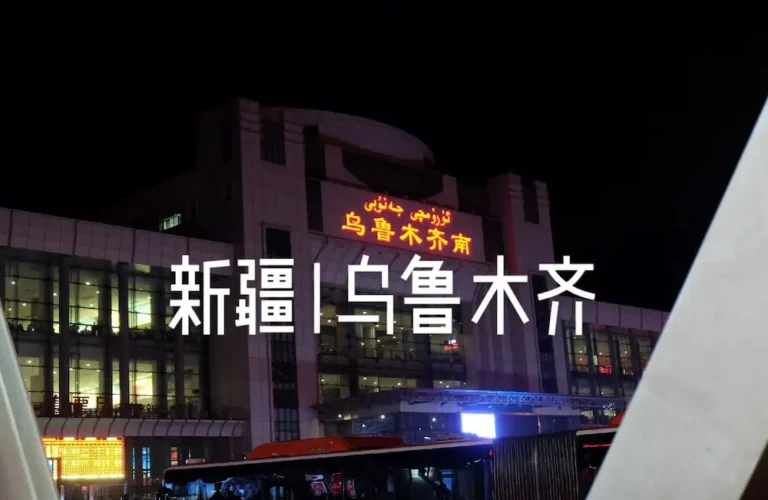
Most first-time visitors to Xinjiang ask about the weather, the roads, or the food long before they think about language. We did too. But within an hour of stepping off the train in Urumqi, it was obvious that Xinjiang languages are part of the trip itself. The platform announcements came in two or three tongues, the shop signs carried more than one alphabet, and the old man selling melons in the next town greeted us in a language none of our phrasebooks covered. This is the guide we wish we had packed: a straight, experience-based look at what you will actually hear, what you can realistically learn in a week, and how to get by when you do not speak a word of any of it.
Xinjiang Languages in Numbers
| Language | Family | Where you will hear it most | Written in |
|---|---|---|---|
| Mandarin (Putonghua) | Sinitic | Every city, train, hotel and highway | Simplified Chinese |
| Uyghur | Turkic | Kashgar, Hotan, Korla, Turpan, southern oases | Arabic-based script |
| Kazakh | Turkic | Ili, Tacheng, Altay in the north | Arabic-based script |
| Kyrgyz, Mongolian, Xibe, Tajik | Mixed | Smaller pockets (Tashkurgan, Qapqal, the grasslands) | Arabic / Cyrillic / native |
The short version: Mandarin will get you through almost any transaction, Uyghur is the everyday language of the southern oasis towns, and Kazakh belongs to the north. Everything else is local colour you will stumble into rather than need.
What We Found on the Ground
We travelled the region by train, chartered car and the occasional overnight bus, and the language picture changed at almost every stop. In Urumqi’s Grand Bazaar the announcements looped in Mandarin and Uyghur, and the young shop assistant who sold us dried apricots switched to near-fluent English the moment she saw us hesitate. Two days later, outside a village near Kuqa, we bought a watermelon from a grandfather who spoke only Uyghur and laughed warmly as we mimed the size we wanted. In Yining our driver swapped into Kazakh with the attendant at a fuel station. None of this was in any guidebook we owned, and all of it made the place feel larger than the maps suggested.
The lesson we took home: do not treat Xinjiang as monolingual, and do not assume everyone you meet speaks the same thing you do. The variety is the point.
Who Speaks What, and Where
A rough geography helps. The southern Tarim Basin, the string of oasis cities from Turpan down to Hotan, is Uyghur country. That is where you will hear it in the markets, on the radio, and between neighbours. The north, especially the Ili Valley and the routes toward Tacheng and Altay, leans Kazakh, with Kyrgyz and Mongolian threaded through the grassland counties. The big cities, the airports, the railways and the hotels run on Mandarin, which is also the language of most signage aimed at travellers.
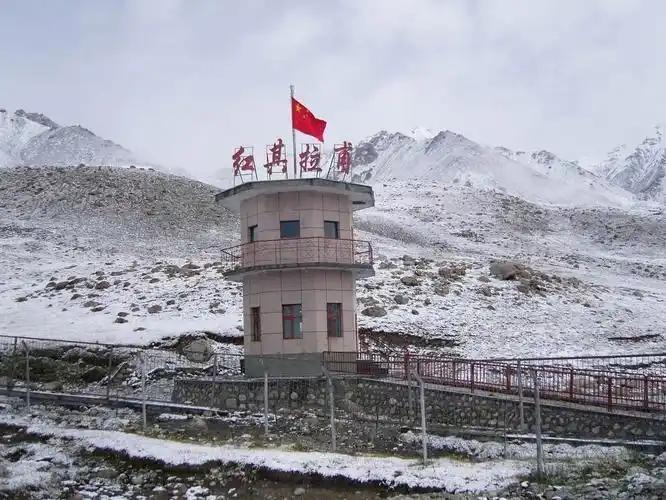
There are smaller worlds too. Tashkurgan, up by the Pakistan border, speaks Sarikoli Tajik. Qapqal County west of Yining is home to the Xibe, who keep a Tungusic language found almost nowhere else. You will not need these, but knowing they exist stops you from assuming every face fits one label.
Mandarin: The Language That Gets You Everywhere
If you learn one language for this trip, make it Mandarin. It is the lingua franca of transport, accommodation and official business, and younger people in the cities speak it well. We booked hotels, bought train tickets and settled taxi fares in Mandarin without a problem in every provincial capital and most county seats. In rural southern villages, though, older Uyghur residents may speak little or no Mandarin, and that is exactly when a translation app or a friendly local teenager becomes your best friend.
One practical note: characters on screens and tickets are simplified Chinese. If your phone’s keyboard only does pinyin, you can still sound out place names, but carrying a photo of your destination’s characters saved offline saved us more than once.
Uyghur: The Sound of the South
Uyghur is a Turkic language, related to Uzbek, Kazakh and Turkish, and it is written in a modified Arabic script. In Kashgar and Hotan it is the language of daily life: the calls between stallholders, the menus pinned to kebab-shop walls, the songs drifting from a courtyard. We found that a single greeting in Uyghur, even mangled, changed how people treated us. It signalled respect rather than a tourist passing through. If you want the actual sentences, our Uyghur and Chinese phrase guide lists the ones worth memorising.
For background on how the language sits inside the wider culture, the music, muqam and daily life of Uyghur communities is worth a read before you go.
Kazakh and the Languages of the North
Travel north and the Turkic flavour shifts from Uyghur to Kazakh. In Yining, Tekes and the summer pasture towns you will hear it in the bazaars and see it on bilingual signs. Kazakh is also Turkic and uses an Arabic-based script inside China, while across the border in Kazakhstan it is written in Cyrillic, so the same word can look entirely different depending on which side of the line you are standing. We spent an afternoon with a herding family outside Narat and understood perhaps five words, yet the hospitality needed no translation.
If the north is where you are headed, our pieces on Kazakh nomad culture in the Tianshan and on staying in a Kazakh homestay explain the setting better than any phrase list.
The Scripts on the Signs
Road and public signs in the south and west are usually bilingual: Chinese on top, Uyghur or Kazakh in Arabic-based script below. At first the second line looks like decoration, but it is the local language, and reading the place name in both forms helps you confirm you are on the right bus. Station boards at major hubs often add a Romanised or English line as well. We learned to photograph the bilingual sign at every junction so we could show it to a driver later instead of trying to pronounce an unfamiliar vowel cluster.
This matters because the same town can be spelled several ways in our alphabet. Trust the characters and the local script over any single English rendering you find online.

A Few Words Worth Learning Before You Fly
You do not need fluency, but a handful of words smooth the whole trip. In Mandarin: nǐ hǎo (hello), xièxie (thank you), duōshǎo qián (how much), cèsuǒ zài nǎlǐ (where is the toilet), and the numbers one to ten. In Uyghur a simple yaxshimusiz (hello) and rahmet (thank you) opened more doors for us than any app. Kazakh shares rahmet and uses salem for hello. Learn those, and you have covered most polite moments.
The key is to use them, badly and happily. Locals do not expect perfection; they notice the effort. This is not a full phrasebook, and that is deliberate. Our companion Uyghur and Chinese phrase guide covers the sentences you might actually need at a counter or a clinic.
Getting By When You Don’t Speak a Word
Honestly, most travellers manage with none of the above, because the tools have caught up. A camera-translation app turns a menu into English in seconds, and saving your hotel’s name and address as an image gets you into a taxi anywhere. Pleco remains the standout Chinese dictionary, and the camera mode on mainstream translators handles shop signs well. Ordering food without speaking Chinese is easier than it sounds once you know the trick of pointing and showing photos.
Two cautions. First, some foreign apps are unreliable inside China without the right setup, so download offline language packs before you fly. Second, signal drops on mountain passes and in the desert, so whatever you rely on, keep a screenshot. We once sat in a Kashgar teahouse with no data and only a handwritten character from our guesthouse got us the bill we needed.
Two Conversations We Actually Had
In Kuqa, at a roadside stall, we pointed at a pile of nuts and held up two fingers. The seller grinned, held up four fingers, then tapped his phone to show the price in characters. No common language, no problem, and he threw in an extra handful “for the road.” Later, in a yurt outside Narat, the grandmother pressed warm bread into our hands and sang a few lines in Kazakh while her granddaughter translated: “she says you are far from home and should eat.” We understood the bread just fine.
Neither moment required a shared tongue. They required patience and a willingness to look a little foolish, which is most of what travel asks anyway.
Small Courtesies That Travel Well
A few habits go further than vocabulary. Offer and receive things with both hands. Learn to say thank you before you ask for anything else. Do not snap your fingers or raise your voice when someone does not understand; slow down and try a different route. If you must use a translation app in front of someone, show them the screen kindly rather than holding a phone to their face. None of this is complicated, and all of it reads as respect.
Questions Travellers Ask Us About Xinjiang Languages
Do I need to learn Uyghur or Kazakh? No. Mandarin carries the trip, and the words above are a bonus, not a requirement.
Will anyone speak English? In Urumqi, the airport and the larger hotels, often yes among younger staff. In small-town Xinjiang, rarely. Plan for Mandarin and gestures.
Can my phone translate everything? Mostly, with a camera app and offline packs. It fails without signal, so keep screenshots of key phrases and your hotel address.
Is it rude to use an app instead of learning words? Not at all, though a greeting in the local language is always appreciated. Effort beats fluency.
Are the different scripts hard to read? You do not need to. Recognising that a sign is bilingual, and photographing it, is enough to find your way.
A Note on Accuracy and Changing Realities
Language use in Xinjiang shifts with policy, migration and generation, and our account comes from personal travel, not from linguistics. The broad picture, that Mandarin dominates public life while Uyghur and Kazakh anchor the south and north, held steady across our trips, but specific signs, apps and services change. For the language facts themselves we relied on references such as Britannica’s entry on the Uyghur language and its entry on Kazakh, and on Omniglot’s notes on the Uyghur script. Treat this as practical preparation, not a scholarly source, and check current conditions with official channels before you rely on any detail for a border crossing or a booking.
About the author
Karl Huang is a Xinjiang-based travel writer who has spent the last several years driving, riding and wandering across the region’s cities, oasis towns and northern pastures. He writes for travellers who want honest, practical preparation rather than brochure prose, and he has eaten far too many melons he could not name.