Published: November 3, 2026 | Author: Karl Huang
Most people who ask about Xinjiang safety are really asking one thing: will I feel uneasy, or will I feel like a normal tourist? After three separate trips across the region, driving from Urumqi to Kashgar and back through the north, the honest answer is that everyday travel here runs about as calmly as anywhere we have travelled in Asia. Petty theft is rare, violent crime against visitors is rarer still, and the things that actually disrupt a trip are practical, not personal: long distances, strong sun, high passes, and the occasional document check. This guide sets out what to expect before you go, drawn from what we saw on the ground rather than from headlines.
The short table below is a plain-English summary. The ratings are our own, based on trips taken between 2023 and 2026, and they describe the experience of a visiting tourist rather than a resident.
| Concern | Our rating | What it actually means for you |
|---|---|---|
| Petty theft | Low | We left bags at cafe tables without trouble; still use normal commonsense. |
| Violent crime against visitors | Very low | Not something we factored into daily plans. |
| Night safety in cities | Low | Busy, lit areas feel like any Asian night market. |
| Road travel | Moderate | The risk is distance, fuel and fatigue, not reckless driving. |
| Altitude and sun | Moderate | Real on the Pamir and at mountain lakes; easy to manage. |
| Scams | Low | A few pricing tricks; agree prices first and you are set. |
| Document checks | Routine | Passport at hotels and some road stops; a few minutes. |
Xinjiang safety, the honest short answer
We spent our first week expecting to feel watched and instead spent it feeling looked after. In Urumqi, Kashgar, Yining and a dozen roadside towns, the pattern was the same. Streets were busy in the evening, taxi drivers used their meters, and shopkeepers waved us in without a second glance. The single biggest safety factor for a visitor is not crime. It is geography. The region is huge, dry, and high in places, and those three facts cause more changed plans than any person we met. If you can respect the distance and the altitude, the human side takes care of itself.
What we noticed on our first trip through the region
When we drove the G30 from Urumqi toward Turpan on our second morning, the thing that stood out was how ordinary the stops felt. We pulled into a highway service area at dusk, bought warm mantou from a roadside stall, and watched local families do exactly the same. Later, on the Karakoram-side stretches near Tashkurgan, the road climbed past 3,000 meters and the risk shifted entirely from people to weather and thin air. That split, between feeling safe among people and needing to respect the land, is the frame we keep coming back to. It is also the reason this guide spends less time on crime than on climate.
Walking around after dark: what city nights are really like
Evening is when a place shows its temper, and Xinjiang’s cities are quiet in the good way. In Kashgar’s old town we wandered the lanes after dinner with no plan and no worry; the teahouses were full and the lighting was soft. Urumqi’s bazaar strip stays open late and feels like any busy Asian night market, with grilled meat smoke and kids on scooters. We would not wander far into unlit industrial fringes at 2 a.m. anywhere on earth, and that rule holds here too. The practical takeaway is simple: treat well-lit, populated areas as you would at home, and you will be fine.
The security you will see, and what it means for you
You will notice police stations and the occasional checkpoint. For a tourist this mostly means showing your passport at hotel reception and, on some long routes, a quick document look at a road stop. We cover the mechanics in our piece on Xinjiang checkpoints and ID checks, but the short version is that none of it stopped us from moving. Carry your passport, keep a phone photo of your visa page, and the whole process is a few minutes. It is a feature of the place, not a threat to you, and most travellers forget about it by day two.
Long desert drives: the real risks on the road
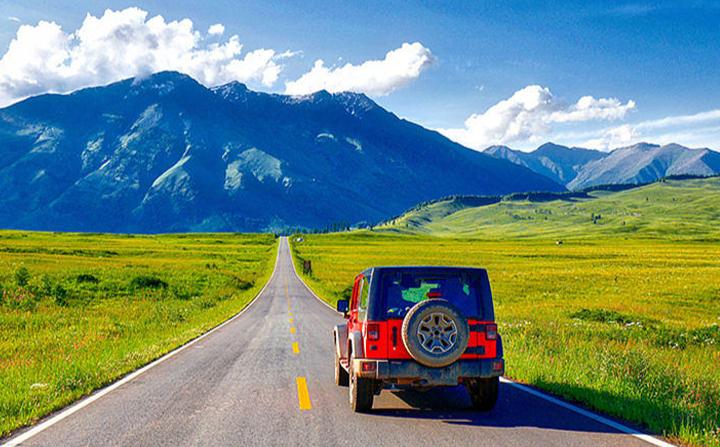
The distances are the part that surprises first-timers. A “short” hop between two towns can be four hours, and fuel, food and phone signal thin out between them. On the Taklamakan-edge highways we learned to fill the tank at every chance and to download offline maps before leaving a city. The driving itself is orderly; lanes are clear and the trucks signal. The real danger is fatigue and an empty tank, not reckless locals. If you would rather not self-drive, our guide to hiring a private car and driver walks through the more relaxed alternative, where someone else handles the long stretches.
Sun, altitude and dry air: the health things that catch people out
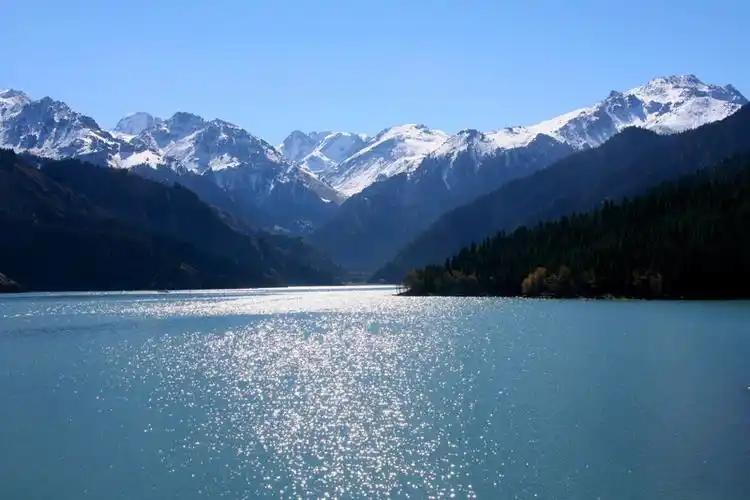
Almost everyone underestimates the climate. At Tianchi or on the Pamir, the sun is fierce and the air is thin, and a calm walk can leave you light-headed if you arrived from sea level that same morning. We drank more water than felt necessary and still woke up dry. The fix is boring and effective: sunscreen, a brimmed hat, and a bottle in hand from the first hour. Read up on which parts of Xinjiang actually go high before you book mountain stops, and give yourself one low-sleeping night to adjust. The dry air also means chapped lips and a nose that complains, so a small balm earns its place in the bag.
Money, maps and the language wall
Two small things trip up more travellers than any scare story. One is payment: outside the biggest malls, cash is awkward and foreign cards often fail, so sort out a local-friendly payment method before you land. The other is the language gap in rural counties, where little English is spoken and a translation app becomes your best friend at the counter. Neither is dangerous, just fiddly. Our scams-to-avoid guide covers the few pricing tricks worth knowing, and almost all of them are solved by agreeing a price before you sit down or get in the car.
Families, solo women and older travellers: a quick reality check
We have travelled with a mixed group that included a woman on her own and a retiree, and the region suited both. Solo women reported the same calm evenings we did, with the usual big-city commonsense; our dedicated solo female travel guide goes deeper if that is your situation. Older travellers did best when they built rest days into the high passes and skipped the longest desert legs. Children loved the bazaars and the wide open spaces. The one universal note is to keep a day of slack in the plan, because a delayed road or a closed pass is the most likely plot twist, not any person you meet.
How safe, by the numbers: a concern-by-concern verdict

Pulling the table and our notes together, the picture is consistent. The items that score “moderate” are all environmental and all manageable with planning. The items involving other people score low, which is the opposite of what many first-time visitors expect when they book. The one thing we would not talk down is the road: the region is vast, and a breakdown far from a town is an inconvenience anywhere, more so here. Tell someone your route, keep the tank full, and the land rewards you rather than fights you.
A four-day expectation arc: what each day tends to feel like
Day one in Urumqi feels like any provincial capital: traffic, malls, a quick museum visit, and an early night. Day two on the road to Turpan brings the first real stretch of empty highway and the heat that comes with it. Day three at a mountain lake is the physical peak, where sun and altitude ask for respect and a slow pace. Day four, back among bazaars and kebab smoke, feels familiar and easy. That arc, from city to land and back, is the shape of most first trips, and knowing it ahead of time takes the edge off the unknown.
Questions travellers ask before they go
Will I be stopped or questioned a lot? As a foreign tourist you may show your passport at hotels and some road checks. It is routine and brief, not an interrogation.
Is it safe to rent a car and drive myself? The roads are good and driving is orderly. The challenge is distance and signal, not danger. Many visitors prefer a driver for the long legs.
Do I need to speak Chinese? In big cities some English appears; in counties it does not. A translation app handles menus, and agreed prices handle the rest.
Is the food safe? We ate at small roadside spots without trouble. Boiled, grilled and freshly cooked food is the safe default; our water guide covers drinking habits.
Should I buy travel insurance? Yes. Medical evacuation from a remote pass is expensive, and a policy is the cheapest peace of mind you can buy.
A straight word before you book
We have described what we experienced, not a guarantee. Conditions, road openings and entry rules change, and high passes close in winter. Check current entry and registration rules with the National Immigration Administration before you fly, and read health guidance from the U.S. CDC travel page for altitude and dry-climate preparation. This article is travel advice from our own trips, not official instruction. Buy travel insurance, keep your embassy’s contact handy if that is your habit abroad, and build a little slack into every plan.
About the writer
Karl Huang is a travel writer who has driven and ridden across Xinjiang on multiple trips, from the Ili valleys to the Pamir highway. He focuses on practical, first-hand guidance for independent travellers and writes for the Xinjiang Attractions editorial team. His work favours what a visitor can actually expect, checked against time spent on the ground.