Published: November 4, 2026 | Author: Xinjiang Attractions Editorial Team
People hear the name Xinjiang and picture long, costly train rides across a map the size of Western Europe. We did too, before our first trip in 2019. The truth about Xinjiang budget travel is the opposite of what most guides warn: once you are on the ground, the food is some of the cheapest and most generous in China, and a clean bed can cost less than a fancy coffee back home. This guide is built from our own receipts, not from a pricing table copied off a forum. We have eaten ¥6 samsa in a Kashgar alley at eight in the evening and shared a ¥70 big-plate chicken with strangers who became friends. Below is how to keep your daily spend low without eating badly.
The numbers at a glance
| What | What we paid or saw |
|---|---|
| Daily food budget (lean) | ¥30–60 per person |
| A filling noodle or rice meal | ¥18–35 |
| Fresh naan from the oven | ¥3–8 each |
| Hostel dorm, big city | ¥60–120 per night |
| Hostel dorm, peak-season Kashgar or Yining | ¥120–200 per night |
| Realistic shoestring day | ¥150–250 in a city |
What we ate, and what it cost us
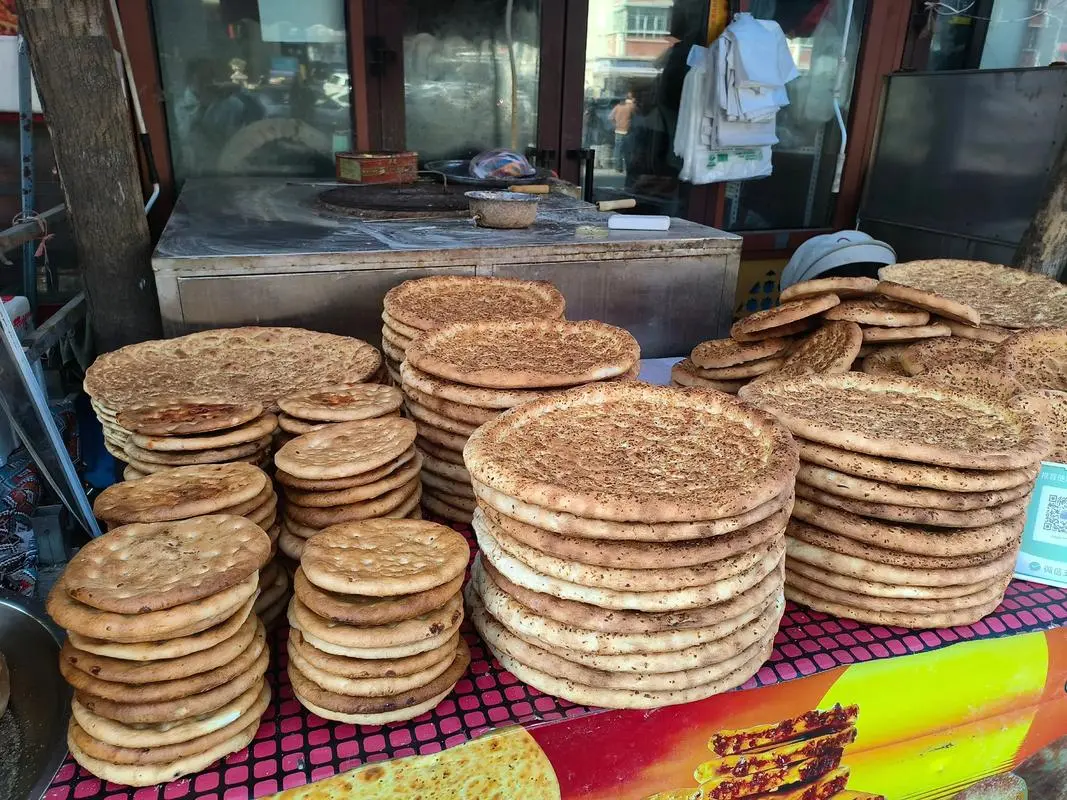
When we landed in Urumqi on the first night, we walked past the hotel breakfast buffet at ¥68 a head and instead found a corner bakery. Two naan, a boiled egg, and milk tea came to ¥14. That single decision set the tone for the whole trip. Xinjiang runs on a bakery-and-noodle economy that most visitors never see, because they eat at the hotel. The baker pulls flat discs off the wall of a tandir oven. The noodle cook pulls dough by hand behind a steam-clouded window. Both meals cost less than a metro ride in Shanghai.
We kept a rough tally across three trips. A normal eating day for one person ran ¥35–55: a bakery breakfast, a noodle lunch, and a few skewers at a night market. Add a hostel dorm and you land at ¥150–250 for the day. That is the number we give friends who ask whether Xinjiang is affordable.
The ¥10–35 meals that make Xinjiang budget travel work
Five things carried us through weeks of travel, and none of them broke ¥35.
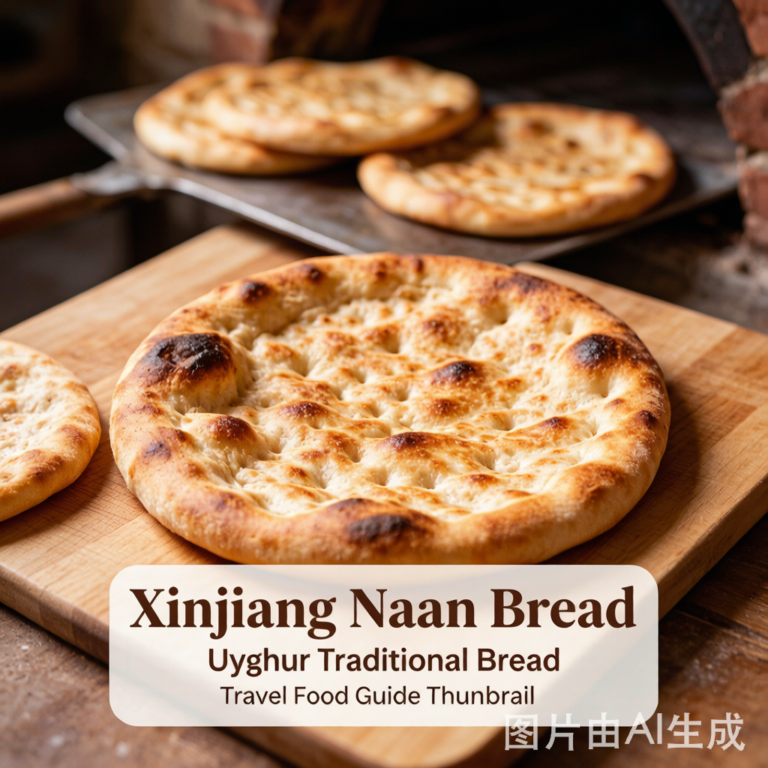
Naan (nang). The round, sesame-speckled flatbread comes out of the tandir hot and keeps for two days in a daypack. We bought ours from the busiest oven on the block, the one with a queue of locals, because that is the oven turning stock fastest. ¥3–8 buys one big enough to share. Our guide to nang explains the regional styles.
Samsa. These lamb-and-onion pastries bake inside the same ovens, stacked on the walls. A corner stall near Kashgar old town sold them at ¥4 each, straight from the heat. Three make a meal.
Laghman and banmian. Hand-pulled noodles with a stir-fried topping of tomato, pepper, and mutton. A full bowl is ¥18–30. We learned to order at the counter where workers eat, not the glass-fronted place with an English menu and a forty percent markup. The belt noodles of the road are worth knowing by name.
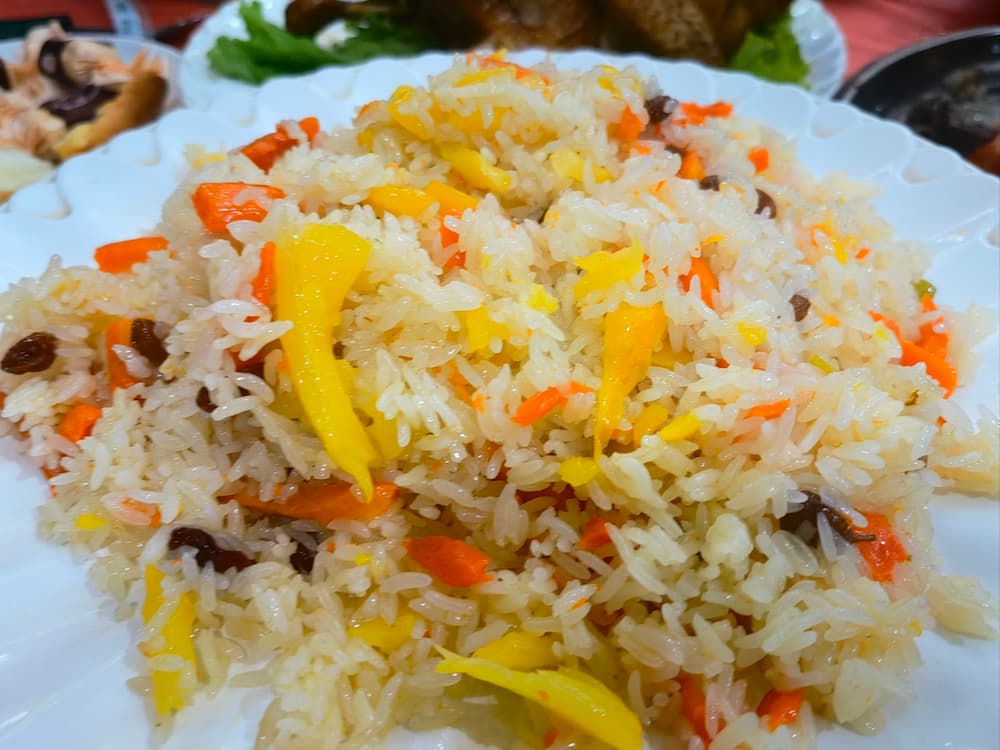
Polo. Rice cooked with carrot, onion, and lamb, served in a shallow bowl. ¥22–40 gets you full. It is the dish we ordered most because it is fast, hot, and everywhere. See our plov guide for what to expect in the bowl.
Kebabs. Mutton skewers at ¥3–8 each. Six to ten plus naan is a proper dinner for ¥40. We have a full piece on the skewers themselves, but the budget version is simple: find the stall with the biggest local crowd.
Sleep where the food is: pairing a hostel with its night market
The mistake we made on trip one was booking a quiet hotel far from the old town because it had good reviews. Calm, yes. But every meal meant a ¥15 taxi and a restaurant built for tourists. On later trips we booked the hostel inside or next to the old town or bazaar district, then ate our way outward from the door.
This is a different question from where beds exist. We wrote a separate piece on where hostels actually are in 2026. Here the logic is simpler: your cheapest, best food sits within a ten-minute walk of a night market or a bakery row, so put your bed there. In Urumqi that means the area around the Grand Bazaar. In Kashgar it is the old town and the streets just outside Id Kah Mosque. In Yining it is the Hanrenjie and the night market by the river.
When the hostel has a kitchen: the corner-store run
Not every hostel has a kitchen, but the ones that do change the math. We once stayed in a Urumqi hostel with a shared stove and a fridge. A ¥20 run to the corner shop (eggs, tomatoes, a loaf of naan, yogurt) became two breakfasts and a late-night snack. Bottled water is cheap, but a refill habit or a boiled-kettle routine saves ¥3–5 a day, which adds up over two weeks.
The corner store also sells the good stuff restaurants mark up: dried apricots, walnuts, and the small vacuum-packed spicy noodles that got us through a fourteen-hour train leg.
A cheap-eats map, city by city
Urumqi. The Grand Bazaar is a tourist trap at its center, but the side streets feeding it are not. Walk two blocks in and prices drop while the queues turn local. The Erdaoqiao area has hole-in-the-wall laghman counters where ¥20 feeds you.
Kashgar. The old-town ovens near Id Kah bake naan and samsa from dawn. The night market by the river hands you skewers at ¥3 each; ten plus naan is dinner for ¥40. We avoid the set-menu places facing the big squares.
Yining. The riverfront night market in summer is all grilled corn, mutton, and cold beer at local prices. The Hanrenjie snack street is where we ate most cheaply.
Turpan. Grape season, August into September, means fruit stands everywhere and ¥5 plates of grapes. The cold-noodle (liangpi) stalls are a ¥10 lunch.
The food math: what a lean day really costs
Here is a real day we logged in Urumqi, off-peak:
- Breakfast: naan + boiled egg + milk tea : ¥14
- Lunch: banmian at a worker counter : ¥22
- Afternoon: a samsa and a pear : ¥9
- Dinner: eight skewers + naan at the night market : ¥42
- Water and snacks : ¥6
Total food: ¥93. With a ¥90 dorm that is a ¥183 day. In a peak-season tourist town like Kashgar the dorm jumps to ¥150–200, so the same eating pattern lands at ¥240–290. Still far below the ¥600-plus that a mid-range hotel and restaurant routine costs. The food never changed. Only the bed did.
Tips that keep the food bill down
- Eat your big meal at lunch. Your appetite is sharper and you skip the dinner markup.
- Use the hostel breakfast even if it is basic. We once paid ¥30 for naan, tea, and egg and skipped buying food until dinner.
- Point at the next table’s dish instead of ordering from a picture menu. You get the local portion and price, not the tourist one.
- Carry a water bottle and a foldable bag for bread. Two small habits that save ¥5–10 daily.
- Walk inward from any main square. The first restaurant you see is rarely the cheapest, and never the most local.
One day, ¥60: an eat-like-a-local crawl in Urumqi
For travelers who want a plan, here is a single day built entirely around cheap eating:
08:00. Buy naan and a boiled egg from the bakery by the Grand Bazaar back gate. ¥10. Sit on a bench and watch the market wake up.
12:30. Banmian counter in Erdaoqiao. ¥22. Ask for less oil if you want it lighter.
16:00. One samsa from a street oven, eaten walking. ¥5.
20:00. Night-market skewers, eight of them, plus a fresh naan. ¥43.
That is ¥80 with water, or ¥60 if you skip the evening skewers and make the samsa your dinner. Either way you ate well and spent less than a single Western fast-food meal. If you want the wider picture on when to travel, our season-by-season guide covers how shoulder months cut both food-market crowds and room prices.
Frequently asked questions
Can I really eat in Xinjiang for under ¥50 a day?
Yes, if you lean on bakeries, noodle counters, and night markets instead of restaurants. We did it for weeks. A ¥30–60 food day is normal, not heroic.
Are hostels safe for foreign travelers in Xinjiang?
The ones in Urumqi and Kashgar are well run, with twenty-four-hour desks. Chinese law requires registration with the local police for any stay; hostels handle this at check-in, so bring your passport.
Is the food hygienic at street stalls?
We never got sick from busy stalls, and busy is the key word. Pick the oven or grill with the longest local queue. High turnover means fresh stock.
Do I need cash for cheap eats?
Often yes, at small ovens and night markets. Carry ¥100–200 in small notes. Big restaurants and malls take Alipay or WeChat, but the best ¥4 samsa stall may not.
Disclaimer: This guide is based on our team’s personal trips across Xinjiang between 2019 and 2026. Prices shift with season, city, and exchange rates. The numbers above are ranges from what we paid, not quotes. Confirm current costs before you travel, especially around major holidays such as National Week in early October. We are not responsible for any expense or inconvenience from outdated information.