Xinjiang Islamic Architecture: Mosques and Mausoleums
Xinjiang Islamic architecture blends Central Asian, Persian and Chinese design in mosques and mausoleums. A guide to the top sites and how to visit them.
A Website Introducing Top Tourist Attractions in Xinjiang

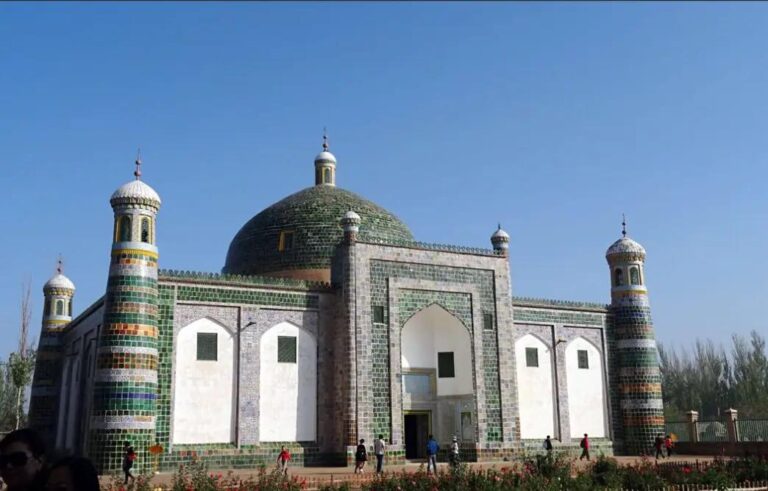
Xinjiang Islamic architecture blends Central Asian, Persian and Chinese design in mosques and mausoleums. A guide to the top sites and how to visit them.
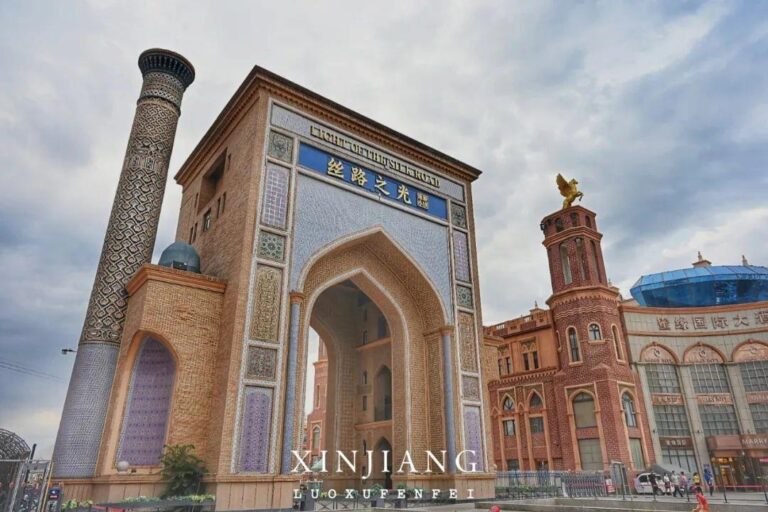
Xinjiang folk dance, from Dolan to Sanam: where travelers can watch Uyghur dance live, join a village meshrep, and the best seasons for visiting Xinjiang.
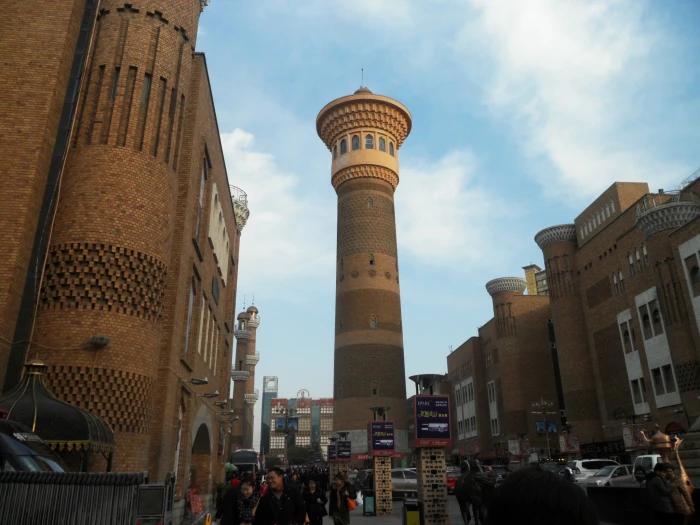
A hands-on guide to Xinjiang handicrafts: how Atlas silk is dyed, Yingjisha knives forged and doppa hats made, plus where to watch and buy the real thing.
Xinjiang Muqam is a UNESCO-listed suite of Uyghur song, poetry and dance. A performer explains its structure, instruments and where to hear it live today.
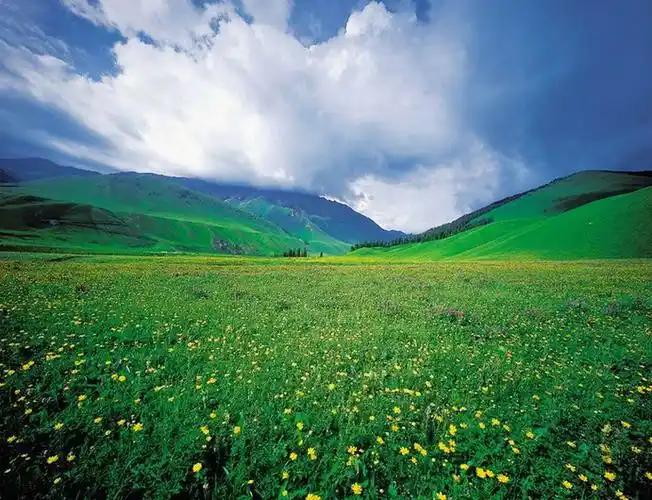
Xibe culture in Xinjiang: how the 1764 westward migration built Qapqal’s archery halls, living Manchu script and festivals. A first-hand traveler’s guide.
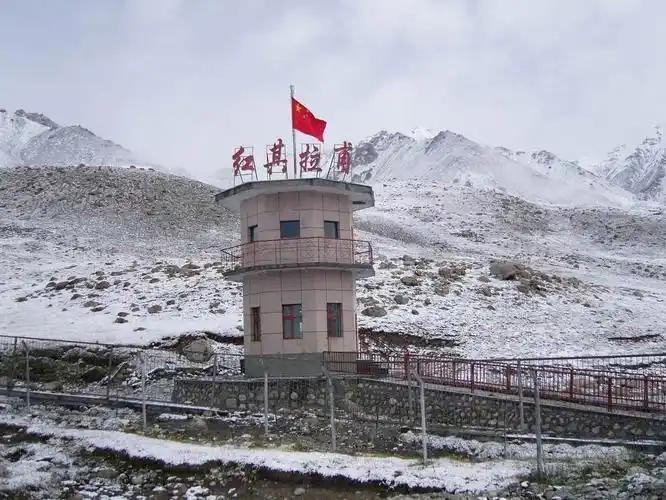
Tajik culture in Xinjiang, from a photographer who kept returning to Tashkurgan: eagle dances, apricot villages, festivals, homestays and permit tips.
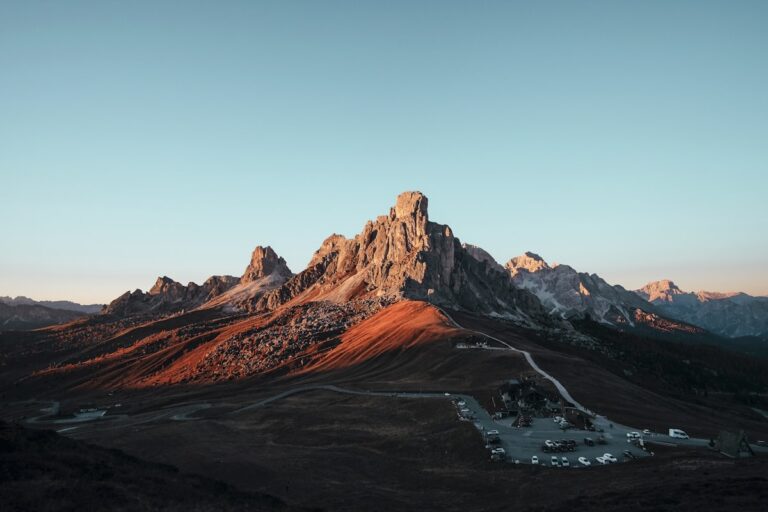
Kyrgyz culture in Xinjiang comes alive at Karakul Lake: yurt stays, Manas epic, felt crafts and horse games. An expedition guide shares 8 seasons of tips.
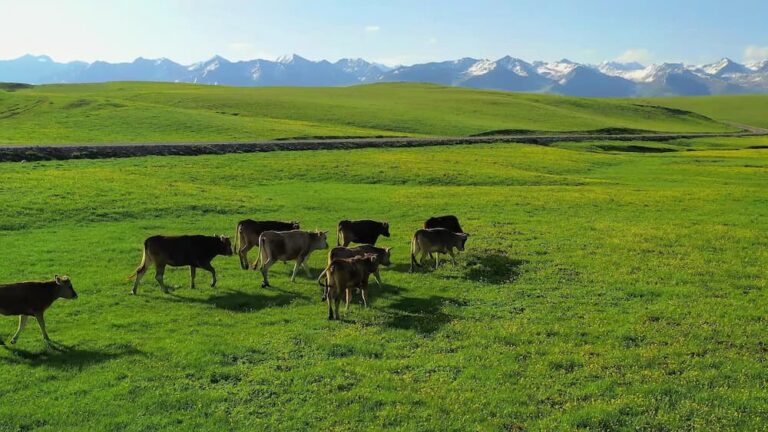
Kazakh culture in Xinjiang, explained by an Ili-born herder’s son: yurts, eagle hunters, kumis, horse games, and how to visit summer pastures respectfully.
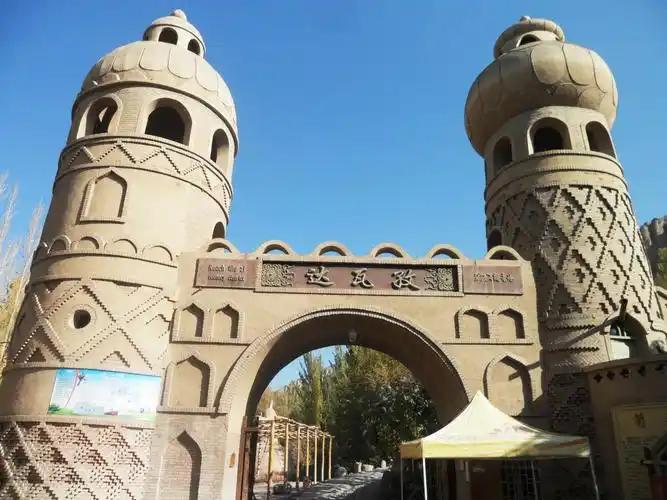
Uyghur culture in Xinjiang lives through the Twelve Muqam, meshrep gatherings, dutar strings and bazaar daily life in this Kashgar writer’s honest guide.
Xinjiang tea culture runs from salty milk chay to compressed brick tea. Our on-the-ground guide shows where to drink, buy, and brew it across the region.