Published: July 27, 2026 | Author: Karl Huang | Field notes contributed by Sam Whitfield, who traveled Xinjiang alone in May 2026
This Xinjiang solo travel guide is built on two separate solo trips: mine, a twelve day loop through Urumqi, Turpan and the Kanas region in May 2026, and my sister Ruth’s nine day southern route in September 2025. We compared notes afterward and disagreed on plenty, which turned out to be useful. She cared about different things than I did, and between the two of us we covered most of what a man or a woman traveling alone will actually run into. Neither of us speaks more than taxi Mandarin. Neither of us hired a guide. Both of us would go back alone without hesitating.
One thing to say upfront: solo travel Xinjiang style is not the same as solo travel in Thailand or Portugal. There is no backpacker trail, almost no other foreign travelers, and the distances punish bad planning. But the flip side surprised me. Chinese domestic tourists travel solo here in large numbers, the infrastructure quietly supports single travelers, and I was invited to more meals in twelve days than in a month of traveling around Europe.
Quick reference: Xinjiang solo travel at a glance
| Question | Short answer |
|---|---|
| Daily budget, solo | 450 to 750 RMB with hostels and trains; my 12 days cost 8,400 RMB total |
| Biggest solo cost trap | Private car hire; solve it by joining shared cars via hostel WeChat groups |
| Best solo transport | Trains between cities, shared cars for Kanas and the mountain areas |
| Accommodation | Hostels in Urumqi and Kashgar; guesthouses elsewhere, book ones that register foreigners |
| Eating alone | Easy at bazaars and noodle shops; restaurant portions assume two or three people |
| Safety | Both of us felt safer than in most large cities we know; checkpoints are routine |
| Best months | May to June and September for solo trips; shared cars fill fastest then |
What traveling alone here actually feels like
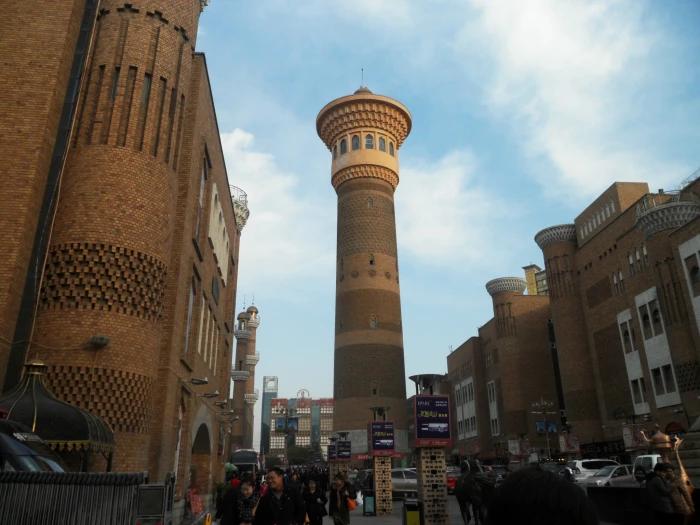
My first evening in Urumqi I stood in the Grand Bazaar with no plan, which is my normal state on day one. Within twenty minutes a retired couple from Chengdu had adopted me, walked me to a kebab stall they rated, ordered for me, and refused my money. Ruth had an almost identical story from Kashgar, except hers involved a pomegranate juice vendor and ended with a two hour conversation conducted entirely through a translation app. This is the texture of a solo trip in Xinjiang. You are a curiosity, people are direct, and being alone makes you approachable in a way couples and groups are not.
The harder part is logistics. Xinjiang rewards groups because the best scenery sits at the end of long road journeys, and a car costs the same whether one person or four sit in it. A solo traveler who books private drivers for everything will spend double what a couple spends per person. The workaround is the shared car system, and learning it is the single most valuable thing in this guide. Every hostel in Urumqi, Burqin and Kashgar runs WeChat groups where solo travelers assemble into car shares. I joined three strangers for a four day Kanas circuit and paid 950 RMB for my seat instead of the 3,600 the whole car would have cost. My three carmates were a nurse from Xi’an, a photography student, and a man who sold industrial valves and snored magnificently. By day two we were a functioning unit.
Getting around without your own car
Between cities, take the train. It is the solo traveler’s best friend here because a train ticket costs the same whether you are alone or not, and overnight sleepers save a hotel night. I took the high speed line from Urumqi to Turpan, about an hour, and later an overnight sleeper toward the north. Buy tickets on the 12306 app; passport registration takes a day or two, so set it up before you fly. My notes on which apps actually function inside Xinjiang are in our Xinjiang travel apps guide, and the wider question of rail versus air is covered in the train vs flight comparison.
For the mountain regions, shared cars as described above. For cities, Didi ride hailing works well in Urumqi and adequately in Kashgar. Ruth used long distance buses twice in the south and rated them fine but slow: the Kashgar to Tashkurgan bus took over six hours with checkpoint stops. One honest warning: if you get carsick, claim the front seat early in your WeChat group negotiations. The mountain roads switchback for hours.
When to go if you are on your own
Timing matters more for solo travelers than for groups, because you depend on other travelers existing. In May and June, and again in September, the hostel WeChat groups are busy and a car share for any major route assembles within a day. I posted my Kanas dates at 9 pm and had a full car by breakfast. Ruth traveled in mid September and reported the same. In November or March you might wait three or four days for a share to fill, or end up paying for empty seats. July and August work too, but prices rise and you will queue at the big sights. Winter solo travel is possible and the snow scenery is real, but you will likely be buying a whole car to yourself.
Where I stayed and what solo travelers should book
Urumqi and Kashgar have proper hostels with dorm beds from 60 to 80 RMB, and these are worth using even if you can afford hotels, purely for the car share groups and the notice boards. Outside those two cities, hostels thin out and you move to guesthouses and small hotels. The critical detail: not every Chinese hotel is licensed to register foreign guests, and as a solo traveler you have no one to share the problem with when a front desk turns you away at 10 pm. It happened to me once in Burqin. Book ahead on Trip.com, message the property to confirm they take foreigners, and screenshot the confirmation.
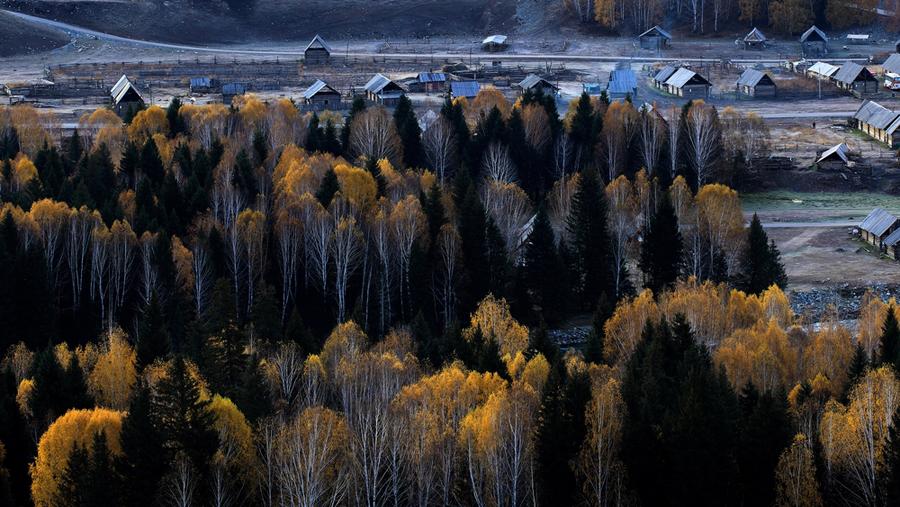
In Hemu village I paid 180 RMB for a private room in a wooden guesthouse, which felt like luxury after two dorm nights. Single rooms in Xinjiang are rare; you usually pay for a twin and use one bed. Factor that into your budget, or check the full numbers in our Xinjiang travel cost breakdown, which matches what I spent within about ten percent.
Eating alone without ordering for three
Xinjiang restaurant food is built for tables of people. A dapanji, the famous big plate chicken, genuinely feeds three adults, and I watched a waiter try to talk a solo Chinese traveler out of ordering one. The solo strategy is street and bazaar food: kebabs at 5 to 8 RMB each, laghman noodles as a single portion, samsa from bakery windows, half a roast chicken from market stalls. I ate this way for most of twelve days and my food costs averaged 90 RMB a day. Some noodle places offer a small portion if you ask for xiao fen. The other solo trick is timing: turn up at a busy restaurant at 1 pm sharp, and the staff will often seat you at a shared table, which twice turned into being fed by my neighbors.
Practical tips for solo men and women
Checkpoints and registration are the same for everyone: carry your passport always, expect your details to be logged at stations and park entrances, and keep hotel bookings accessible on your phone. As a solo traveler you sometimes get an extra question about your travel plans. A screenshot of your route in Chinese, which a hostel receptionist made for me in two minutes, answered everything for the rest of the trip. Permit requirements for border areas like Tashkurgan apply to solo travelers exactly as to groups; the process is explained in the visa and permits guide.
Ruth’s perspective as a woman traveling alone: she rated Xinjiang among the more comfortable places she has done solo, ahead of southern Europe in terms of street hassle, which she says was essentially zero. Her standard precautions applied anyway: she dressed modestly around mosques and the old towns, skipped late night walks in unlit areas of unfamiliar cities, and shared her live location with me during long car transfers. Her full reasoning belongs to a longer discussion, and the dedicated solo female travel safety guide on this site goes deeper than I can here. For men, the honest note is different: your main risks are logistical, not personal. Missed buses, full hotels, and overconfidence about distances cause more solo trip failures here than anything involving other humans.
Two more items both of us endorse. First, carry cash in the 200 to 300 RMB range; card and phone payments dominate but small village shops and one memorable mountain toilet attendant wanted paper money. Second, download offline maps before leaving Urumqi, because long stretches of the north have no signal at all.
My eight day solo route
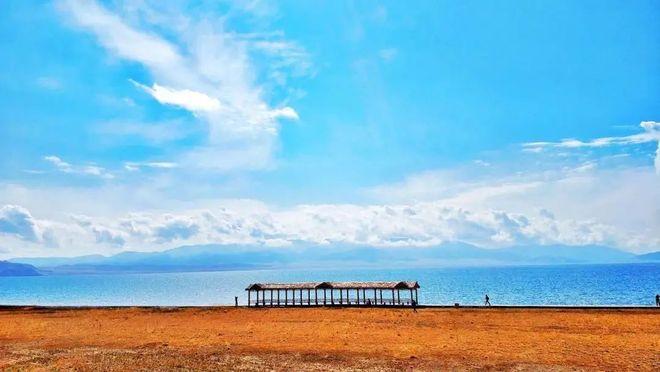
If you have eight days, this is the route I would repeat, all doable with trains, one flight, and one shared car:
Days 1 and 2: Urumqi. Land, recover, sort your SIM and apps, join a hostel WeChat group and post your Kanas dates. See the Grand Bazaar and the regional museum; the Urumqi city guide covers the details. Day 3: High speed train to Turpan for the day or overnight; the Karez wells and Jiaohe ruins work fine alone. Days 4 to 7: Fly or take the overnight train north, then a four day shared car circuit through Kanas, Hemu and the Burqin area. Day 8: Return to Urumqi and fly out. Total cost at my spending level: around 5,500 RMB excluding international flights.
FAQ
Is Xinjiang good for first time solo travelers?
It is a fair choice if you have solo experience somewhere with a language barrier. If this is your first ever solo trip, the distances and thin English make it a demanding start, though not an impossible one.
Will I be the only foreigner?
Often, yes. In twelve days I met four other Western travelers. Your social life will be with Chinese travelers, which the translation apps make far easier than you expect.
Can I rent a car and drive alone?
Only with a Chinese driving license; foreign and international licenses are not accepted. Solo foreigners effectively choose between public transport and shared or hired cars.
Is couchsurfing or camping realistic?
No. Foreigners must be registered at licensed accommodation each night, and wild camping puts your host or yourself in an awkward position at the next checkpoint. Stay bookable.
How much Mandarin do I need?
I survived on perhaps twenty words plus a translation app. Numbers, hello, thank you, and the phrase for “I cannot eat spicy food” did most of the work, the last one unsuccessfully.
Disclaimer
This article describes personal trips taken in September 2025 and May 2026. Prices, transport schedules, registration rules and permit requirements change; verify current conditions with official sources such as your embassy’s travel advice and the Xinjiang Culture and Tourism Department before booking. Nothing here is a guarantee of safety or availability, and solo travelers should apply their own judgment to their own circumstances.
About the contributors
Sam Whitfield is a paramedic from Melbourne who has traveled solo in 23 countries and keeps trip journals nobody asked for. His sister Ruth Whitfield, a secondary school teacher, has done solo routes across Central Asia and southern China. Both trips described here were fully self funded, with no sponsorship, press rates or hosted arrangements. Edited and fact checked for Xinjiang Attractions by Karl Huang.