Published: July 27, 2026 | Author: Tomás Almeida, overland travel writer
Most people see Pishan county for about four minutes, which is how long the Kashgar to Hotan train pauses at its small station before rolling on. I did exactly that in April 2024, and then, because of a missed bus connection, ended up spending a night in the county town by accident. This Pishan travel guide is the result of that accident plus a deliberate return in October 2025, when I came back specifically to look for what remains of the old jade road that once climbed from here over the Kunlun mountains toward Ladakh. Pishan, known locally by its Uyghur name Guma, is not a destination in the usual sense. It is a working oasis county on the G315 between Yecheng and Hotan, and that is precisely why I found it interesting. If you want to see what southern Xinjiang looks like when nobody is performing for visitors, this is the place.
Why trust this Pishan travel guide
I spent years cataloguing trade goods in an antique dealer’s back room in Porto before I started writing about the routes those goods once travelled. Jade from Khotan was one of the objects that pulled me east. I have now passed through Pishan twice, once in spring and once in autumn, paid for everything myself, and took no sponsored rooms or meals. Where I am unsure about a fact, I say so. Where rules for foreign visitors were unclear on the ground, I describe what actually happened rather than what a brochure claims.
Quick reference: Pishan at a glance
| Item | Details |
|---|---|
| Location | Hotan Prefecture, on the G315, roughly 120 km east of Yecheng and 110 km west of Hotan city |
| Local name | Guma (Uyghur); Pishan appears in Han dynasty records as a small kingdom |
| Main sights | County bazaar, Sanju river valley, desert edge north of town, everyday oasis life |
| Getting there | Kashgar to Hotan railway stops at Pishan station; buses and shared cars along the G315 |
| Time needed | Half a day to one night for most; a full extra day if you arrange a Sanju valley trip |
| Budget | Around 150 to 250 CNY per day including a twin room and meals |
| Best months | April to May and September to October |
A town the jade caravans built
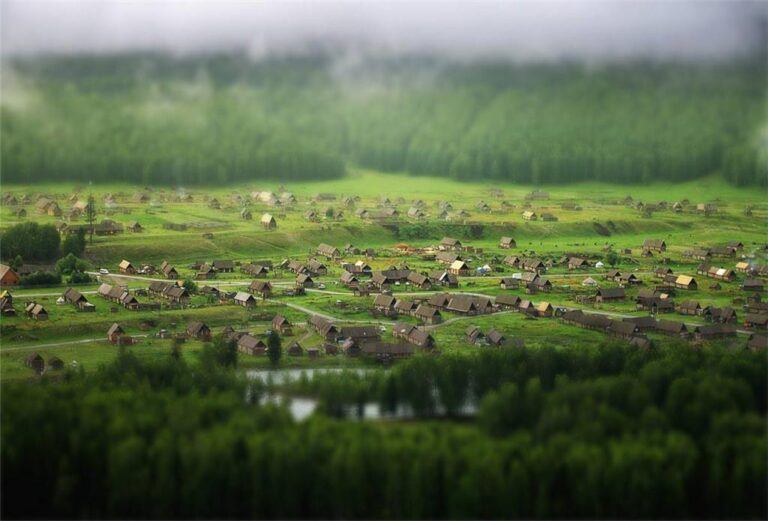
The reason Pishan exists at all is water and geography. The Sanju river comes down from the Kunlun and spreads into an oasis, and for centuries the valley behind it carried one of the high trade routes between Khotan and the Indian subcontinent. Caravans hauled raw nephrite, silk, brick tea and wool up through the Sanju Pass at over 5,300 metres. The Book of Han lists Pishan as its own little kingdom on the southern Silk Road, which amused me when I first read it, because the modern town is about as unroyal as a town can be: two main streets, a grid of poplar lined lanes, a bazaar, and the constant background traffic of the G315.
My first evening there in 2024 was unplanned. The onward bus I had counted on did not run that day, a fact everyone at the station seemed to know except me. A melon seller outside the station, an older man named Memet, watched me struggle with the timetable, laughed, and walked me two blocks to a hotel that would register foreigners. Then he sold me a quarter of a melon for 5 CNY and refused to let me pay more. That small sequence, mild chaos followed by casual kindness, set the tone for both of my stays.

The bazaar and everyday Guma
The county bazaar is the heart of the town and the best reason to break your journey here. It runs daily but swells enormously on market day, when farmers from the surrounding townships come in with sheep, dried fruit, hand forged tools and bolts of cloth. Compared with the tourist facing sections of the markets in Hotan or Kashgar, nobody here expects a foreigner to buy anything, which changes the whole atmosphere. I stood for twenty minutes in 2025 watching a blacksmith straighten axe heads while his son pumped the bellows, and the only attention I attracted was a cup of tea pushed into my hands.
Is there jade in Pishan? Yes, in a modest way. A few stalls and small shops sell river stones and worked pieces, mostly aimed at Chinese travellers on the G315. I looked closely on my second visit. Some of it is genuine local nephrite, plenty of it is dyed or imported material, and I would not spend serious money here unless you know stones well. If jade shopping is a priority, the dedicated markets in Hotan give you more choice and more room to compare. What Pishan offers instead is the older story: this was a place jade passed through, loaded on animals, heading for the mountains.
The Sanju valley and the old road south
The trip I came back for in October 2025 was the lower Sanju valley. I hired a driver through my hotel for 400 CNY for the day, a price that took two rounds of negotiation and a phone call to someone’s cousin. The road follows the river up through a string of Uyghur farming villages, apricot and walnut orchards, and increasingly bare red and grey mountainsides. Ancient rock carvings exist in the valley, pecked images of ibex and hunters that scholars connect to the traffic over the pass, though finding them without a local guide is genuinely hard and I only saw one small panel, pointed out by my driver after asking in a village shop.
I need to be honest about the limits here. The upper valley leads toward the border zone, and there is a checkpoint partway up. Foreign passports get scrutiny, and on my visit the officer waved us through the lower section but made clear the road further up was closed to me. Treat anything beyond the lower villages as off limits unless you have arranged permits through an agency, and do not try to talk your way past. The lower valley alone is worth the day: quiet orchards, mud brick hamlets, and the strange feeling of standing at the bottom of a road that once ended in Leh.
Getting to Pishan
The railway is the comfortable option. Pishan sits on the Kashgar to Hotan line, about four hours from Kashgar and ninety minutes from Hotan, with hard seats costing under 50 CNY. Trains are punctual and the station is a short taxi ride from the centre. By road, buses and shared cars run along the G315 in both directions; I paid 40 CNY for a seat in a shared car from Yecheng in 2025, which took a little under two hours including a checkpoint stop. If you are driving yourself, Pishan is a natural fuel and lunch stop on the southern route, and the town has several petrol stations that accepted my documents without fuss. For route planning across the region, our Xinjiang self-drive guide covers the paperwork and checkpoint rhythm in detail.
Best time to visit
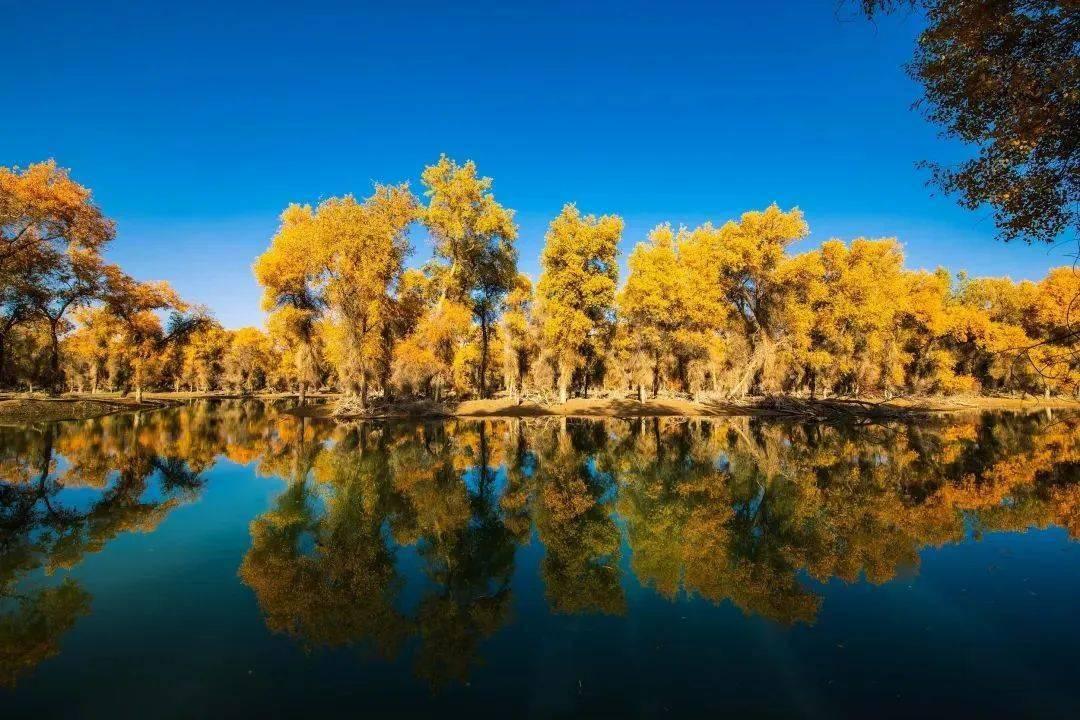
April and May bring blossom in the orchards and mild days around 20 to 25 degrees. September and October, when I made my second trip, are dry and clear, with the poplars turning yellow in the second half of October. Summer works but the heat sits in the upper thirties and the desert wind carries dust; winter is cold, grey and, in my opinion, only for travellers who enjoy having towns entirely to themselves. Sandstorms are most common in spring, so build a spare half day into any plan then. The month by month weather guide has fuller numbers for the Hotan corridor.
Where to stay
Options are basic and that is part of the deal. In 2025 I paid 168 CNY for a clean twin in a mid range place near the bazaar that handled foreign registration calmly, though the receptionist had to phone a manager to remember the procedure. At least one cheaper hotel turned me away in 2024 with an apologetic shrug, so allow time to try two or three places if you arrive without a booking. Standards inside were fine: hot water, hard beds, a kettle, and a breakfast of eggs, naan and rice porridge included. Do not expect anyone at reception to speak English; a translation app and patience covered everything I needed.
What to eat
Pishan eats like a farm town. Laghman with peppers and mutton cost me 20 CNY at a place facing the bazaar, kebabs ran 4 to 6 CNY a skewer, and in October the samsa came straight off the tandoor wall with walnut sized chunks of fat that crackled. Look for the morning naan bakeries near the market entrance; a fresh one costs a few CNY and stays good all day in a daypack. The melons and dried apricots here are excellent and cheap, since you are buying at the source. Vegetarians will manage with vegetable laghman and egg dishes but should not expect variety.
Practical tips from two visits
Carry cash. My QR payments worked in the bigger shops but failed twice at bazaar stalls, and the ATM situation is thin. Keep your passport on you at all times; this is a border county and checks are routine, quick and polite in my experience. Photograph people only after asking, especially in the bazaar. Mobile signal is strong in town and patchy up the Sanju valley, so download offline maps before heading out. Finally, do not schedule Pishan too tightly. Buses here follow a logic of their own, and the town rewards the traveller who can shrug and stay another few hours.
A sample stopover
Arrive mid morning by train from Kashgar or Hotan. Drop bags at a hotel near the bazaar, spend the late morning in the market and the blacksmith lane, and eat laghman for lunch. In the afternoon, take a taxi to the desert edge north of town where the last irrigation channels give out into dunes, a strangely abrupt border you can walk in twenty minutes. Evening kebabs, an early night, and next morning either continue along the G315 or, with a day in hand, arrange a driver for the lower Sanju valley. Travellers linking oasis towns should also look at Yarkand to the west and Minfeng to the east, and anyone continuing toward the high mountains can connect to the Pamir plateau circuit via Kashgar.
Frequently asked questions
Is Pishan worth a stop?
If you are travelling the southern G315 corridor anyway, yes, for half a day to a night. I would not fly across Xinjiang just for it, and I say that as someone who came back on purpose.
Do hotels accept foreigners?
Some do, some do not. I found one reliable mid range option in 2025, and one refusal in 2024. Arrive with daylight to spare and have a backup plan.
Can foreigners visit the Sanju valley?
The lower valley villages were accessible on my 2025 visit with a local driver. The upper valley toward the pass is border zone and was closed to me. Rules shift, so ask locally the day before.
Should I buy jade in Pishan?
Only small pieces for fun, unless you can judge nephrite yourself. Serious buyers do better in Hotan, and even there caution pays.
Is there an airport?
No. The nearest airports are Hotan and Yecheng. The train is the practical way in.
Disclaimer
Prices, transport schedules, hotel registration practices and access rules in border counties change frequently and sometimes without notice. Details above reflect my visits in April 2024 and October 2025 and conversations with local drivers and hoteliers. Verify current conditions, especially anything involving the Sanju valley and checkpoints, before you commit to plans. I have no commercial relationship with any business mentioned.
About the author
Tomás Almeida is a travel writer from Porto, Portugal, who spent six years assisting in an antiques business before turning to the overland trade routes that supplied it. He has travelled the southern Xinjiang corridor twice, in 2024 and 2025, researching the old jade roads between the Tarim oases and the Kunlun passes. All trips are self funded and unsponsored.