Published: July 27, 2026 | Author: Hannah Berg, independent budget-travel writer
Working out your Xinjiang travel cost before you go is the difference between a trip that feels generous and one that feels stressful. I keep a spreadsheet on every trip, partly out of habit and partly because readers keep asking me for real numbers rather than vague ranges. This guide is built from two visits: three weeks in September 2024 and a shorter ten-day loop in May 2025. Every figure below is in Chinese yuan (CNY) and reflects what I actually paid, rounded to what you are likely to see in 2026.
Xinjiang is not a single price point. A backpacker sleeping in dorms and eating at bazaars can get by on a fraction of what a couple hiring a private driver spends. So instead of one magic number, I have split everything into the categories that actually move your daily budget, then added a sample itinerary so you can see how it adds up in practice.
Quick reference: Xinjiang travel cost at a glance
| Category | Shoestring | Mid-range | Comfort |
|---|---|---|---|
| Bed per night | 40-70 (dorm) | 180-320 (double) | 500-850 (hotel) |
| Food per day | 45-80 | 110-170 | 250-400 |
| Local transport per day | 20-60 | 80-200 | 400-700 (private car) |
| Attractions per day | 0-90 | 90-200 | 150-300 |
| Rough daily total | 250-350 | 460-680 | 1,100-1,600 |
Those daily totals exclude the big-ticket items you pay once, mainly long-haul flights into the region and any domestic flights between Urumqi, Kashgar, and Altay. I cover those separately below.
What I actually spent: a real breakdown
On my 2024 trip I averaged about 520 CNY a day as a solo traveller mixing budget guesthouses with the occasional nicer room. My 2025 return trip ran higher, around 780 a day, because I hired a driver for four days in the far south where public transport eats your time. The lesson I keep relearning is that in Xinjiang you either spend money or you spend hours. Distances here are enormous, and the cheapest option often costs you a full day of daylight.
The single biggest surprise for first-timers is how far apart everything is. Getting from the Kanas region in the north down to Kashgar in the southwest is roughly the distance from Paris to Warsaw. That reality shapes every line in your budget, so plan routes that cluster nearby sights rather than zig-zagging across the map.
Transport costs
Trains are your friend for the wallet. The high-speed line links Urumqi with Turpan and Hami, and I paid around 55 to 95 CNY for the Urumqi to Turpan leg depending on the seat class. Overnight sleeper trains to Kashgar or Hotan cost roughly 250 to 480 CNY and save you a hotel night, which is a quiet win for the budget.
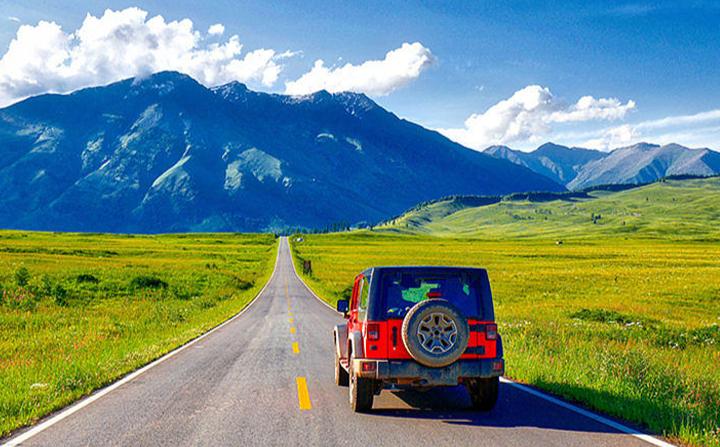
Flights matter when time is tight. Urumqi to Kashgar typically runs 500 to 950 CNY one way, and Urumqi to Altay for the Kanas region sits in a similar band. Book two to three weeks ahead for the lower end. If you are considering renting a car and driving yourself, our self-drive planning guide breaks down rental rates, which run about 250 to 450 CNY a day for a compact SUV plus fuel, and fuel is not cheap given the distances.
Within cities, ride-hailing is astonishingly affordable. Short hops across Urumqi cost me 12 to 25 CNY, and shared long-distance taxis between towns in the south often came to 40 to 80 CNY per seat. For getting around the capital specifically, our Urumqi city guide has the metro and bus details that kept my transport line tiny there.
Best time to go, and how it changes your budget
Timing is a cost decision, not just a weather one. July and August are peak season, and prices for rooms near Kanas, Sayram Lake, and Nalati climb sharply, sometimes doubling. I found late May and mid-September to be the sweet spot: pleasant weather, thinner crowds, and rates a third lower than midsummer. Winter is cheapest of all for lodging, though some mountain routes close. For month-by-month detail, see our weather guide before you lock in dates.

Accommodation costs
Hostel dorm beds in Urumqi, Kashgar, and Turpan ran me 40 to 70 CNY. A clean private double in a family guesthouse was usually 150 to 280, and this is where most independent travellers land. Mid-range business hotels sat around 300 to 450, and the polished international-style places in Urumqi reached 600 to 850. In small county towns your choice narrows, and I sometimes paid 180 to 240 for the only decent room available.
One practical note that has nothing to do with price but everything to do with your trip: not every hotel is licensed to register foreign guests. When a cheap place turned me away in a small town, it was a licensing issue, not the room. Budget a little buffer for occasionally paying more than you hoped in remote areas.
Food costs
This is where Xinjiang rewards you. A plate of laghman noodles cost 20 to 28 CNY, lamb kebabs were 4 to 6 each, a bowl of polo (pilaf) ran 25 to 35, and a shared big-plate chicken with hand-pulled noodles was 88 to 120 between two or three people. I ate extremely well on 60 to 90 CNY a day by sticking to bazaars and family restaurants. The bazaars are also where your snack and fruit spending quietly adds up, so set a small daily cap if you are counting closely.
Attraction and entry costs
Entry fees vary widely. Big scenic areas are the pricey ones: the Kanas area runs about 185 CNY plus a mandatory shuttle around 90 to 120, and Heavenly Lake (Tianchi) near Urumqi is roughly 190 plus shuttle. Turpan sights like Jiaohe cost around 70. On the other hand, some of my favourite experiences were free, including wandering the alleys of the old town in Kashgar and browsing the bazaars. Whether you lean north or south changes your attraction bill, and our north versus south comparison helps you weigh it.
Shopping and souvenir costs
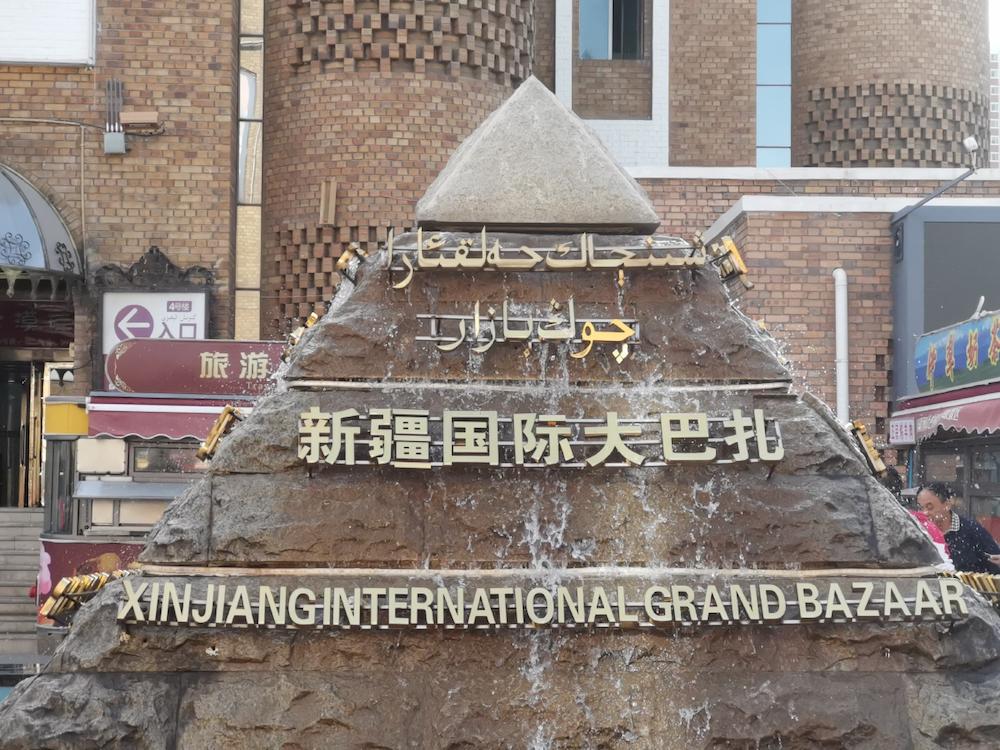
This is the line that quietly balloons if you are not paying attention. The bazaars are full of dried fruit, nuts, saffron, silk scarves, hand-knotted rugs, and jade, and prices swing wildly with your bargaining. I paid 30 to 60 CNY a kilo for good dried apricots and raisins, 40 to 120 for an atlas silk scarf depending on quality, and I watched travellers spend thousands on carpets and jade without much idea of value. My rule is simple: buy consumables like fruit and spices freely because they are cheap and genuinely local, but treat anything expensive as a considered purchase, not a market impulse. If jade tempts you, learn the basics first, because dyed and imported stone is mixed in with the real thing at tourist stalls.
I also budget a small daily amount for the things that never make it into anyone’s plan: bottled water in the dry south, a local SIM or data package, laundry, and the occasional taxi when I am too tired to wait for a bus. Across three weeks these small items came to a few hundred yuan, which is worth carrying as a buffer rather than pretending they do not exist.
Sample 8-day mid-range budget
Here is how a realistic mid-range week added up for me, per person, excluding international flights:
- Accommodation, 7 nights at ~250: 1,750 CNY
- Food, 8 days at ~150: 1,200 CNY
- Trains and flights within Xinjiang: 1,400 CNY
- Local transport and taxis: 600 CNY
- Attractions and shuttles: 900 CNY
- Buffer for SIM, water, snacks, souvenirs: 500 CNY
That lands at roughly 6,350 CNY per person for eight days, or about 790 a day. Travelling as a pair lowers the per-person figure because rooms and taxis split cleanly. Before you finalise anything, confirm your entry paperwork through our visa and permits guide, since a missed step there costs far more than any budget line here.
Money-saving tips that actually worked
- Carry cash. Mobile payment is everywhere, but my QR scan failed twice in remote towns and cash saved the moment.
- Travel shoulder season. The same room in May cost me a third less than a friend paid in August.
- Eat where drivers and locals eat. The best laghman I had was 22 CNY at a spot with no English menu.
- Cluster your route. Backtracking across Xinjiang burns both fuel and days.
- Share long-distance taxis and car hire. Splitting a driver across three people made the far south affordable.
Frequently asked questions
How much money do I need per day in Xinjiang? Budget travellers can manage on 250 to 350 CNY a day, mid-range travellers spend 460 to 680, and comfort-level trips run 1,100 to 1,600, all excluding flights into the region.
Is Xinjiang expensive compared to eastern China? Food and local transport are cheaper. What raises the total is the long internal distances and the entry fees at major scenic areas.
Can I pay by card or phone? Mobile payment dominates, and international cards work in some hotels. Still carry cash for small towns and market stalls.
What is the cheapest way to get around? Trains for long hauls and shared taxis for regional hops. Flying saves time but costs several times more.
Disclaimer
All prices are approximate 2026 figures based on my personal spending in 2024 and 2025 and will vary with season, availability, exchange rates, and your own choices. Entry fees, shuttle charges, and transport schedules change without notice, so treat every number here as a planning estimate rather than a quote. Always confirm current costs and any entry requirements before you travel.
About the author: Hannah Berg is an independent budget-travel writer based in Malmö, Sweden, who has spent more than a decade tracking real costs across Central Asia and western China. She visited Xinjiang in September 2024 and again in May 2025, paying her own way on both trips. She does not accept sponsored stays and records her spending in a working spreadsheet to keep her numbers honest.