Published: July 27, 2026 | Author: Priya Nair, community pharmacist, Auckland
I have spent nineteen years behind a pharmacy counter in Auckland, and I still managed to get caught out in Turpan with heat exhaustion and a half-empty water bottle. That embarrassing afternoon is one reason I wanted to write down proper Xinjiang health tips rather than the vague “drink water and pack sunscreen” advice I read before our trip. My husband Vikram and I spent fifteen days in the region in June 2025, covering Urumqi, Turpan, Kuqa and Kashgar, and because of my job I paid close attention to pharmacies, clinics and what actually goes wrong for travelers. Nothing here replaces advice from your own doctor. It is simply what I saw, what I bought, and what I wish someone had told me.
Quick reference: Xinjiang health tips at a glance
| Item | What we found |
|---|---|
| Pharmacies (药店 yaodian) | Everywhere in cities, green cross sign, many open until 22:00 |
| English at pharmacies | Almost none; use a translation app and generic drug names |
| Hospitals for foreigners | Large city hospitals have international or VIP clinics; bring your passport |
| Typical clinic consultation | We paid 30 RMB registration plus tests at a Urumqi VIP clinic |
| Tap water | Not for drinking anywhere; hotels provide kettles and bottled water |
| Biggest real risks | Dehydration, sunburn, stomach upsets, long distances from care |
| Vaccinations | Routine ones up to date; our NZ travel clinic suggested hepatitis A |
| Emergency number | 120 for ambulance, but self-transport by taxi is often faster in cities |
The afternoon I ignored my own advice
Turpan in late June sits somewhere between an oven and a hair dryer. The forecast said 41°C the day we walked the Jiaohe ruins, and the dry air tricks you because sweat evaporates before you notice it. I had lectured Vikram at breakfast about electrolytes, then walked out with one 500ml bottle for a two-hour site. By the last stretch I had a pounding headache, chills on my arms despite the heat, and that slightly stupid feeling where simple decisions take too long. A vendor near the exit sold me two bottles of Jianlibao and let me sit under his awning for twenty minutes. Classic mild heat exhaustion, textbook presentation, pharmacist patient zero.
The fix was boring: shade, fluids, salt, and skipping the afternoon plan. But it taught me the core lesson of this region. Distances are huge, the climate is extreme, and small mistakes escalate faster than they would at home. Most health problems travelers face in Xinjiang are preventable ones, not exotic diseases.
Pharmacies: what you can and cannot buy
Chinese pharmacies surprised me in both directions. On the generous side, many drugs that need a prescription in New Zealand sit on open shelves: several antibiotics, strong cold preparations, omeprazole in big boxes. On the strict side, anything containing codeine or pseudoephedrine is tightly controlled, and staff will refuse without a Chinese prescription.
Practical points from my counter-to-counter comparison in Urumqi and Kashgar:
- Write the generic name, not the brand. Nobody recognised “Panadol,” but 对乙酰氨基酚 (paracetamol/acetaminophen) typed into a translation app worked instantly.
- Ibuprofen, loperamide, oral rehydration salts, cetirizine and motion sickness tablets were easy to find in every city pharmacy we entered.
- Check doses. Chinese paracetamol often comes as 500mg tablets in strips of ten, but combination cold remedies stack ingredients, so read the box photo through your translation app before doubling up.
- Insulin and inhalers exist but brands differ. If you depend on either, carry your full supply plus a third extra.
One warning I give as a pharmacist, not just a traveler: bring any regular medication in original packaging with the prescription label, and check China’s import rules first. Strong painkillers and some ADHD medications need paperwork before you fly. I covered what officers actually check in my notes after reading the Xinjiang customs and border formalities guide, which matches what we experienced at Urumqi airport.
Seeing a doctor: our VIP clinic test run
Vikram developed an ear infection in week two, a souvenir from a hotel pool in Kuqa. Back in Urumqi we went to a large public hospital and asked for the international/VIP outpatient clinic, which several big hospitals run. Registration cost 30 RMB with his passport. A nurse took us to a doctor within forty minutes, the doctor examined him, typed notes, and sent us to the hospital pharmacy with an electronic prescription for antibiotic ear drops. Total cost including the consultation and drops came to just under 180 RMB. No English forms existed; we managed with a translation app and the doctor’s patience.
Two things made this smooth. First, we went mid-morning on a weekday. Second, we had cash and a working payment app, because the cashier window moved fast and card terminals were nowhere in sight. If you have not set up mobile payments yet, sort that before you need a hospital, and the Xinjiang travel apps guide explains the setup better than I can.
For anything serious, evacuation insurance matters here more than in most of China because distances are so long. We bought a policy with medical evacuation cover after reading the Xinjiang travel insurance and safety preparation article, and I would not travel the region without it.
Remote areas: the four-hour problem
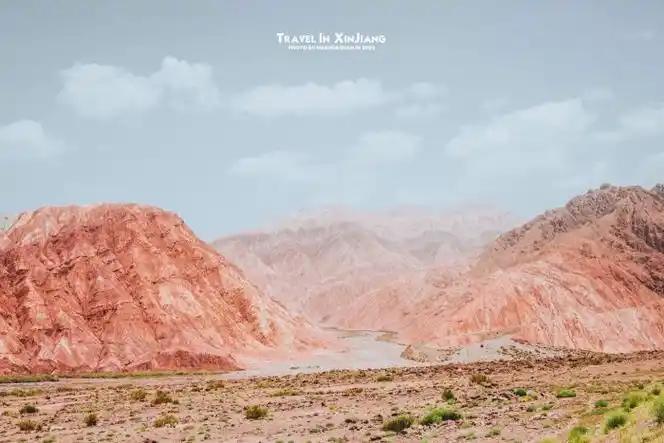
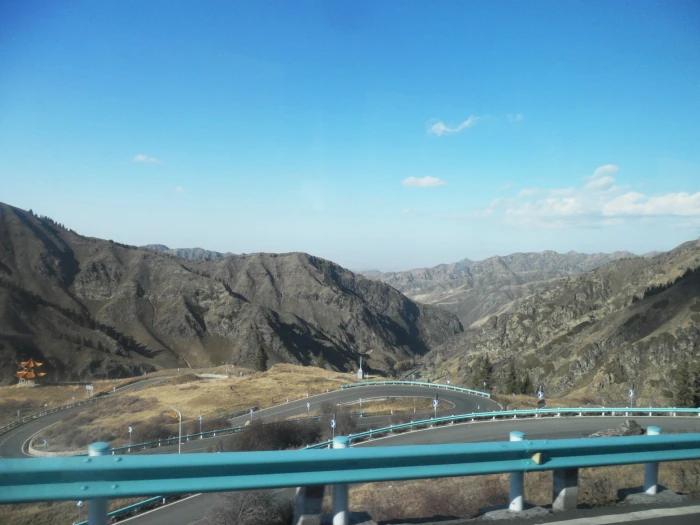
Between Kuqa and the Tianshan canyon viewpoints, our driver mentioned casually that the nearest proper hospital was about three hours back the way we came. That sentence reframes your whole packing list. County towns have hospitals of variable quality, and township clinics handle basics, but for a fracture or chest pain in the mountains you are looking at hours of driving before real care begins.
Our approach, which served us well:
- A genuinely useful first aid kit: blister plasters, wound dressings, antiseptic, a crepe bandage, tweezers, oral rehydration salts, and a digital thermometer. I used the blister plasters more than everything else combined.
- Personal meds split between two bags, so a lost daypack does not end the trip.
- A written card in Chinese listing allergies and conditions. A hotel receptionist in Kuqa kindly wrote Vikram’s penicillin allergy out for us.
- Telling the driver about any medical condition before a long remote day. Ours knew exactly which checkpoints had clinics nearby.
If your route includes the Pamir Plateau or any pass above 3,000 metres, altitude is its own topic with its own preparation, and the site’s dedicated Xinjiang altitude sickness guide covers it properly, so I will not repeat it here. We stayed low this trip on purpose.
Food and water without fear
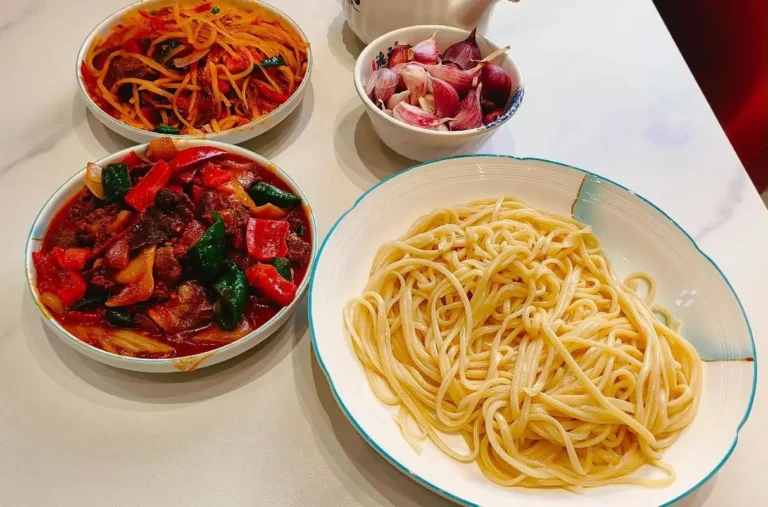
I ate street food most days and had exactly one queasy evening, which I blame on my own enthusiasm at a Kashgar night market rather than the food itself. Sensible rules that worked: eat at busy stalls where food is cooked in front of you, be cautious with cold salads in the peak of summer, and peel fruit yourself. Laghman noodles, kebabs straight off the coals and fresh naan are all high-turnover items and treated us well.
Water is simpler: nobody drinks the tap water, including locals. Every hotel gave us a kettle and two free bottles daily, and a 550ml bottle costs 2 to 3 RMB in any shop. In June we each went through three to four litres a day. I also carried electrolyte sachets from home, which weigh nothing and turned out to be the most borrowed item in our luggage; two Dutch cyclists at our Turpan guesthouse gratefully took four sachets off my hands.
One less glamorous subject deserves a mention: toilets on long road days vary wildly, and planning around them is a genuine health comfort issue, especially for anyone with a sensitive stomach. The honest Xinjiang toilets guide on this site is accurate, occasionally hilariously so.
Sun, dryness and the daily maintenance routine
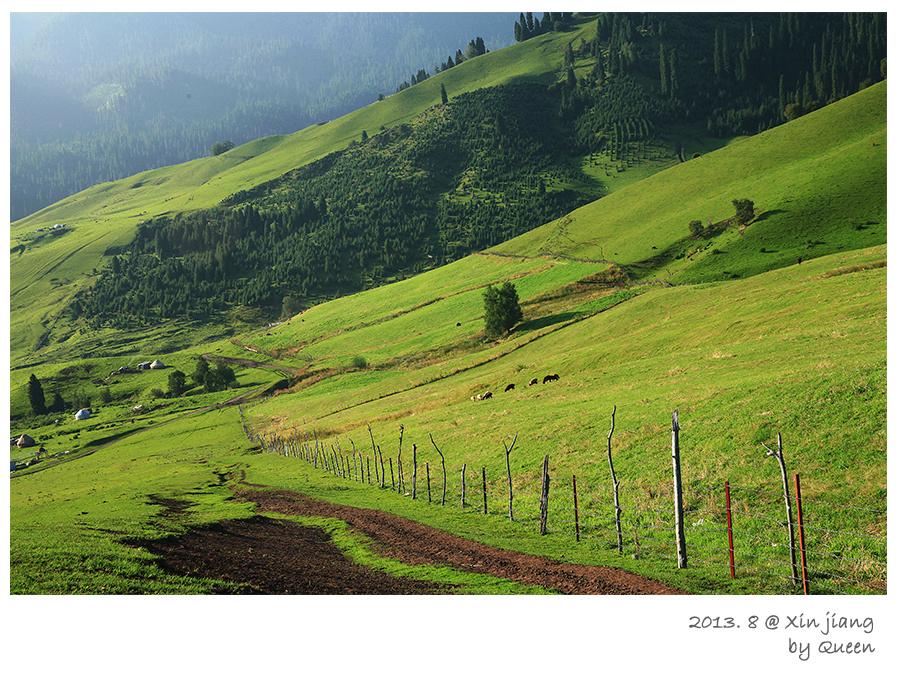
The UV index ran 10 to 11 most days of our trip. Between the latitude, the altitude of many sights and the reflective landscapes, I burned through more sunscreen in two weeks than I normally use in an Auckland summer, and New Zealanders take sun seriously. SPF 50, reapplied at lunch, plus a wide hat and sunglasses. Local pharmacies sell sunscreen but often in whitening formulations, so bring your preferred brand.
The dryness caught us off guard too. Cracked lips by day three, a nosebleed for Vikram on day five. Lip balm, a small tube of moisturiser and saline nasal spray fixed all of it. If you wear contact lenses, pack extra drops; my eyes gave up on lenses entirely in Turpan and I switched to glasses.
A realistic pre-trip health checklist
- Six weeks out: see your travel clinic. Ours confirmed routine vaccines and suggested hepatitis A, a standard recommendation for most of Asia.
- Four weeks out: check your regular medications against China’s import rules and get a doctor’s letter for anything controlled.
- Two weeks out: buy insurance with medical evacuation cover and save the policy number offline.
- One week out: assemble the first aid kit, split medications between bags, photograph every prescription label.
- On arrival: buy a case of water, note the nearest pharmacy to your hotel, and load a translation app that works offline.
FAQ
Do I need any special vaccinations for Xinjiang?
No destination-specific ones for typical tourist routes. Our travel clinic advised standard boosters plus hepatitis A. Confirm with your own doctor, especially for long or rural trips.
Can I buy my prescription medication in Xinjiang if I run out?
Sometimes, but do not rely on it. Common antibiotics and blood pressure medications exist, brands differ, and controlled drugs require a local prescription. Carry your full supply plus extra.
Is the food safe for sensitive stomachs?
Mostly yes if you stick to freshly cooked, busy places. Pack loperamide and rehydration salts anyway; one of us needed them once in fifteen days.
How good are hospitals in Urumqi?
The large public hospitals are well equipped, and VIP or international clinics make access manageable for foreigners. Rural facilities are far more basic, which is why evacuation insurance matters.
What was your single most useful health item?
Electrolyte sachets, by a wide margin. Cheap, weightless, and the difference between a wobbly afternoon and a normal one in the heat.
Disclaimer: This article describes personal experiences from a June 2025 trip and general information current at the time of writing. It is not medical advice. Consult a qualified travel medicine professional about your own health needs, medications and vaccinations before traveling. Regulations on importing medication into China can change; verify current rules with official sources.
About the author: Priya Nair is a community pharmacist from Auckland, New Zealand, with nineteen years of dispensary experience. She traveled through Xinjiang independently with her husband in June 2025, paid for the entire trip herself, and has no commercial relationship with any clinic, pharmacy or product mentioned above.