Published: August 1, 2026 | Author: Ingrid Sørensen, landscape photographer
I have chased Xinjiang autumn foliage on four separate trips since 2016, and the question I hear most from readers is a simple one: when do the poplars actually turn gold? The honest answer is that there is no single date. Xinjiang is about the size of Iran, and its autumn arrives in waves, sliding down from the Altai peaks in the far north to the Tarim desert in the south over roughly six weeks. Miss the window by ten days and a forest that glowed like beaten metal in a friend’s photo will be bare grey sticks. This calendar is the timing sheet I wish someone had handed me before my first September up north.
Why Xinjiang has two very different gold seasons
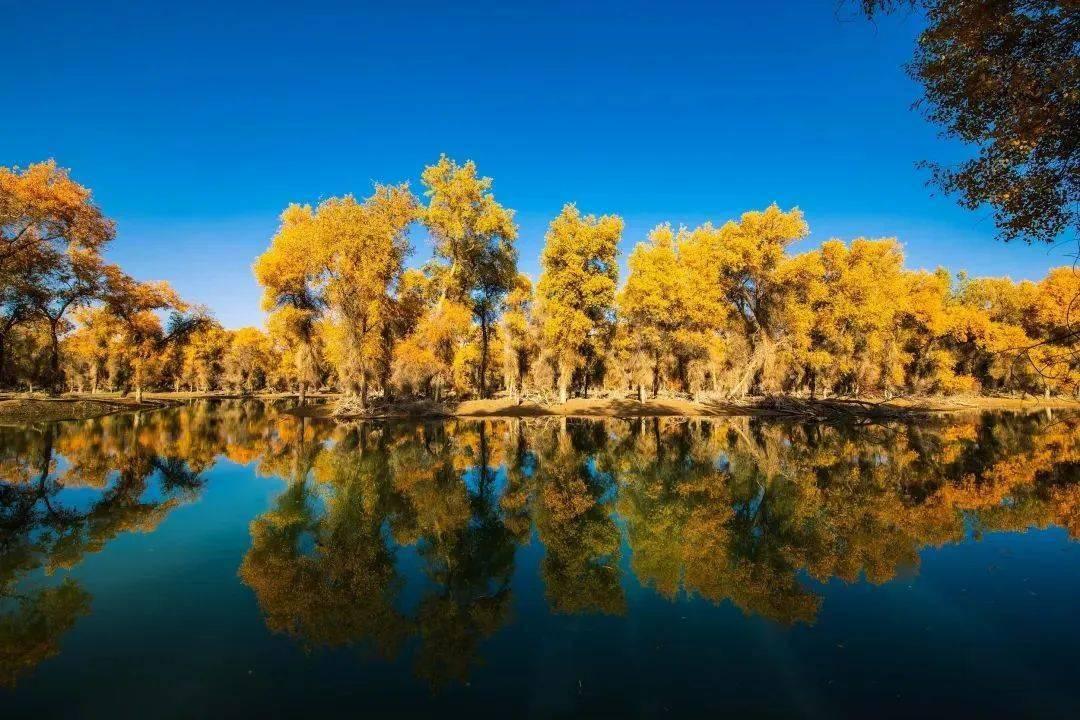
Most visitors think of autumn colour as one event. In Xinjiang it is really two, and they happen in different places at different times. Up in the Altai mountains around Kanas and Hemu, the show comes from Siberian larch, silver birch and hillside poplar. That colour peaks late September into the first days of October. Then, weeks later and hundreds of kilometres south, the desert poplar of the Tarim basin turns. This tree, Populus euphratica, grows where almost nothing else survives, and its late-October gold against red sand is the image that put Xinjiang autumn on the map. Knowing which of the two you want to see changes your whole trip plan, including which airport you fly into.
Elevation matters as much as latitude. On a single hillside near Hemu I have stood in bare-branch larch at the top and full green lower down on the same afternoon. Colour drops about a week for every few hundred metres you descend, so if you arrive and the peaks look spent, drive lower and you often catch it again.
Xinjiang autumn foliage calendar at a glance
| Region | What turns gold | Typical peak window | Good for |
|---|---|---|---|
| Kanas & Hemu (Altay, far north) | Larch, birch, poplar | ~20 Sep – 5 Oct | Villages, lake reflections |
| Baihaba & Burqin valley | Birch, roadside poplar | ~22 Sep – 8 Oct | Quiet lanes, farm colour |
| Sayram Lake & Ili valley | Poplar, birch fringe | ~1 – 15 Oct | Lakeside, grassland edge |
| Duku Highway (Tianshan) | Larch, roadside poplar | colour ends early-mid Oct | Drive-through scenery |
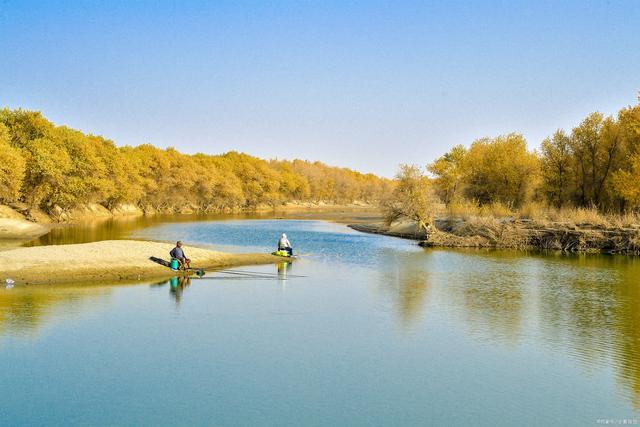
| Luntai & Yuli (Tarim basin) | Desert poplar (huyang) | ~12 – 28 Oct | The classic gold poplar forest |
| Turpan & southern oases | Grapevines, town poplars | ~20 Oct – early Nov | Warm, late colour |
Windows shift year to year by up to a week depending on the first hard frost. Treat these as planning ranges, not promises.
What I actually saw, trip by trip
My first attempt, in late September 2016, was badly timed by three days. We reached Hemu on the 24th to find the larch on the ridgelines already dropping, though the birch along the river was still holding. I learned then that the top of the season is short, sometimes only five or six good days. In 2019 we arrived on the 27th and it was perfect: cold mornings, frost on the boardwalks, and that particular slanted light that makes birch trunks look lit from inside. In 2022 I switched south for the huyang and stood in the Yuli poplar forest on 19 October with the trees only half turned. I went back the following week and it had exploded into colour. The desert poplar rewards patience more than any tree I know.
The other thing four trips taught me is that weather beats the calendar. A single hard frost can push a whole valley from green to gold in three days, and a warm spell can stall it for a fortnight. I now check overnight low temperatures obsessively in the week before I travel. When lows in the Altay drop near freezing, the clock has started.
Getting there
For the northern colour, fly into Urumqi, then take a domestic hop to Kanas (Burqin) airport or Altay, which saves a long drive. From either you still have a couple of hours by road to Hemu or the Kanas lake area. In peak week the park shuttles run full, so I book the first entry slot and accept an early alarm. If you would rather drive the whole way, read up on Xinjiang driving distances and road conditions first, because the northern legs are longer than the map suggests.
For the southern huyang, fly to Korla or Kuqa and base yourself for day trips to the Tarim poplar parks near Luntai and Yuli. This is the desert heart of the region, and if you want the wider context I found our Tarim Basin travel guide useful for understanding the distances between oasis towns. Renting a car gives you the freedom to be at the poplar forest for first light, which is when it looks its best. Our self-drive Xinjiang guide covers permits and fuel planning for exactly this kind of route.
Best time to visit, week by week
If I had to compress everything into a single sentence: aim for the last week of September in the north, and the third week of October in the south. Here is how I think about it in more detail.
Mid September: high larch above Kanas begins to turn. Good for photographers who want empty trails and do not mind partial colour. Late September to early October: the peak up north, and also the busiest and most expensive window because it overlaps the national holiday. Book beds months ahead. First half of October: Sayram Lake and the Ili valley come into colour as the far north fades. Mid to late October: the desert poplar peaks in the Tarim basin. Late October into November: Turpan vines and southern town poplars give a final, warmer round of gold. For the full seasonal picture beyond autumn, our best time to visit Xinjiang guide compares all four seasons side by side.
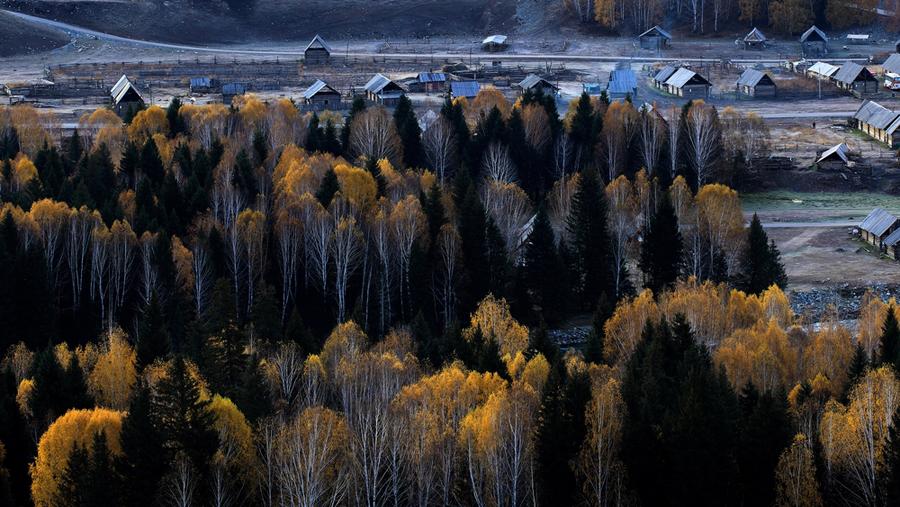 Hemu village in northern Xinjiang” width=”900″ />
Where to stay
In the north, the villages of Hemu and Kanas have wooden guesthouses run by Tuvan and Kazakh families. They are simple, often with shared bathrooms, and they fill up fast in peak week. I book at least six weeks out and confirm again a few days before arrival, because overbooking happens. If the villages are full, Burqin town is an hour away and has ordinary hotels at half the price. In the south, Korla and Kuqa both have comfortable mid-range chain hotels, which suit day-tripping to the poplar forests. Do not expect anything near the desert parks themselves, so plan to drive in and out each day.
What to eat in autumn
Autumn is harvest season, which is one of the quiet joys of travelling then. In the north I lived on hand-pulled laghman, milky Kazakh tea and slabs of nan still warm from the tandoor. Roadside stalls sell late apples and the last of the melons. In the south the grape harvest is finishing around Turpan, and the markets pile up with fresh and drying fruit. Bring cash in small notes for these stalls. A thermos of hot tea in the car made every cold dawn shoot far more bearable.
Practical tips from four trips
- Dress for two seasons in one day. Mornings near freezing, afternoons mild. Layers you can peel off are essential.
- Watch overnight low temperatures in the week before you travel. A frost near zero is the trigger for colour.
- Book the earliest park entry slot. Shuttle queues in peak week can eat two hours of good light.
- Keep a spare camera battery warm in an inside pocket. Cold drains them fast at dawn.
- Xinjiang runs on Beijing time officially, but locals often use an informal time roughly two hours behind. Confirm what any guide means by a meeting time.
- If you also want snow, the very end of the northern season sometimes overlaps first flurries. For that side of the region see our Xinjiang winter adventures guide.
A sample one-week autumn route
This is the northern-focused week I would run for a first visit, timed for late September.
Day 1: Arrive Urumqi, overnight, sort supplies. Day 2: Fly to Kanas or Altay, drive to Hemu, settle into a guesthouse. Day 3: Full day around Hemu, sunrise from the viewpoint above the village. Day 4: Move to the Kanas lake area, walk the boardwalks and river bends. Day 5: Day trip toward Baihaba for quieter lanes and birch. Day 6: Slow drive back toward Burqin, stopping for roadside colour and the Irtysh valley. Day 7: Fly back to Urumqi and home. If you have more time, add three days flying south to the Tarim poplar forests for the later huyang peak, which effectively lets you see both gold seasons in one trip.
Frequently asked questions
When exactly do the desert poplars turn gold? In a normal year the Tarim basin poplar forests near Luntai and Yuli peak between about 12 and 28 October. The single best week is usually the third week of the month, but a warm autumn can delay it.
Is the national holiday a good time to go? The early-October holiday overlaps the northern peak, so colour is excellent but crowds and prices are at their worst. If you can travel the few days before or after the holiday, you get similar colour with more room.
Can I see both the northern and southern colour in one trip? Yes, if you time it right. Do the Altay in late September, then fly south to the Tarim basin for the later October huyang. It is a lot of ground to cover, so allow at least ten days.
How reliable are the peak dates? They shift by up to a week each year with the timing of the first frost. Use the ranges here for planning, then watch the weather in the fortnight before you go and be ready to move your dates.
Knowing which week to arrive only solves half of it. White balance, polarizer strength, exposing snow against gold and the lens choices that actually matter are covered separately in our guide to Xinjiang autumn photography.
A note on accuracy
Peak-colour dates in this article are drawn from my own four autumn trips between 2016 and 2024 and reflect typical years, not guarantees. Foliage timing, park opening hours, shuttle arrangements and road access change with the weather and with local management decisions. Please confirm current conditions with your accommodation or a licensed local operator before you commit to specific dates or long drives.
About the author: Ingrid Sørensen is a Copenhagen-based landscape photographer who has focused on Central Asia and western China for more than a decade. She has photographed Xinjiang’s autumn on four trips (2016, 2019, 2022 and 2024) and leads small autumn photography workshops in the region. Her work centres on high-latitude light and seasonal change.