Published: August 10, 2026 | Author: Karl Huang
For years I filed Turpan sand therapy under “things locals swear by that tourists politely ignore.” Then a woman in her seventies at the Flaming Mountains site told me she had walked in leaning on a cane and walked out without one. I went back the next two summers to see whether the claim held up, and this is what I found on the ground.
Sand therapy (沙疗, sha liao) is exactly what it sounds like: you lie down in a prepared sand field and let attendants scoop hot desert sand over your body, sometimes up to the neck, for a timed session. The practice has been documented in this basin for more than a thousand years, and the modern site outside Turpan runs it as a supervised, low-cost treatment rather than a folk curiosity. If you have joint pain, old sports injuries, or just curiosity about how people here cope with a place that regularly tops 45°C in the shade, it is worth a morning.
The Turpan basin dips below sea level, and the dry, mineral-laden sand heats evenly and holds its temperature through the day. That combination is the reason the therapy is centered here and not somewhere cooler. It is also why the same heat that powers the treatment can bite if you are careless, a point the on-site clinic takes seriously.
Quick Reference: Turpan Sand Therapy at a Glance
| Item | What to Expect |
|---|---|
| Location | Sand Therapy Base (沙疗所), about 10 km east of Turpan city, beside the Flaming Mountains road |
| Season | Late June to early September; peak heat is mid-July to August |
| Sand temperature | Up to 60–70°C at the surface in peak summer |
| Session length | 15–30 minutes, sometimes split into two |
| Cost | Roughly ¥50–100 per session; packages for multi-day courses |
| Good for | Rheumatism, arthritis, some skin conditions, recovery from strains |
| Not for | Pregnancy, heart conditions, hypertension, open wounds, young children |
What It Actually Feels Like: My First Session
I arrived at the base around 10 a.m. in late July. The sand had been raked into long lanes the night before, and a thermometer on a post read 63°C at five centimeters deep. Attendants in wide-brimmed hats showed me to a spot, handed me a towel, and within two minutes I was buried from ankles to shoulders with only my head and a water bottle above the surface.
The first thirty seconds are the hardest. The heat is not the dry, pleasant warmth of a beach; it presses in from every side, and your instinct is to sit up. After that the body seems to accept it, and a kind of heavy calm sets in. I lasted eighteen minutes before the attendant tapped my shoulder and started shoveling the sand off. My knees felt loose in a way I had not noticed in years, and I slept through the afternoon, which is apparently normal.
One thing I did not expect: the site runs a small clinic. A nurse checks your blood pressure before you start, and there is shaded seating, cold drinks, and a quiet room for people who feel woozy. It is more organized than the word “folk therapy” suggests, and that is part of why I trust it enough to write about it. On my second visit a year later I watched a retired farmer from Kumul do a full fifteen-day course; by the final week he was jogging the lane between sessions. Anecdote, not evidence, but it is the kind of thing you only see by showing up twice.
Getting to the Sand Therapy Base
Turpan sits on the high-speed rail line from Urumqi, about an hour by train, and most people base themselves in the Turpan area for two or three days to combine the therapy with the nearby sites. Turpan North railway station is modern and air-conditioned, which matters more than it sounds after a hot ride. There is also Turpan Jiaohe Airport with a handful of regional flights, and the drive from Urumqi down the G30 expressway takes roughly three hours if you prefer the wheel.
From Turpan city the sand base is a short taxi or local bus ride east toward the Flaming Mountains. If you are driving, our self-drive Xinjiang guide covers the parking and road conditions on this stretch, including where the bus lets you off so you are not walking in the open at noon.
Time the session for the morning. By early afternoon the sand is too hot even for regulars, and the base often closes the lanes between 1 and 4 p.m. in July and August.
Best Time to Go
The therapy only works when the sand is genuinely hot, so the window is narrow. Late June the sand reaches the low fifties; by mid-July and August it peaks in the sixties; it cools fast after early September. If you are coming specifically for the basin’s summer heat, aim for July or August and book accommodation with strong air conditioning, because nights stay warm well past midnight.
Locals often do a course of ten to fifteen days rather than a single visit, treating it like a seasonal reset. Tourists usually try two or three sessions spread across their stay, which is enough to feel the effect without overdoing it. I would not cram more than one session per day; the body needs the recovery hours.
Where to Stay
Turpan city has the full range, from basic guesthouses at ¥120 a night to comfortable hotels with pools for ¥400 and up. The useful detail: pick somewhere with reliable AC and, if possible, a courtyard, because you will want to cool down quickly after a session. Several older courtyard hotels near the bazaar are walkable to food and the bus stand, and the staff are used to therapy visitors who need an early breakfast before the lanes open.
What to Eat Around Turpan
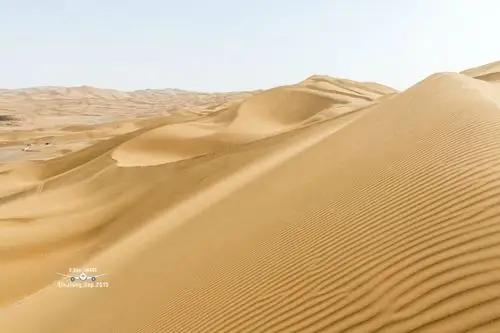
You earn the food here. Turpan is grape country, and the vineyards around the oasis produce the sweet table grapes and raisins that show up at every meal. Try the cold noodle salad with grapes, a local summer dish that sounds odd and works perfectly in the heat; the lamb skewers charred over coal; the naan pulled from the clay tandir ovens; and the rice pilaf with carrot and raisin that locals call polo. The dunes and the desert shape the whole food culture here, from the dried fruit traded along the old routes to the melons that grow in the same heat that powers the sand therapy.
Save room for the thick yogurt served with a spoon of honey, and the small stuffed pastries (samsa) baked around noon. After a morning buried in sand, a cold plate of sliced melon and a glass of black tea is the closest thing to a reset button I found.
Practical Tips Before You Bury Yourself
- Hydrate hard. Drink water before, during (they let you keep a bottle above the sand), and after. The heat pulls fluid out of you faster than you notice.
- Bring a wide-brimmed hat and sunglasses; only your head is exposed, and the sun is direct and unforgiving.
- Wear a swimsuit or light shorts under the sand. You will be covered, but less fabric is easier to shake clean.
- Skip it if you have heart trouble, high blood pressure, are pregnant, or have an open cut. The clinic screens for this, but be honest at check-in.
- Do not follow the old advice to “push through” dizziness. Sit up and tell the attendant. Heat is not something to negotiate with.
- Shake the sand out of everything before you leave. It gets into zippers and phone cases for days afterward.
A Simple Two-Day Plan
Day 1: Morning train or drive from Urumqi to Turpan. Check in, then a short taxi to the sand base for a first 15-minute session before noon. Afternoon: rest in the hotel, walk the bazaar, dinner of skewers and grapes.
Day 2: Second session at 9 a.m., longer at 25 minutes if you tolerated the first. Late morning visit to a nearby mosque or the Grape Valley, then train back. If your joints are still talking to you, a soak at one of the Xinjiang hot springs on the way north is a gentler follow-up that picks up where the sand leaves off.
Frequently Asked Questions
Is Turpan sand therapy scientifically proven? There is real physiology behind it: dry heat increases blood flow to the buried tissues and can ease stiffness and pain temporarily. It is not a cure, and serious conditions should be managed by a doctor. Think of it as a physical-therapy adjunct, not a miracle.
Do I need to speak Chinese or Uyghur? The base attendants speak basic Mandarin, and hand signals work fine. Prices are posted on a board at the gate.
Can I just dig my own hole in the open desert? People do, but the supervised base monitors temperature and health, which matters at 60°C. I would not DIY it, especially on a first try.
How much does a course cost? A single session is roughly ¥50–100. Multi-day courses with shaded lodging run into the low hundreds. Bring cash; the smaller sites do not always take cards or mobile pay from foreign accounts.
Will the sand stain or irritate my skin? The basin sand is fine and clean at the base, but rinse off soon after. Anyone with very sensitive skin should do a short first session and watch for reaction.
Disclaimer
This article is based on the author’s personal visits and conversations with attendants and local practitioners. It is travel information, not medical advice. Sand therapy involves intense dry heat and is not suitable for everyone. Consult a licensed physician before trying it, especially if you have cardiovascular issues, are pregnant, take medication that affects heat tolerance, or have any chronic condition. Operating hours, prices, and access can change; confirm with the site directly before you travel.
About the Author
Karl Huang is a travel writer who has spent eight summers documenting Xinjiang’s lesser-known sites, from the Tianshan trekking routes to the oasis towns of the south. He prefers first-hand reporting over brochure claims and has tested the sand therapy base near Turpan across three summers. His dispatches focus on practical, honest guidance for independent travelers.