Published: August 16, 2026 | Author: The Xinjiang Attractions Editorial Team
Most travel writing about Xinjiang stops at the postcard views. This piece is different, because Kokpar Xinjiang is not a sight you tick off from a coach window. It is a contest you feel in your ribs from forty meters away, when ten horses lock shoulders over a headless goat. We have stood in that dust, and below we tell you plainly what the game is, where to find it, and the mistakes we made so you don’t have to.
What Kokpar Actually Is
Kokpar goes by several names. Kazakh communities call it kokpar; in Chinese it is written 叼羊 and pronounced diaoyang, literally “grabbing the goat.” The Afghan and Tajik version most readers know from documentaries is buzkashi, but the Xinjiang game is the Central Asian Turkic form, the same Kazakh horse games families have played for generations out on the open steppe.
The rules are simple to state and brutal to play. A goat carcass, or at cleaner modern events a synthetic calf weighing around twenty kilos, is dropped in the center of a ring. Riders charge, one grabs it, and the rest try to wrench it free or cut him off. The holder must carry it around a marker and drop it in the scoring circle at the far end. Matches run until a team reaches a set number of drops, often seven.
Historians tie the game to the cavalry drills of old steppe empires, and while the direct lineage is more tradition than documented fact, what is certain is that kokpar keeps a horsemanship alive that modern life would otherwise erase. Boys learn to ride before they learn to read in these counties, and the game is where that skill gets celebrated in public.
The horses are not ordinary mounts. They are trained from foalhood to spin, brace, and tolerate a man leaning far out of the saddle with thirty kilos of dead weight. We watched one bay mare plant her hindquarters and hold off three riders at once; her rider later told us, through a translator, that she was nine and had been in his family longer than his truck.
Kokpar Xinjiang: Best Time and Festivals
There are two windows when you can reliably see the game. The first is Nauryz (also spelled Navruz), the spring equinox celebration around March 21. Villages across Ili mark it with horse games, wrestling, and shared meals. We went in late March and the air was just above freezing, but the turnout was enormous and the atmosphere was unscripted in a way July festivals rarely are.
The second window is summer, anchored by the Zhaosu Tianma (Heavenly Horse) Festival in July. Zhaosu county brands itself the hometown of the heavenly horse, the Ili horse bred there for centuries, and the festival puts kokpar on a proper field with seating, commentary, and vendors. It is easier for a tourist to attend, but it is also more of a show.
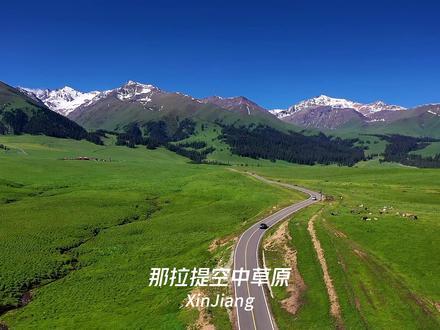
Our honest take: go in March if you want to see the real thing, go in July if you want comfort and a guaranteed schedule. Either way, the seasonal livestock migration that frames these events is worth understanding before you go, because the riders you watch are the same herders who move their flocks between winter and summer pastures.
Our Day at a Nauryz Gathering
When we visited a Nauryz gathering outside Zhaosu, we arrived around midday to find a flat field already ringed by pickup trucks and folded felt tents. An elder blew a whistle and the first match started without announcement. Two teams of eight, no numbers on their backs, no referee with a flag, just the elder’s whistle and the crowd’s shouting as the only law.
The goat was a headless carcass. The winning rider circled the field three times with it slung across his saddle, then handed it to the host family, who boiled it into shorpa and fed anyone who stayed. We found the hospitality harder to refuse than the cold. A teenage boy translated for us, and we learned that the winning team’s honor matters more than any prize, because the meat is the prize, and it is shared.
Getting There
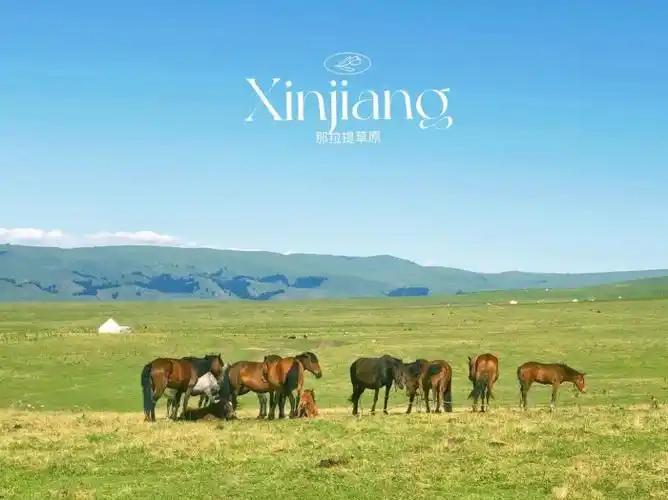
Zhaosu has no airport and no train station of its own. The practical gateway is Yining (the main city of Ili), which has a small airport, Yining Airport (IATA: YIN), with flights from Urumqi and a few other cities. From the airport it is a short taxi to the bus station or to the Kazanqi district.
From Yining, a public bus to Zhaosu runs roughly every hour and takes about two and a half hours, or you can hire a car. From the Kazanqi quarter of Yining, where many travelers base themselves, it is a morning drive southwest. The games themselves happen on open grassland a few kilometers from town. There is no ticket booth and no sign. Ask at your guesthouse the night before; someone will point you to the field, or invite you to ride along. In July the festival ground is well marked and easy to find.
Where to Stay
Zhaosu town has a handful of modest hotels, clean and warm but not luxurious. If you want to be closer to the steppe life, you can spend a night in a yurt on a nearby pasture, basic, cold at night in spring, and unforgettable in the right mood. Book ahead during the July festival, when rooms fill fast and prices climb.
What to Eat
Food is half the point of these gatherings. After the match the host family lays out a spread that often starts with a typical Xinjiang breakfast of naan, fresh butter, and salty milk tea, then moves to hand-pulled noodles and the shorpa made from the game’s goat. Vegetarians should eat before they come; this is meat-country hospitality and declining it reads as rudeness rather than preference.
Practical Tips
- Keep your distance. Horses kick and riders fall. Watch from outside the ring, never inside it.
- Ask before photographing people. Most riders are happy to be filmed; some older women in the crowd are not. A raised camera and a smile usually settles it.
- Bring cash. Villages run on paper money. There is no card reader at a Nauryz field.
- Dress for two weathers. March means a cold morning and a warm afternoon, plus dust. Layers and a scarf for your face.
- Don’t expect a schedule. Things start when they start. Bring patience and a thermos.
- Skip the side bets. Informal wagering runs through every match, usually small sums among neighbours. As a visitor, watch it happen and leave it alone. Joining a wager you don’t fully understand is a fast way to cause offense or lose money.
Sample Three-Day Plan
Day 1: Fly or drive into Yining. Spend the afternoon walking Kazanqi’s blue-doored lanes and eating well. Rest early, because mornings start cold and early.
Day 2: Leave for Zhaosu after breakfast. Reach town by early afternoon, ask about that evening’s or next morning’s games, and settle into your hotel or yurt.
Day 3: Attend the match. Stay for the meal if you are invited, because it is the best part. Drive back to Yining by evening, or push on toward the grasslands if your wider itinerary allows.
Frequently Asked Questions
Is kokpar the same as buzkashi?
Similar, but not identical. Buzkashi is the Afghan variant played with a larger goat and often on a bigger field; kokpar in Xinjiang is the lighter Central Asian form. Both are horseback goat-grabbing at heart, and both demand a level of riding skill most visitors will never have.
Can tourists join in?
No, and you should not try. These are trained riders on trained horses, and an untrained person on the field is a danger to everyone. Watch, don’t play, and you’ll enjoy it more anyway.
Is it cruel to animals?
We answer straight: the traditional game uses a slaughtered goat, and that bothers some visitors. An increasing number of organized festivals now use a synthetic calf to avoid the issue. If this matters to you, ask the organizer beforehand or choose a July event likely to use the dummy.
Do women take part?
The game itself is almost entirely male, but the wider riding and festival culture includes women riders, and women run much of the food and hosting. You will see skilled female equestrians at the summer festival especially, and girls on ponies practicing at the edge of every field.
Disclaimer
We are travel writers, not government officials or veterinarians. Festival dates, road conditions, and access rules change from year to year and from county to county. Before you travel, confirm the current schedule with the local tourism bureau or your hotel, and check the entry requirements for the Xinjiang region as they apply to your nationality. This article describes our own observations and is not legal or travel advice.