Published: August 16, 2026 | Author: Karl Huang
Most people planning a Silk Road trip ask the wrong question. They want to know which stop is “better” — Turpan or Dunhuang — as if the two were interchangeable. I’ve stood in both, three weeks apart, and the honest answer is that they solve different problems. Turpan sits in a tectonic basin 154 meters below sea level, where the air turns to oven heat in July and the seedless grapes grow sweet because of it. Dunhuang lies at the western edge of the Hexi Corridor, where the Mogao caves hold nine centuries of painted Buddhas and the singing sand dunes roll against a green ribbon of poplars. If you only have a few days, this guide tells you which to pick. If you have a week, it shows you how to do both without wasting a single transfer.
Why Turpan vs Dunhuang comes up for Silk Road travellers
Both towns appear on almost every overland China itinerary, and both sit at the dry end of the Silk Road where caravans stopped for water, rest, and temple patronage. That overlap is exactly why travellers confuse them. In practice, Turpan is the gateway to the Xinjiang side of the route — it connects directly to Urumqi, Kashgar, and the desert highways — while Dunhuang is the gateway to Gansu and the eastern corridor that runs on toward Xi’an. Picking one usually comes down to where the rest of your trip is headed. For background on how these stops fit the wider trade route, our Silk Road history timeline lays out the sequence most caravans actually followed.
The one-line answer I give friends: choose Turpan if your other bookings are already in Xinjiang, and choose Dunhuang if you are building a Gansu or central-China route. Trying to bolt both onto a trip that has no business being at that end of the map is how people end up on a 14-hour sleeper they didn’t budget for.
Turpan vs Dunhuang at a glance
| Factor | Turpan (Xinjiang) | Dunhuang (Gansu) |
|---|---|---|
| Region | Xinjiang Uyghur Autonomous Region | Gansu, far west |
| Headline sight | Grape Valley, Jiaohe ruins, Flaming Mountains | Mogao Caves, Mingsha dunes, Crescent Lake |
| Standout experience | Below-sea-level heat, Uyghur oasis life | Buddhist cave art, singing sand |
| July temperature | Often 40–45°C | 32–38°C, slightly milder |
| Transport hub | High-speed rail from Urumqi (~90 min) | Rail from Lanzhou / Xining; direct flights |
| Time needed | 1–2 full days | 1–2 full days |
| Best season | May, September, October | May, September, October |
| Rough daily budget | Mid-range, similar to rest of Xinjiang | Slightly higher on cave tickets |
What it actually feels like on the ground
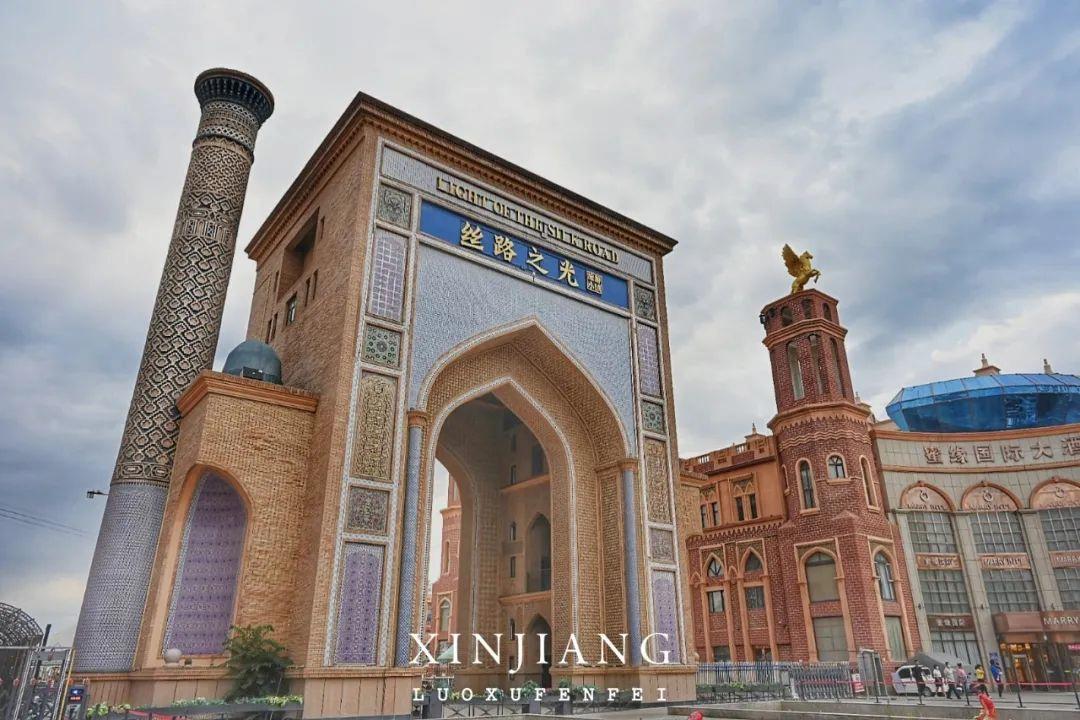
I reached Turpan on the morning train from Urumqi and the first thing that hit me was not the heat but the smell — ripe grapes and diesel and dry earth, all at once. I rented a bicycle from the guesthouse and rode out to the Tuyoq Valley, a village cut into the canyon wall where families still press raisins on strangers. By noon the thermometer at the Flaming Mountains ticket gate read 47°C and I retreated to the shaded channels of the Karez, the underground irrigation system that keeps the whole oasis alive. That cool half-dark was the single most relieving moment of the trip, and it is also the cleverest piece of engineering I saw all month.
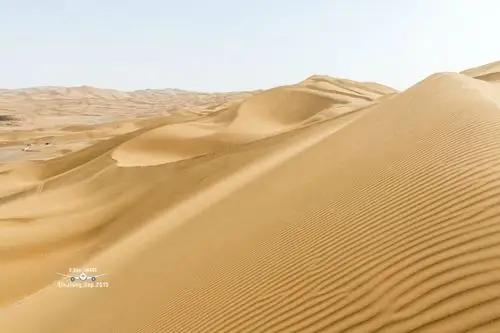
Dunhuang felt different from the start. I arrived in the evening, rented an e-bike, and rode out to the singing dunes after the day-trippers had left. Standing at the rim of Mingsha Shan as the light went copper, I could hear the sand sigh when the wind moved it — a low grainy hush, not the roar the name promises. The next morning I was at the Mogao ticket office before nine, which matters: the caves cap daily visitors, and the early slot meant I walked the walkways with maybe a dozen people instead of a hundred. At Turpan the sites are open and self-paced; at Dunhuang the headline experience is rationed, and showing up late means showing up disappointed.
Getting between them, and to each
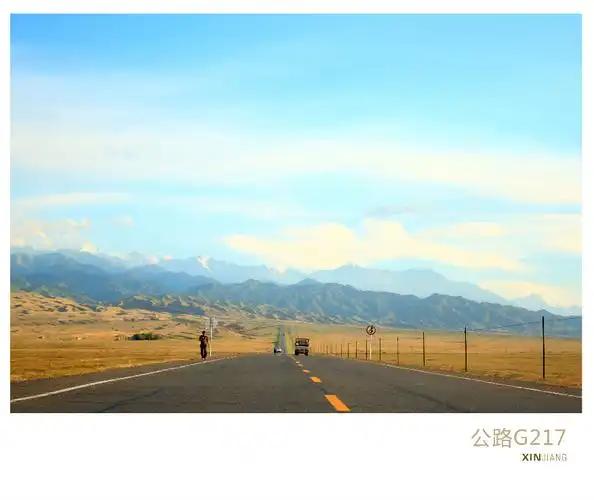
Turpan and Dunhuang are about 600 kilometers apart, and the link that makes a combined trip realistic is the Turpan–Dunhuang railway, a line carved through the Kumul depressions that opened a direct overland connection without backtracking through Lanzhou. From Urumqi you can reach Turpan in roughly 90 minutes on the high-speed line. From Turpan, a daylight or overnight train runs east to Dunhuang in a single leg. If you are starting from central China, flying into Dunhuang and working west, or into Urumqi and working east, both work — the choice is simply which end of the corridor your other bookings sit on. I took the eastbound train and spent the ride with a window full of nothing but gravel and the occasional abandoned beacon tower.
Best time to visit, and why heat decides it
For both towns the pleasant window is late spring and autumn. I would avoid July and August in Turpan unless you specifically want the furnace experience — and some people do, for the Turpan sand therapy season, when locals bury themselves to the neck in hot sand for rheumatism. Dunhuang’s summer is warm but walkable. Our longer note on coping with Xinjiang’s summer heat applies squarely to Turpan, where the basin traps it. October is my pick for both: the grapes are in, the tour buses thin out, and the light on the dunes is forgiving for photography. One caveat — Chinese National Day in early October swamps every Silk Road town, so aim for mid-to-late October if your dates are flexible.
Where to sleep
In Turpan I stayed in a walled courtyard guesthouse inside the old town, five minutes’ walk from the morning market. The thick mud-brick walls kept the rooms ten degrees cooler than the street, which is the whole point of the local architecture and worth seeking out over a glass tower hotel. Dunhuang has a tighter range of chain hotels near the visitor center plus a cluster of courtyard stays on the edge of town; I chose one a short e-bike ride from the dunes so I could catch sunset without a taxi negotiation. Book both a week ahead in October, when domestic tour groups fill the mid-range stock and walk-in prices double.
What to eat
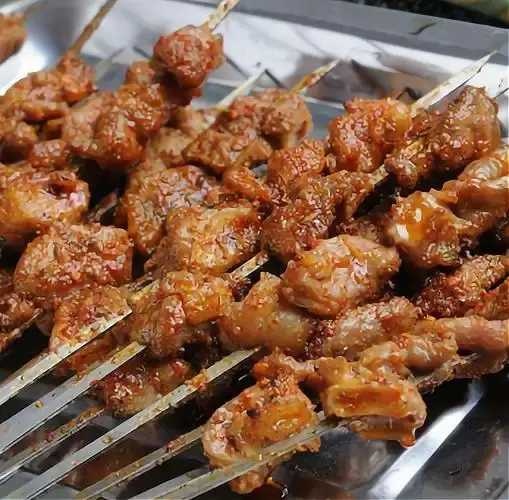
Turpan’s food is the oasis version of Xinjiang cooking: endless grapes and raisins, cold noodles with crushed garlic, and flat bread pulled fresh from the tandoor. The Bezeklik Thousand Buddha Caves sit an hour north of town, and the road there passes the same canyon systems that made the oasis habitable in the first place. Dunhuang’s signature is a plain noodle bowl — dungan mianpian — eaten on a plastic stool at the night market, plus the apricots and melons the region is known for. Neither town is a fine-dining destination, and arriving with that expectation saves you from a disappointing splurge. Buy fruit at the morning market, not the tourist shops, and the difference in price and ripeness is obvious.

A 7-day plan that covers both
This is the route I would hand a friend who refuses to choose. Day 1–2 in Turpan: Grape Valley, Jiaohe at opening, the Karez, and an evening at the Flaming Mountains lookout. Day 3: morning train east, arrive Dunhuang in the afternoon, bike to the dunes for sunset. Day 4: Mogao Caves (book the early slot), then Crescent Lake while the light is soft. Day 5: a half-day in the nearby yardang landform if the wind cooperates, otherwise the museum and the replica-cave exhibit. Day 6–7: continue east toward Lanzhou or fly out of Dunhuang. The reverse works if you are coming from Gansu and pushing west into Xinjiang, and it lets you hit Turpan last, when the oasis heat is a finale rather than a shock.
Frequently asked questions
Can I visit both Turpan and Dunhuang in one trip? Yes. The direct railway makes it a single leg, and a week covers both with a day to spare.
Which is better for Buddhist cave art? Dunhuang’s Mogao is the headline site, but Turpan’s Bezeklik caves are a worthwhile lesser cousin if you are already in Xinjiang and won’t reach Gansu.
Is Turpan too hot to enjoy? In July, yes for most people. May, September, and October are comfortable and still warm enough for the oasis at its best.
Do I need a guide at the caves? Mogao runs timed, guided-only interior visits; you book a slot and join a small group. Turpan’s sites are self-guided and uncrowded.
Which is cheaper? Day-to-day costs are similar, but Mogao’s tiered ticket (standard caves versus the expanded pass) can push Dunhuang’s sights higher if you want the full set.
Disclaimer
This article reflects the author’s own travels and independent research at the time of writing. Opening hours, train schedules, ticket caps, and temperatures change, and visa and permit rules differ by nationality. Confirm current details with official sources — China Railway, the Mogao Caves booking platform, and your embassy — before you commit money. We are not a licensed travel agency and nothing here is formal travel advice.
About the author
Karl Huang is a Xinjiang-based travel writer who has spent the last several years driving, riding, and taking the rails across the region’s desert corridors. He writes from first-hand visits rather than brochures, and focuses on the practical details — heat, transport, and where the day-trippers aren’t — that actually shape a trip.