Published: 22 August 2026 | Author: Karl Huang
People ask me “how many days in Xinjiang” more than any other question, and the honest answer is that it depends on which half of the region you actually want to see. I have now driven the province three times: once on a rushed nine-day sprint, and twice on slower trips of sixteen and twenty-one days. The single biggest surprise was never the scenery. It was the driving. Xinjiang covers roughly one-sixth of China’s land area, and the places worth your time sit far apart, scattered like raisins through a very large loaf. Below I lay out what each trip length really delivers, based on what I saw and the mistakes I made, so you can pick a number that fits your leave and your temper.
How Many Days Do You Need in Xinjiang? A Quick Reference
The table below is the short version. I built it after my third trip, when I finally understood that “Xinjiang” is not one destination but a collection of them stitched together by long highways.
| Trip length | Regions you can cover | What you will miss | Best for |
|---|---|---|---|
| 5 days | Urumqi plus Turpan, or a single headline spot | Almost everything else | Stopovers, business trips |
| 7–8 days | One full loop: north (Urumqi–Kanas–Hemu) or south (Kashgar–Taklamakan) | The other half of the region | First-timers with one week |
| 10–12 days | Complete north loop plus Sayram Lake | Deep south and the Pamir | The most balanced first trip |
| 15 days | North loop plus part of the south (Kashgar) | A few far corners | Photographers, slow travelers |
| 21 days | Nearly the whole circuit, north and south | Almost nothing | Long holidays, serious trips |
If you only take one thing from this page, take this: do not try to “do Xinjiang” in under a week unless you are happy to see one corner and call it enough. The region punishes greed.
What I Learned on My First Two-Week Loop
My first proper trip was sixteen days in late September. I flew into Urumqi on a Tuesday, rented a car the next morning, and pointed it north toward Kanas. The plan looked fine on paper. The reality was that the first three days vanished into familiarisation: learning that the nav app lied about rural cell coverage, that fuel stations close early in small towns, and that a “two-hour drive” on the map meant four once you stopped for photos and a late lunch.
By day six I had reached Hemu, watched the wooden village go quiet at dusk, and realised I was moving too fast to enjoy any of it. I cut two planned stops and added a rest day in Burqin. That single decision turned the second half of the trip from a chore into the part I still talk about. The lesson stuck: in Xinjiang, a buffer day is not wasted, it is the interest you earn on the rest.
North Xinjiang Versus South Xinjiang: Why Distance Changes Everything
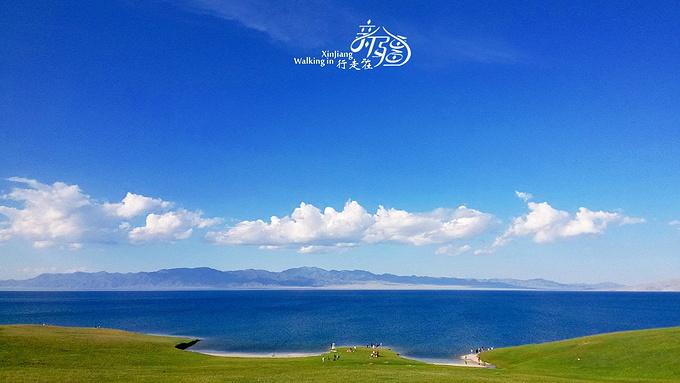
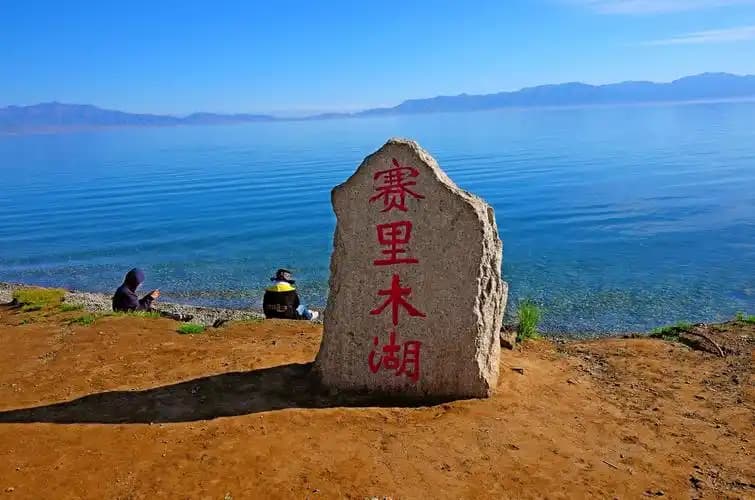
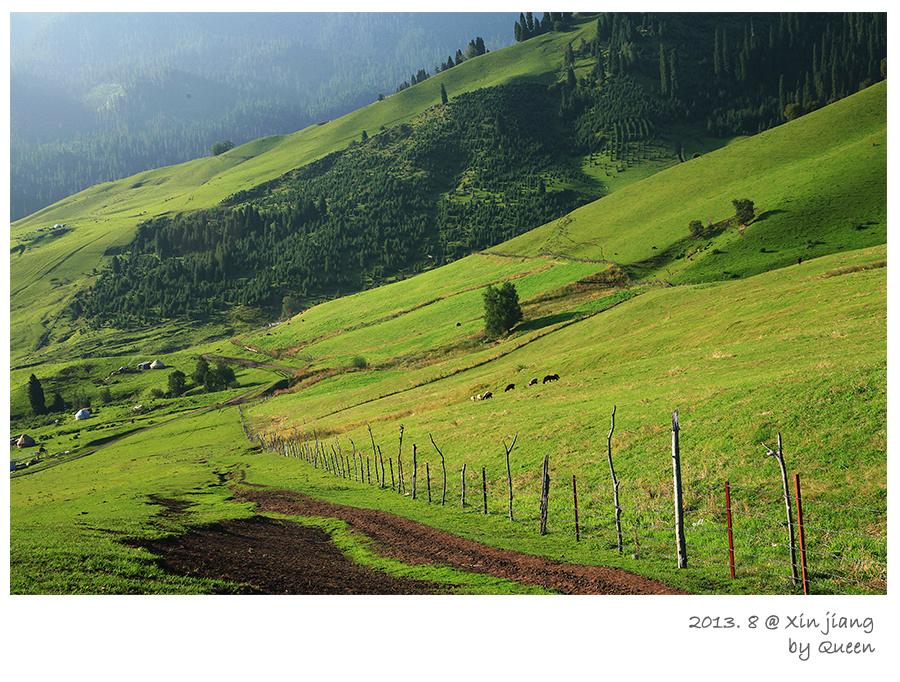
The region splits roughly along the Tianshan. North holds the postcard scenery: Kanas, Hemu, Sayram Lake, the grasslands of Ili, and the Duku Highway that stitches some of it together. South holds history and desert: Kashgar’s old city, the Taklamakan, the Pamir plateaus, and the desert highways.
These two halves are not a quick hop apart. Driving from Urumqi to Kashgar is around 1,500 km, and you will not want to do it in one go. Most people pick one half for a first trip. If you try both in under twelve days, you will spend more time on the road than at anything worth seeing. I have met travellers who did the whole ring in ten days. They were tired, and they remembered the petrol stations better than the lakes.
Getting Around: The Transport Reality
You have three real options. Train and domestic flights connect the big cities, but they leave the scenery in between untouched. The self-drive route is the one that opens the region, and it is what I used all three times. A car lets you stop at a random melon stall or a bend in the river, which is where Xinjiang actually lives.
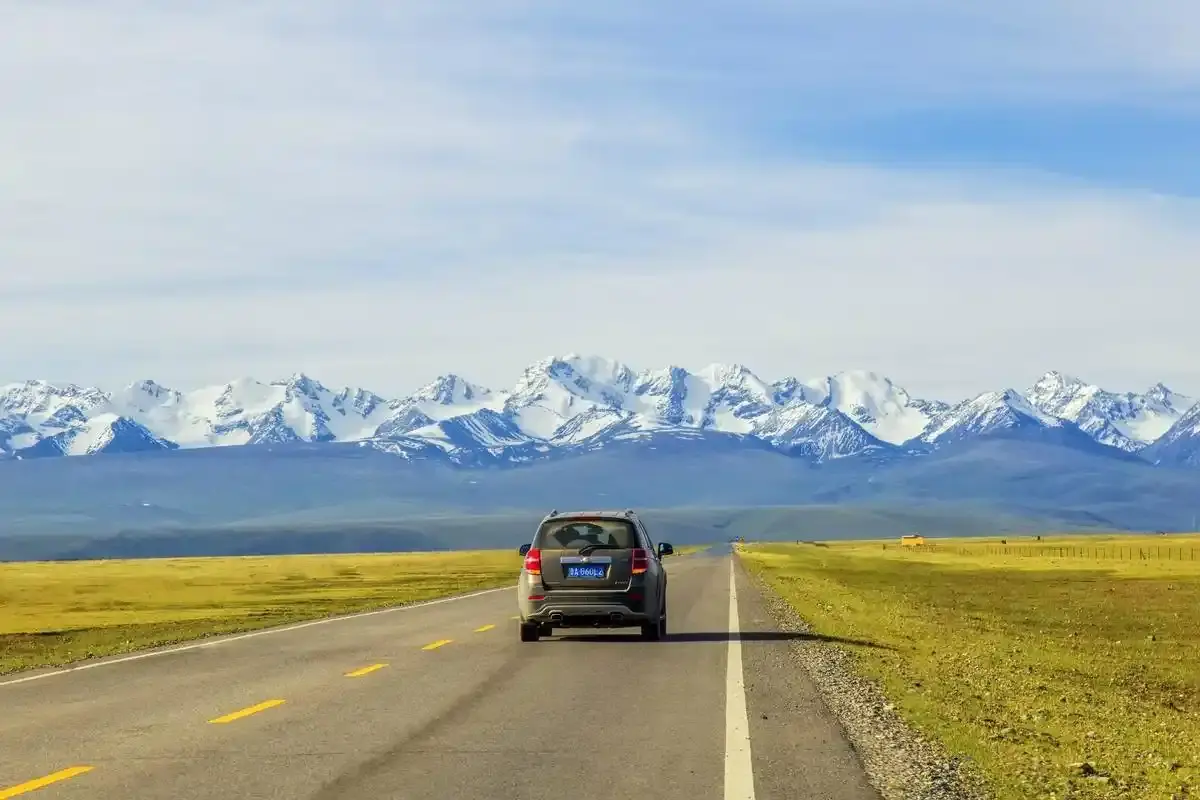
The catch is time. Distances are long, and the good roads close for weather. The Duku Highway, for example, shuts from late autumn to early summer. If your dates fall outside the open season, you lose a shortcut that saves a full day of driving on the north loop. Before you book, read up on how to reach Xinjiang and how the internal links fit together, because the answer to “how many days” partly depends on which roads are even open when you arrive.
The Best Time to Come, and How It Stretches Your Plan
Season does more than change the view. It changes how many days you need. In peak summer the grasslands are green and every road is open, but so are the crowds and the prices. In late September the poplars turn gold and the light is forgiving, yet some high passes start to close.
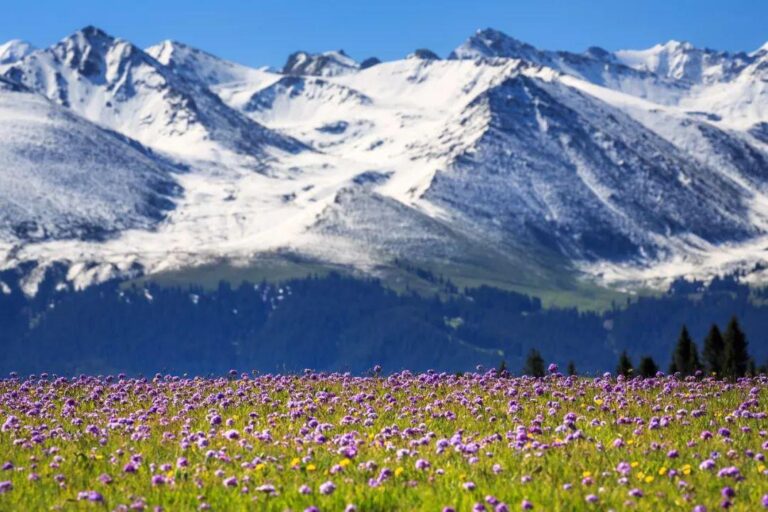
I now send most first-timers to Xinjiang in May if their schedule allows. The flowers are out, the roads have just opened, and you can cover the same loop in slightly fewer days because you are not stuck behind tour buses at every viewpoint. If you come in deep winter, plan fewer stops per day and add buffer for cold-weather delays.
Where to Sleep Without Losing Days
Lodging choice is a quiet time-saver. In the north, staying inside the Kanas scenic area costs more but spares you a 90-minute transfer each way from the outer car park. In the south, basing yourself in Kashgar for three nights and doing day trips beats packing and unpacking across three towns. I once lost half a day to a hotel that turned out to be an hour from where I thought it was, because I booked on a map without checking the actual town. Now I match the hotel to the next day’s first drive, not to the cheapest pin.
Eating Well Between Long Drives
Food is not a side note here. It is a reason to stop, and stops are how you survive the distances. A plate of laghman at a roadside joint in a small county bought me an hour of rest I did not know I needed. The rule I follow: eat the big meal at lunch, keep dinner light, and never skip the morning nang from a street oven. On the south loop, Kashgar’s Sunday market is worth shaping a day around. On the north, the loggeries around Yining and the grilled fish near Sayram are worth a deliberate detour.
Practical Tips That Save You a Day or Two
A few things I wish someone had told me before trip one. Carry a physical map of the region; the digital one blanks out in the desert and along parts of the Pamir. Fill the tank whenever you are below half in remote areas, because the next open station can be 200 km away. Keep your ID handy, as checkpoints are normal and friendly but routine. And build one zero-plan day into any trip longer than ten days. The best morning of my second trip was the one where I had nothing booked and ended up at a Sayram Lake viewpoint with no schedule and no one else there.
A 10-Day Northern Loop That Actually Works
If you have ten to twelve days and have never been, this is the shape I would hand you. Days one and two: Urumqi, then drive the north toward the Ili valley, overnight in Yining. Days three and four: Sayram Lake and the Guozi Valley, then on toward the grasslands. Days five and six: Nalati and the surrounding pastures, with a rest afternoon. Days seven to nine: up to Kanas and Hemu, the part everyone comes for, with a buffer day baked in. Day ten: long drive back toward Urumqi, flight home.
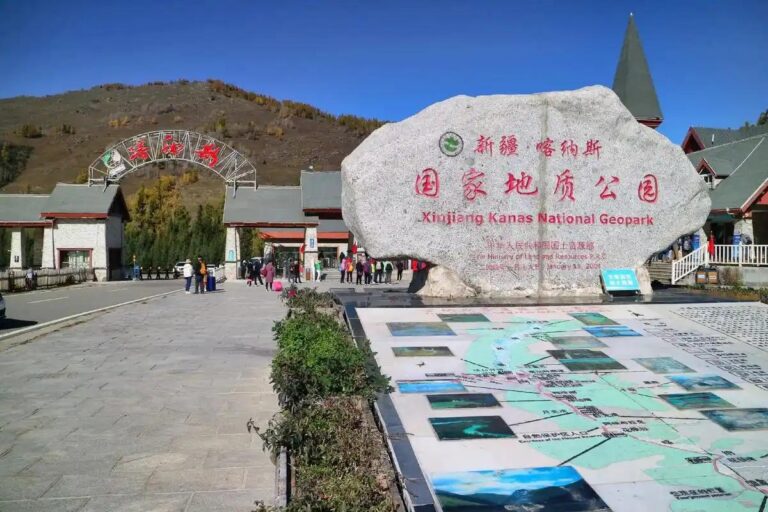
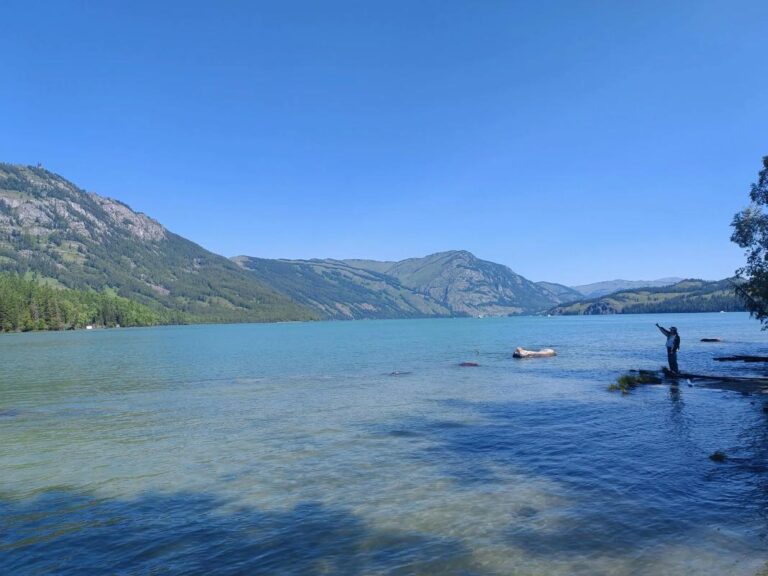
This loop leaves the south untouched, and that is the point. It is a full, satisfying trip that does not ask you to sprint. The Kanas Lake guide on this site will help you time that section so you are not arriving after the shuttles stop.
Stretching to 15 or 21 Days
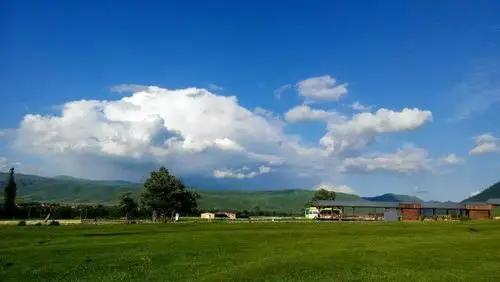
Add five days to the loop above and you can drop south by air to Kashgar, spend two nights in the old city, and push out toward the Pamir for a day or two before flying home. That is the fifteen-day version, and it finally lets you say you saw both halves.
The twenty-one-day trip is the only one that feels complete. I did it on my third visit, driving the full ring with the Duku as the spine and a flight hop to skip the boring straight shot between north and south. Three weeks sounds like a lot, but by day eighteen I was still finding places I had never heard of. If you have the leave, take it. Xinjiang is one of the few places where more time genuinely pays back.
Frequently Asked Questions
Is a week enough for Xinjiang? Barely, and only if you stay in one half. A week gives you one loop done properly or two halves done badly. Most people regret rushing it.
Can I see Xinjiang in 5 days? You can see Urumqi and Turpan, or one headline destination, and that is all. Treat five days as a taste, not a visit.
What is the minimum for the north loop? Ten days lets you do Urumqi, Ili, Sayram, Nalati, Kanas and Hemu without constant sprinting. Nine is possible if you cut a stop.
Do I need a car? For the scenery, yes. Trains and flights cover cities, but the lakes and grasslands sit off the rail lines. A car or a booked driver is what makes the days count.
When should I add buffer days? Any trip over ten days should carry at least one unscheduled day. Weather, closed passes, and tired legs all eat plans.
Disclaimer
This article is based on my personal travel experience in Xinjiang between 2019 and 2026 and on publicly available transport information at the time of writing. Road openings, flight schedules, permit rules, and prices change, sometimes with little notice. Always confirm current conditions with official sources and your embassy or consulate before you travel, and check the latest entry and border requirements for your nationality. Nothing here is formal legal, medical, or travel-advisory guidance. Links to other pages on this site are for reader convenience and do not constitute an endorsement beyond the information they contain.
About the Author
Karl Huang is a travel writer who has driven Xinjiang three times across the north and south, covering the region by car, train, and domestic flight. He focuses on practical, first-hand guidance for independent travellers and writes the destination guides published on Xinjiang Attractions. He can be reached through the site’s editorial contact for corrections or updates to any route described above.