Published: 16 September 2026 | Author: Karl Huang
Kalasu Xinjiang: the upper Manas River, the wetland and the dams that feed it
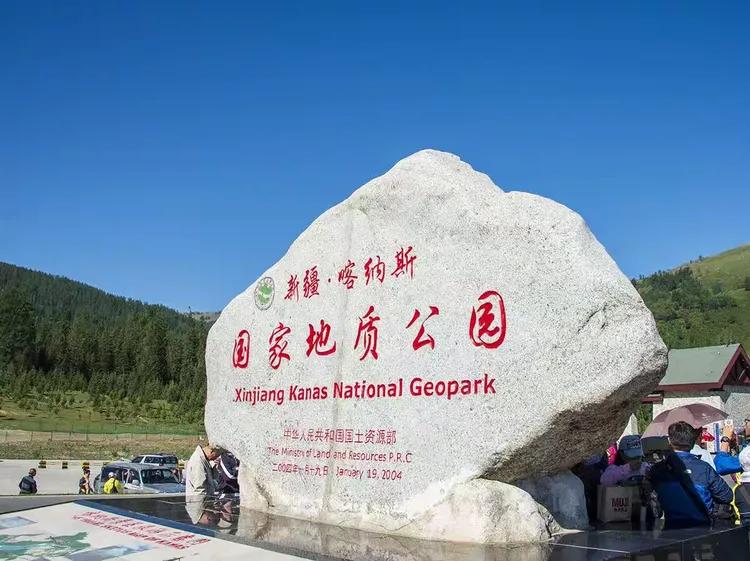
When I first saw “Kalasu Xinjiang” on a road sign south of Manas County, I assumed it was a typo for the better-known Kalasu Port on the Tajik border. It is not. The Kalasu here is 喀拉萨依 (Kalasayi), a narrow upper-river gorge where the Manas River drops out of the eastern Tianshan. In March 2026 Xinhua reported that the Haxionggou-Kalasayi two-level hydropower cascade will break ground here, a sign of how much engineering now controls this once-free river. That control is why the lower valley still has water to spare for the Manas National Wetland Park, the Kenswat Blue Lake reservoir and the irrigation networks around Shihezi. This article focuses on what that combination means for travelers: a working river landscape where birdlife, flood control, farming and a short but excellent S101 road trip all overlap.
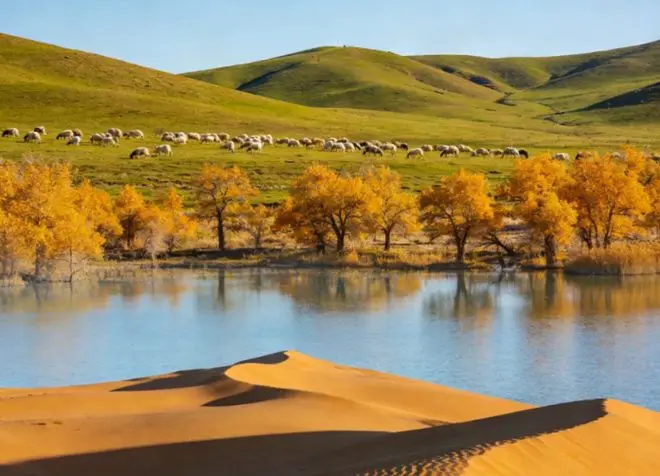
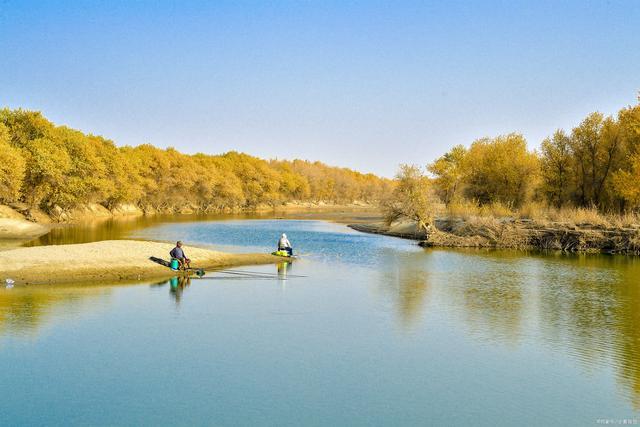
The Manas River used to run about 450 kilometres and empty into Lake Manas on the southern edge of the Junggar Basin. Since the 1960s so much water has been diverted for fields and reservoirs that the lake has gone dry. In its place, the Manas National Wetland Park was created: 85 square kilometres planned, 111 square kilometres now under management, with 47 square kilometres of core zone. It sits just east of Shihezi and about 100 kilometres from Urumqi, at the point where the river spreads into reed beds, ponds and tamarisk thickets before disappearing into the desert. In 2011 the site became a national wetland park pilot; by 2016 it had full national status. That timeline matters, because the wetland exists not despite human activity but because of it: a series of dams and headworks, including the Laolongkou (“Old Dragon’s Mouth”) diversion, now releases enough water downstream to keep the ecosystem alive.
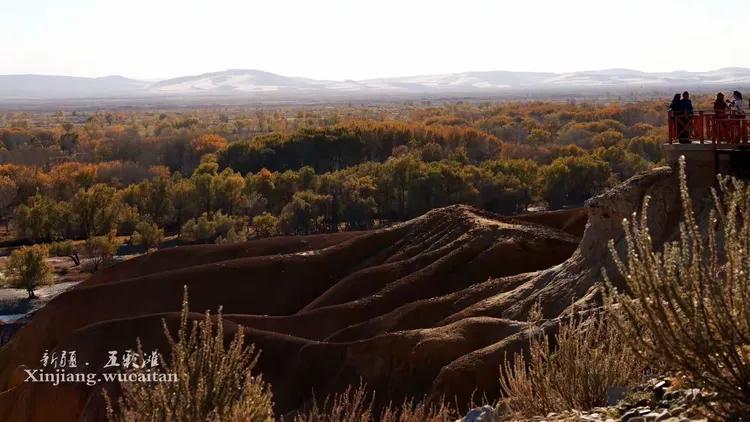
Upstream of the wetland, the Kenswat Reservoir — locals often call it Kenswat Blue Lake — stores 188 million cubic metres behind a 129.4-metre dam built under the 2010 national Western Development programme. The water is an opaque turquoise where it meets the red Jurassic danxia cliffs along the S101. The S101 is nicknamed the “Tianshan Geographic Gallery”, and Kenswat is marketed as its first scenic stop. From a travel point of view this is convenient: you can visit the wetland and the reservoir in a single loop out of Urumqi or Shihezi, with each site telling the opposite side of the same water story.
| Feature | What it is | Why it matters |
|---|---|---|
| Manas National Wetland Park | 47 km² core / 111 km² managed, near Manas County and Shihezi | Prime bird habitat on world migratory route Line 3; home to 317+ species |
| Kenswat Reservoir | 188 million m³ storage, 129.4 m dam, mid-Manas River | “Blue Lake” scenic spot on S101; controls irrigation releases |
| Kalasayi (Kalasu) | Upper Manas River gorge, above Kenswat | New Haxionggou-Kalasayi hydropower cascade planned for 2026 |
| Laolongkou headworks | Main irrigation diversion near Shihezi | Regulates water reaching the wetland and farms |
| Key species | Whooper swan, demoiselle crane, black stork, white-tailed eagle | Swan numbers grew from 30+ to 850+ in recent winters |
The afternoon 800 whooper swans lifted off at once
My first real visit to the wetland was on a clear, cold day in late November. I had driven from Shihezi in just under an hour, parked at the Swan Lake observation platform and walked the wooden boardwalk out over the reed beds. The water was low and still, the reeds already straw-coloured, and at first I thought the far bank was lined with white plastic sheeting. Then one of them stretched a neck. They were whooper swans, hundreds of them, resting on the water after the long flight from Mongolia. A park ranger told me the previous count had passed 850, up from a few dozen a decade earlier. When a freight train sounded its horn on the nearby line, the whole flock rose in a single white wave. The noise of their wings was louder than the train. That moment is the reason I keep coming back: this is not a curated zoo scene; it is a working wetland where the birds choose to stay because the habitat still functions.
Reaching the wetland from Urumqi, Shihezi or the S101
The wetland is easy to combine with a longer northern Xinjiang itinerary. From Urumqi, take the G30 expressway west for roughly 120 kilometres to the Manas County exit, then follow county roads east to the park entrance at Fenghuang West Road. Driving time is about 90 minutes in good weather. From Shihezi, it is even closer: the park lies on the eastern edge of the city, roughly 30 to 40 minutes by car depending on which gate you use. Public transport is limited; most visitors hire a car or join a day trip from Urumqi or Shihezi. If you are already on the S101, the Kenswat Reservoir turn-off is clearly signposted; from there it is about 50 kilometres of mountain road down to the wetland, a route that works well as a loop rather than a backtrack. For context on the planned city at the wetland’s western edge, see our guide to Shihezi.
The road conditions are generally good on the expressway and the main S101 section, but the side roads around the wetland can be muddy after rain or irrigation releases. A vehicle with reasonable clearance is useful, though not strictly necessary in summer. In winter, ice and drifting snow are common; check with the park office before setting out.
Timing your visit around the migrations and the light
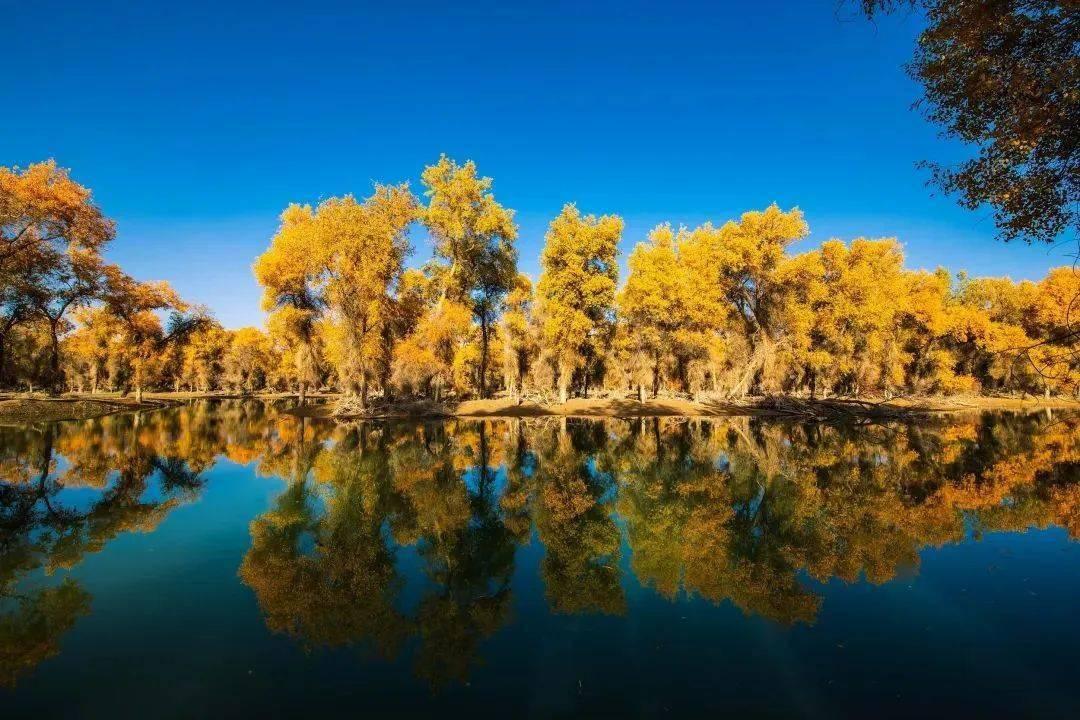
The wetland changes character by season. Spring migration peaks from late March to mid-April, when greylag and bar-headed geese pause before crossing the Tianshan. Autumn, especially October to late November, is the busiest and most dramatic, with tens of thousands of waterfowl gathering on the ponds. Winter has become the quiet highlight for swan photography: the birds stay because the water remains open in places, and the low winter sun gives the reeds a warm, honey colour. Summer is green and hot, with lotus and reeds in full growth, but the bird numbers are lower and mosquitoes can be persistent after irrigation flows. For a broader look at wetland birding across the region, read our article on birdwatching in Xinjiang’s lakes and wetlands.
Basing yourself in Manas town or Shihezi
Most travellers use one of two bases. Manas County town is closest to the wetland, roughly 10 to 15 minutes by car, and has a straightforward selection of small hotels and farm-stay options. The advantage is an early start at the birding platforms before the day-trippers arrive. Shihezi, 30 to 40 minutes west, offers a wider range of chain hotels, better restaurants and more reliable winter heating. It is also a useful logistics hub if you plan to combine the wetland with the Manas county wine and post-road circuit or the downstream Manas River Plain around Shawan. Either base works; choose Manas for proximity and Shihezi for comfort.
Eating along the S101 and around the wetland
Food here is farm country cooking, not fine dining. In Manas town and the villages near the park, look for hand-pulled lamb, grilled flatbread and hearty noodle dishes. Around the Kenswat Reservoir, a few farm restaurants and the S101 coffee shop serve basic meals with a view of the water. Shihezi has the usual Xinjiang options — Uyghur lamb skewers, Sichuan-influenced stir-fries, and a surprising number of bakeries left over from the bingtuan (Xinjiang Production and Construction Corps) settlement era. Bring your own water and snacks if you plan to spend a full day on the boardwalks; there are few vendors inside the park itself.
What to pack and what to expect on the boardwalks
Ticket prices are modest. The wetland park charges roughly 10 yuan for adult entry and is usually open from 10:00 to 19:00, though winter hours can shrink. Kenswat Blue Lake’s official ticket was set at 20 yuan from July 2025, with optional cable-car and glass-bridge packages at 100 yuan and 80 yuan respectively. The two sites are managed separately, so bring cash or mobile payment for each.
Binoculars or a telephoto lens are essential; a smartphone will leave you frustrated at the distance the birds keep. Warm layers are necessary even in autumn, and in winter a down jacket, hat and gloves are non-negotiable. The boardwalks are mostly flat but can be slippery with frost or algae. There is little shade in the viewing zones, so carry sun protection and insect repellent in summer. If you want a side-by-side comparison with another northern wetland, our write-up of Aksu National Wetland Park covers a very different water system on the edge of the Taklamakan.
A two-day wetland-and-reservoir route
This is how I would structure a short trip:
Day 1 — Urumqi to Kenswat Blue Lake: Leave Urumqi after breakfast and drive the S101 west. Stop at the 100-li Danxia viewpoints, then reach Kenswat by early afternoon. Walk the dam viewpoint, have coffee at the S101 cafe, and continue down to Manas town for the night.
Day 2 — Manas National Wetland Park and return: Start at the Swan Lake platform at opening time. Walk the boardwalks through the reed beds and poplar zones, then drive the 14-kilometre tourism road that links Yanfeitai, Xiaolizhuang, Tian’e Yuan and the Bajiahu folk village. Eat lunch in Manas town and return to Urumqi or Shihezi by late afternoon.
Frequently asked questions
Is Kalasu the same as Kalasu Port on the Tajik border? No. The Kalasu in this article is 喀拉萨依 (Kalasayi) on the upper Manas River, a different place from the Kalasu/Karasu border crossing near Tashkurgan in the south.
Can I visit the hydropower construction site? The Haxionggou-Kalasayi cascade was in the pre-construction stage as of early 2026. Industrial sites are generally closed to the public; the attraction is the downstream wetland and reservoir, not the dam building itself.
Do I need a guide for the wetland? Not for the main boardwalks and viewing platforms, but a local guide with a spotting scope greatly improves bird identification, especially during migration.
Is the wetland worth visiting in winter? Yes, if you are prepared for cold. The whooper swan congregation is the main winter draw, and the park is far less crowded than in autumn.
Disclaimer
The information here is based on field visits, published Manas County government notices, Xinhua reporting and the wetland park’s own materials. Ticket prices, opening hours and construction schedules change; confirm before you travel. Bird counts and species data are approximate and reflect conditions at the time of research.
About the author
Karl Huang is a Xinjiang travel writer and photographer who has been documenting the region’s water landscapes, road routes and seasonal wildlife since 2018. He researches routes on the ground and updates practical details from official sources.