Published: November 10, 2026 | Author: Karl Huang
People often assume Xinjiang is a place for hardy backpackers, not for a family hauling a stroller and a bag of diapers. We took that assumption apart the hard way when we crossed the region with our daughter at twenty months old. The short version: Xinjiang with toddlers is completely doable, but it rewards different planning than travel with school-age kids. The distances are long, the altitude in the south and west is real, and the daily rhythm runs two hours behind the rest of China. This guide is written from what happened on that trip, mistakes included, so you can decide what to pack, what to skip, and how to keep a small child fed and sleeping on a route that spans deserts and high grasslands.
| At a glance | What it means for a baby or toddler |
|---|---|
| Time zone | Local life runs about 2 hours behind Beijing time; plan naps by sunlight, not the clock |
| Infant on flights | Under 2 flies as a lap infant at roughly 10% of the fare; request a bassinet early |
| Trains | No child seats on board; bring a travel harness or sleep berth-side |
| Supplies | Diapers and formula in the big cities; pack a buffer for remote areas |
| Altitude | Stay below about 2,500 m with infants; avoid the high Pamir routes |
| Medical | Children’s hospital in Urumqi; pediatrics in the major prefectures |
Xinjiang with toddlers means wrestling the two-hour time shift first
The single thing nobody warned us about was the clock. Xinjiang officially runs on Beijing time, but in practice shops open late, dinner lands around nine or ten at night, and in summer the sun does not set until close to eleven. For a toddler whose body expects bed at eight, it is a daily small crisis. We followed the light instead, anchoring her wake to sunrise and building a wind-down before the sky darkened. She napped in the car most afternoons, and we treated those as the real sleep. If you take one thing from this page, take the time shift seriously.
Flights with a lap infant: bassinets, milk, and ear pressure
Getting there is the first hurdle. On domestic flights a child under two travels as a lap infant for roughly ten percent of the fare, with no seat of your own. The airlines we flew offered bassinets on longer legs, but only a handful per aircraft and only if you request at booking and confirm at the gate, so ask twice. Bottles and baby food are exempt from normal liquid limits, so we carried more formula through security than seemed legal and nobody blinked. The descent was the rough part. Her ears hurt, and the trick that worked was a bottle or a pacifier to swallow against the pressure, started early on the way down rather than waiting for the first cry. If you connect through Urumqi, build a long layover; the terminal is large.
Xinjiang with toddlers by train: the child-seat gap
Once in the region, the train is comfortable and the sleeper cars are a genuinely good way to cover long distances overnight. What surprised us was the absence of any child restraint. Chinese trains do not have car seats, and the berths are not built for a wriggling toddler. We traveled with our own lightweight harness that clips a child into a regular seat, and on the sleeper we pushed the lower berth against the wall and slept with her between us. It worked, but it was our gear. If a night train with a baby makes you nervous, the alternative is a private car and driver, where you fit your own seat and stop whenever the child needs it.
Stroller or carrier? We ended up using both
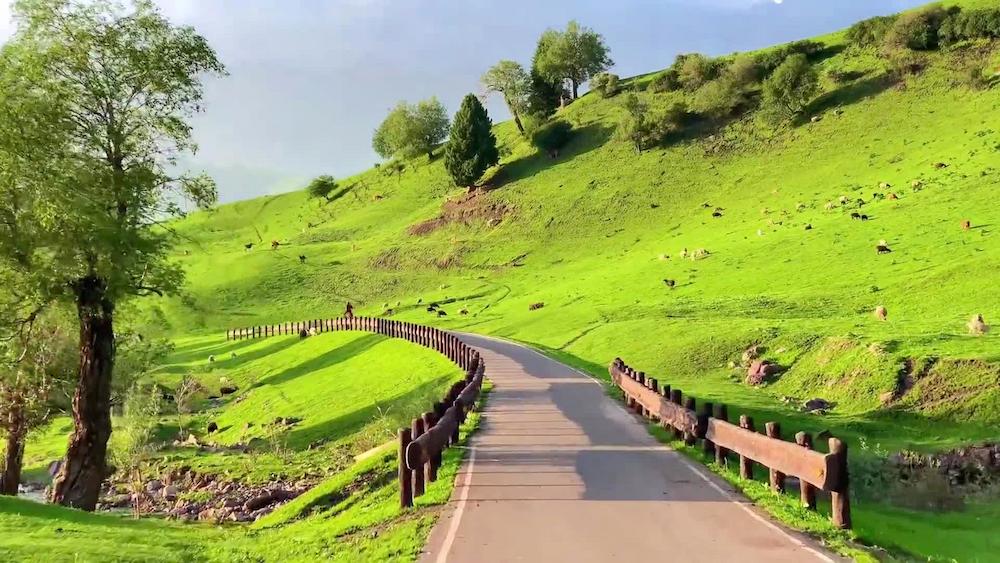
This is the question we debated for weeks and the answer was both. A stroller is a lifesaver in airports, stations, and the broad streets of a city like Urumqi. The moment you hit Kashgar old town, with its uneven flagstones and raised thresholds, the stroller becomes a liability and the carrier takes over. We found the boardwalks at the lakes stroller-friendly, while historic sites with steps are not. Pack a stroller that folds small and a carrier you can wear for hours, and plan each day around which one the terrain favors. Leaving the stroller in the hotel on old-town days saved our backs.
Diapers, formula and baby food: what you can actually buy
Supplies are the quiet worry, and the honest answer is that it depends on the city. In Urumqi and Kashgar you will find international diaper brands, formula, and pureed pouches in the big supermarkets and import sections. In smaller county towns the selection thins to local brands, and in remote villages it may be gone entirely. We packed a three-day buffer of the diaper size and formula our daughter used, then topped up in the cities. Baby food is trickier than diapers. We relied on plain rice congee, steamed egg, and soft noodles from restaurant kitchens rather than hunting for jars. The guide to traveling with older children covers the restaurant side in more detail, but for a baby the rule is simpler: carry the non-negotiables, buy the rest where you can.
Altitude and a baby’s ears: where it is safe and where to pause
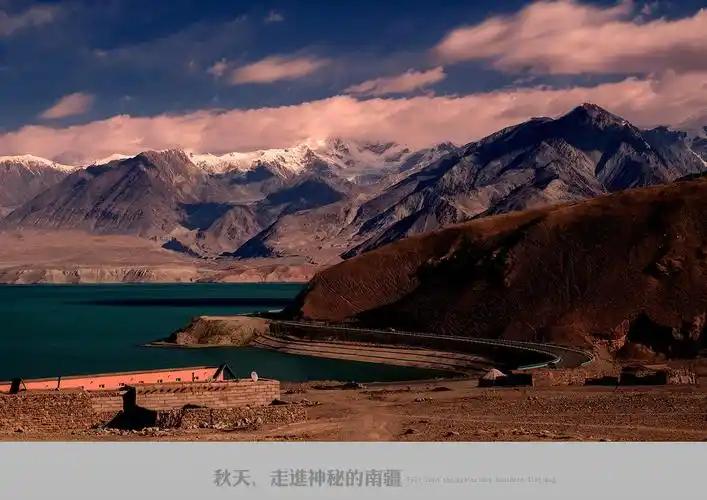
Xinjiang spans a huge elevation range, from the Turpan basin below sea level to passes above three thousand meters. Healthy adults adjust; infants are a different case. Most pediatric guidance suggests caution above about twenty-five hundred meters, and several famous southern routes, the Khunjerab corridor and higher Pamir towns among them, sit above that line. We kept our trip to the lower northern and central routes, the belt around Sayram and the Ili valley, and felt the difference in how easily she ate and slept. If your plan touches high ground, read up on how altitude affects the body and ask your pediatrician first. The ears issue is separate from altitude: any gain in elevation can pop a toddler’s ears, so offer a drink on every climb.
Hotels with cribs and the hygiene questions nobody asks
Finding a crib is easier in the international chain hotels of Urumqi than in the smaller scenic-town guesthouses, where a family room often just means a bigger bed. We called ahead and confirmed a crib rather than trusting the booking-site checkbox, and when none existed we pushed two chairs against the bed to make a rail. The hygiene worry is the water. We never let our daughter drink tap water, used bottled water for formula, and avoided raw salads from street stalls, sticking to cooked food. None of this is unique to Xinjiang, but the language barrier makes it harder to confirm, so we learned a few phrases for boiled water and no spice.
Pediatric care: which cities have real children’s hospitals
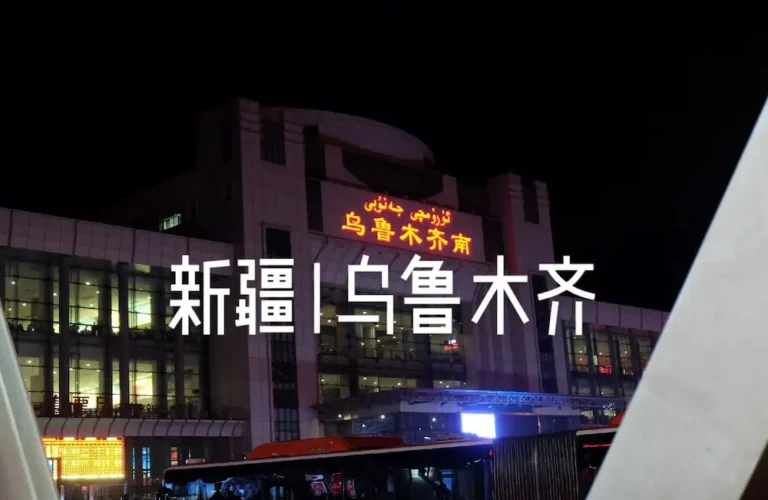
The reassuring part is the medical network. Urumqi has a dedicated children’s hospital and the major prefecture cities, Kashgar and Ili among them, run pediatric departments inside their main people’s hospitals. For a fever or an ear infection you are rarely far from care in or near a city. The gaps are real in the remote counties and on the long desert highways, which is why we kept our route close to the urban belt and carried a basic kit: fever reducer weighed for her age, a thermometer, rehydration salts, and any prescription she takes. Travel insurance that covers evacuation is worth it for the remote stretches.
Feeding a baby on the road: water, sterilization, warm plain food
Eating out with a baby in Xinjiang is less stressful than the warnings suggest, because the local diet is built on plain, soft staples. Laghman noodles cut small, steamed buns, congee, and roasted potato were her steady rotation, and most kitchens left out the chili and cumin when we asked. Sterilizing bottles was the daily chore: in hotels with a kettle we boiled water and let it cool; otherwise the microwave or sealed boiled water. We avoided the aggressive street kebabs for her and saved those for our own late-night dinners after she slept. The best time to visit Xinjiang guide is worth a read if you want the calmest fruit-season window for a small child.
A realistic five-day baby-friendly plan
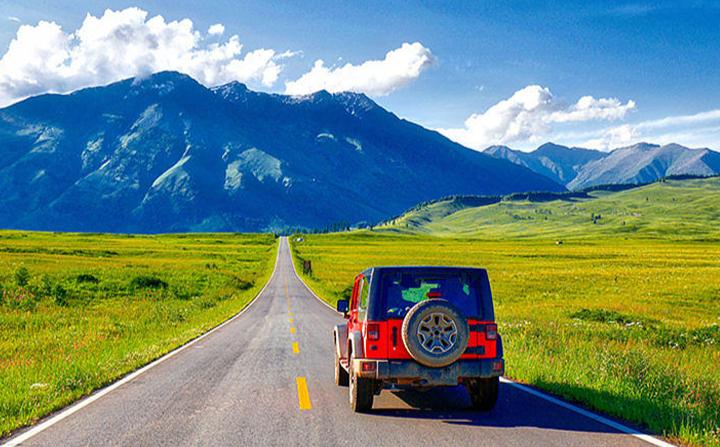
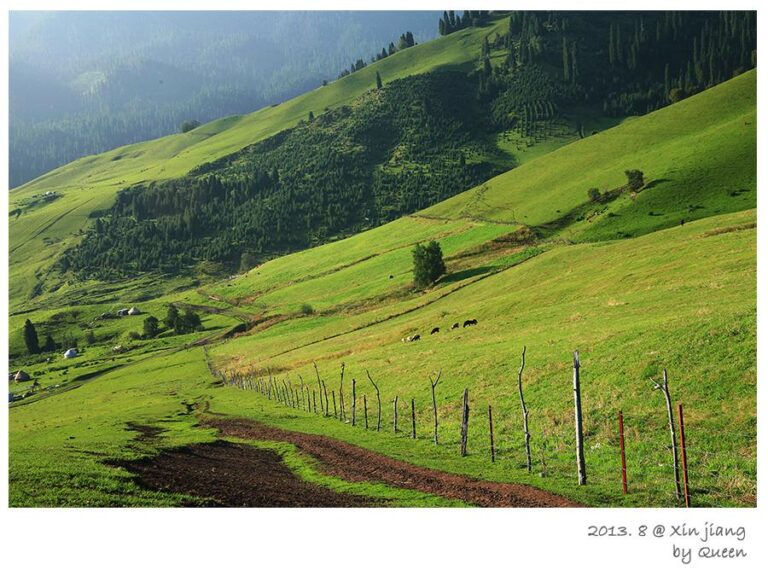
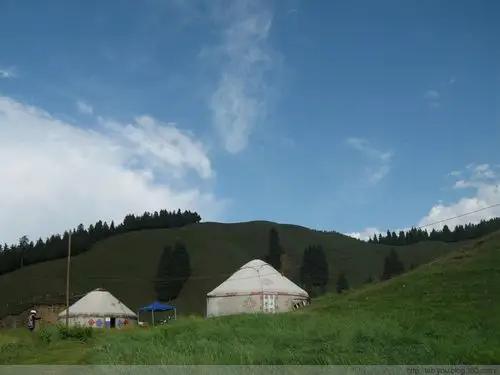
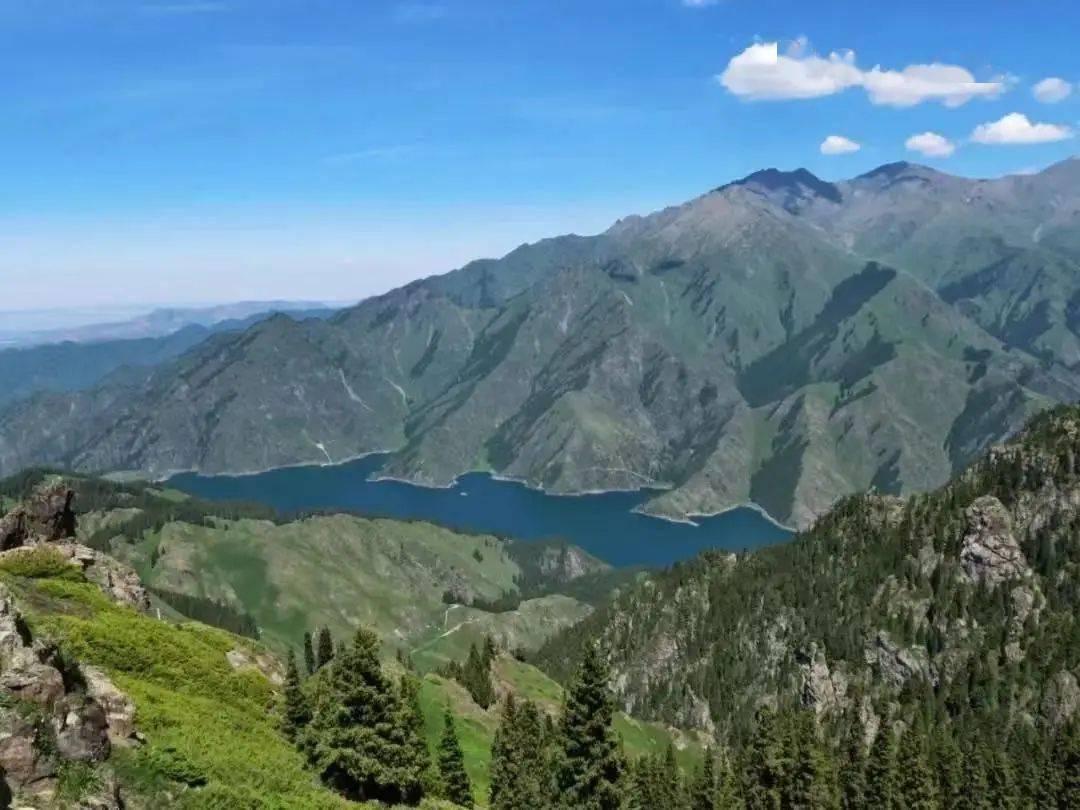
We would not attempt the classic two-week loop with a toddler. A slower five days around the northern lake and grassland belt gave us a child who mostly slept and parents who enjoyed it. Day one, arrive Urumqi, settle, buy supplies, early night. Day two, a short visit to a city park and the museum, both stroller-friendly and air-conditioned. Day three, drive to Sayram Lake, keep the walk to the boardwalk, nap in the car on the way back. Day four, a grassland yurt stop at low elevation where she could toddle on the grass, then back to the city. Day five, a slow morning and the flight out. The point is not the checklist. It is that every day had a fallback, a place to retreat when the plan met a tired child.
Questions parents ask before the flight
Is Xinjiang safe for a baby? The region is calm and the cities are modern, and the main risks are the practical ones: altitude, sun, and the time shift, not personal security. Use normal precautions and you are fine.
When is the easiest season? Late spring and early autumn are kindest. Summer is hot in the south and the light runs very late; winter is cold but quiet. Avoid the October National Day week if you can, because the crowds and the prices spike.
Do I need special paperwork for the baby? The child needs their own passport and, for most foreign visitors, their own visa or eligible visa-free entry, processed the same way as an adult. Start early, because infant passport photos and appointments take longer than expected.
Can I buy everything there? Diapers and formula yes, in the big cities. Specific brands and baby food pouches, do not count on it outside Urumqi and Kashgar.
Before you go: a straight word on risk
This guide comes from our own trip with a toddler and from talking with other traveling parents, not from medical training. Every child is different, and what suited our twenty-month-old may not suit yours. Talk to your pediatrician before a long-haul flight or any high-altitude leg, confirm current entry and health rules through official channels, and pack more supplies than you think you need. We are not responsible for decisions made from this page alone, and conditions, road status, and hospital access can change. The aim is to send you in realistic, not anxious.
About the writer
Karl Huang is a travel writer who has covered Xinjiang across several seasons, including a month on the road with his toddler. He writes practical, first-hand guidance for foreign visitors and focuses on the unglamorous logistics, the ones that decide whether a family trip works, rather than the postcard stops. His reporting draws on official regional information and on-the-ground experience.