Published: November 10, 2026 | Author: Karl Huang
Most of the year, Xinjiang is a place you can wander without a plan. Then Xinjiang Golden Week arrives, and the region’s most famous lakes and roads feel it before anything else. The National Day holiday collapses a month of domestic travel into seven days, and the places everyone has saved up for are the ones that buckle first. This guide is built from what the official numbers show and what we learned the hard way on a trip we took during that first October week a couple of years back: how to book, how to drive, and how to time a visit so the crowds don’t eat the trip alive.
The numbers behind Golden Week in Xinjiang
If you only remember one thing, remember that the scale is not normal. During the 2025 National Day and Mid-Autumn overlap (an eight day stretch from October 1 to 8), Xinjiang received 18.64 million visitors, up 11.26 percent from the year before, and took in 25.1 billion yuan in tourism spending, up 11.71 percent, according to the regional culture and tourism department reported by China Tourism News. The railway ran 519 extra trains. Urumqi Tian Shan International Airport handled 763,000 passengers, with a single day peak of 101,300 on October 1. Kashgar recorded 253,800 visitors on the first day alone, and the International Grand Bazaar topped 200,000 in a day. These are not gentle bumps. They are a different operating mode.
| Metric | 2025 Golden Week figure |
|---|---|
| Holiday window | Oct 1 to 8 (Mid-Autumn overlap) |
| Total regional visitors | 18.64 million (+11.26% YoY) |
| Tourism spending | 25.1 billion yuan (+11.71% YoY) |
| Extra rail services | 519 temporary trains |
| URC airport passengers | 763,000 (101,300 on Oct 1) |
| Kashgar day one | 253,800 visitors |
The takeaway is simple. If your dates land in that window, you are not avoiding the crowd by picking a clever spot. You are managing it.
Why Xinjiang Golden Week flips the whole region
The reason it bites harder here than in, say, a city break is distance. Xinjiang is about the size of Western Europe, and the headline attractions are hundreds of kilometers apart. People do not spread out. They funnel toward the same dozen postcard places: Kanas, Sayram Lake, Nalati, the Grand Bazaar, Kashgar old town. Early October is also the exact moment the poplar forests of the south turn gold and the northern lakes hit their clearest weather, so the scenery pull and the holiday line up perfectly. When we drove in that first week, we watched a quiet Tuesday-morning lake town become a line of tour buses by Thursday. The weather was the best we had seen all year. So was the queue.
Booking the basics before the scramble starts
The single biggest mistake is treating Xinjiang like a walk-up destination during this week. Trains on the Urumqi to Kashgar line and the popular northern routes sell out within hours of release. China’s rail booking window is 15 days ahead on 12306, so the moment your dates are fixed, set an alarm for the release. Flights behave a little better but prices climb steadily the closer you get; the airport itself runs at record volume, so build in buffer for delays. Scenic areas that cap daily entries, Kanas among them, often require a reserved slot tied to your accommodation in the nearby town. Book the room first, then the entry, not the other way around. If you want the fuller picture on laying out a route that avoids the worst bottlenecks, our Xinjiang route planning guide walks through the north, south, and loop shapes.
The train-and-flight squeeze
Trains are the cheaper and often faster choice for the long hauls, but the seats are the first to go. We found that the sleeper trains, which are the comfortable way to cover Urumqi to Kashgar overnight, were gone within a day of release, and we ended up on a daytime connection with standing-room only for part of the ride. Flights fill from the other direction: the airports at Urumqi, Kashgar, and Yining all run near capacity, and baggage and security lines stretch. The practical move is to treat the train release date as a hard deadline and the flight as your fallback, not your plan A.
Roads that turn into parking lots
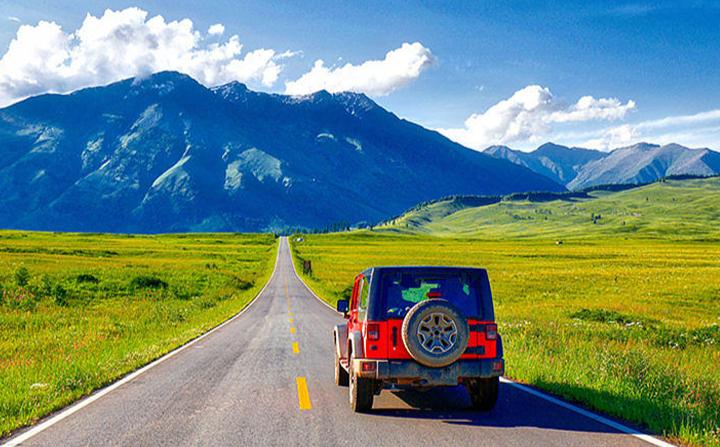
Driving yourself is tempting because it feels like freedom, but the highways tell a different story in this week. The G30 corridor and the approach roads to the big lakes develop slow-moving jams that have nothing to do with accidents, just volume. We spent close to two hours covering what is normally forty minutes into one lakeside town, and the parking at the gate was a lottery. If you do drive, the private car and driver guide covers how a local driver handles the checkpoints and the parking chaos so you are not the one white-knuckling it. Leave before eight in the morning or after six in the evening and you will skip the worst of it. Midday on a sunny October Saturday is the trap.
Scenic areas that quietly hit their caps
Some of the famous spots do not look crowded from the highway, then you hit the gate and realize they sold their daily limit hours ago. Kanas is the obvious one, and Sayram Lake sat at the top of the regional heat list in 2025. The pattern we noticed is that the headline lakes cap early, while the towns just outside the scenic zone stay walkable. Plan your must-see entries for the first slot of the day, and keep a mental list of backups. The Kanas Lake guide and the Sayram Lake guide both spell out the entry logistics that matter most in peak season.
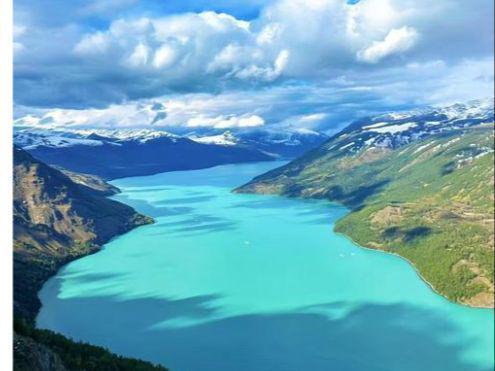
Where the crowds pile up and where they thin out
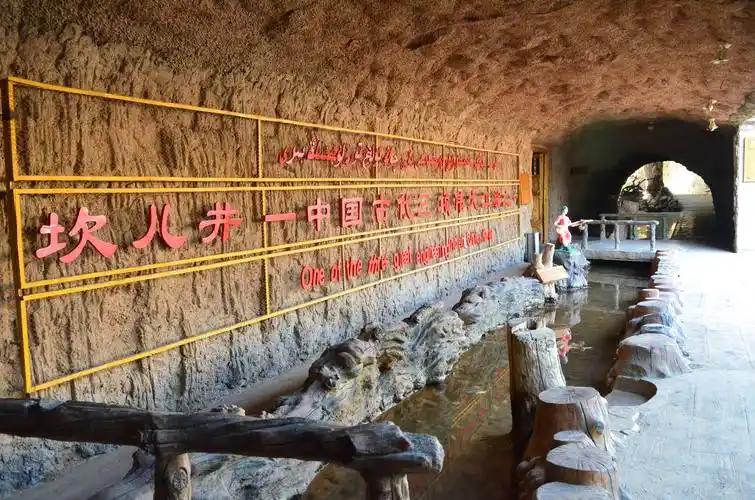
This is the part that saves trips. The crowds are not everywhere. They cluster at the postcard lakes, the old-town gates, and the bazaar performances. Step two streets back from the Kashgar old town entrance and you find normal life. Go to a working irrigation site or a county museum and you may have it to yourself. Turpan’s karez channels, the underground water system that has fed the oasis for centuries, were nearly empty when we visited, even as the lake towns an hour away were jammed. The trick is to pair one headline sight with two ordinary ones each day, so the busy moments are the exception, not the rule.
Eating when every kitchen is slammed
Food is where the holiday shows up fastest. The famous night markets and the big Uyghur restaurants near the sights run long waits by seven in the evening, and the popular dishes like hand-pulled banmian and grilled mutton sell out. We learned to eat early, around six, or late, after nine, and to look for the smaller blocks where locals eat rather than the strip facing the scenic gate. Roadside rest stops on the highways also get busy at noon, so a packed lunch from a morning bazaar run saved us more than once. The payoffs are real, though: this is the week the poplar forests are gold and the late-season fruit, apples, grapes, and pomegranates, is at its peak, a detail worth timing around.
Sleeping: the price curve and the sellout
Hotels near the headline sights double or triple in this week, and the decent budget options inside the scenic towns sell out first. We paid more for a plainer room than we had anywhere else on the trip, and we still booked it late and got lucky. The safer pattern is to sleep in a nearby county seat and commute in for the early entry slot, rather than insisting on the room inside the scenic zone. Book the lodging the same week you lock the train, not after. If your plan is flexible, the best time to visit guide explains why shifting a trip by even two weeks can mean half the cost and a tenth of the line.
A Golden Week day that actually worked
Our best day looked like this. We slept in a county town, not the scenic zone, and reached the lake gate at 8:10. We were through in twenty minutes and had an hour of near-empty shoreline before the buses arrived. We left by one, ate a late lunch in a side-street canteen, and spent the afternoon at a small museum and a quiet teahouse instead of fighting the midday crush. Evening we walked a normal neighborhood market. It was not the instagram empty-lake fantasy, but it was calm, it was real, and we saw the famous view without resentment. That balance, one headline sight early, the rest ordinary, is the whole game.
Questions people ask before the holiday
Is Golden Week a bad time to visit Xinjiang? Not if you plan for it. The weather is excellent and the poplars are at their best. The cost and the lines are the trade. Go in with a booking-first mindset and it is manageable.
Which week exactly? The National Day holiday runs October 1 to 7. When it overlaps Mid-Autumn, as it did in 2025, it stretches to eight days and gets busier still.
Can I just show up and buy tickets? For trains, almost never. For scenic entries with daily caps, no. Book the train on release day and the entry as early as the system allows.
Are the roads dangerous in the crowds? Not dangerous, just slow. The risk is time, not safety. Build buffer and avoid the midday peak on the main highways.
Before you book: a straight word on risk
This guide is built from published 2025 figures and our own road experience, not a guarantee. Caps, prices, train schedules, and entry rules change, and they changed again after we traveled. Treat every number here as a planning anchor, then confirm the current rule on the official park, railway, and airline channels before you pay. We do not take responsibility for bookings made on outdated information, and local conditions, weather closures on mountain roads, and holiday policy shifts can override any pattern described above. The goal is to send you in clear-eyed, not to promise an empty lake.
About the writer
Karl Huang is a travel writer who has spent several seasons on the road across Xinjiang, from the Altai lakes in the north to the Tarim poplar forests in the south. He writes practical, first-hand guidance for foreign visitors and draws on official regional tourism data and on-the-ground reporting. His work on this site focuses on helping independent travelers plan real trips rather than chase postcards.