Yarkand (Shache) County: The Sleeping Kingdom of the Tarim
Yarkand County travel means slowing down in Shache: a living Tarim oasis of muqam music, old-town bazaars, and 3,000 years of Silk Road history to walk.
A Website Introducing Top Tourist Attractions in Xinjiang


Yarkand County travel means slowing down in Shache: a living Tarim oasis of muqam music, old-town bazaars, and 3,000 years of Silk Road history to walk.

Huocheng County, at the western end of Xinjiang’s Ili Valley, grows most of China’s lavender. Our guide covers the bloom, the town, and a one-day loop.

A sourced comparison of 2026-27 lift ticket prices at Jiangjunshan, Koktokay and Jikepulin in Altay, with transfer, lodging and season notes for each resort.
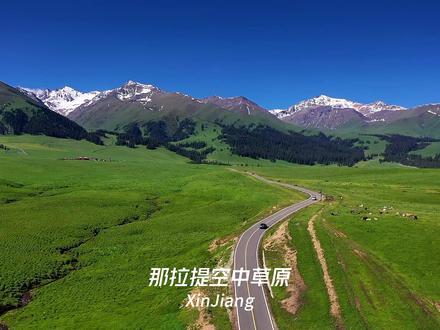
Gongnaisi grassland is the Ili valley’s forest-steppe: spruce and meadows, Alxian hot springs and Kazakh yurts, reached from Yining or the Duku Highway.

Xinjiang budget travel is cheaper than most visitors expect: eat for ¥30–60 a day on naan, laghman and kebabs, and sleep in a hostel by the night market.
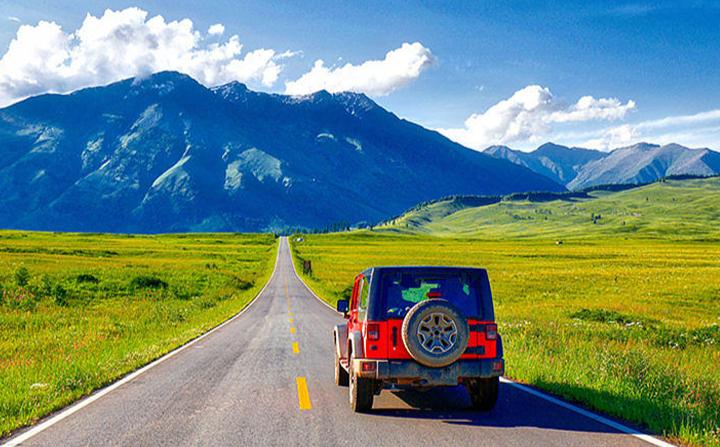
Xinjiang route planning explained: how the north, south and the full loop fit together, what closing the loop costs, and the best months to drive it well.
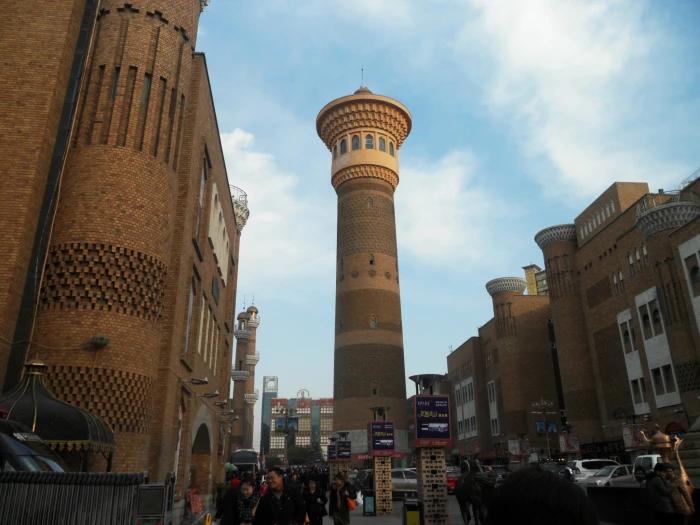
Xinjiang languages for travellers: where Uyghur, Kazakh and Mandarin are spoken, a few words worth learning, and how to get by without speaking a word.
Xinjiang safety for tourists: what to expect on the ground, from calm, busy city nights to long desert drives, altitude, and the few checks you will meet.
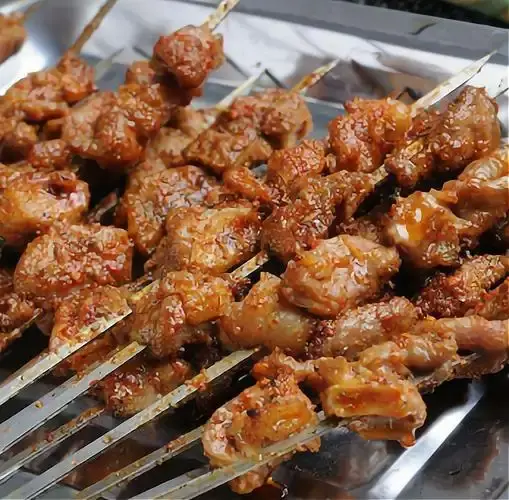
Xinjiang horse meat and kasaz (kazy) are a northern steppe specialty. See what they taste like, where to eat them, and how to order without awkwardness.
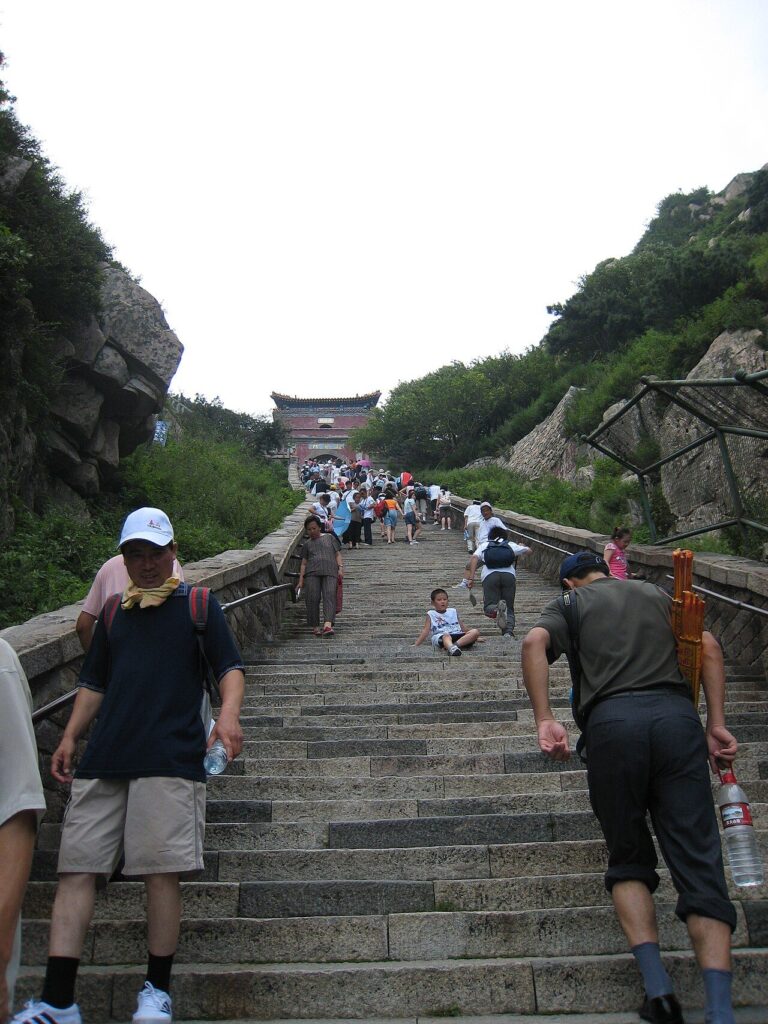
Mount Tai in Shandong is the foremost of China’s Five Sacred Mountains, climbed for sunrise and imperial rites. Our guide covers the steps and cable car.