Wujiaqu, Xinjiang: Qinggeli Lake and the Young City North of Urumqi
Wujiaqu Xinjiang sits 32 km north of Urumqi. Our guide covers Qinggeli Lake, the tulip festival, migrating birds, buses, food and a day plan.
A Website Introducing Top Tourist Attractions in Xinjiang

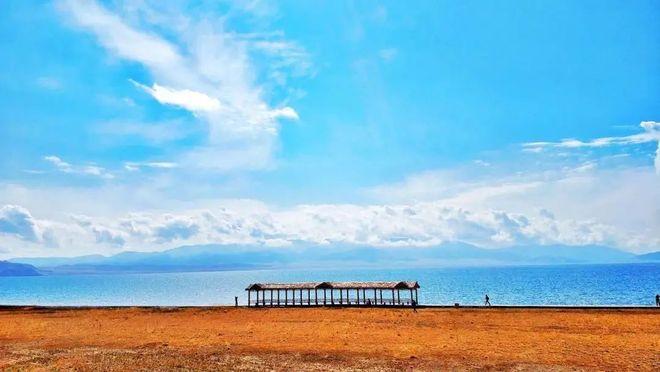
Wujiaqu Xinjiang sits 32 km north of Urumqi. Our guide covers Qinggeli Lake, the tulip festival, migrating birds, buses, food and a day plan.
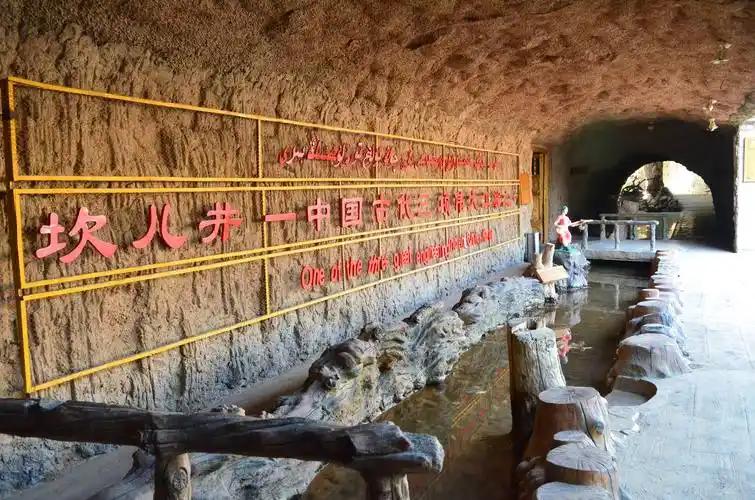
Muji Town sits on Pishan’s eastern edge where 11 km of G315 cuts through Taklamakan dunes. Peach belt, two reservoirs and a bazaar for 30,000 residents.
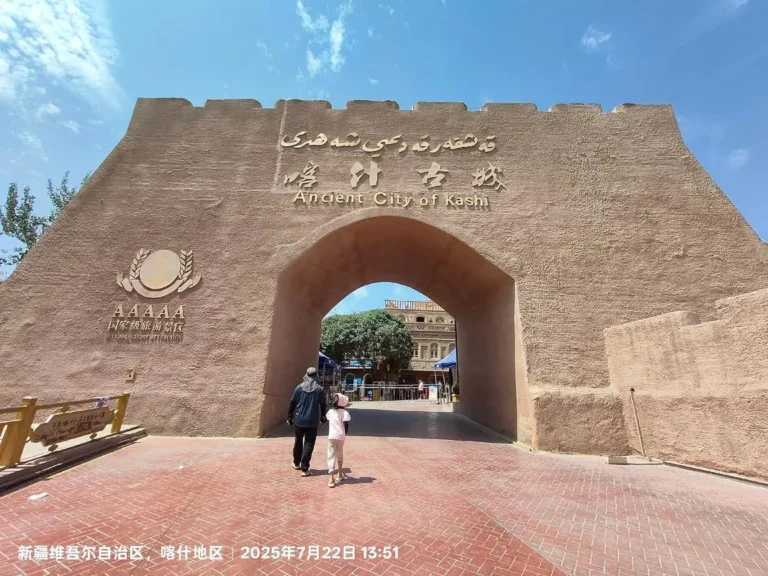
Karakax County Xinjiang is the black jade county west of Hotan: the mulberry paper street, 28 old water mills, a 1,400-year tree and a desert wetland.

Jiangbulake Xinjiang means source of the holy water. First-hand guide to the Han fort, mystery slope, boardwalks, 2026 tickets and the new Qitai airport.
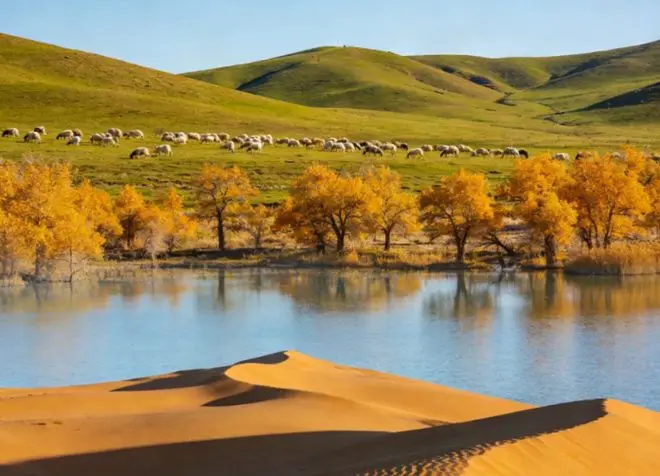
Xayar Awat Xinjiang frame the Tarim cradle to canopy: Xiaojiak confluence, 470-mu poplar, cotton fields, rice upstream. River-first Aksu-region guide 2026.
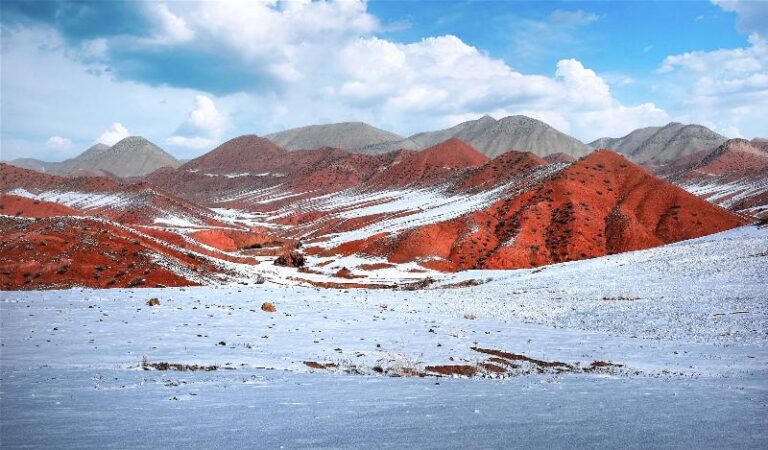
Hutubi Xinjiang is a 258 km county that runs from Tianshan ice to Gurbantunggut dune. Milk, saplings and gas under the wheat, and nine reasons to stop.
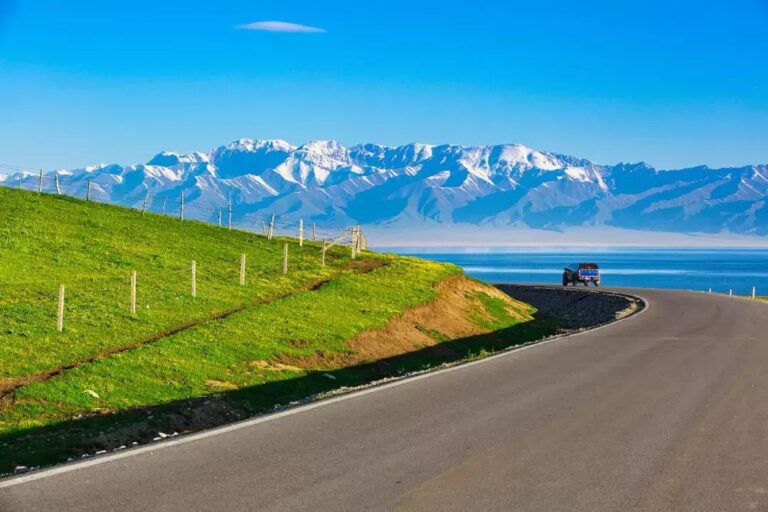
Pishan Xinjiang travel guide: silk workshops at Koshtagh, Turdi Aghi Manor and Karakoram foothills from Guma. Includes food, transport and a two-day plan.
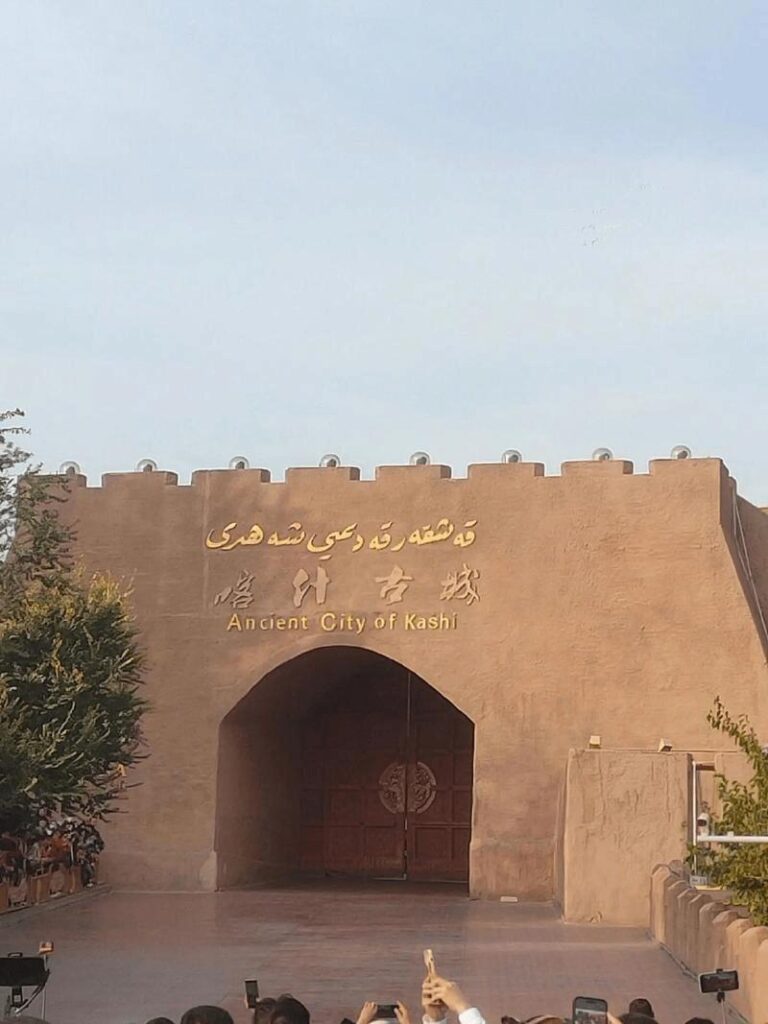
Minfeng Niya Xinjiang: the famous Niya ruins are closed in 2026, but the surrounding county of 40,000 people is still worth two or three days of travel.
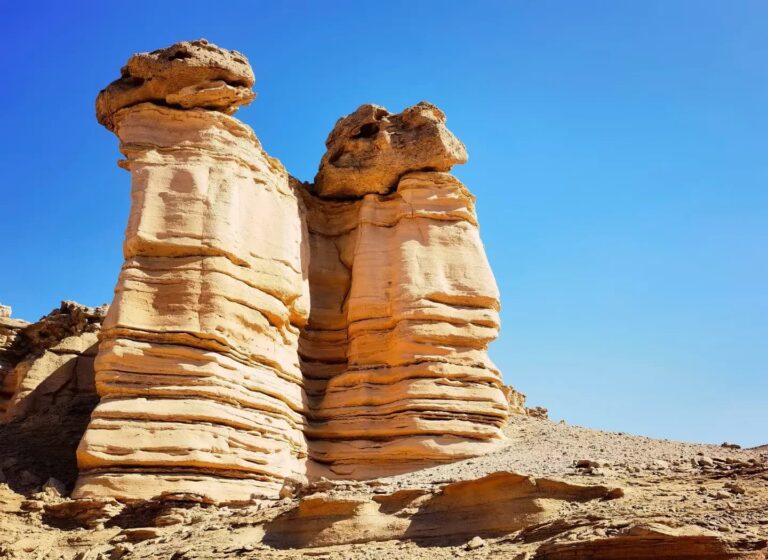
Qiemo Xinjiang sits two kilometres from the Taklamakan’s dunes. How the Qarqan River keeps the oasis alive, and how to visit China’s second-largest county.
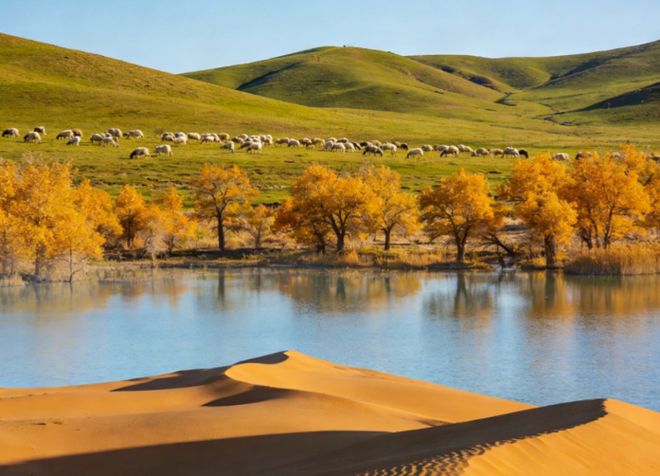
Luntai Xinjiang is where the Tarim Desert Highway starts. A working oil county with a superb Han-era museum, white apricots and the Taklamakan next door.