Mulei County Xinjiang: Pine Forests East of Qitai
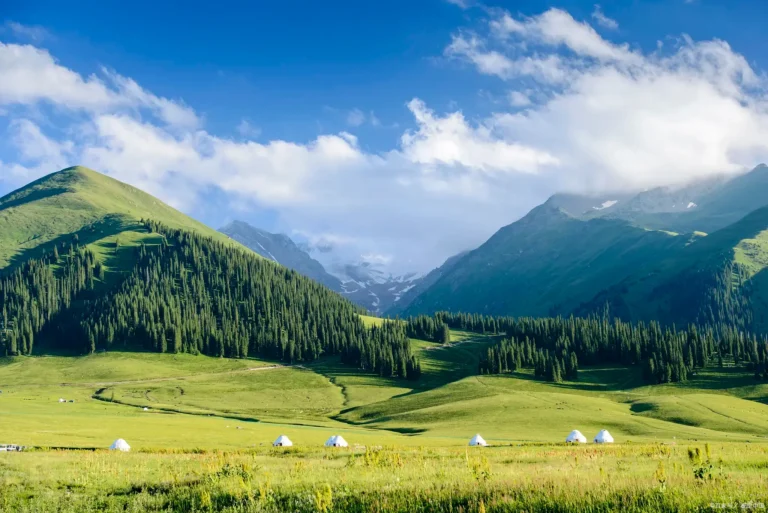
Mulei county Xinjiang’s southern slope holds the easternmost Schrenk’s spruce belt in the Tianshan. Here’s how to time a drive into the forest valleys.
A Website Introducing Top Tourist Attractions in Xinjiang
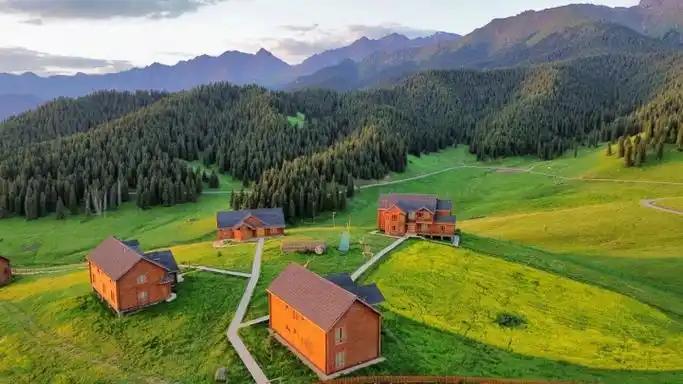
Mulei county Xinjiang’s southern slope holds the easternmost Schrenk’s spruce belt in the Tianshan. Here’s how to time a drive into the forest valleys.
Qitai county Xinjiang is the granary of the Tianshan northern slope. Here’s how to time a visit to the Jiangbulake wheat fields around the harvest window.
Shawan County Xinjiang sits on the Manas River plain between Urumqi and the Ili valley. Trains, farm seasons, and the big plate chicken stop, planned.
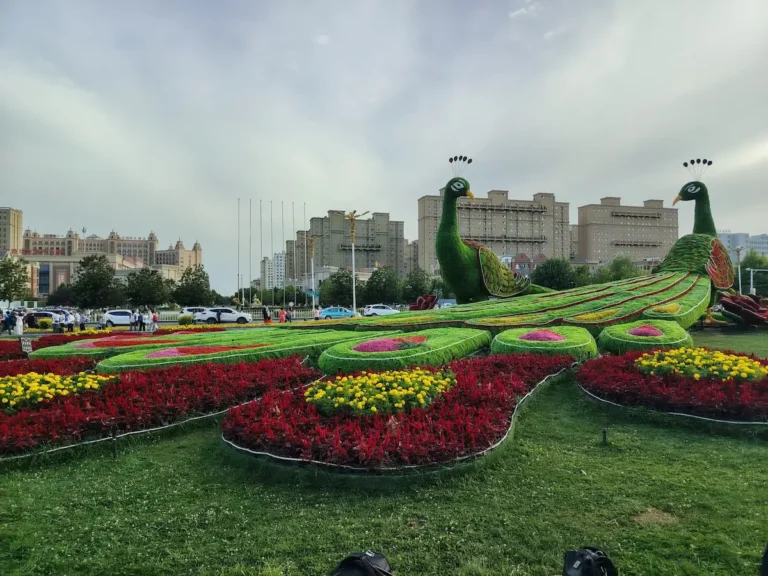
Xinjiang bicycle rental works differently than the rest of China. Here is how to find a pedal bike, where shared e-bikes actually run, and what rules apply.
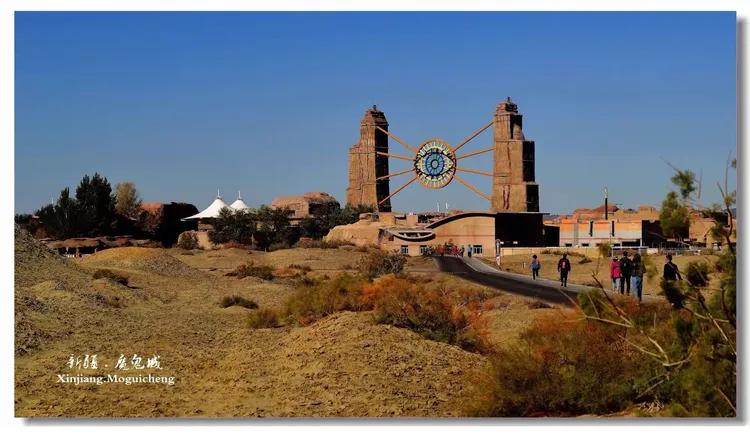
Xinjiang industrial heritage: oil towns, rare-metal pits and coal fields a road trip can actually visit, from Dushanzi to Koktokay and the coal corridor.
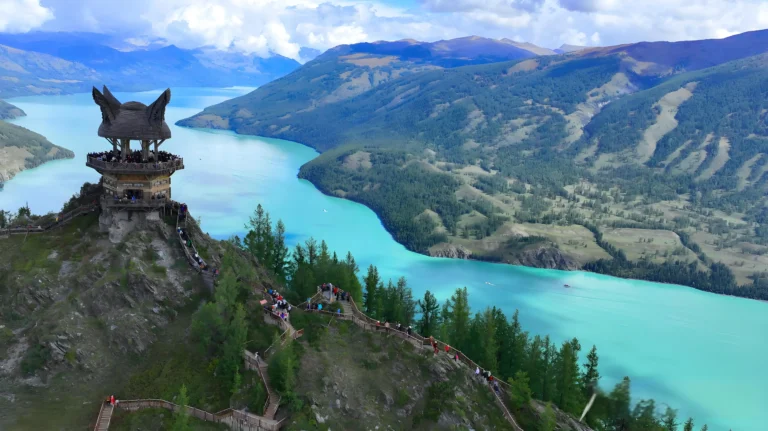
Xinjiang reservoirs and dams: the water stops nobody photographs. Five worth a detour, when the water rises and falls, and the access rules at the fence.
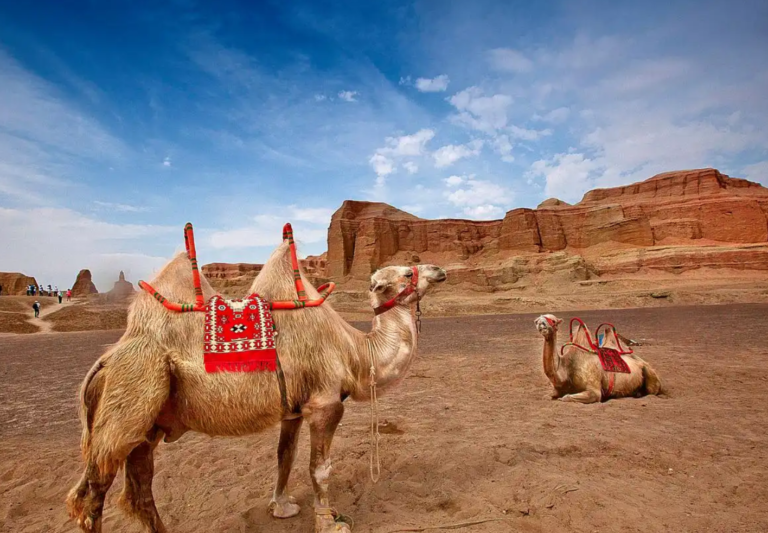
A traveller’s guide to the Xinjiang bathhouse: how a session runs, what it costs, the strict gender schedule, and the last Russian banyas of the north.
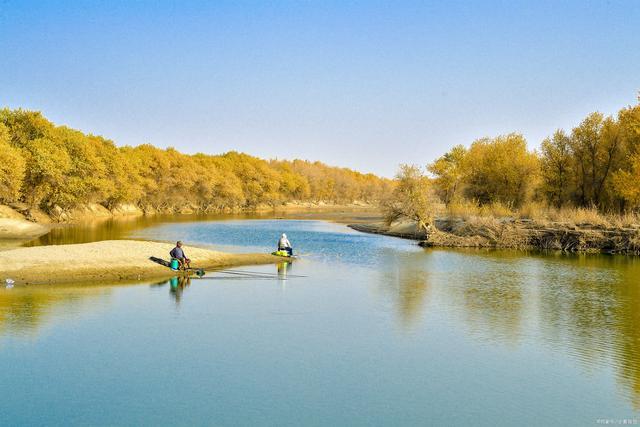
A road-tripper’s guide to the Xinjiang desert-control shelterbelts: what the green strips are, where the Taklamakan belt shows itself, and when to go.
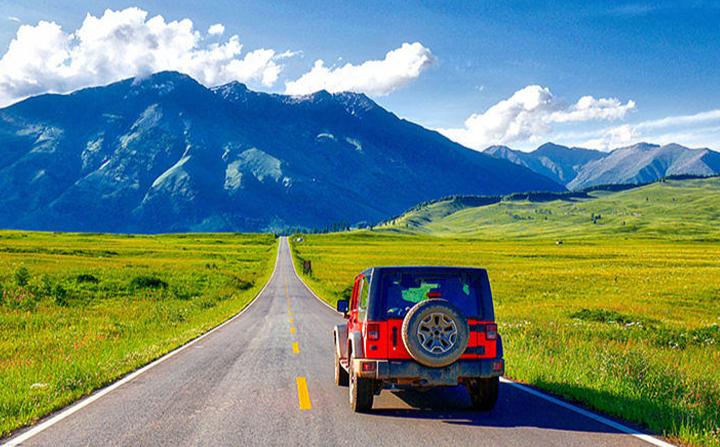
A field guide to Xinjiang livestock on the road: how to handle sheep, camels, cattle and horses on the highway, the seasons they cross, and what to do when a herd is in front of you.
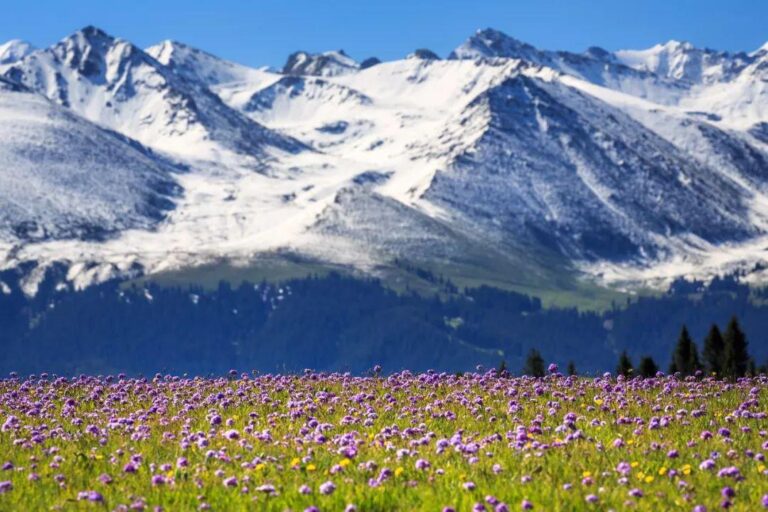
A working field guide to Xinjiang’s migratory beekeeping: the 800,000 hives, the Ili black bee, the Yili-Korla-Turpan transhumance, and the rules for driving past a bee truck.