Waterfalls of Xinjiang: Where the Snowmelt Actually Falls
Xinjiang waterfalls are snowmelt-fed and seasonal. This guide covers the real Baiyanggou and Tianshan falls, the best months to go, and how to reach them.
A Website Introducing Top Tourist Attractions in Xinjiang
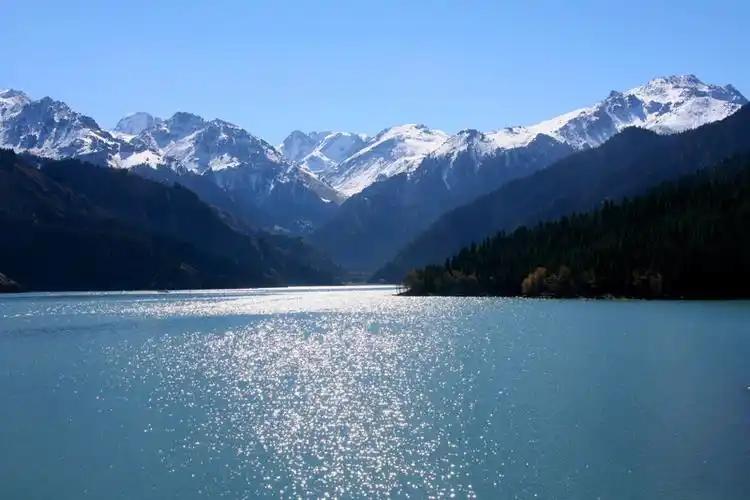
Xinjiang waterfalls are snowmelt-fed and seasonal. This guide covers the real Baiyanggou and Tianshan falls, the best months to go, and how to reach them.
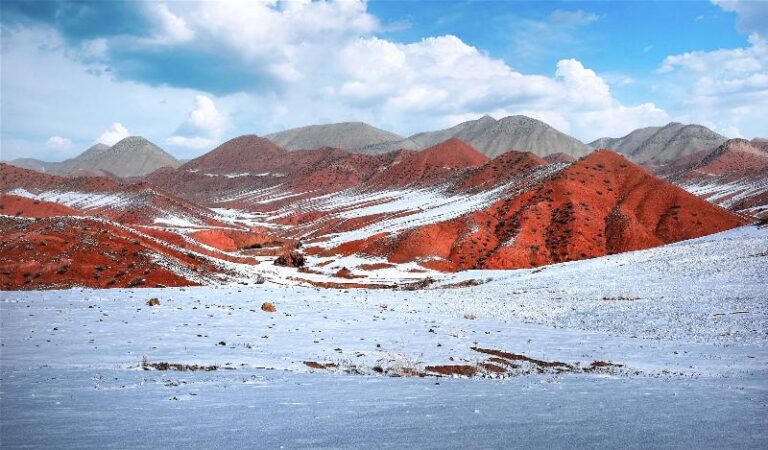
Kangjiashimenzi petroglyphs are Xinjiang’s oldest rock art: 300+ figures carved 3,000 years ago on a red Tianshan cliff in Hutubi. Plan your visit here.
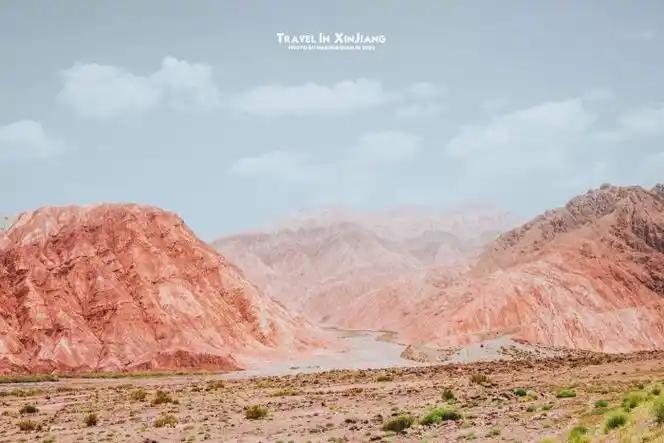
Qitai Silicified Wood and Dinosaur Geopark holds Asia’s largest petrified forest and the 35-metre ‘Asia’s No.1 dragon’ in one remote Gobi half-day stop.
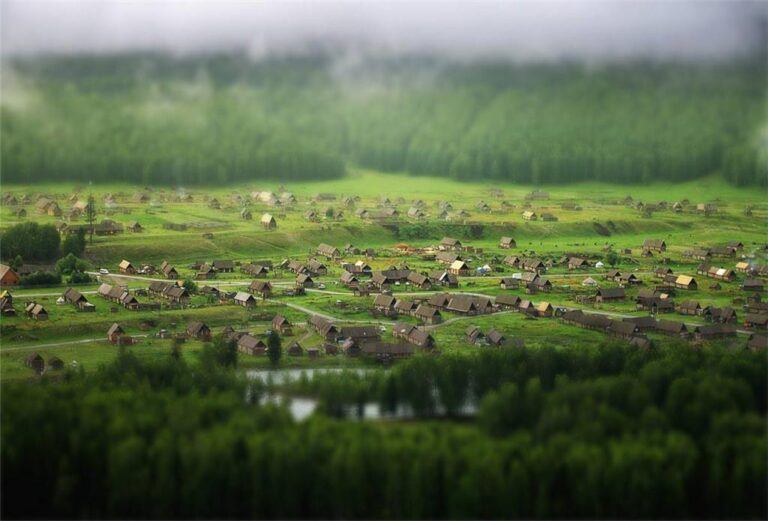
Pishan and Maigaiti sit off Xinjiang’s main trail. Our on-the-ground guide covers Sangzhu rock art, Dolan Muqam, deserts, food and how to reach both towns.
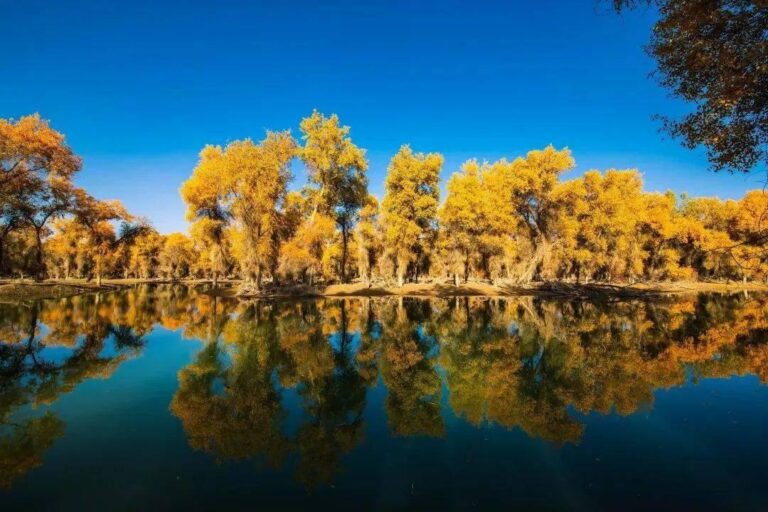
Yecheng and Zepu are two quiet southern Xinjiang oases worth a stop: Zepu golden poplar park and Yecheng G219 Tibet gateway, with tips from our own trips.
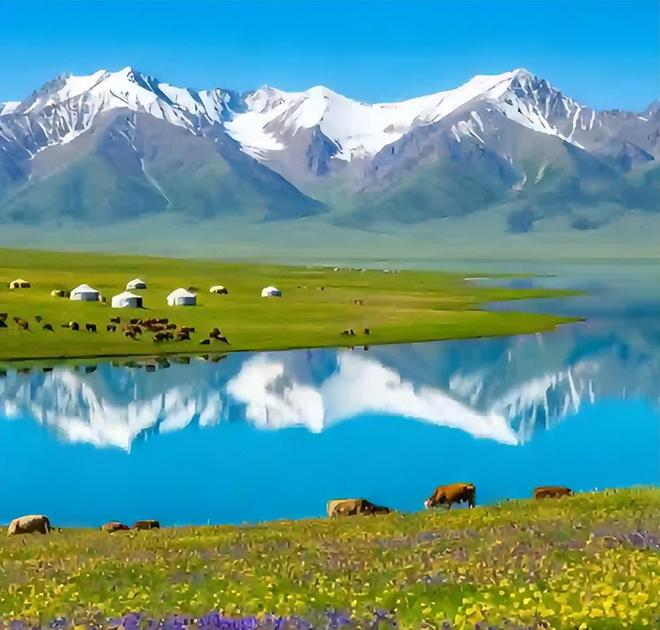
Bohu county Bosten Lake is Xinjiang reed-country: walk the vast marshes, float the lotus sea, and watch migratory birds where desert meets open water.
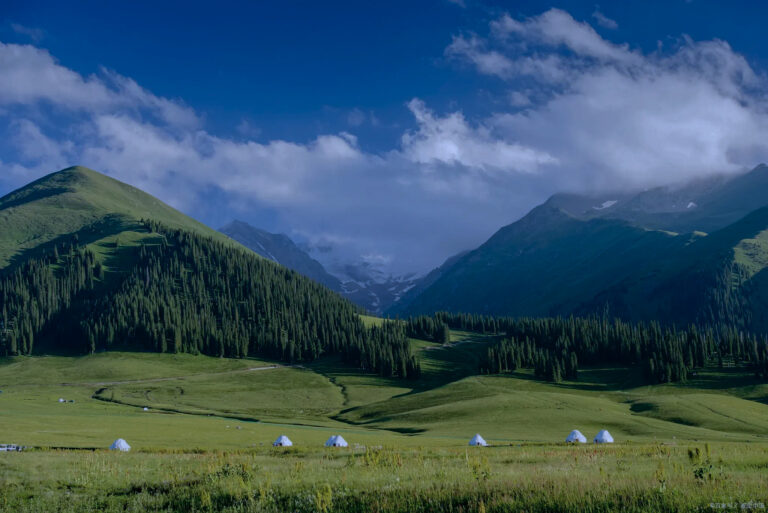
Yanqi Hui Autonomous County is Xinjiang’s hidden wine capital, home to 10,000 hectares of vineyards, Tang-era ruins, and some of the region’s best Hui food.
Lop County sits 18 km east of Hotan on the Taklamakan’s edge. This guide covers Jiya atlas silk, Rawak Stupa, autumn poplars and a practical one-day plan.
Qiemo (Cherchen) is China’s second-largest county, a remote Tarim oasis reached by desert road, the Hotan-Ruoqiang railway and Yudu Airport. Plan a trip.
Yutian and Cele are the last real oases on the southern Silk Road before the Taklamakan. Our guide covers the G315 stops, Kunlun Sky Road and desert lakes.