Rawak Stupa: A Sand-Buried Temple East of Hotan
Rawak Stupa is a sand-buried Buddhist temple east of Hotan. Learn how to visit, when to go, and why this Taklamakan desert ruin still draws travellers.
A Website Introducing Top Tourist Attractions in Xinjiang

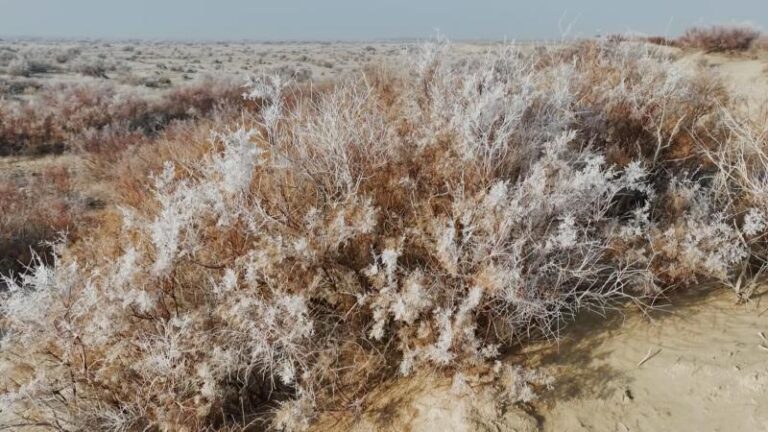
Rawak Stupa is a sand-buried Buddhist temple east of Hotan. Learn how to visit, when to go, and why this Taklamakan desert ruin still draws travellers.
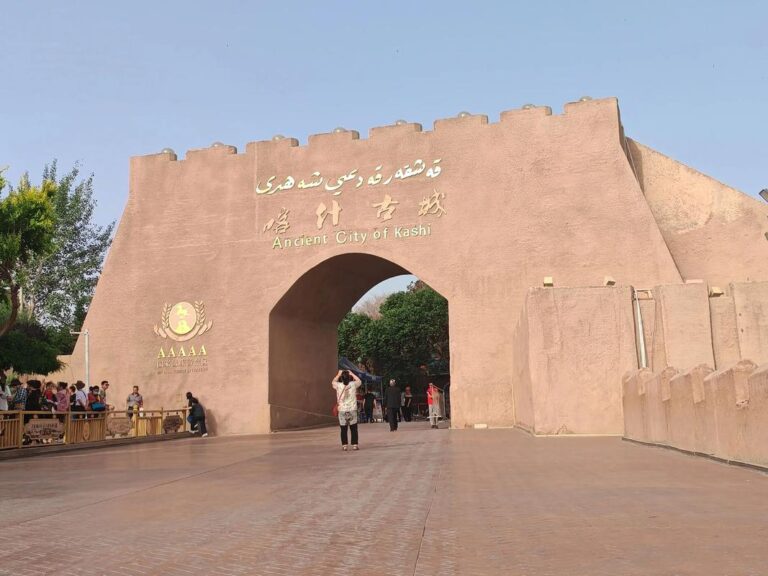
Mor Pagoda Kashgar is a Tang-era Buddhist ruin 30 km from the old city. Here’s how to get there, the best time to visit, and what to expect on the ground.
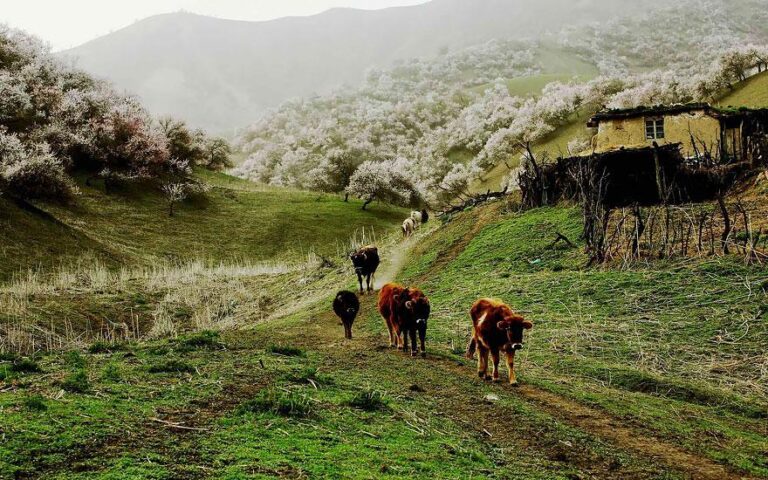
Toksun Xinjiang, in Turpan Prefecture, is known for spring apricot blossoms and China’s windiest plains. Plan your visit with our on-the-ground guide.
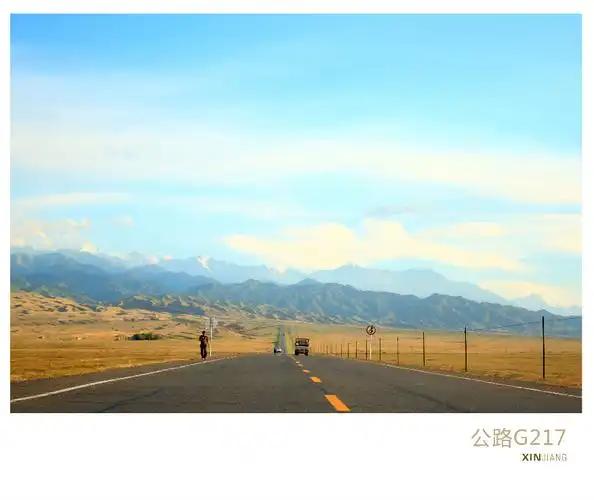
The Tarim Desert Highway cuts 522 km across the Taklamakan from Luntai to Minfeng. Fuel stops, shelterbelts, Tazhong mid-point lodging, and what the drive is really like.
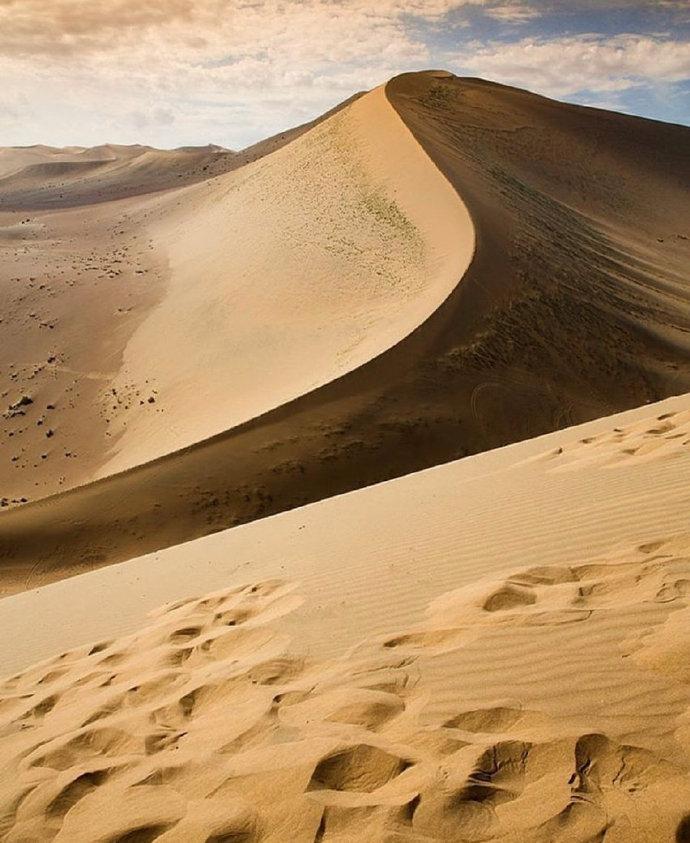
Hotan Sunday Bazaar is one of southern Xinjiang’s largest markets. Find livestock, silk, jade, and street food — plus practical tips on timing, bargaining, and what to buy.
Shipton’s Arch near Kashgar is one of the world’s tallest natural arches. Learn how to get there, when to go, and what the hike is really like.
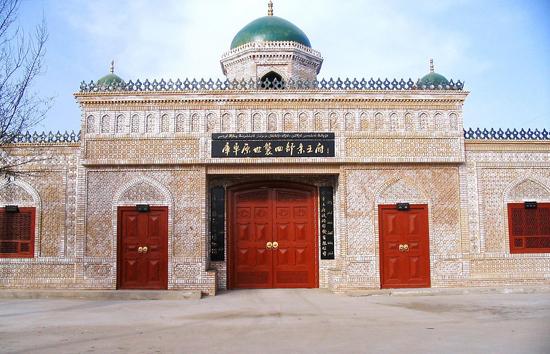
Xinjiang beacon towers like Kizilgaha are the best-preserved Han frontier signal posts. We explain how to reach them, the best season, and nearby ruins.
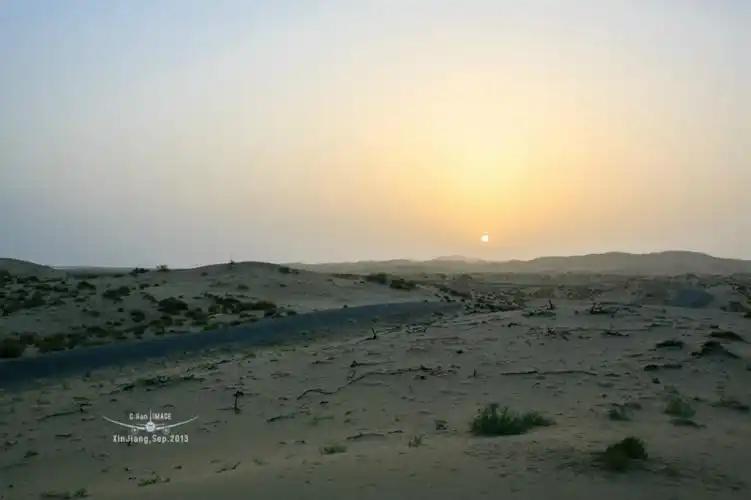
Turpan sand therapy buries you in 60°C desert sand to ease joint and arthritis pain. Our first-hand guide covers the base, best months, costs, and tips.
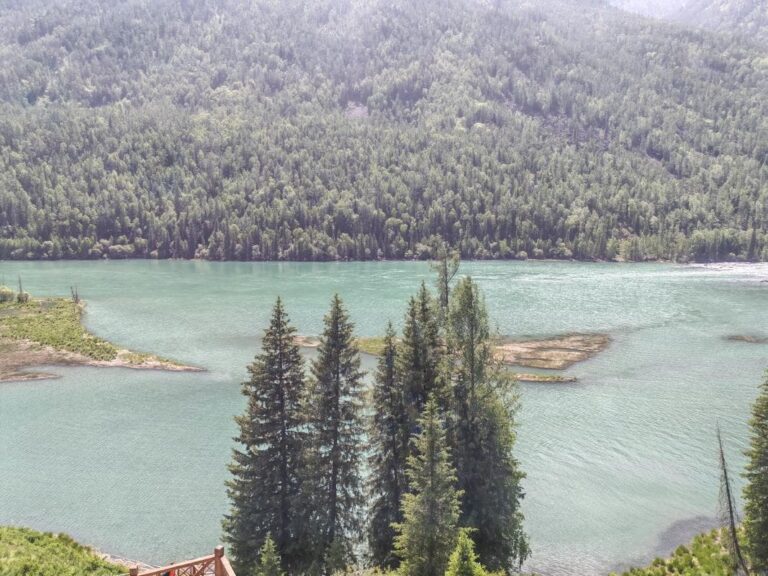
Kanas Three Bays – Moon Bay, Fairy Bay and Wolong Bay – are the most photographed bends of the Kanas River in Xinjiang. Use our first-hand travel guide.
We walked the Wusun Ancient Road across the Tianshan from Tekes to Bayinbulak. Our guide covers permits, the best season, horses, camps, and trail costs.