Published: July 07, 2026 | Author: Xinjiang Attractions Editorial Team
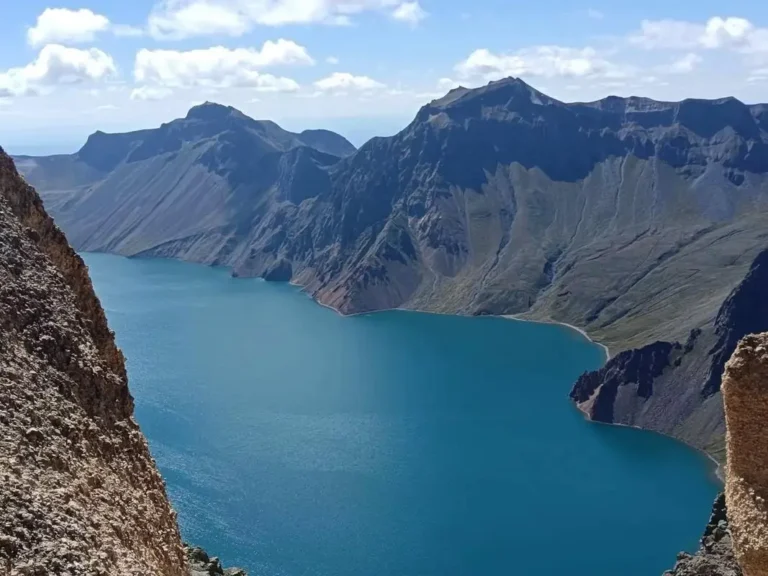
You won’t find Karakul Lake on many bucket lists, which is exactly why we kept going back. This guide covers Karakul Lake Xinjiang – a destination topic in Pamir that deserves more attention than it gets. We’ve put together the practical details: how to get there, when to go, where to sleep, and what to eat, based on our own visits.
Why you can trust this: This isn’t secondhand. We’ve stood in Karakul Lake, missed a bus there, and eaten the wrong thing at a roadside stall so you don’t have to.
Quick Reference: Karakul Lake at a Glance
| Aspect | Details |
|---|---|
| Region | Pamir |
| Best time to visit | June to September |
| Altitude | 3,000-4,500 m |
| Our recommended stay | 1 day |
| In short | The ‘Roof of the World’ edge, where the Karakoram meets the Kunlun. |
What It Actually Feels Like
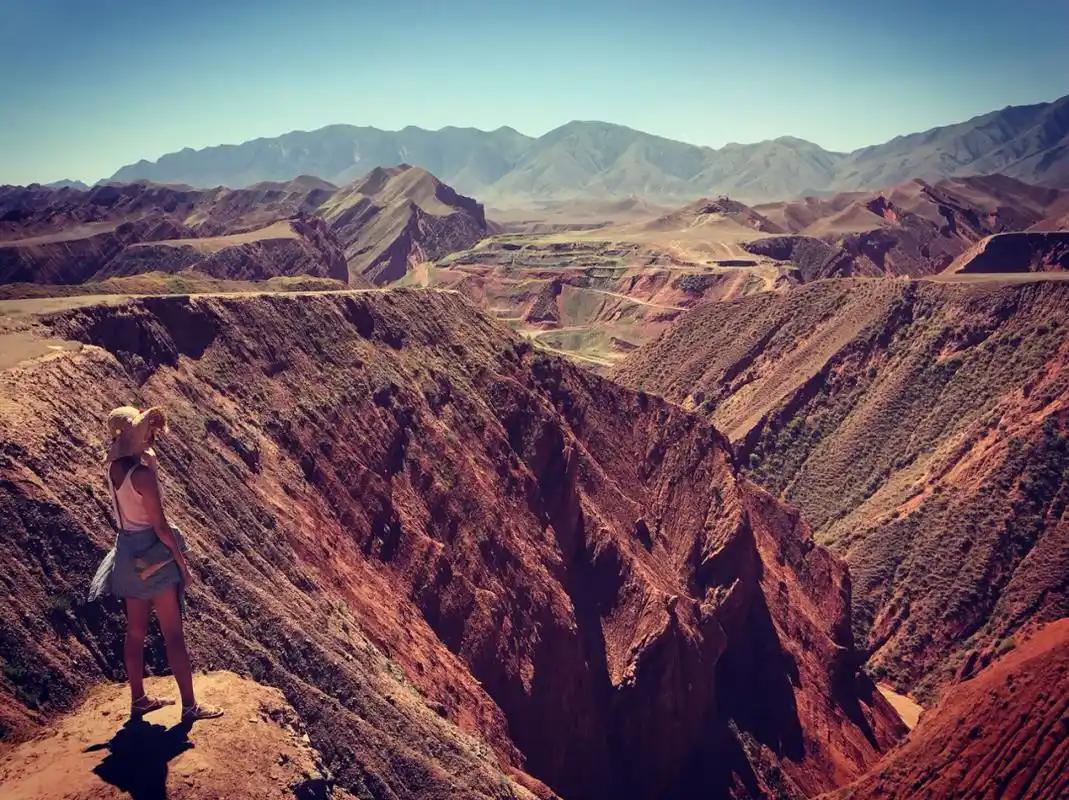
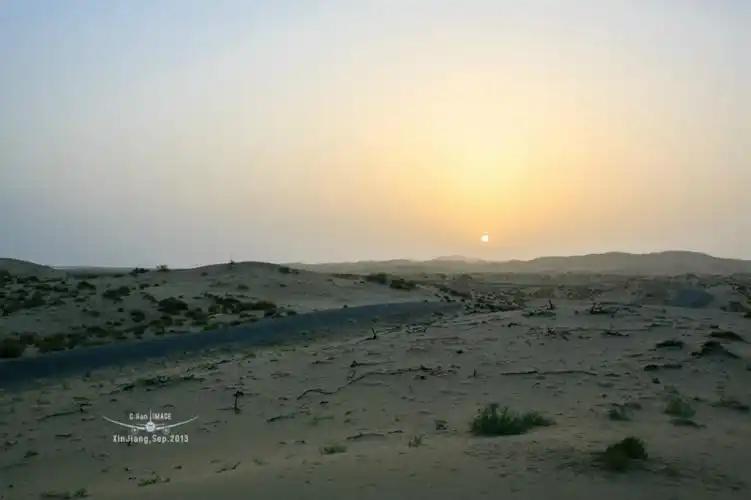
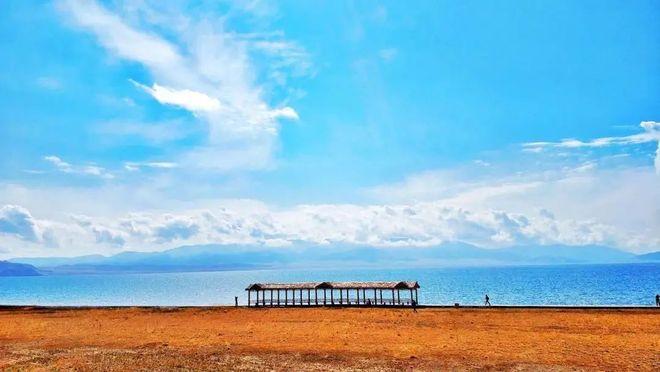
The first time we reached Karakul Lake, the light was doing something we still can’t explain. Flat, gold, and completely quiet.
One mistake we made: we tried to see it in half a day. Give it a full day and you’ll thank yourself.
How to Get There
Most people reach Pamir from Urumqi. If you’re flying in, our Sayram Lake guide covers the airport and transfers. From there, a private car or rental gives you the most freedom – the roads out here are good but distances are long.
We drove in ourselves and found the signage clear, though a downloaded offline map helped once we left the highway. Distances in Xinjiang are no joke – budget more time than the kilometre count suggests.
Best Time to Visit
June to september. The ‘Roof of the World’ edge, where the Karakoram meets the Kunlun. We’ve found that shoulder-season visits (just before or after peak) give you the same views with a fraction of the crowds. If you’re sensitive to altitude, read up first – Kanas Lake guide covers the basics.
Where to Stay
Inside Pamir you’ll find a mix of standard hotels and family guesthouses. We stayed in a small guesthouse run by a local family and it was the better call – cheaper, warmer, and the host pointed us to a breakfast spot we’d never have found otherwise. Book ahead in peak months; the good places fill fast.
Food and Drink
Pamir eats well. Expect hand-pulled noodles, grilled meat, and fresh bread at every corner. We liked the small stalls away from the main square best. If you want the full picture, our altitude sickness guide walks through the regional staples.
Practical notes from the ground:
- Learn three words of the local language. A hello in Uyghur or Kazakh opens doors.
- Download maps offline before you leave the highway – signal drops fast in the mountains.
- Pack a layer even in summer. The temperature swing between noon and night is real.
- Carry cash. Card and Alipay work in cities, but not always at small stalls (money and payments guide).
- Start early. Sites are quietest before 10am and the light is better.
A Simple Itinerary
If you have one full day: arrive mid-morning, walk the main area slowly, eat a long lunch, then catch the late light before heading out. If you have two days, spend the second on a side trip the buses skip. We’d rather do less and actually remember it than rush through a checklist.
FAQ
When should I go to Karakul Lake?
June to september. We’d avoid the deep winter unless you’re prepared for cold and limited services.
Is Karakul Lake worth visiting?
For us, yes – but it depends on your route. If you’re already in Pamir, it’s an easy add and a good change of pace from the bigger sites.
How long do I need at Karakul Lake?
One full day covers the main sights. Two days lets you slow down, which is where {region or place} gets good.
Disclaimer
This guide is based on our visits and ongoing research. Prices, opening hours, and access rules change, so confirm the important details with official sources before you travel. Conditions in remote parts of Xinjiang can shift quickly – use your judgement and prioritise safety.
About the Author
Xinjiang Attractions Editorial Team
We are travel writers and Xinjiang locals who have covered the region from the Pamir Plateau to the Gobi. We write from experience and check our facts. Questions or tips? Reach out via our contact page.