Published: July 20, 2026 | Author: Liam Foster
Why you can trust this Subash Temple Ruins guide
The Subash Temple Ruins sit about 20 kilometres north of Kuqa (old spelling Kucha) in southern Xinjiang, scattered across both banks of the Muzat River. I first heard of the place from a Kuqa-born friend, Eziz, who grew up hearing stories about the “two monasteries in the desert.” In April 2025 I spent a full morning there with him, then returned the following October to walk it again with a different light. Everything below comes from those two visits, plus what the on-site caretaker and the small museum panel told us. I have also cross-checked dates and the UNESCO listing against public records so the facts hold up. This is not a brochure rewrite; it is what the site actually feels like under your feet.
Subash Temple Ruins at a glance
| Detail | What to know |
|---|---|
| Location | ~20 km northeast of Kuqa town, Aksu Prefecture, on the Muzat River |
| Layout | Two monasteries: western (larger) and eastern, split by the river |
| Period | Built roughly 3rd-4th century CE, flourished under the Tang (7th-9th c.) |
| Famous link | Kucha was home of the translator monk Kumārajīva (born ~344 CE) |
| Status | UNESCO World Heritage (Silk Roads: Chang’an-Tianshan Corridor, 2014) |
| Entry | Modest ticket, under ¥40 when we went; confirm current price on site |
| Time needed | 1.5-2.5 hours on its own; half a day with Kizil Caves |
| Shade | Almost none. Bring a hat and water even in spring |
What we found walking the ruins
Eziz parked the car at the western compound and we climbed the low rise where the main stupa stands. What hits you first is the scale: rectangular foundations of monk cells and prayer halls stretch out in grids, their mud-brick walls baked hard by fifteen centuries of sun. The central stupa is the anchor, a square base with a rounded dome, and from the top you can see the riverbed cutting the plain in two.
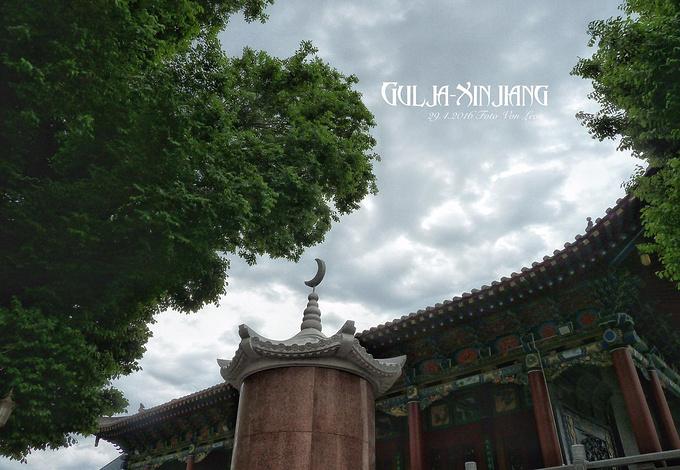
Crossing to the eastern bank takes a few minutes by the dirt track the caretaker pointed us to. The eastern monastery is smaller and quieter, with cave dwellings dug into the cliff face and a second stupa mound. In October the light came low and gold across the broken walls, and a gust of wind kicked up dust that made the place feel empty in the oldest sense of the word. A family of shepherds passed with a small flock; the caretaker said they graze here most afternoons. That is the strange charm of Subash: it is a working desert landscape with a lost city laid open on top of it.
One detail stuck with me. Near the western gate, a panel explains that the site was explored in the early 1900s by outsiders including Aurel Stein and Albert von Le Coq, who took sculptures and fragments abroad. Standing at the empty plinths, you understand why people argue about where these things belong. The Kucha kingdom was once the Buddhist heart of the Tarim Basin, and Subash is the clearest piece of it left above ground.
How to get to the Subash Temple Ruins
There is no public bus that drops you at the gate. From Kuqa town you need a car, taxi, or hired driver; the drive is 25-40 minutes depending on where you start. We paid a local driver around ¥150 for a round trip with waiting time, which let us take it slow. If you are self-driving, set your navigation for “Subashi Fo Si Yizhi” (苏巴什佛寺遗址) and follow the Kuqa-to-Beishi road north; the last few kilometres are unsealed but fine in a normal car outside heavy rain.
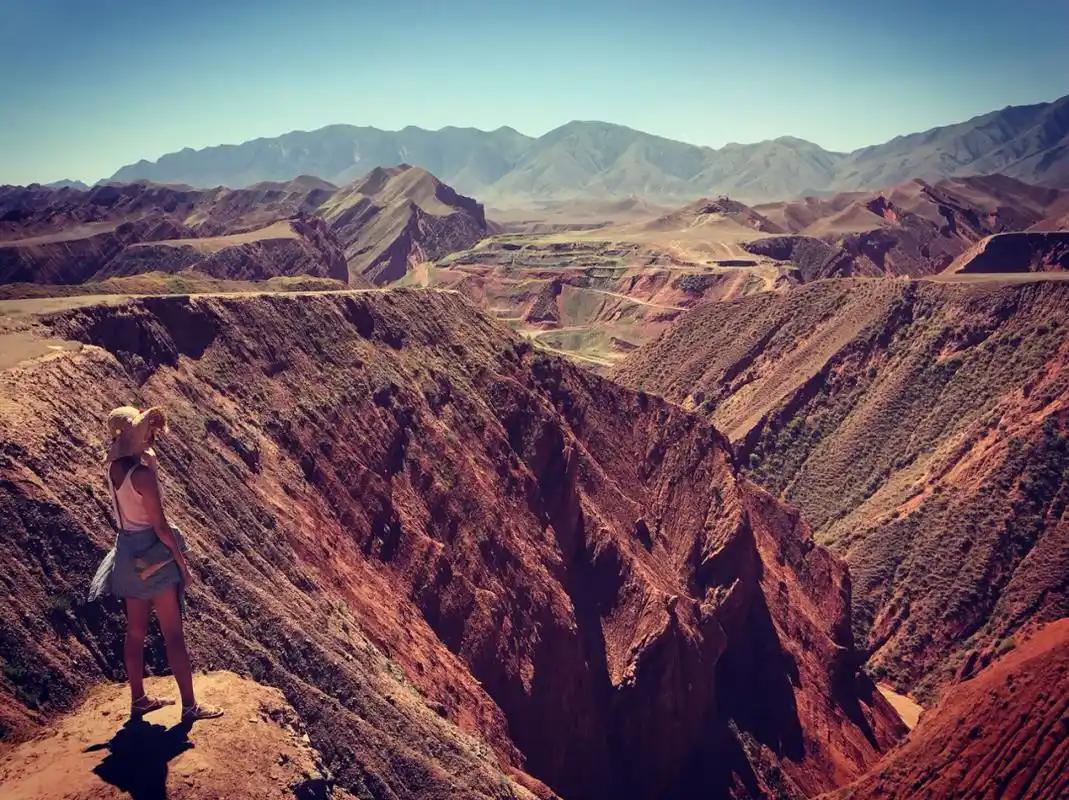
Most travellers pair Subash with the Kizil Grottoes, which are about 70 km west. Doing both in one day from Kuqa is the standard plan, and it tells the full story: Kizil shows the painted caves, Subash shows the monasteries the monks lived in. If you have a third stop in you, the red walls of the Kuqa Grand Canyon are on the same northern arc and make a strong contrast to the open ruin fields.
Best time to visit
Spring (April-May) and autumn (September-October) are the comfortable windows. April gave us cool mornings and a steady wind; October was calmer and warmer at midday. Summer is rough here. With no shade and temperatures that climb past 35°C, midday at Subash is genuinely unpleasant, and the glare off the pale walls is hard on the eyes. Winter is cold but clear, and you may have the whole site to yourself.
Go early. We arrived around 9:30 both times and had the western compound to ourselves for nearly an hour. By late morning a tour bus or two had shown up, and the openness that makes Subash special gets a bit crowded.
Where to stay near Kuqa
Sleep in Kuqa town. It has a real range of hotels, from clean budget places near the bus station to newer mid-range towers around the main square, most under ¥300 a night. Staying in town also means easy food and an early start. We based ourselves at a small place off Renmin Road and ate toast-and-tea at a corner café before the drive north. If you want a wider lodging picture for the region, the northern Xinjiang canyon guide covers similar small-town logistics that apply here too.
What to eat in Kuqa
Kucha’s food scene is a highlight on its own. After the ruins we almost always ended up on a plate of laghman (hand-pulled noodles with stir-fried vegetables and meat), or polo (rice with carrot and lamb, the local pilaf). The night market by the old town does kawap (mutton skewers) over open coals that beat anything wrapped in plastic. Breakfast is nang bread, fresh from the tandoor, with milk tea. None of it is fancy, and all of it is filling after a morning in the wind.
Practical tips before you go
- Bring water and a hat. There is no shade and the desert sun is unforgiving even in April.
- Wear closed shoes. The ground is uneven, with loose brick and the occasional ditch. Trainers are fine; heels are not.
- Carry cash. The ticket desk took cards when we went, but small drivers and roadside stalls often prefer cash.
- Download offline maps. Signal thins out north of Kuqa. Save the route before you leave town.
- Hire a guide at the gate if you can. The caretaker gave us the bare bones, but a proper guide turns piles of mud-brick into a monastery you can picture.
- Combine with Kizil. Doing them separately means two long drives; one loop is far easier.
For the bigger picture on roads, permits, and what to pack, the 20-things travel tips page is worth a read before any Xinjiang trip.
A half-day sample itinerary
08:30 – Leave Kuqa town by car.
09:00-10:30 – Western monastery at Subash: climb the stupa, walk the cell foundations.
10:30-11:00 – Cross to the eastern bank, see the cave dwellings and second stupa.
11:00-11:30 – Drive west toward Kizil.
12:00-13:30 – Kizil Grottoes tour (book ahead; some caves open only with a guide).
14:00 – Lunch in a Kuqa noodle house, back to town by mid-afternoon.
Frequently asked questions
Is Subash Temple Ruins the same as Kizil?
No. Kizil is the painted cave complex 70 km west. Subash is the open-air monastery ruin on the Muzat River. They tell the same Buddhist-Kucha story from different angles, which is why people visit both.
Can I visit on my own without a tour?
Yes. You need transport (no bus to the gate) but the site is open and walkable. A guide is optional, not required.
How long does it take?
Plan 1.5-2.5 hours for Subash alone. With Kizil, set aside a half day.
Is it worth it if I only have one day in Kuqa?
If you care about Silk Road history, yes. If you only want photos and a quick stop, the western compound alone gives you the iconic stupa view in under an hour.
What about the “Subash beauty” mummy?
A well-preserved young woman’s remains were found in the area and are held at the Xinjiang Museum in Urumqi, not at the site. The ruins themselves are open-air.
Disclaimer
This guide reflects personal visits in 2025 and publicly available information at the time of writing. Opening hours, ticket prices, and which caves are open at Kizil can change, and road conditions in the Kuqa region shift with the season. Confirm current details with your hotel or the site before you travel, and check the latest official guidance on permits and border areas. Nothing here is formal travel advice; plan according to your own situation.
About the author
Liam Foster is a travel writer who has spent several seasons on the road in Xinjiang, from the Ili valleys to the Taklamakan edge. He prefers slow, first-hand reporting over desk research and has walked most of the sites he writes about, often with locals who know them best. He can be reached for questions through the contact page.