Published: July 21, 2026 | Author: Liam Foster
Most visitors fly into Hotan, spend a morning at the jade market, and drive out the same afternoon. I almost did exactly that, until a driver from Yutian talked me into staying one more night and riding east with him. That detour turned into two separate trips and the most unusual place I have written up for this site. This Yutian travel guide covers the town of Keriya and the desert settlement of Darya Boyi, the kind of destination you do not reach by accident.
Why you can trust this Yutian travel guide
I am not a brochure writer repeating lines I copied from a tour listing. I have stood in the shallow green water of the Keriya River in October, when the poplars turn the whole oasis the color of old brass, and I have coughed through an April sandstorm that closed the road for half a day. The practical details below come from those visits, from people who actually live there, and from official sources such as the Hotan Prefecture railway timetable and the national highway map. Where I am guessing, I say so.
Yutian County, written “Keriya” in older records, sits in Hotan Prefecture on the southern edge of the Taklamakan Desert. The Keriya River is the only reason a town exists here at all. It spills out of the Kunlun range and pushes north through the sand for roughly 340 kilometers before the desert soaks it up. Everything worth seeing in this corner of Xinjiang clusters along that thin thread of water.
Yutian at a glance
| Location | Hotan Prefecture, southern Xinjiang, about 180 km east of Hotan city |
| County population | around 280,000, mostly Uyghur |
| Best season | late September to mid-October |
| Train | Yutian Station on the Hotan-Ruoqiang Railway, open since 2022 |
| Nearest airport | Hotan Airport (HTN), about 180 km west |
| Darya Boyi distance | roughly 240 km north into the desert |
| Languages | Uyghur and Mandarin |
My first days in Keriya
We reached Yutian town late on a Tuesday in April 2023. The wind had been building since Turpan, and by the time we parked it was a proper spring storm, the kind that layers orange dust on your eyelashes within minutes. The main street was half empty. My friend Perhat’s aunt, who keeps a small guesthouse off the old-town lanes, fed us laghman and told us to wait out the weather. We did, for two days, and I learned more about Yutian sitting in her courtyard than I would have walking any sightseeing loop.
When the wind dropped, the town opened up. The old quarter on the west bank of the river is a grid of mud-brick lanes where the doorways are painted a faded blue and the women wear a tall, white, cylindrical cap you will not see anywhere else in Xinjiang. Perhat called it the Yutian style, handed down through families. At the weekly bazaar, held on Sundays, the stalls fold out across a dusty square: stacks of round tonur naan, piles of dried apricots, live sheep, and a corner where old men repair the reed frames used to build desert houses.
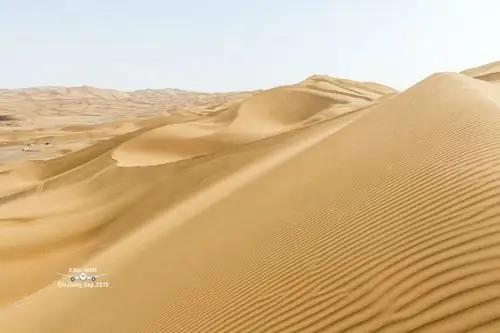
What pulls most people toward Yutian is not the town but what lies north of it. The Keriya River keeps flowing past the last fields and into the sand, and about 240 kilometers in, where the green finally loses the fight, sits Darya Boyi. For most of the 20th century the only way in was a camel or a heavily modified four-wheel drive, and the people there, often called the Keriya, lived much as their grandparents had. A desert road now reaches the area, and a relocation program in 2019 moved many families to a new settlement closer to the county seat. The original oasis village is still there and still worth the long drive, but go knowing it has changed.
How to get to Yutian
The single best change of the last few years is the railway. The Hotan-Ruoqiang line, which opened in June 2022, closes the loop around the Taklamakan and puts Yutian on a real train schedule for the first time. A train from Hotan takes roughly an hour and a half to two hours and costs a fraction of a private car. From Urumqi you will change in Hotan or Korla; plan a full day of travel and read our Xinjiang high-speed rail guide before you book.
If you fly, Hotan Airport is the practical gateway. From there it is a straight run east on the G315 highway, about three hours by car or bus. The road is paved and in good shape; the part that gets interesting is the turnoff north toward Darya Boyi, where the surface turns to hard-packed desert track for long stretches. Hire a driver who has actually made the trip. I have written about the wider region in our Hotan travel guide, which pairs well with a Yutian stop.
Best time to visit Yutian
Autumn is the answer, and not by a small margin. From late September to mid-October the poplars along the Keriya River go gold, the daytime temperature sits in the low 20s Celsius, and the wind usually behaves. I went back in October 2024 specifically for this window and it delivered: clear light, cold nights, and empty roads.
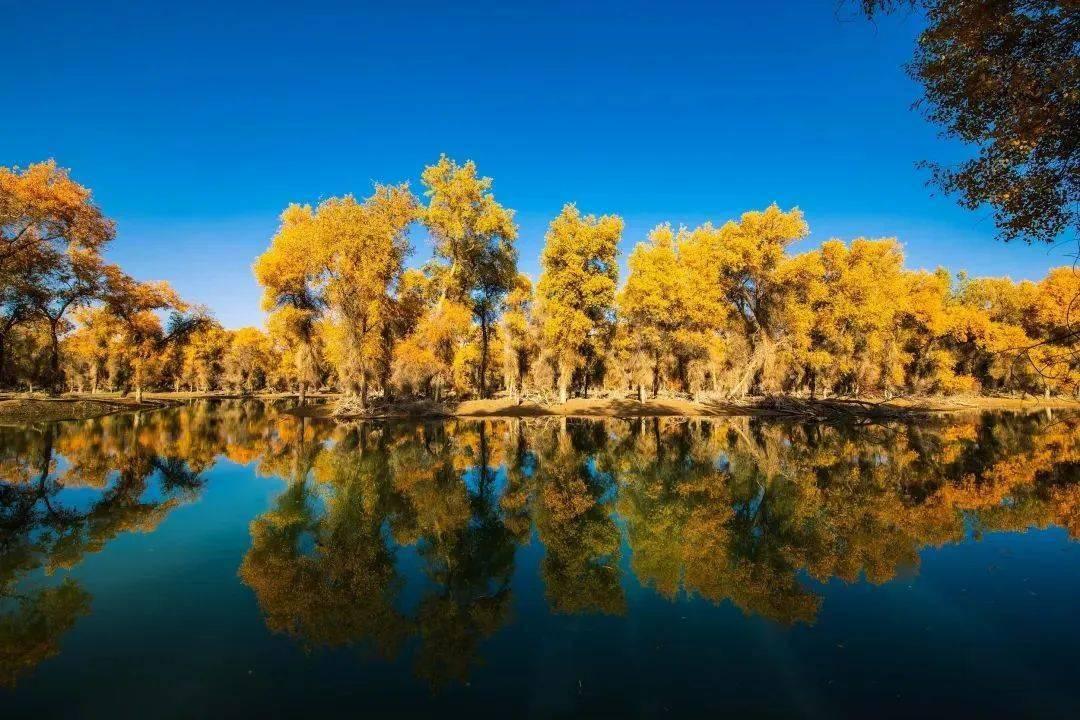
Avoid March through May if you can. That is sandstorm season, and the storms here are not photogenic mist. They shut roads and coat everything you own. Summer is brutally hot, often above 40 Celsius in the shade, and the desert drive becomes a test of nerve and water supply. Winter is cold but calm and quiet, and hotel prices drop, though the desert road can ice over after a rare snowfall.
Where to stay
Yutian town has a workable range of small hotels, mostly along the main road, from about 120 to 220 yuan a night. Do not expect international chains or English signage. The places I have used were clean, had working heating, and served a weak-but-welcome breakfast of naan and tea. Book ahead during the October peak and the Spring Festival period.
For Darya Boyi itself, lodging has improved since the road went in. There are simple guesthouses in the newer settlement, generally 80 to 150 yuan, with shared bathrooms and solar-heated water that runs out by evening. Treat it as an adventure stay, not a comfort stay. If you want creature comforts, sleep in Yutian and make Darya Boyi a long day trip.
What to eat in Yutian
The food here is southern Xinjiang cooking at its most direct: mutton, wheat, and whatever the river oasis grows. Order the Keriya-style shorpa, a clear mutton soup with onion and a fist of cilantro, and the kawap skewers grilled over tamarisk wood until the fat crisps. The local naan, baked in the domed tonur oven, is denser and chewier than the version up north, and it keeps for days in a saddlebag, which is the point.
Darya Boyi has a reputation for goat roasted slow over desert brush, and the herders there also make qurut, dried balls of salty yogurt you chew like candy. In summer, the Keriya River melons are sweet enough to skip dessert. None of this is fancy, and that is the whole appeal. Our Xinjiang travel tips piece has more on etiquette and what to expect at small-town tables.
Practical tips before you go
Bring your passport. Yutian is not a border crossing, but it sits in a sensitive region, and foreign visitors should carry ID and register at the hotel as required. Cash still matters in the smaller stalls and at the desert villages, even though Alipay works in town. A local SIM helps more than you think once you leave the county seat, because the desert has dead zones.
Dress for the swing in temperature. A single October day can run from 22 Celsius at noon to near freezing after dark. A scarf that covers your mouth is not a fashion choice during wind season; it is how people here keep their teeth clean. And give the desert road real respect: tell someone your plan, carry extra water, and never try the Darya Boyi track in a rented sedan.
Yutian travel guide: a two-day itinerary
Day 1. Arrive in Yutian by train or car. Settle in, then walk the old town west of the river in the late afternoon, when the light is soft and the lanes are busy. Eat shorpa and skewers for dinner and sleep early.
Day 2. Get up for the Sunday bazaar if your timing lands on one, or head straight north. Drive toward Darya Boyi, stopping where the poplar groves thicken along the river. Spend a few hours at the oasis village, talk to the herders, and turn back before the light fades. That is enough to feel the place without rushing the long, empty road.
If you have a third day, loop west toward Hotan or use Yutian as a stop on a longer southern route. The desert towns connect more easily than they used to, and our Silk Road history guide helps place Keriya in the older map of the region.
Frequently asked questions
Is Yutian safe for foreign tourists?
The town itself is calm and the people are hospitable. Carry your passport, follow local rules about photography near any official site, and you will be fine. The desert excursion needs more planning than the town does.
Can I visit Darya Boyi on my own?
You can reach the newer settlement by road, but a local driver makes the trip far easier and safer. The old village is remote, fuel and water are scarce, and phone coverage is patchy. Go with someone who knows the track.
How long should I spend in Yutian?
One full day covers the town and bazaar. Add a second day if you want Darya Boyi without a punishing schedule. Most travelers pair it with Hotan or a southern Xinjiang loop.
What is the connection to Loulan and the lost desert cities?
Keriya sits on the same southern desert fringe as the famous ruins, but it is a living oasis, not an excavated site. If buried cities are your interest, read our Loulan Ancient City guide alongside this one.
Disclaimer
This article reflects personal visits in April 2023 and October 2024 and information available at the time of writing. Train schedules, road conditions, and access rules for remote settlements like Darya Boyi can change without notice. Confirm current transport and any permit or registration requirements with official sources before you travel, and use the details here as a planning aid rather than a guarantee. The author and publisher are not responsible for changes beyond their control.
About the author
Liam Foster is a travel writer who has spent four years documenting the towns, trails, and quiet corners of Xinjiang for XinjiangAttractions.com. He prefers slow local routes over headline stops, and he returns to places more than once so the advice holds up across seasons.