Published: July 21, 2026 | Author: Liam Foster
Why you can trust this Minfeng travel guide
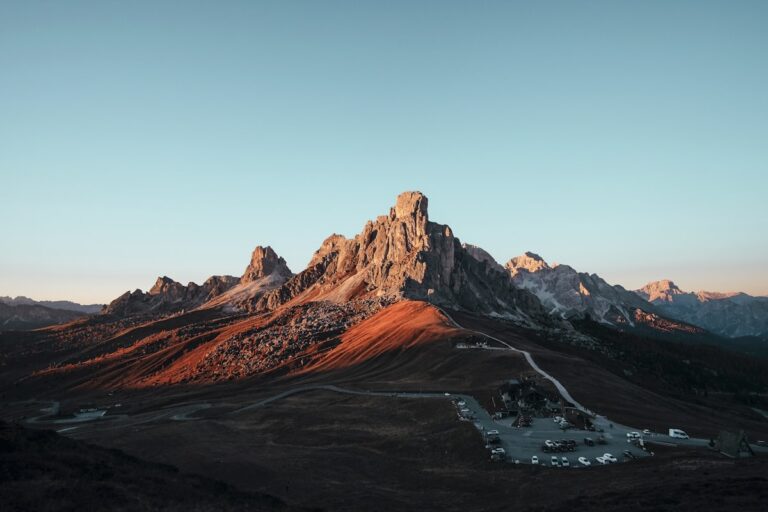
Most travelers racing across southern Xinjiang skip Minfeng. I nearly did too. This Minfeng travel guide comes from two unplanned stops in the small county on the Taklamakan’s southern rim: the first in late April 2023, when a sandstorm shoved me off the G315 and into town for two nights, and the second in October 2024, when I finally rode the new Hotan–Ruoqiang railway to its southern stretch. What I learned is that Minfeng is less a sightseeing stop than a threshold. It is the last dependable oasis before the desert highway plunges north into the sand, and the supply base for anyone curious about the buried kingdom of Niya. I have driven that highway, eaten my weight in local red dates, and asked a lot of patient locals the same questions you are probably asking. Here is what I wish I had known.
The town and the river that keeps it alive
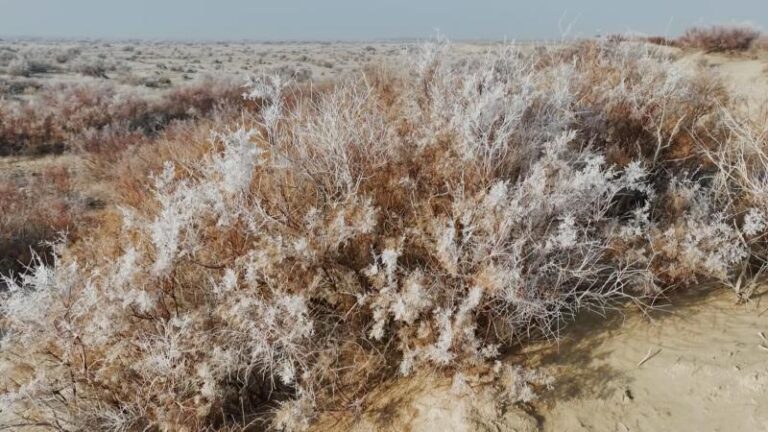
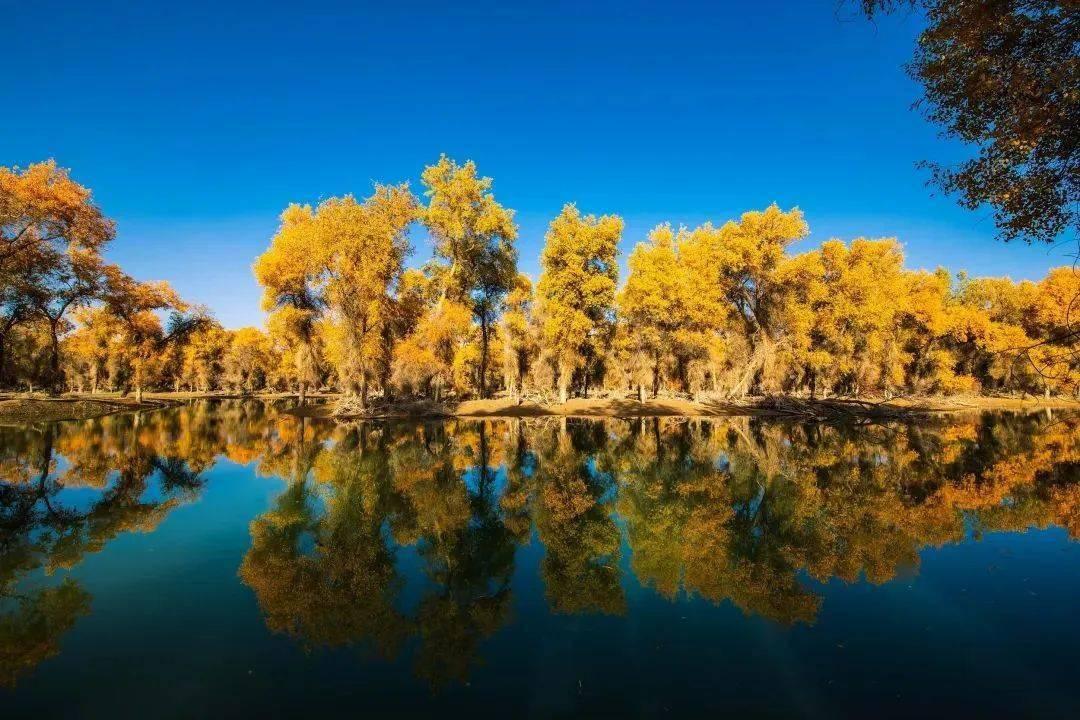
Minfeng County (民丰县, also called Niya) sits where the Keriya River finally runs out of energy. The water that begins up in the Kunlun Mountains seeps across the sand and grasses a thin green belt, and the town grew on that belt. When I walked the riverside path with my friend Abdu, a Minfeng-born driver who has run the desert road for eleven years, he pointed at the bare poplars leaning over the channel. “Two months a year this place is green,” he said. “The rest of the time we live off what the river gave us in spring.” That rhythm shapes everything here, from the harvest calendar to why the night market smells of dates and melon rather than the citrus you find further north.
The county seat itself is compact. You can cross it on foot in twenty minutes. What makes it worth a pause is not a single monument but the feel of a frontier town that knows the desert is listening. The streets are wide, the buildings low, and the light has that hard, dry clarity you only get where there is no humidity left to soften it.
Getting to Minfeng
Minfeng is a crossroads in a way that surprises first-time visitors. Three routes meet here.
The easiest for most is the Xinjiang high-speed rail network feeding the Hotan–Ruoqiang railway, which opened in 2022. Minfeng Station sits on this line, so you can now reach the town by conventional train from Hotan (roughly three to four hours) or from Ruoqiang to the east. For years the only realistic options were road or a long bus haul, so the railway changed the math completely.
By road, the G315 runs east–west through town. From Hotan it is about 300 kilometers southwest, a four- to five-hour drive along the southern edge of the desert. Heading east, the G315 is the start of the Qinghai–Xinjiang route toward Golmud, a long, empty haul that demands a full fuel tank and a clear head.
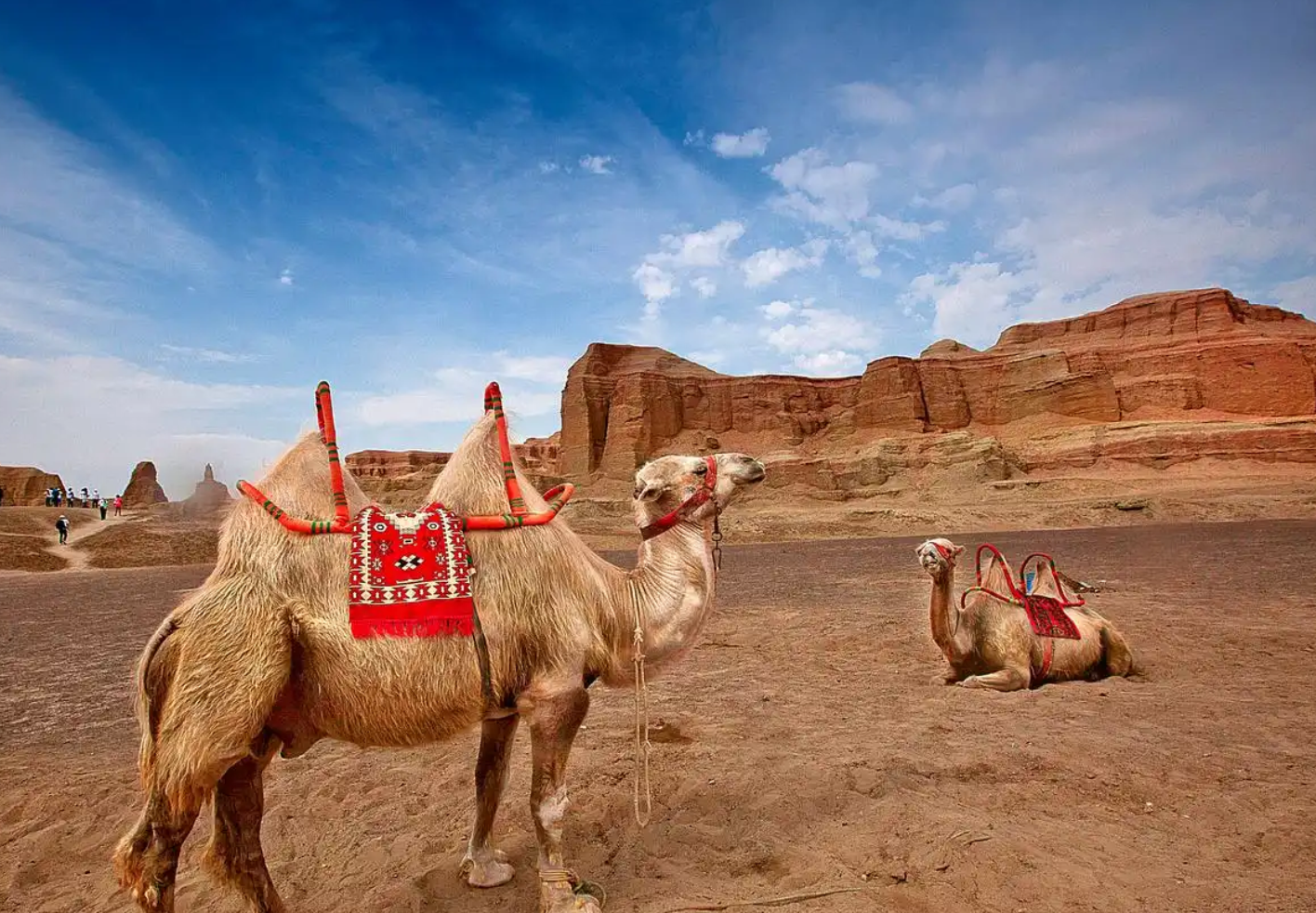
The route that hooked me, though, is the one going north. The Tarim Desert Highway (the Lunnan–Minfeng road) leaves town and drives straight across the Taklamakan for roughly 520 kilometers to Lunnan, near Korla. It is one of the only paved roads on earth that crosses a sea of sand end to end. I did the southern half in a hired 4WD with Abdu and counted eleven pumping stations where groundwater is drawn up to keep the roadside trees alive. If you are short on time, drive fifty kilometers north, stand at the edge of the dunes, and turn back. That is enough to understand the place.
Best time to visit Minfeng
Spring and autumn are the windows. Late April to early June brings manageable heat, blooming poplars, and the red-date blossom that locals treat as the real start of the year. October is my favorite: the air is cool, the melons are at their sweetest, and the desert light turns the sand the color of weak tea. Daytime temperatures then sit around 15–25°C, which makes the riverside walks pleasant.
Summer here is not a gentle season. From June to August the thermometer regularly passes 38°C, and the combination of heat and blowing sand is genuinely unpleasant. Winter is dry and cold, often below freezing at night, but the town is quiet and the dates are cheap. If you only have one shot, aim for October.
Where to stay
Minfeng is not a resort town, and that is fine. The lodging is practical: clean, modest hotels near the bus station and the main交叉 run from about 120 to 220 RMB a night. I stayed once at a small place off the central road where the heater worked, the water was hot by seven in the evening, and the owner lent me a power adapter without being asked. Do not expect international chains or English signage. Book ahead during the October holiday period, when the desert road draws domestic road-trippers and rooms tighten.
What to eat in Minfeng
The food is the best argument for stopping. Minfeng red dates (民丰大梅) are the local claim to fame, smaller and denser than the famous Hetian ones, and sold by the kilo at the morning market for a few RMB. The Andir (安还) melons grown in the river’s lower reach are absurdly sweet in autumn; Abdu bought one from a roadside cart, hacked it open with a cleaver, and we ate it standing in the shade of a truck.
Beyond the produce, the standard southern-Xinjiang roster shows up: laghman noodles pulled to order (about 18 RMB), kawap skewers charred over coals, and fresh naan still warm from the tannur. At the night market I found a stall selling “Niya” brand red-date wine, a nod to the archaeological name the county traded on long before tourism arrived. It is sweet and low in alcohol, more of a curiosity than a cellar pick, but worth a glass if you want to say you drank the kingdom’s namesake.
Practical tips for the desert edge
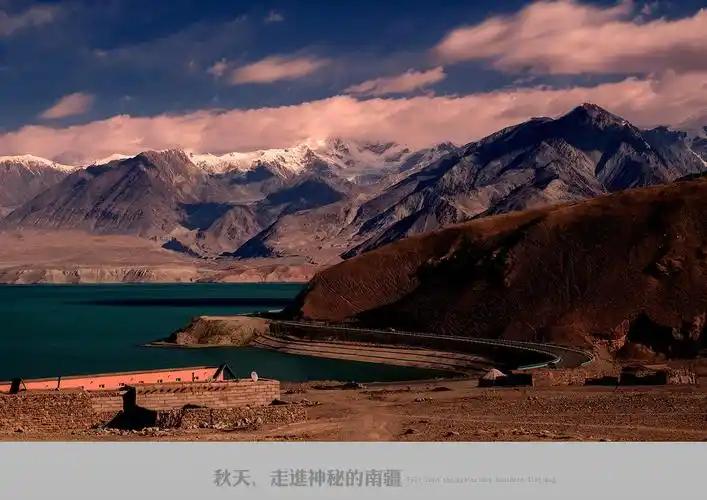
A few things I learned the hard way. Carry more water than feels reasonable; the dryness steals it from you before you notice. Fuel up in town—there is nothing between Minfeng and Lunnan except pumping stations and sand. If you plan to drive the desert highway, tell someone your route and check your spare tire, because a flat out there is a long walk.
On the Niya ruins: the archaeological site northeast of town is a controlled reserve, not an open attraction. Entry is not generally issued to independent tourists, and the famous “five stars rise in the east” brocade found there in 1995 lives in the Xinjiang Museum in Urumqi, not in Minfeng. Treat the town as the place to learn the story, not the place to walk the ruins. My longer piece on the Niya Ruins covers what is and is not accessible.
Finally, bring cash. Cards work at the bigger hotels, but the market stalls and the desert-road rest stops are cash and WeChat territory. A quick read of our 20 things to know before you go will save you a couple of avoidable headaches.
A two-day Minfeng stopover
Day 1. Arrive by train or road, settle into a hotel, and walk the Keriya River green belt at golden hour. Eat laghman at a corner shop, then drift through the night market for dates, melon, and kawap. Ask the stallholders where the poplars are turning—they will tell you, often with a free sample.
Day 2. Hire a driver for the northern desert road. Fifty kilometers out, stop at the first dune overlook and the poplar grove that clings to a side channel. Turn back before noon to beat the heat, have a long lunch, and catch an afternoon train or continue east toward Ruoqiang or west toward Yutian, the next oasis along the Keriya line.
Frequently asked questions
Is Minfeng worth visiting on its own?
If you love deserts, quiet towns, and the story of the Silk Road, yes—as a one- or two-night stop. It is not a place with big-ticket sights, and most people fold it into a longer southern-Xinjiang loop.
Can I visit the Niya ruins from Minfeng?
Not independently. The site is a protected archaeological reserve, and access is not routinely granted to tourists. Use Minfeng to understand the history, and see the key artifacts in Urumqi.
How do I get there without a car?
The Hotan–Ruoqiang railway serves Minfeng Station, and long-distance buses run along the G315. For the desert highway itself you will need to hire a driver in town.
What should I pack?
More water than you think, a scarf or mask for sand, sun protection, and cash. Layers help, because desert nights drop fast even after warm days.
Disclaimer
This guide reflects my personal visits in 2023 and 2024 and information available at the time of writing. Transport schedules, train services, and access rules for protected sites such as the Niya ruins can change. Confirm current conditions, permits, and opening times with official sources before you travel, and respect all local regulations and restricted zones. Prices are indicative and were gathered from local vendors, not official tariffs.
About the author
Liam Foster is a travel writer who has spent six seasons moving through Xinjiang by train, bus, and hired car. He focuses on the quiet places most itineraries skip—frontier towns, desert roads, and the oasis communities that keep them alive. His reporting is built from first-hand visits and conversations with local drivers, farmers, and shopkeepers.